Peru
Last Updated: February 7, 2026
NEED THE ESSENTIALS FOR BACKPACKING PERU NOW?
WHERE TO VISIT | BEST STUFF TO DO | SUGGESTED ITINERARIES | PERU BLOGS

Heads up: We sometimes work with companies to provide affiliate links and reviews - here's what that means. If it's here, we use it. We don't plug shit for profit.
Backpacking Peru In 2026
Backpacking Peru is one of the most memorable experiences, with one of the most diverse landscapes I've ever encountered.
The idea of travelling to Peru became a popular hobby in the 1970s, but never saw the travelling boom the likes of Asia, especially, Thailand experienced.
I couldn't miss out on this opportunity and spent three weeks in the country with my friend Linzi. We visited numerous cities, towns and traditional mountain villages. All of which was beyond my wildest dreams. However, the highlights were the monumental and majestic Amazon Jungle and the jaw-dropping Machu Picchu.
Peru ticked two bucket-list items for me. Firstly, exploring the wonder of Machu Picchu, and secondly, when I spent a couple of unforgettable nights in the Amazon Rainforest. Both Machu Picchu and the Amazon surpassed expectations and presented me with memories and stories I'll never forget. Some of which I discuss below, and within the subsequent blogs.
Backpacking Peru is still one of my favourite times, and somewhere everyone should visit at least once.
I'd go back tomorrow if I could.
Why Peru?
Why should you start planning a backpacking Peru adventure?
Well, that's easy.
Peru is awash of exciting and entertaining historical, natural and cultural experiences.
This remarkable country rose to fame in 1911, with the discovery of the 15th-century city of Machu Picchu.
Machu Picchu is now one of the ten Manmade Wonders of the World. Which, in turn, has become one of the most visited locations, worldwide.
Whilst Machu Picchu is undoubtedly the main reason most backpackers visit Peru. There is far more to discover than Machu Picchu.
Peru offers every extreme, from the crashing coastal cities, such as Lima. To the towering Andes, and on to the desert oasis of Huacachina.
This biodiverse country offers everything and more. Nature and historic stories reign supreme, and the longer you're backpacking Peru, the more you will understand about it's past, it's people, and it's wildlife.
South America, for some, may seem a scary and new world to explore, but the people of Peru deserve your custom. They go out of their way to show you their culture and provide you with something you will not find in any other countries. I for one, cannot wait to return to these precious shores and start another tour backpacking Peru and the delights hidden within.
Quick Stats
Currency
Peruvian Nuevo Sol (PEN)
Religion
Christian: 94%
Population
33 million
Language
Official: Spanish
Also: Aymara
When to Go
High Season: May - Oct
Low Season: Nov - April
Price of Beer
£1.50 a Pint
Our Peruvian Stories
Machu Picchu, Peru – A Travel Guide
Machu Picchu, Peru – A Travel Guide | Written by Greg Heads up: We sometimes work with companies to provide affiliate links and reviews – here’s what that means. If it’s here, we use it. We don’t plug shit for profit. Walk with the Incas, Live with the Memories Machu Picchu […]
Cusco, Peru – A Travel Guide
Cusco, Peru – A Travel Guide | Written by Greg Heads up: We sometimes work with companies to provide affiliate links and reviews – here’s what that means. If it’s here, we use it. We don’t plug shit for profit. The Historic Centre of Peru Cusco is a splendid small city […]

Umasbamba, Peru – A Travel Guide
Umasbamba, Peru – A Travel Guide | Written by Greg Heads up: We sometimes work with companies to provide affiliate links and reviews – here’s what that means. If it’s here, we use it. We don’t plug shit for profit. Tradition At Its Best This tiny little traditional village high up […]
Puerto Maldonado, Peru – A Travel Guide
Puerto Maldonado, Peru – A Travel Guide | Written by Greg Heads up: We sometimes work with companies to provide affiliate links and reviews – here’s what that means. If it’s here, we use it. We don’t plug shit for profit. The Amazon Rainforest Puerto Maldonado is set in the Amazon […]
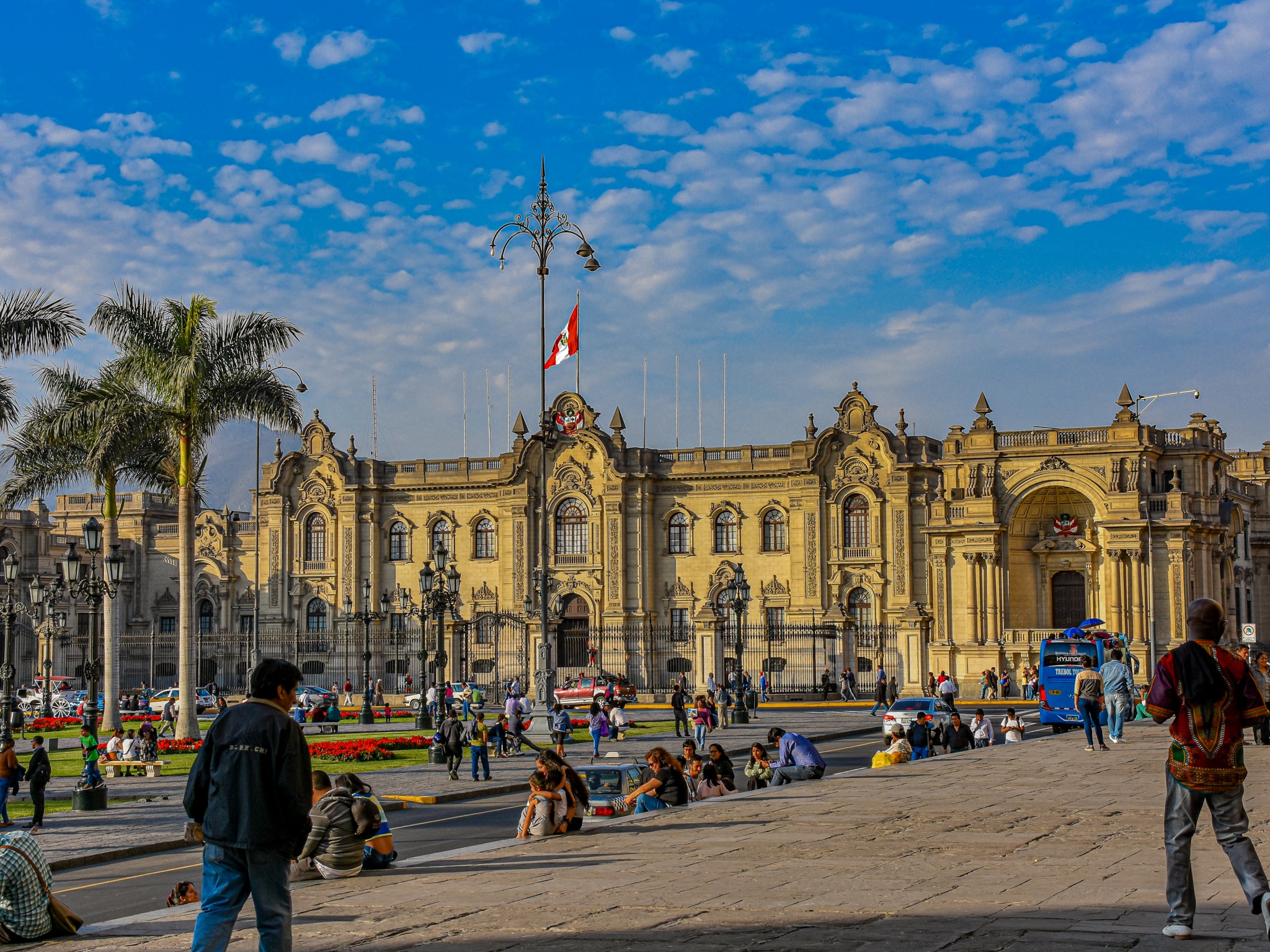
Lima, Peru – A Travel Guide
Lima, Peru – A Travel Guide NEED THE ESSENTIALS FOR BACKPACKING LIMA NOW? ABOUT LIMA | SHOULD I GO? | WHAT TO DO | WHERE TO STAY | WHERE TO EAT | WHERE TO PARTY | Written by Greg Heads up: We sometimes work with companies to provide affiliate links and reviews – here’s what that means. If it’s here, we […]
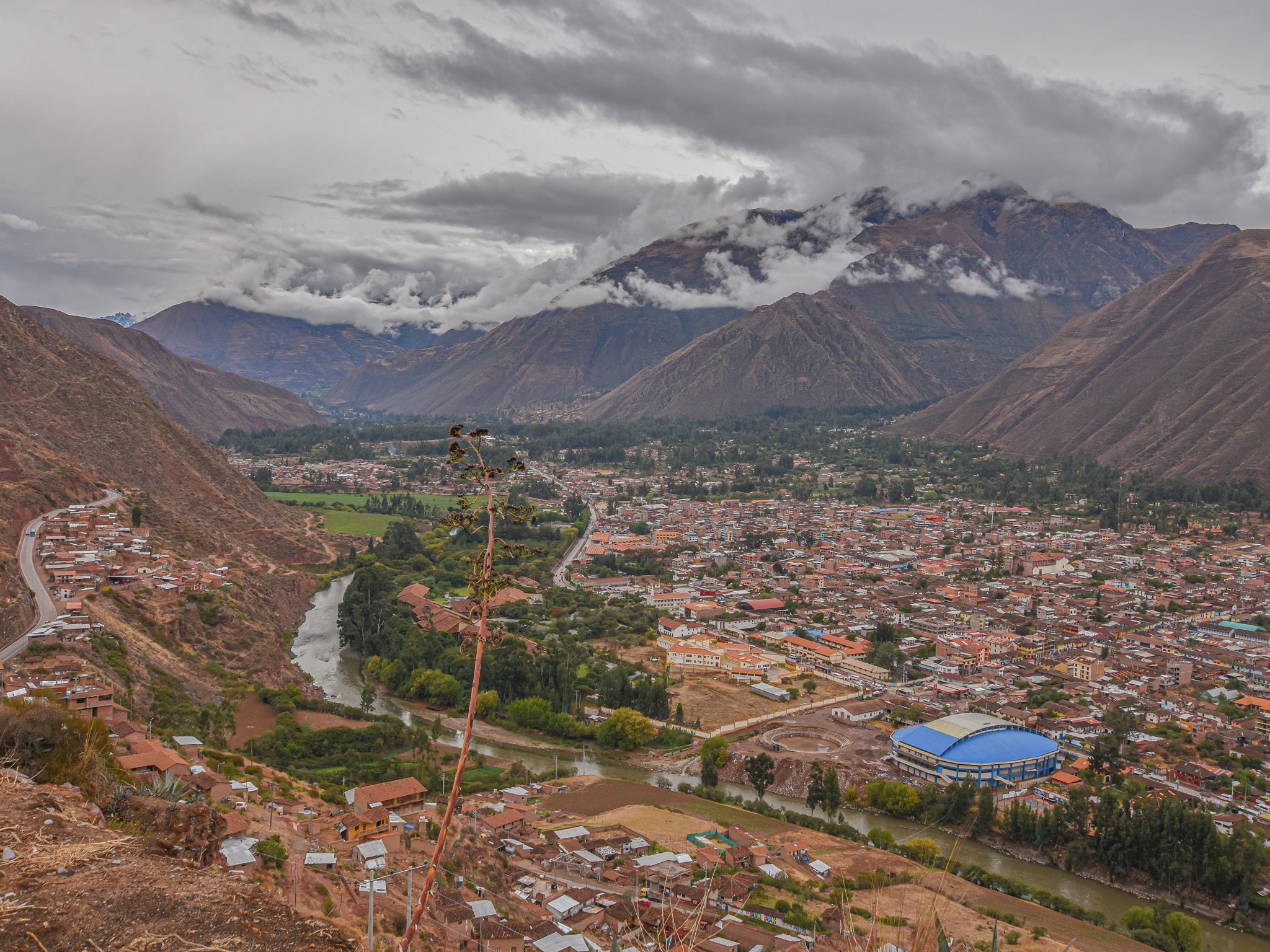
Ollantaytambo And The Sacred Valley
Ollantaytambo and the Sacred Valey, Peru – A Travel Guide | Written by Greg Heads up: We sometimes work with companies to provide affiliate links and reviews – here’s what that means. If it’s here, we use it. We don’t plug shit for profit. Sacred Home of the Inca The Sacred […]
Contents
Where To Visit
Lima
Lima is the capital of this stupendous country, and more importantly, home to the one and only Paddington Bear. The cliff tops of Peru provide views, beauty and opportunity for sports.
Lima provides a vast expanse of history and has been influenced over the hundreds of years by both, Spanish and Peruvian rule. The architecture is a perfect mix, whilst merging nicely with the modern-day skyscrapers and cliff-top restaurants.
Nowadays, Lima is a busy metropolis on the Pacific coast and welcomes visitors throughout the year. Lima has a very westernised feel, yet maintains its rustic and cultural appeal. It is the perfect place to start your backpacking Peru adventure.
Read our full guide to backpacking Lima here.
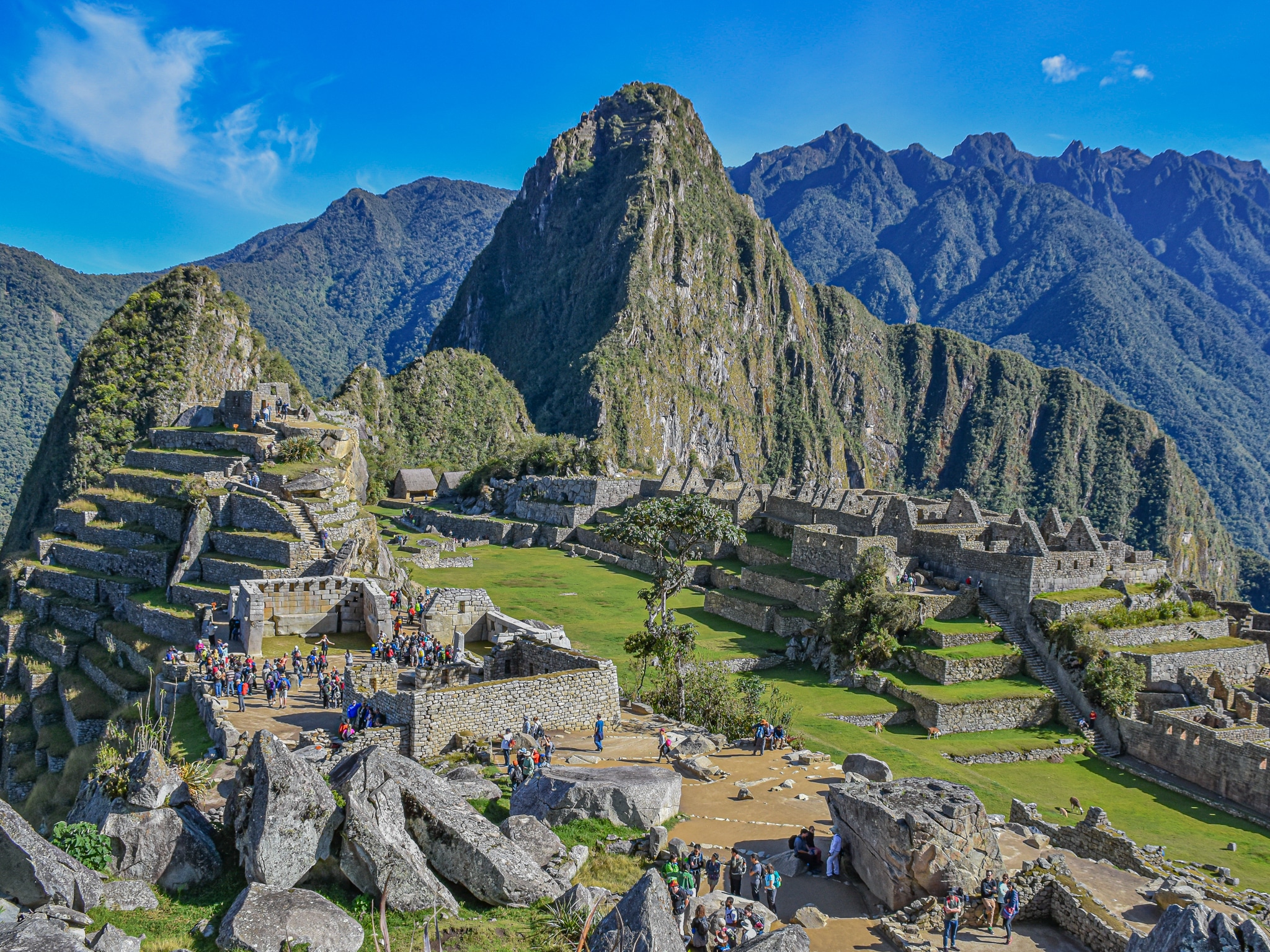
Machu Picchu
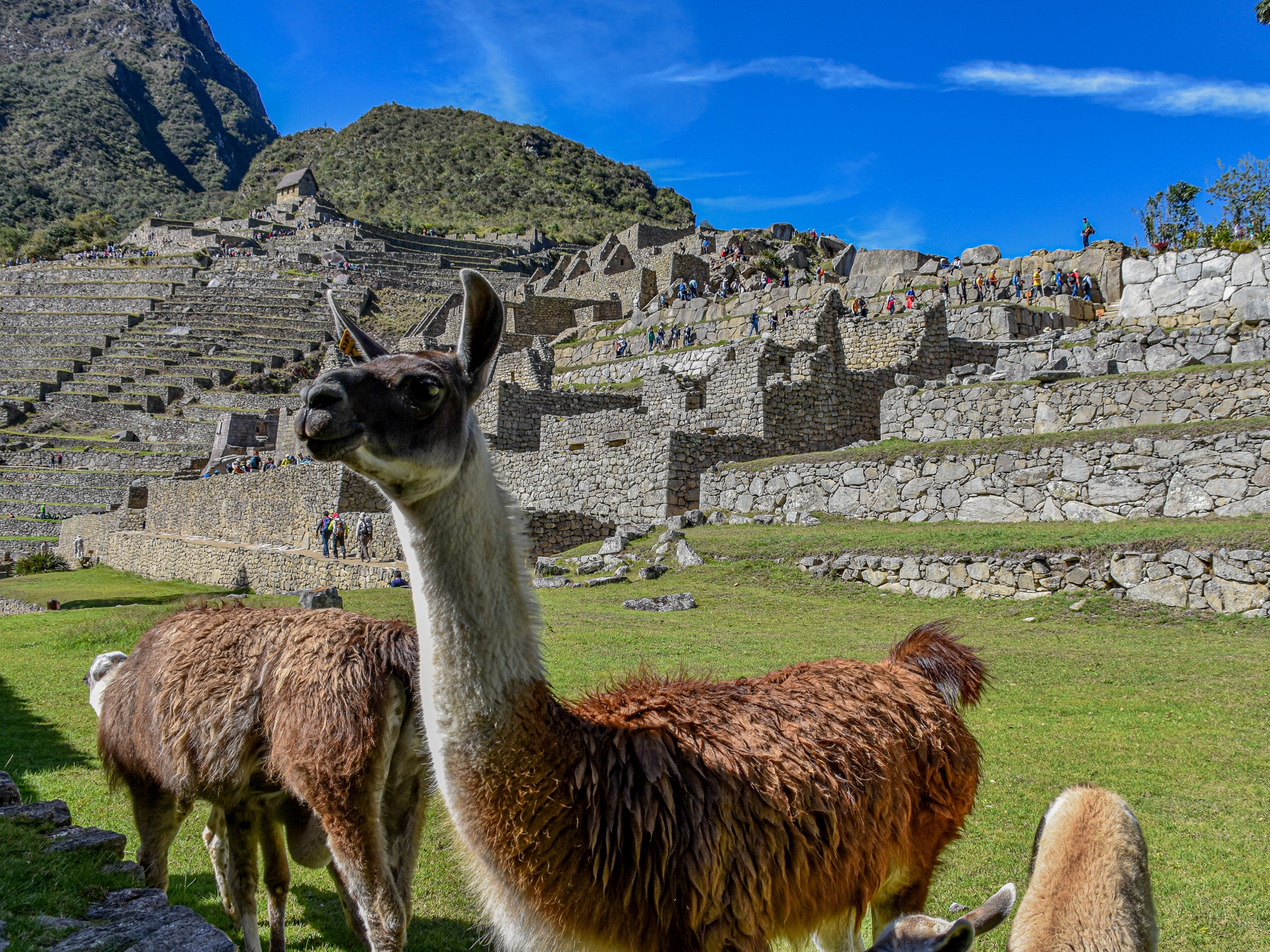
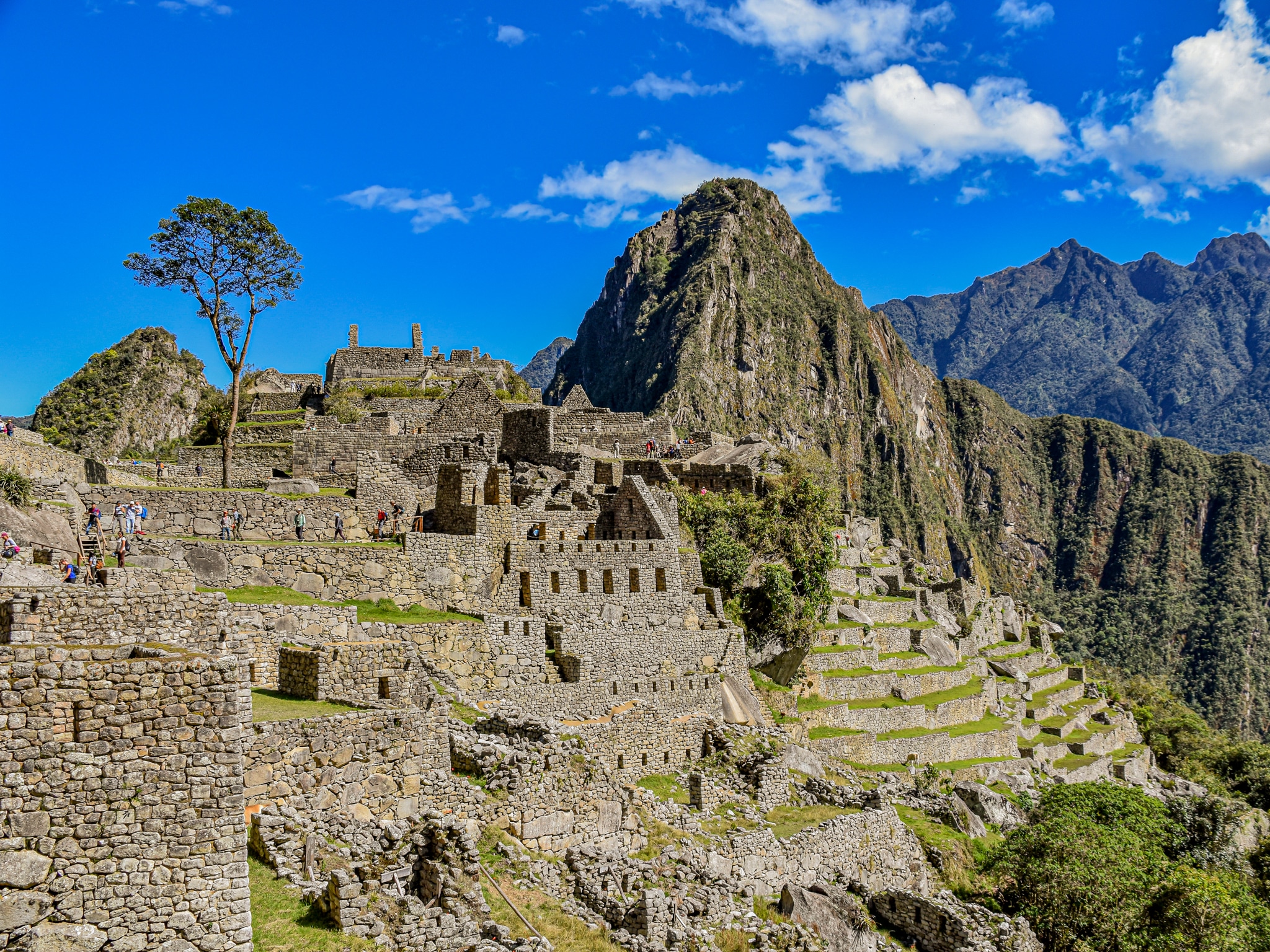
The Incan city of Machu Picchu was built in the traditional stone style of the ancient Inca people in mid-1400hs for the then Emperor Pachacuti. The city was abandoned during the Spanish conquest around 100 years later. The city lay undiscovered other than those few locals who knew of its existence until 1911.
Ever since, stories have shrouded the magical abandoned city, which in turn, has made it not only, one of the seven manmade wonders of the world, but a mecca for explorers within South America. Machu Picchu itself sits over the Urubamba river and the market tourist town fo Aguas Calientes.
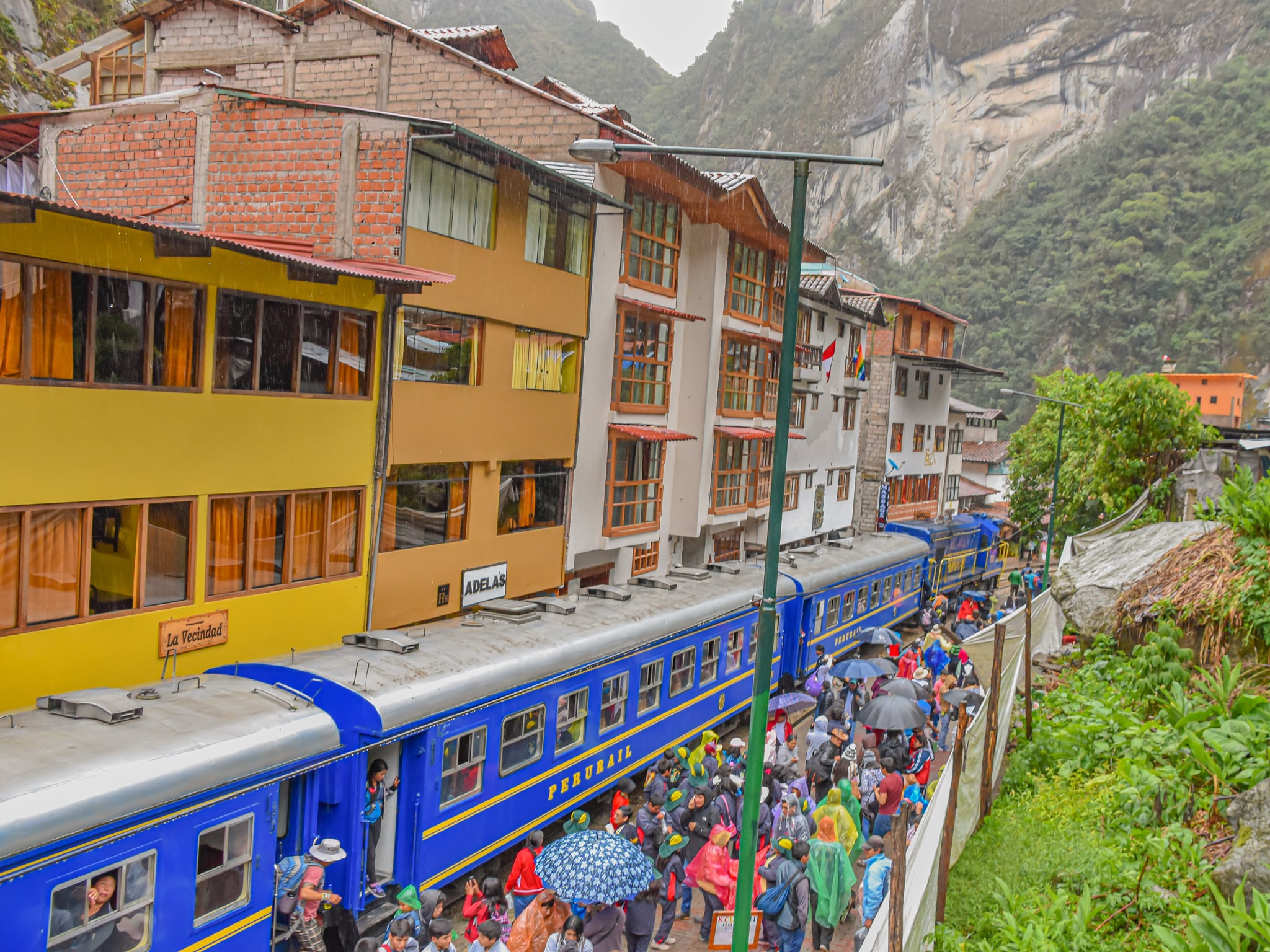
Aguas Calientes is the end of the line for the train, and where most wiery hikers lay their head, after one of the word's most extravagant walks along the Ina Trail.
Read our full guide to backpacking Machu Picchu here.
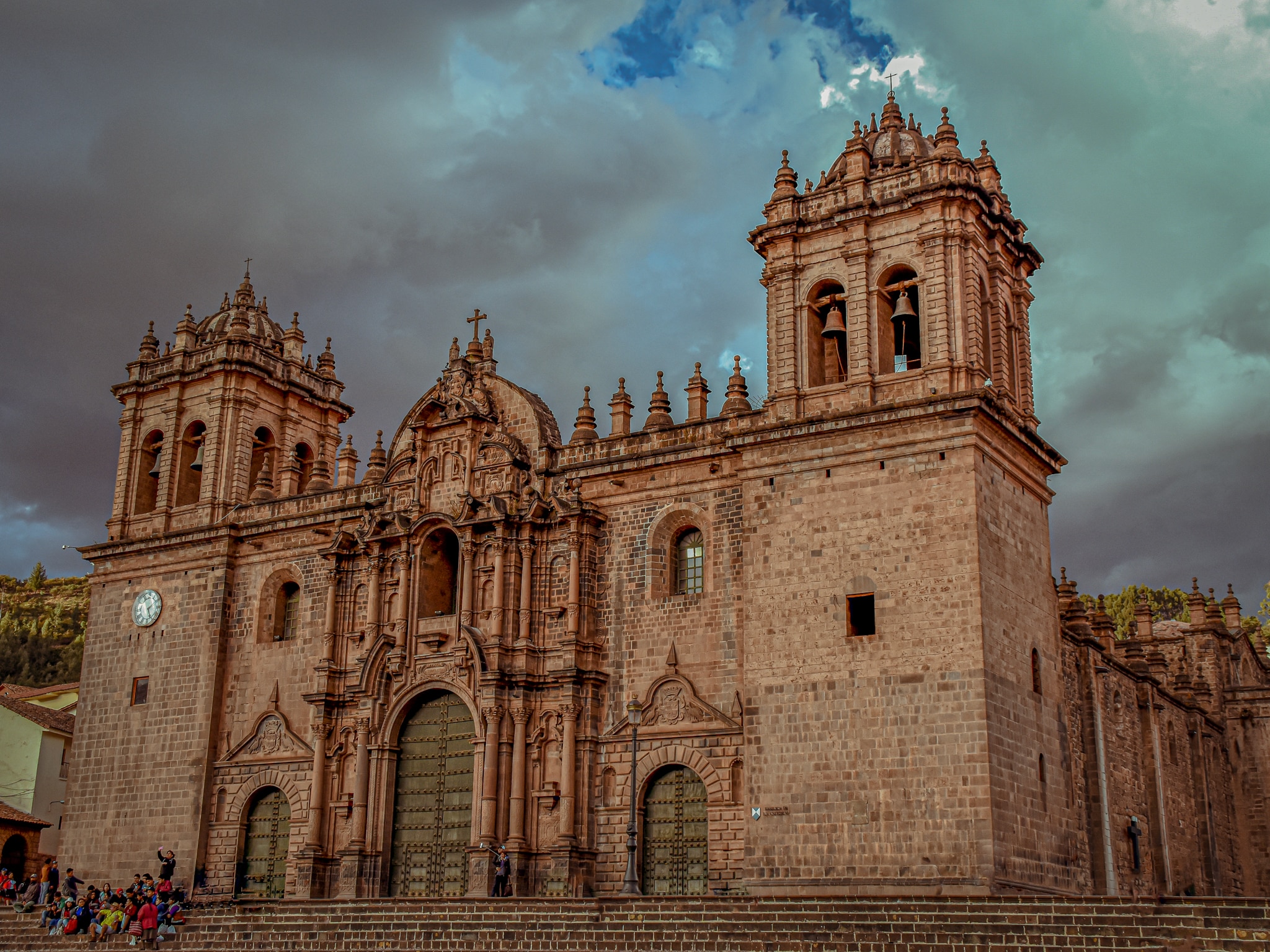
Cusco
The fabulous city of Cusco is nestled into the Ande's mountain range at 3,399 meters above sea level. The city is the old Inca capital, and their influence can still be seen throughout the old quarter. There's also a wonderful blend of old colonial Spanish architecture, especial around the main Plaza De Armas.
The city is awash with sights, smells and sounds, non-more-so than at the market places that weave through the city streets. The Wonderful markets will amaze and surprise you as they contain everything, from the most magical and colourful rugs to cows noses, and an amazing smelling flower display.
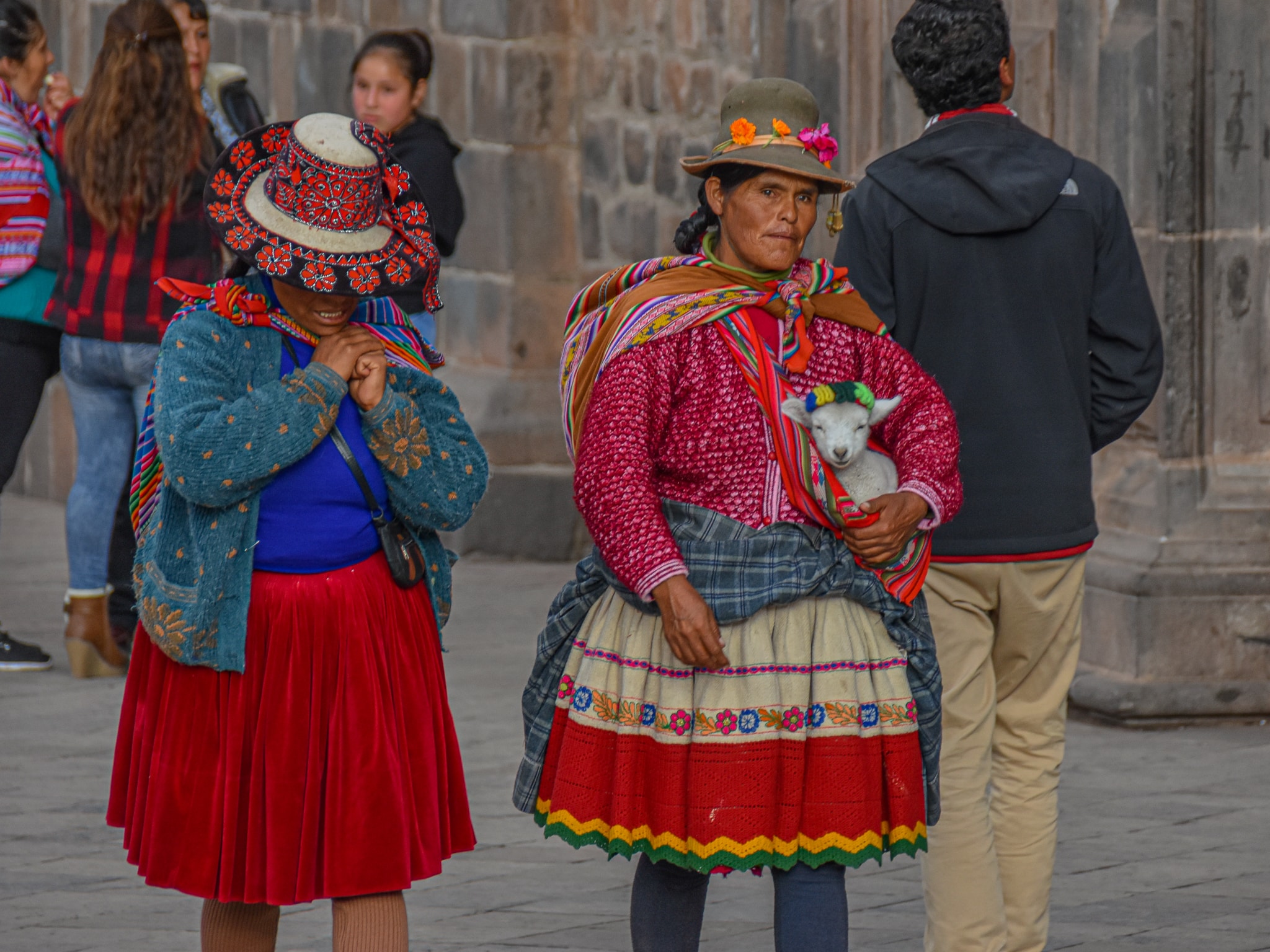
Be prepared for more culture and history in Cusco than you can take in. The traditional clothing that's worn by the locals, whilst beautiful, could easily pass you by. You'll be forgiven as you will be distracted by so many other things, such as the baby sheep the old ladies dress up and carry around with them, or the lama's they walk on a lead around the city.
Cusco is also the best place for those wanting to get the train to Machu Picchu, which I assume you will during your experience of backpacking Peru.
Read our full guide to backpacking Cusco here.
Puerto Maldonado
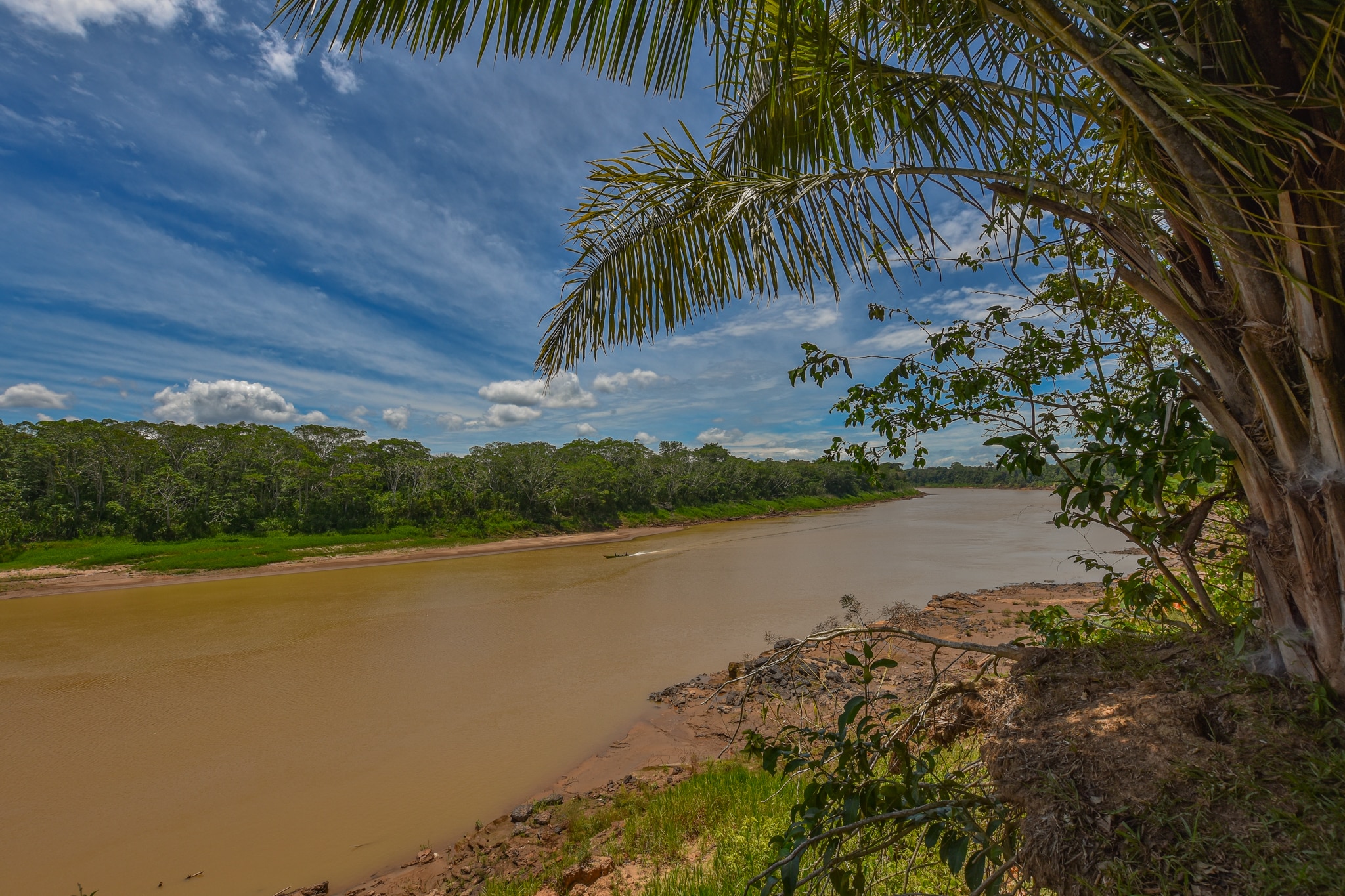
What is a trip to South America, if you don't go to the Amazon?
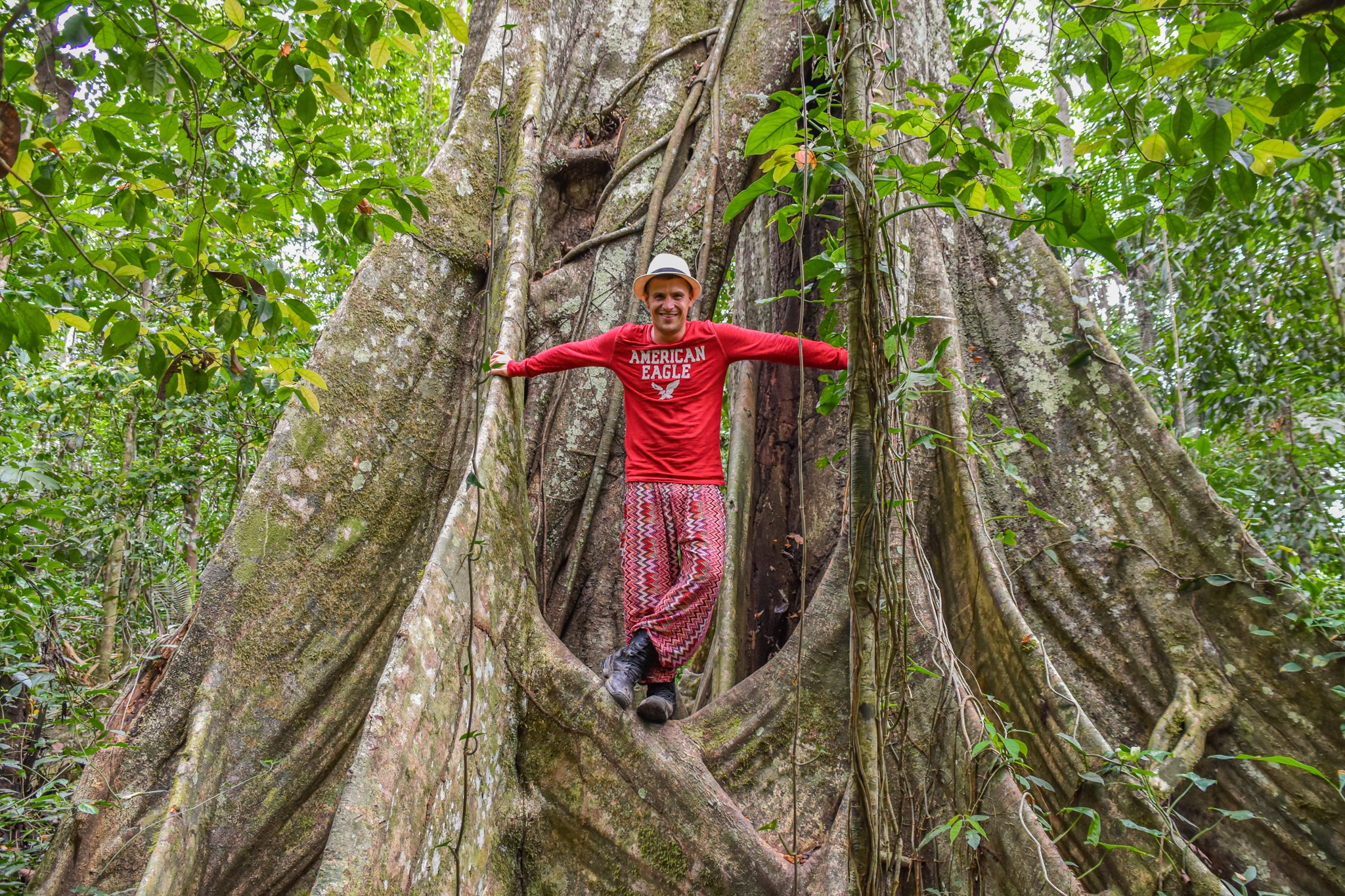
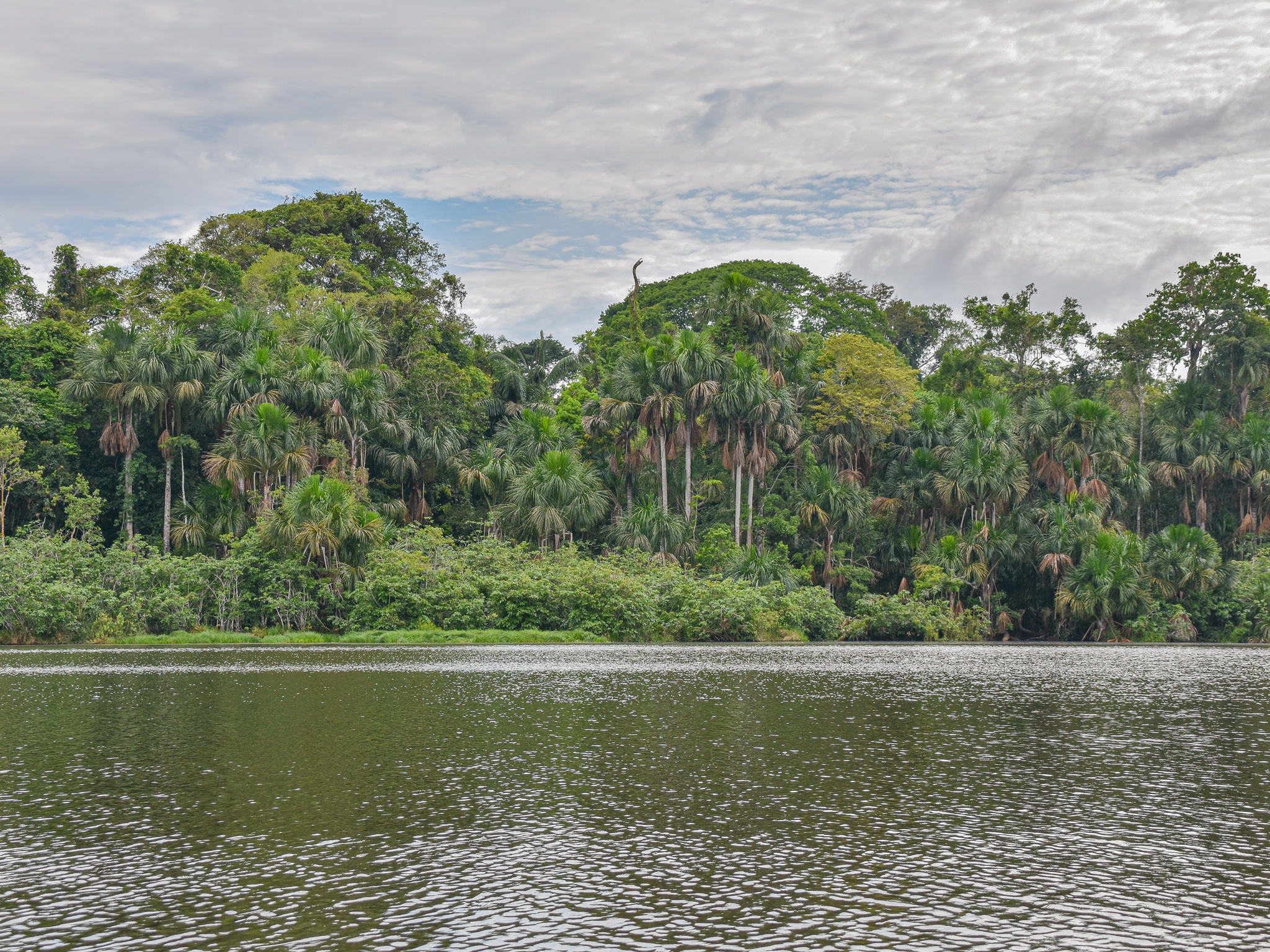
The rainforest covers about 10% of the world's biodiversity, with over 16,000 species of tree and over 2.5 million specials of insect.
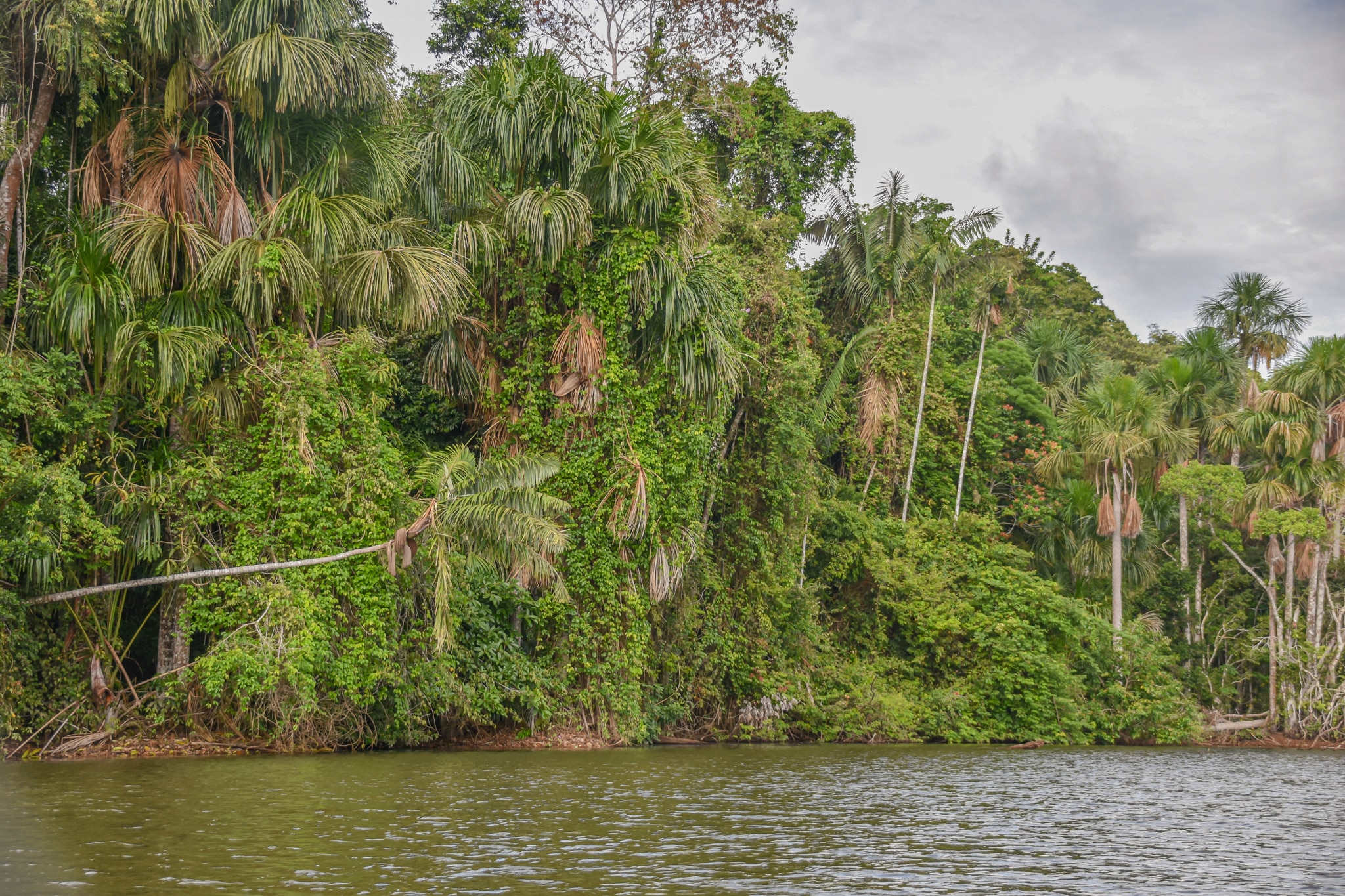
There is something absolutely enchanting about being within the vast network fo rivers and trees. Knowing that hundreds of animals, birds and insects are watching your every move. Noises from the wind and the wildlife fill the air through both night and da. It is easy to forget you're on the same planet.
The Amazon Rainforest is one of the most stunning and peaceful locations I have ever been or even seen. No pictures do it justice, for that, you must live it, feel it and hear it. I have to recommend you make every effort to spend at least a couple of nights here exploring the world beneath the canopy. It will cap off your backpacking Peru adventure in style. As well as provide stories and pictures to show to your friends and family.
Read our full guide to backpacking Puerto Maldonado here.
Umasbamba
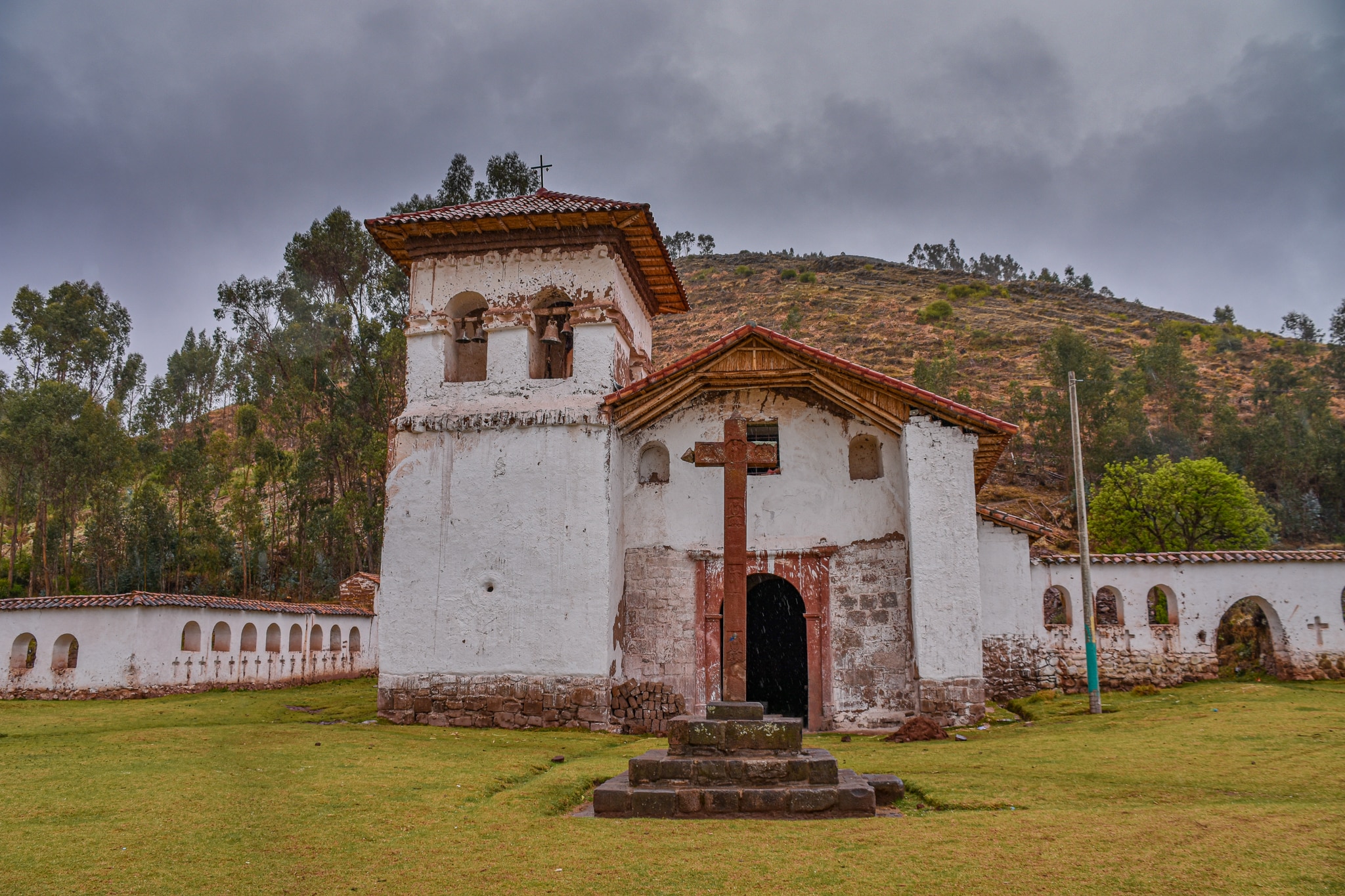
Umasbamba is a tiny hamlet in the Sacred Valley, and not to be mistaken for its larger neighbour Urubamba. The tiny mud huts and dirty roads surround a historic old white church high in the Andes overlooking the Sacred Valley.
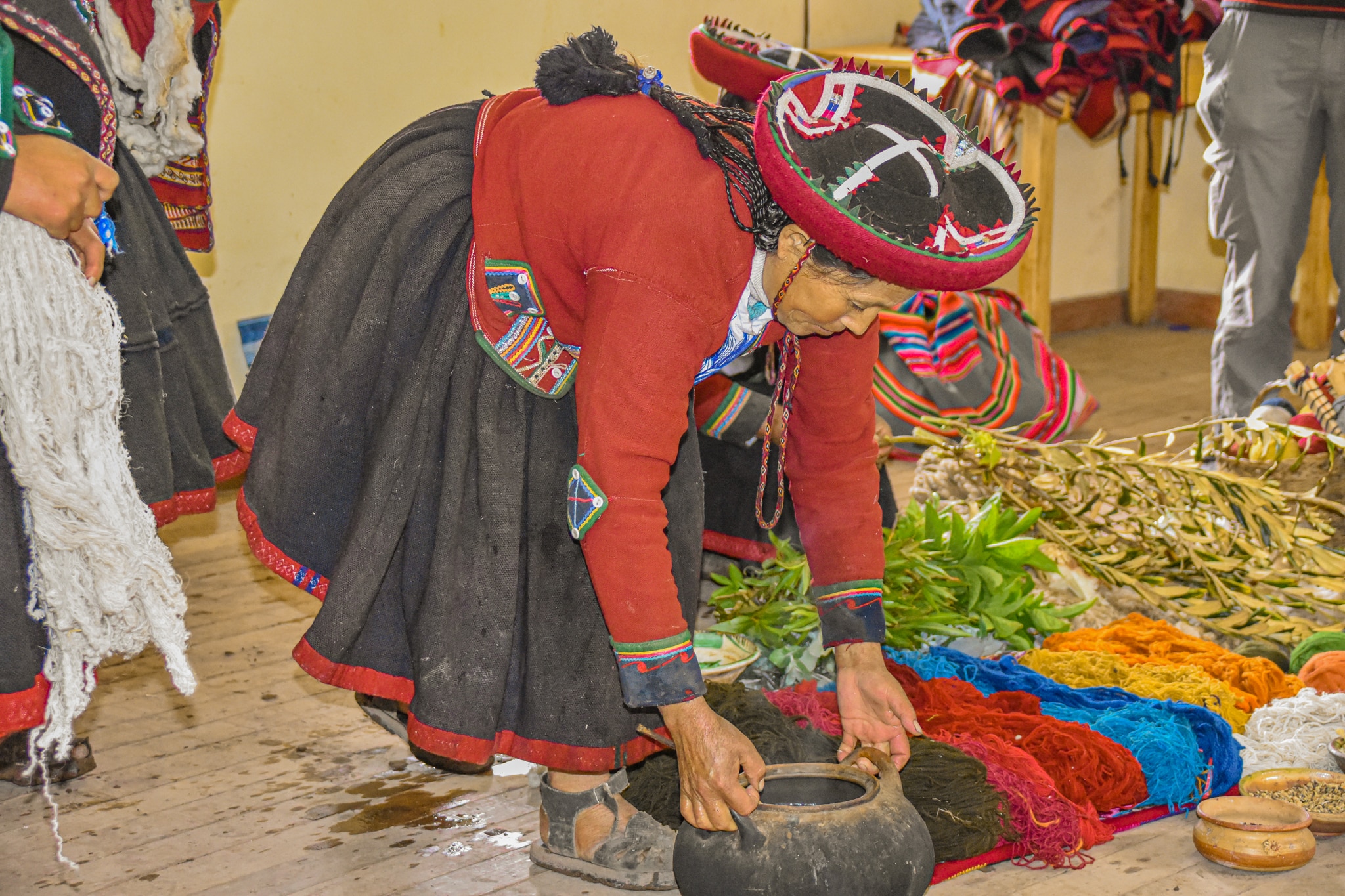
The small village is matched by its small inhabitants, all of whom dress in traditional clothing and eating traditional foods such as guineapig, and freshly picked crops from the farmlands.
This tiny village is a mystical and magical place and one that leaves you wanting to stay. It is places like this where you can buy the traditional handcrafted hats, scarfs, table clothes and so on. You really will not beat the quality, although it doesn't come cheap. If you're lucky you will get to explore the village with the amazing ladies of Umasbama, and if you do they would love to show you how they make their items which they sell at markets in the neighbouring towns.
This, or a village similar to, is worth a stopover, you will not find anything more traditional and heartwarming.
Read our full guide to backpacking Umasbamba here.
Lake Titicaca
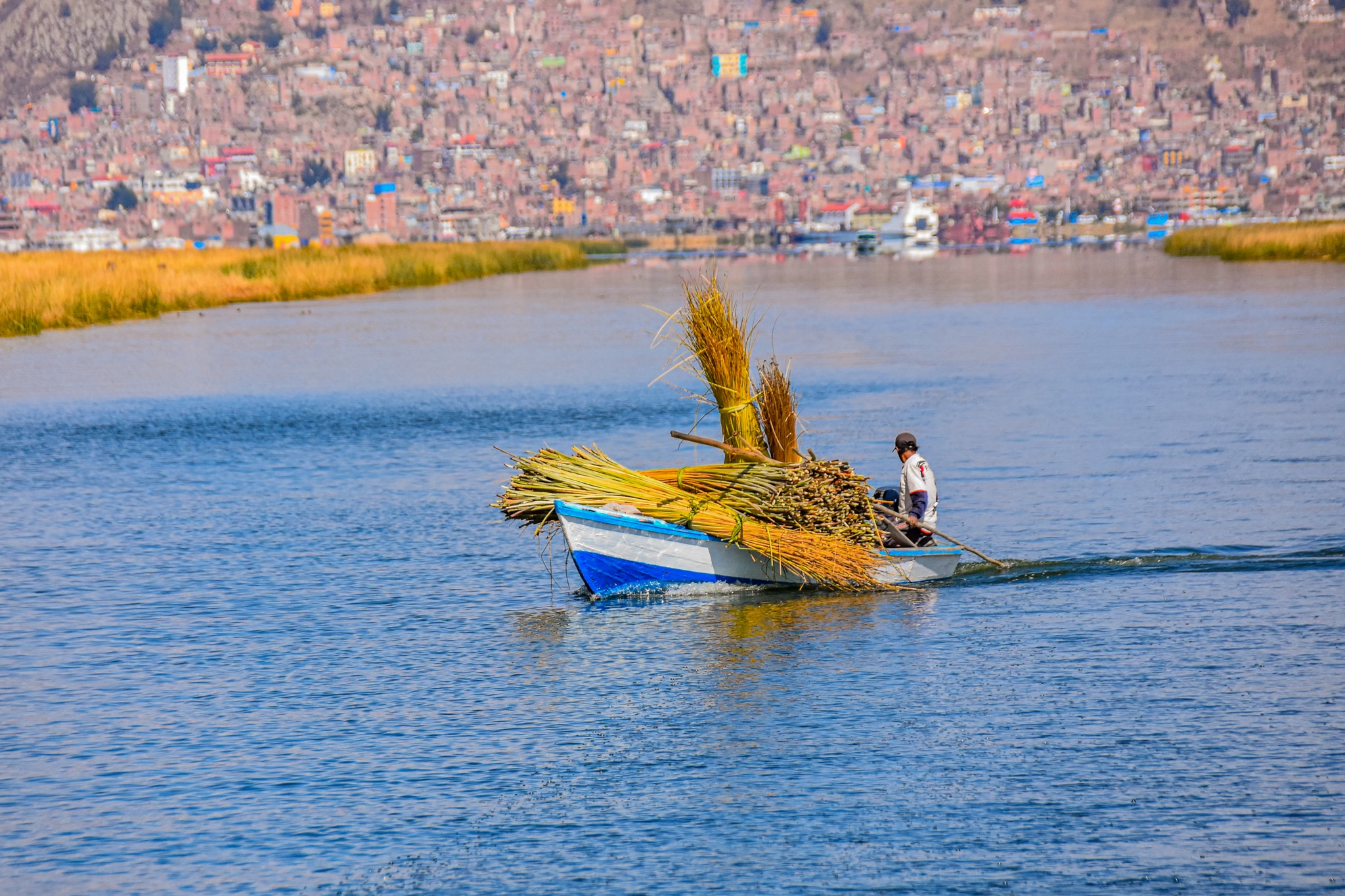
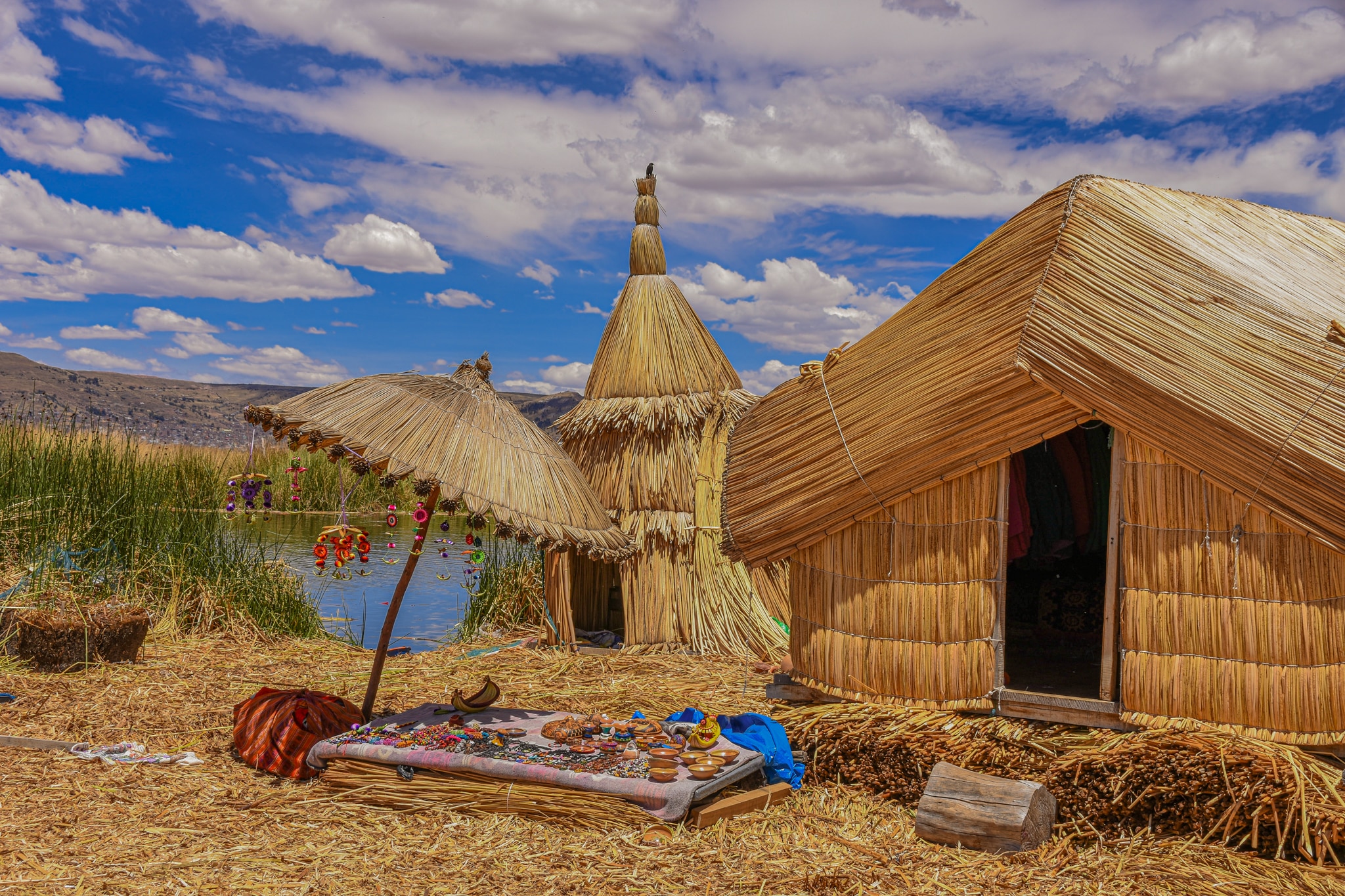
On the southeast tip of Peru, on the Bolivian border, is the fantastic Lake Titicaca. The dark blue waters are home to the breathtaking Floating Islands of Uros. The local people have crafted the straw islands allowing them to live on the lake. The islands, whilst weighted to the lakebed, float with the waves.
The incredible straw houses are a genius design and will have you smiling and laughing from the moment you set foot on the islands.
Other special islands in the lake include the outrageously beautiful Island of Taquile which has a magnificent old church in the main square with views around the island.
Where ever you are on, or around Lake Titicaca, it will add a thrill and excitement to your time backpacking Peru. There is true beauty in all directions, and the people of the lake will make your stay even more memorable.
Read our full guide to backpacking Lake Titicaca here.
Ollantaytambo and the Sacred Valley
The delightful town of Ollantaytambo is the starting point for several tourists looking to hike one of the walks to Machu Picchu. The bright and colourful old market town is surrounded with wonderful ruins, including the staggering Templo De Sol.
The snowcapped mountains and the small but fierce Urumbaba River make for a wonderful setting to a fantastic town.
The Sacred Valley itself plays host to several towns as well as the ever-present river that makes its way south from the mountains. It is easy to see why it is the Sacred Valley, with so many special locations, ruins and Inca stong holds. It most certainly is a valley with beauty, tradition and mystery around every twist and turn.
It is somewhere you must visit during your experience of backpacking Peru.
Read our full guide to backpacking Ollantaytambo and the Sacred Valley here.
What's It Like Backpacking Peru?
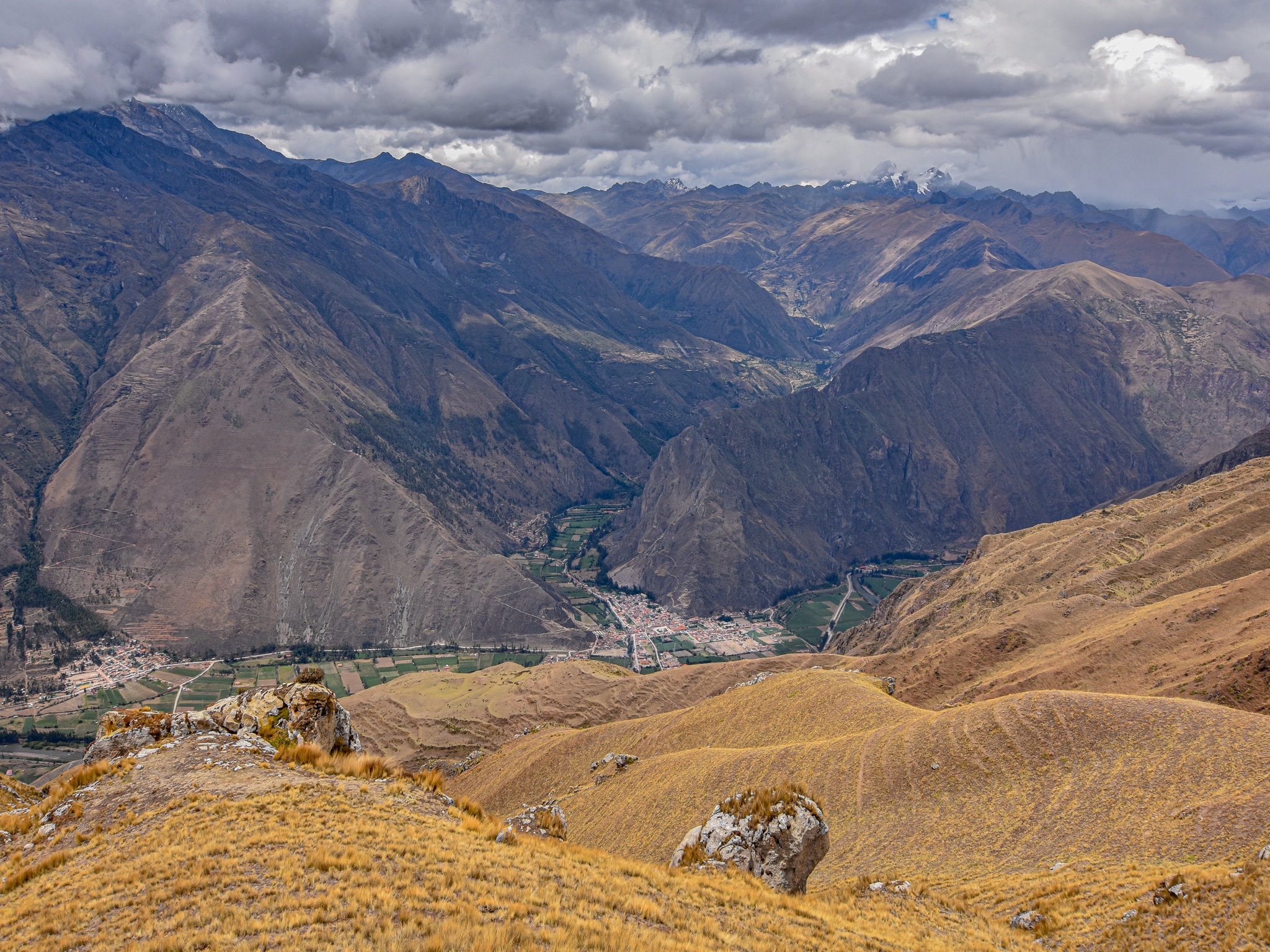
Backpacking Peru is an adventure and one you will never forget. You'll experience pure highs as you cover the extremes. All this pleasure come at a cost, and that's a lot of time spent on a bus, train or plane. The country is so vast, and the terrain everchanging, meaning it's not the easiest place to backpack. Unless you have a good grasp of Spanish or the local dialects you may struggle in places.
The Accommodation
Accommodation varies throughout Peru, adapting to the environment.
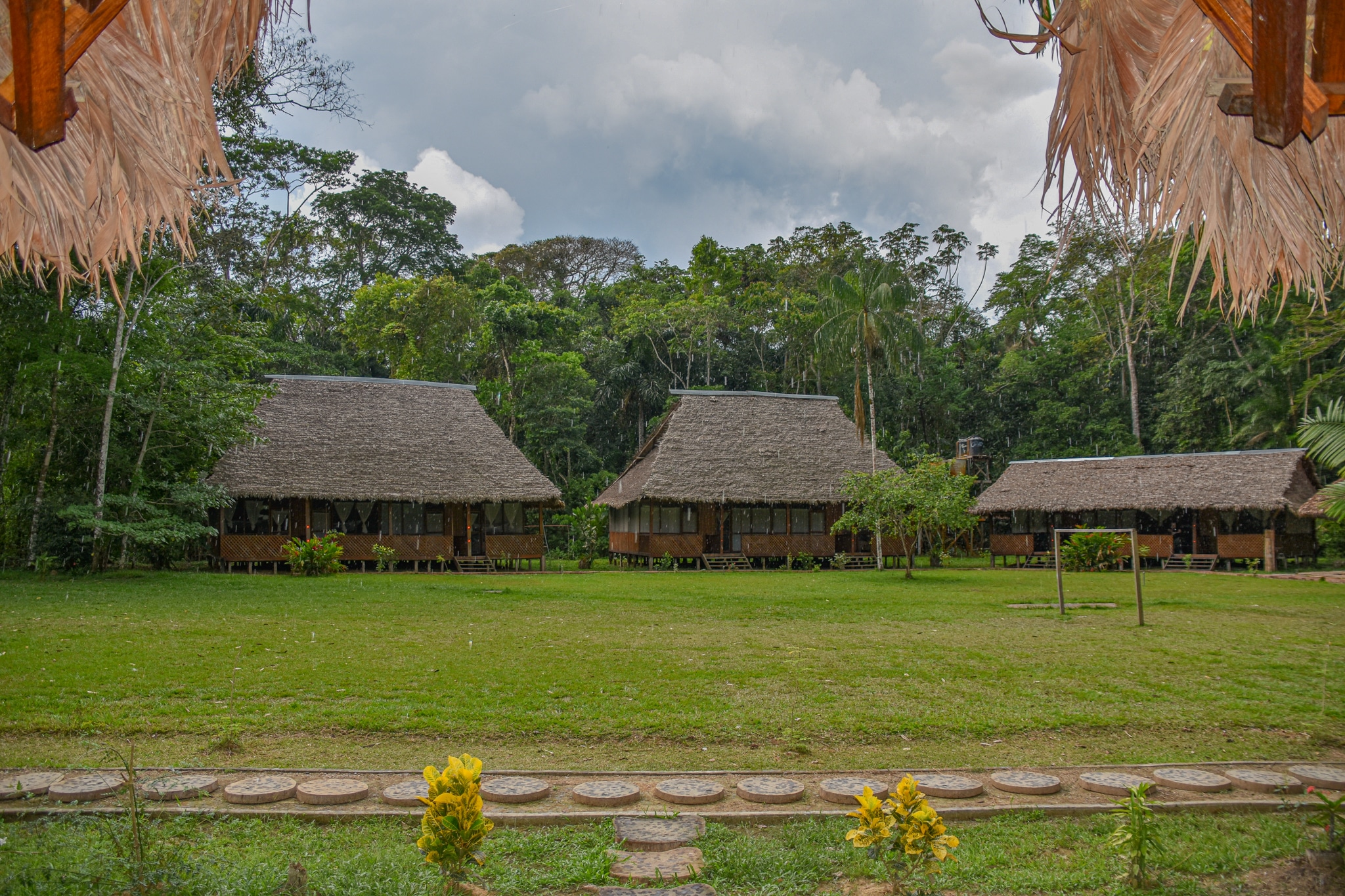
Larger cities, such as Lima, have numerous styles of accommodation, from the larger well-known named hotels to vibrant, fun and busy hostels. Whilst in the Amazon, wooden huts hidden within clearings on the river's edge, whilst limited on amenities, are beautiful in every way. Accommodation throughout the rest of the country follows suits, from the smaller villages to lakeside retreats.
As mentioned, in parts of the country, no amount of money thrown at lavish lifestyles will improve what is essentially a wooden or mud hut. However, in places such as Lima, Puno and Cusco, that if you have the cash to splash you, will find the levels of comfort improve dramatically.
It is at this point, I will provide some advice. You will, more than likely, spend at least four nights hiking through the Andes, probably, to Machu Picchu. Therefore whilst fun and exciting, you will be tired, and your body will take a hit. You should consider levels of comfort before and after the hike. Not spending big bucks on these four nights, or when experiencing the 'traditional' houses, which you should, will mean you have a little extra in the bank to spend on higher levels of comfort when it's on offer.
Check out the likes of Airbnb, Hostelworld and Booking
When it comes to the quantity of accommodation throughout Peru, this is something you will need to consider. Unlike the tourist routes of Southeast Asia, there aren't the numbers of travellers to justify the vast number of hostels and hotels. Whilst, the larger cities are plentiful, you will need to book in advance in certain towns and villages. Simply, think smart, book well. If you're going to visit Machu Picchu, you aren't the only one. The small town of Aguas Calientes, the nearest town to Machu Picchu, is overcrowded and often, during high season, difficult to book.
Check our detailed accommodation guides for:
The Food
Ok, so this is where things get a little unusual. We are entering the world of eating alpaca heart to a guinea pig.
Whilst, to a lot of us, these may seem a little odd, these two dishes are considered a delicacy, and can be found throughout Peru. If that doesn't sound appealing there are other delicacies throughout the country.
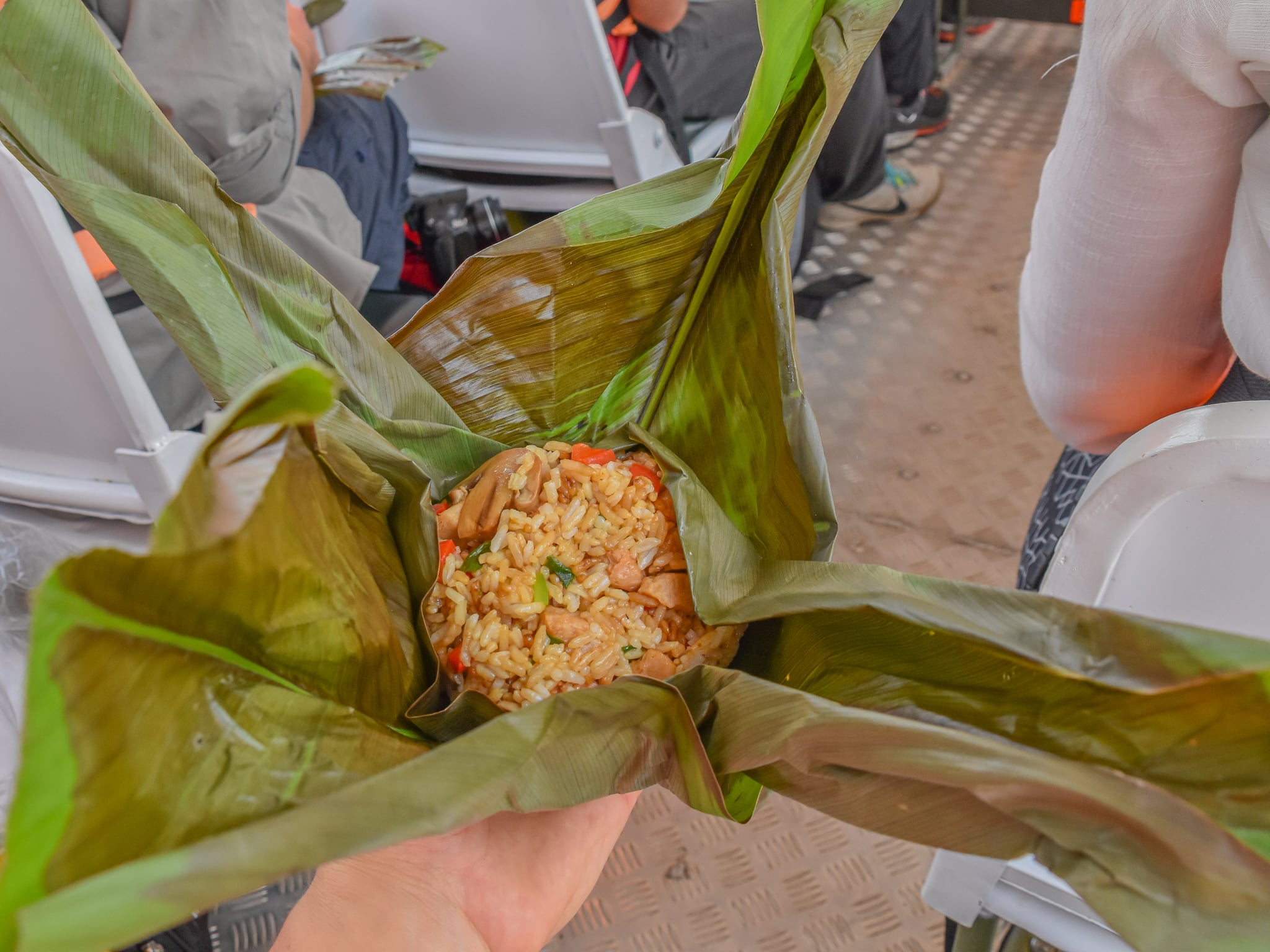
The Amazon rainforest is flush when it comes to fresh foods. Delicious treats grow throughout the forest, whilst the rivers are awash with fish. Whilst, for me, the food in the Amazon was about the best in Peru, it was the presentation and cooking styles that won me over. Foods are often prepped, cooked and presented in large leaves.
A couple of favourite fish include the large surubim catfish and jaraqui, although the prized catch is the epically sized paiche.
Whilst backpacking Peru I highly suggest going all out in the jungle and giving things a try. Grubs and bugs are not only a pesky nuisance, but they are also a meal. Be brave and dig in, they aren't as bad as you may first think.
However, the preferred dish in the Amazon is the wonderful, and personal favourite dish called juane. Juane's main ingredients include chicken, egg and rice with a mixture of herbs and spices all wrapped and served in banana leaf.
In the mountainous Andes, the food is all about warming, heart and heavy foods, such as stew and soups. The majority of the foods are heavily based on veg and meat, namely chicken, beef, alpaca pork, carrot, potato and corn. The Andes are where you'll find the traditional meals of guinea pig and alpaca heart.
There is a wider selection of food in the capital, with well-known brands and chain restaurants dotted throughout the busy streets. Seafood and meats rule the roost in Lima, but again, you will find the local dishes if you look hard enough.
The Culture
You will be forgiven for shouting out Inca. Essentially, because the truly Peruvian cultures have descended from the Inca. You will, however, find out when backpacking Peru that there is far more to discover than first meets the eye.
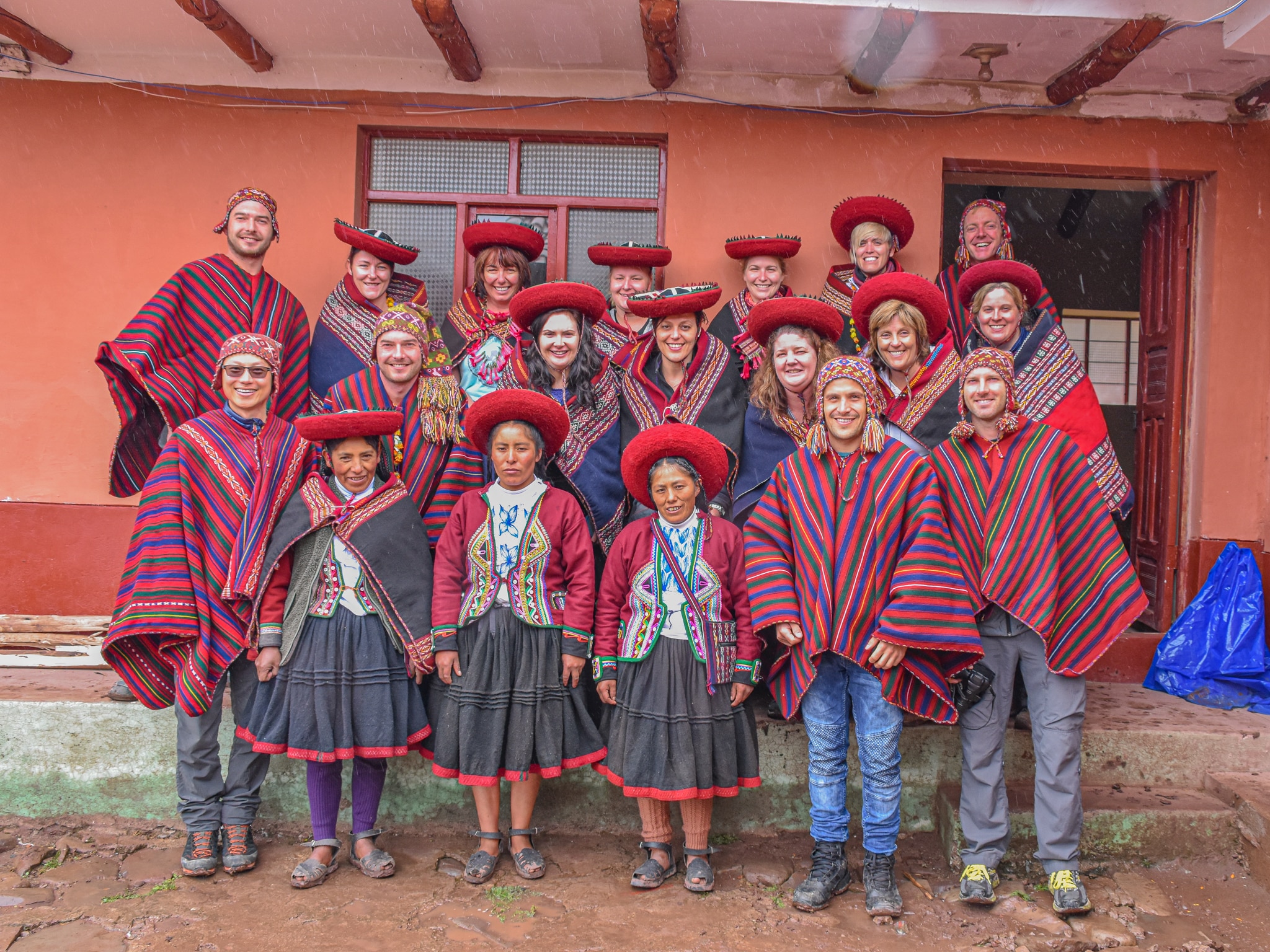
The Aymara and the Quechua both still speak their local dialects and are instantly recognisable through their traditional clothing, housing and lifestyles.
These colourfully designed clothing are more than just an expression of the people. The clothing represents where they are from, what language they speak, their marital and social status within their community, and much more.
Clothing is not only used to identify a person. It is also used within traditional customs such as dance. Dance and music play a big part in Peruvian life. Panpipes and Flutes are as traditional as the clothing, with skills passed through the generations. One of the most popular Andean dances is called the huayno, where those taking part stamp their feet furiously as they fling around the dance floor.
In general, the more traditional areas of Peru are very hands-on with arts and crafts, as can be seen from their homemade clothing. Woodwork, weaving and jewellery making are regarded as an essential skill and is considered more than a pastime. Throughout the jungle and mountains, you will see numerous colourful sculptures on display, especially around the markets.
Nowadays, European and Asian customs have influenced much of Peru, especially around the coast. Since 1532 the Spanish have had the largest influence over the country. Spanish is now the national language, and a whopping 94% of the population identifies as Christian.
The Spanish have also had a massive influence over the architecture, sport and dance. All of which is a big part of life, although is far more prevalent outside the mountainous towns and villages which have remained more traditional.
The Transport
At some point within your experience of backpacking Peru, you will need to confront the Peruvian transportation system. The country is so huge, and the terrain mad on every level that you cannot walk or hitchhike the country. This though is not a bad thing. My experience with transportation in Peru is, whilst chaotic, it works. It's functional, pretty much on time and can be very comfortable.
Comfort is key, and here more than anywhere, it's worth the upgrade as you could be in for long-distance travel and over harsh and inhospitable terrains. That is unless you are travelling by air when you won't need to worry about upgrades.
Roads - The terrain dictates the lie of the land, and therefore the roads. These roads are often weaving up and down mountains and can be difficult to take, especially if you suffer from travel sickness. Road transportation is not ideal in Peru.
It pains me to say it, but I suggest flying, especially when travelling from Lima to Cusco or the Jungle. Flights will help you acclimatise and give you more time exploring the places you want to be.
If you do decide to use the coaches pay for the upgrade. I took one long-distance coach from Cusco to Puno. It was enjoyable, with wonderful scenery, and that is something you miss out on when flying. However, I wouldn't have coped at all if I hadn't of had the upgrade. Just don't even attempt it.
The biggest issue with road travel is not that you have to upgrade to the better coaches. But when you do, it costs as much, if not more than the flights. It's a no brainer. For comparison, an upgraded coach from Lima to Cusco, one way, with aircon, large reclining chairs etc will take around 22hours and cost 166PEN (£36). The flight will take an hour and 25 minutes and cost 115PEN (£25). Admittedly, the bone-crunching standard bus will take 23 hours, but only cost 74PEN (£16).
Trains - Trains are, where possible, a good way of moving around the country. The 'where possible' is where the issue's start. The train network is poor and covers a very small amount of the country, especially when it comes to carrying passengers. The next issue is again price, train travel in Peru is astronomically expensive. A return from Cusco to Machu Picchu, two places that do have stations will set you back around 390PEN (£85) for a three-hour journey. What is this London?
Flying - I would never normally suggest air travel, you miss a lot, but here in Peru, if it's on offer, take it. It's quicker. It's comfy (ish). It's cheaper. It's just better.
The Budget
South America, land of cheap, affordable travel.
Well yes.
That said, backpacking Peru can get a little bit expensive, especially if you are looking to move around the country. Transportation will be your biggest expense, but it's worth it.
So without further ado, our three Far Out budgets are;
The 'Backpacker' Budget
Your only objective is to keep travelling. The secret? Keeping costs at an all-time low. This is the budget for you.
Accommodation - Ok, you may not be where you want location-wise, but you can live throughout the country for next to nothing. Believe it or not, 10PEN (£2) a night can put a roof over your head here in Peru. These places are, however, far and few between. In reality, you will probably be looking to spend around 20PEN, £4 a night.
Foods - When it comes to where to eat, the best advice is to eat local. Stay away from the main plazas, and the tourist restaurants. You will find some absolute gems out there, and for only 15PEN (£3.25). Breakfast is often a little cheaper, so I will budget you a daily total of 40PEN (£8.50)
Transportation - There is no way around this, you will be wearing the soles of your shoes out in Peru. The towns and cities are ordinarily small. Therefore you can easily get by without needing transport.
When it comes to moving between cities, it is a case of flying. Which is the same advice I will be giving to the other budgets we cater for. If you change locations on average once a week, costs will sit at around 115PEN (£25).
In total, that would mean a daily break down of 16.50PEN (£3.50) a day.
Drinks - Luckily, you have a couple of options when it comes to alcohol too. Those two options include pisco sours or beer. The local larger or beer roll in at around 5.50PEN (£1.20) a pint. Whilst backpacking Peru, there will be days on end where you aren't drinking. Partly because you'll be hiking, so a couple of beers a night when you get the chance will not dent your wallet too much. Overall a beer a night would seem a reasonable budget. Thus, 5.50PEN will be your daily alcohol budget.
Overall - Your backpacker daily budget for Peru, including three meals, will come to a grand total of 82PEN (£18).
The 'Travellers' Budget
You've saved for this trip, and you want the ultimate bang for your buck. Money is tight, but you want the best experience. We've got you covered.
Accommodation - In some towns, you'll find cracking little hostels for 23PEN (£5) a night. However, in other places, you will not want to set foot in £5 a night accommodation.
Luckily, with a bit of flexibility, you have the spending power to dip down to the £5 a night places where appropriate. Yet, happily throw 90PEN (£20) per night when needed. I feel this gives you the best experience and the best bang for your buck.
On average, if you roughly bank on a 60/40 split, in favour of staying in a £20 a night location, a rough daily budget would sit at 65PEN (£13.50) a night.
Restaurants - Again you have a decision to make, but either option will result in a delicious meal. Firstly, you can join the backpackers at a locals restaurant. Discover that authentic taste of Peru and devour a delicious Peruvian delicacy.
You will have the funds to occasionally turn to hearty steak and fries from a more westernised traveller restaurant on the main plaza. There is a trade-off, you will probably find there is a little more atmosphere, but the tradition and style will be lost.
As always, I think you have the best of both worlds. A safe daily budget would allow for a 10PEN sneaky breakfast or snack throughout the day, with a further 30PEN (£6.50) for lunch and a similar price for dinner. Therefore a daily total of 70PEN (£15) should see you safely through the day.
Transportation -This is very much Deja Vu, its flights all the way. They are not only the fastest way of getting around Peru but the most efficient and often the cheapest. Therefore, you will be on the same budget as the backpackers when it comes to moving between locations, 16.50PEN (£3.50) a day.
The only upgrade you could look forward to is the chance to take the weight off your feet when exploring the towns and cities. You could consider taking the bus or grabbing a taxi from time to time. A decent 10k jaunt around a city would cost around 55PEN (£12). If you play it right and use a taxi every two or three days it will only add 20PEN (£4) a day to your total daily budget.
Total daily budget for transport 36.50PEN (£8).
Drinks - I'm guessing you've scrolled down to this section first. It's important, isn't it? How many beers can I have a night?
Good news, it's 5.50PEN (£1.20) a pint, which means you will be able to grab a few pints every night. You could even go all out, and have a whisky or a rum for a cheeky 30PEN (£6.50).
Therefore, you could be looking at a decent alcohol intake in Peru, whilst on a travellers budget, of 4 beers and a whisky every night. This comes out at a very reasonable 52PEN (£11.50) a night.
Overall - Your travellers daily budget for Peru, including three meals, will come to a grand total of 223.50PEN (£48).
The 'Daddies Credit Card' Budget
Your trust fund is finally available, and your Instagram followers need to see where you are in the world this week. You farted the other day, and a private jet came out. We haven't forgotten you.
Hotels - Luckily my little cherubs, Peru does do luxury, but at prices that won't stop you also buying that pair of Debbie Wingham high heels for a cool £15 million.
There are a number of fantastic places with some of the most sublime views. Mountain retreats, forest hide-aways and lake-side lodges are all places you will be looking to stay. A couple of names you should look for are Belmond Sanctuary Lodge and Sol y Luna - Relais & Chateaux.
You can drop a cool 3,000PEN (£636) a night on these sort of places. If I had the cash I would be there in a flash. Let us know what it's like.
Restaurants - There are a vast number of beautiful restaurants throughout the country, but for the best of the best, look no further than Central in Lima. Meals here cost a mere 550PEN (£120) a head, and again, whilst I've not managed to try their tantalising tastes I'm sure it's fantastic.
Lunch will be slightly cheaper at these establishments coming in at around 386PEN (£83).
Thus, once you throw in breakfast, your daily budget for foods in Peru, are going to be in the region of a small countries yearly budget. A decent 1000PEN (£215) a day should see you through.
Transportation - Sadly, no matter how much cash you have, you will not be any better off than those on a budget. The only way to getting anywhere whilst backpacking Peru is to fly.
Unless you are going to hire a privet jet or helicopter for the hour or two's flight then you'll be with everyone else. At least you can put some extra cash towards gifts from around the country.
I will, however, add a little something to your budget so you can get a taxi whenever you so wish. Total transportation daily budget - 100PEN (£21.41)
Drinks - Again, whatever your heart desires, you shall have. Nothing is out of your price range, be it beer, wine, whisky or rum. A decent bottle of Argentinian or Chilian will set you back around 45PEN(£10). I'm gonna give you a good budget for a night out, a bottle of wine and a couple of whiskeys should comfortably come in at 110PEN (£24).
Overall - Your daddies credit card daily budget for Peru, including three meals, will come to a grand total of 4,210PEN (£900) a day.
The Best Things To Do When Backpacking Peru
Hike to Machu Picchu
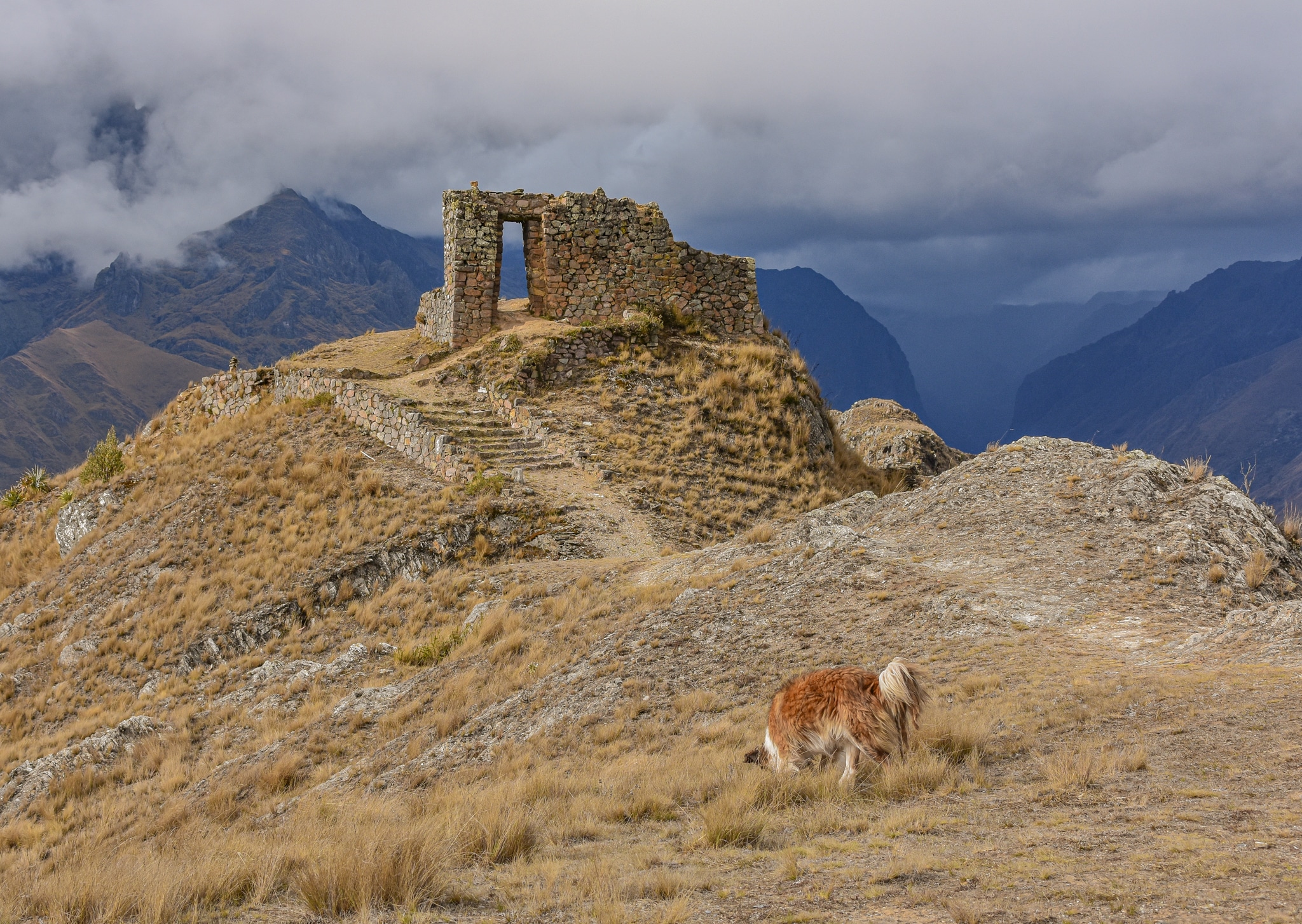
No matter what hike you chose to do, be it the famed Inca Trail, the higher, longer Salkantay Trail or one of many other routes the Inca took, you are in for a treat. Admittedly, other routes mean you will not arrive at Machu Picchu via the Sun Gate. You will have to find your own way to Machu Picchu and enter with the crowds through the main gate.
However, don't let that put you off, the other hikes pass stunning snowcapped mountains, ancient ruins, beautiful countryside and provide unmissable views. Each hike will create a story, a memory and something that you will look back on as an achievement.
You can also walk up to the sun gate during your visit of Machu Picchu, so do not fear, or think you've missed out if you cannot get a pass for the Inca Trail. That said, it is the one hike that ends at Machu Picchu which makes it extra special.
I have done many hikes, in numerous countries across a number of continents. I've seen old ruins and walked among ancient buildings, but Machu Picchu was special. It left me with a sense of pride, a sense of real achievement. It is a special place, and writing about it brings back amazing memories.
Machu Picchu, whether you walk it, or just visit it, it is a sensational experience. It's a special place. It is, of course, my number one thing to do whilst backpacking Peru. You get everything in one activity.
Spend Time in the Amazon Jungle
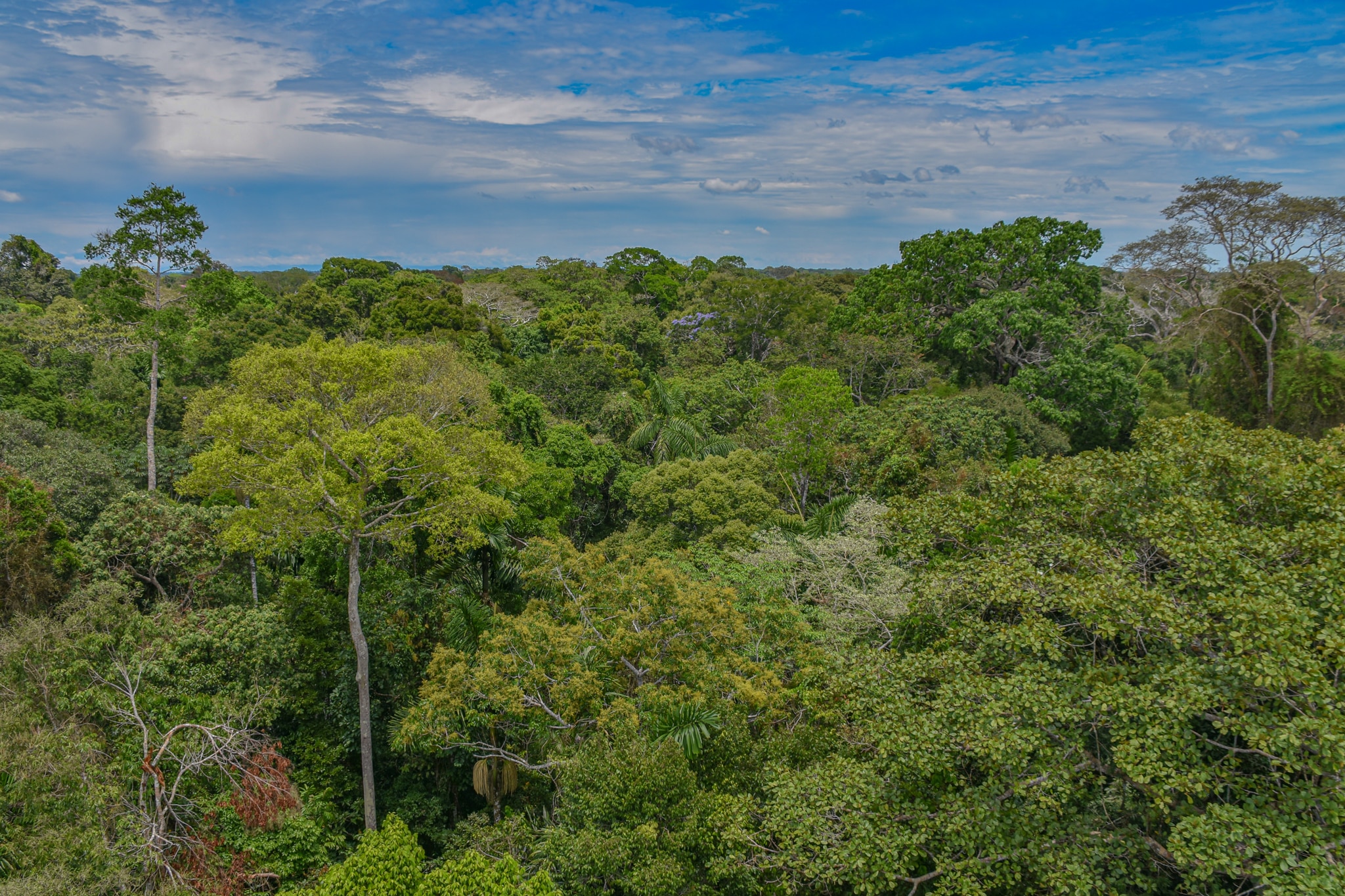
The Amazon Rainforest, we have all heard of it, most have dreamed of it, and yet, very few of us have explored it. Even fewer have managed to live within the wonder that is the Amazon Rainforest.
It should be enough of an inspiration to want to explore the worlds largest rainforest, which contains the world largest river by volume; the Amazon. If, however, that isn't enough, it also contains several million specials of birds, insects, mammals, reptiles, plants and other forms of existence.
No other environment can provide a setting like a rainforest. The wildlife sing, scream and bellow around from the creepy crawlies to the jaguars and large cats to the howling monkeys and birds in the treetops. If you are a nature lover, this should be the only place you dream of tonight. If you are backpacking Peru, and want a chance to see the jaguar and the other incredible species within then you simply must explore the Amazon Rainforest.
There is such an array of colour in the Amazon, be it the amazing birds, the shades of green or the butterflies that line the fearsome river edge. You honestly cannot miss out on this experience.
It's too perfect, and we just need to protect it with every fibre of our bodies. Together we can do it.
Speed Boat Around Lake Titicaca
Experiencing Lake Titicaca whilst backpacking Peru, will, I'm sure, be a highlight.
You may be forgiven for thinking Lake Titicaca is like any other lake, there will be water, fish, and a rocky waters edge. But you'd be wrong. It isn't 'just another lake', it's far more than that. There is so much to see in and around the lake, from traditional villages, carnivals, island hideouts and that's before we even mention the floating islands of Uros.
Puno is by far the largest city on the lake and is where you'll find a hive of activity, with regular processions throughout the streets, full of noise and colour. In comparison, you'll also find smaller traditional towns, such as Llachon.
Here you can stay in mud huts, and play volleyball against the locals. You will quite literally be dressed in tradition, as you try on the local clothing, eating the local foods, and enjoying the culture of the town.
The wonderful floating islands are, however, the highlights of the magnificent rich blue lake. There's so much culture around the lake, you could easily blow a few days exploring the shores of this, the worlds highest navigatable waterway.
Visit A Traditional Village
There are hundreds of tiny traditional villages in Peru, and whilst each has its own culture, routine and ways of living, they all have their similarities. No matter, which village you chose to visit, be it the lakeside Llachon, the desert home of Ica, or the mountain village of Umasbamba, you will be in for a treat.
You'll experience such kindness from everyone, all wanting to show you their way of life. The people of these villages are so proud to show you their heritage, and skills, it's an honour to experience. If they offer you a tour of the town, take it, if they offer you food try it, if they offer you wisdom listen. These people are fantastic.
Everything has a meaning, and a story, including their clothing. Each villager will know where another person comes from, based purely on clothing. Some stories are a little more brutal than others but are worth a listen.
It's fascinating, but after all, they are also trying to make a living. If possible, try and buy something from them, no matter how small. If they aren't selling anything, it would be great to donate and give thanks for their time and effort, and for being so welcoming.
Preparing to Backpack Peru
Suggested Itineraries
As you can imagine, with the utter size of Peru, there are so many places to visit and even more itineraries to take. You have countless options and can customise your trip around what you want to see and do. Below, I have given you three tours, all of which visit the mystic wonder of the world: Machu Picchu.
None, however, have any spare time, it's go go go if you want to see it all.
Ideally, you'd have more time than the options I've given, but I am trying to show what you can fit in if you are short on time.
In the three itineraries below, I have included the shorter, three or four-night treks. I have done so to allow you to fit in other activities. If you wanted to spend longer on some of the trails, you can. If you are only concerned with hiking the Inca Trail, book your permits at least 6 months before your tour. That way you should guarantee you'll get a pass.
If you didn't manage to get a permit in time for the Inca Trail, do not worry. Several Inca hikes start around Ollantaytambo and take similar times to complete. Despite asking the tour company I booked with, many times if they had sorted my permit, and swearing they had, they hadn't. Meaning there were no more permits, and I was stuck with the Inca Quarry Trail.
Whilst obviously gutted, the Quarry Trail went higher than the Inca Trail, which healed some wounds. Basically, whichever you end up doing, you're in for a treat.
On these itineraries, I will talk about the trail I hiked. If you're hiking the Inca trail, simply sub-out the Quarry Trail and add the Inca Trail.
The Inca Trail
8 Days
Come with us and explore the enchanting world of the Inca's. You'll get to walk the Inca trail. Visit the cultural Inca capital of Cuzco, and visit the fantastic markets within. Experience a piece of history here in Peru's Sacred Valley.
Day 1 - Arrive in the pulsating, coastal capital of Lima, and relax into your accommodation. I recommend the hostel I stayed, the Healing Dog Hostel. I found the hostel, warm, cosy and friendly with a great atmosphere. Not to mention, it's only a short walk to the beach and the clifftop restaurants and shops.
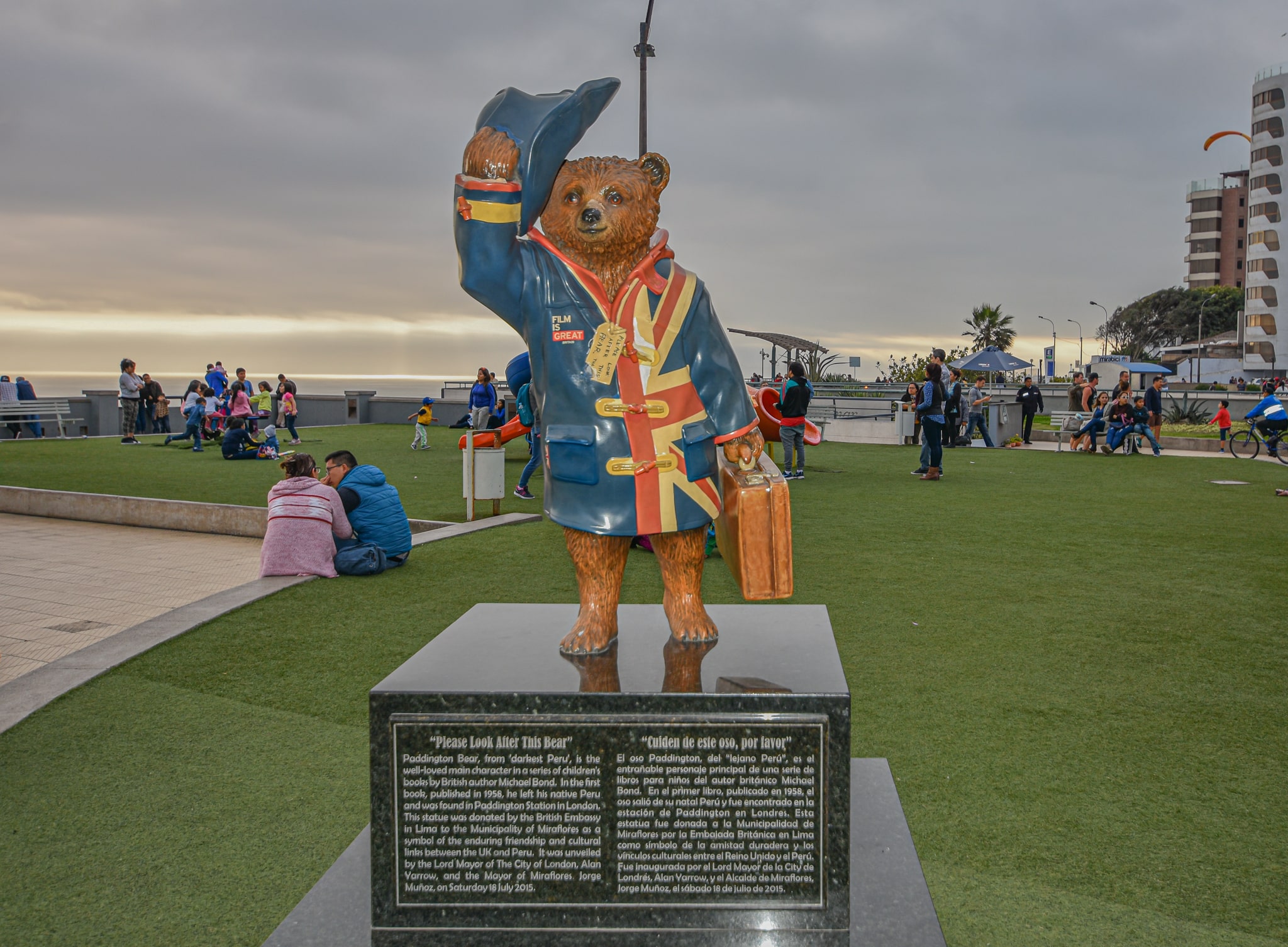
Once acclimatised, explore the delightful Miraflores district, perched high overlooking the Pacific Ocean. After all, it is here that you'll discover one of the worlds most famous bears. That's right, as the story goes, the elusive Paddington Bear is from left Peru, for the UK. His statue still stands in Lima, so be sure to find it, and take a photo with him.
After you've found Paddington, head into one of the clifftop restaurants. Each with remarkable views over the Pacific. Watch the paragliders take off in their droves, as you sip on the first of many drinks in this, the exciting world of Peru.
Day 2 - Having only eight days backpacking Peru, you've got a few early mornings ahead of you. Meaning you'll experience as much of this amazing country as possible. Consequently, you will be moving around the country more often than I would like. It's a comprise, with the time scale you have.
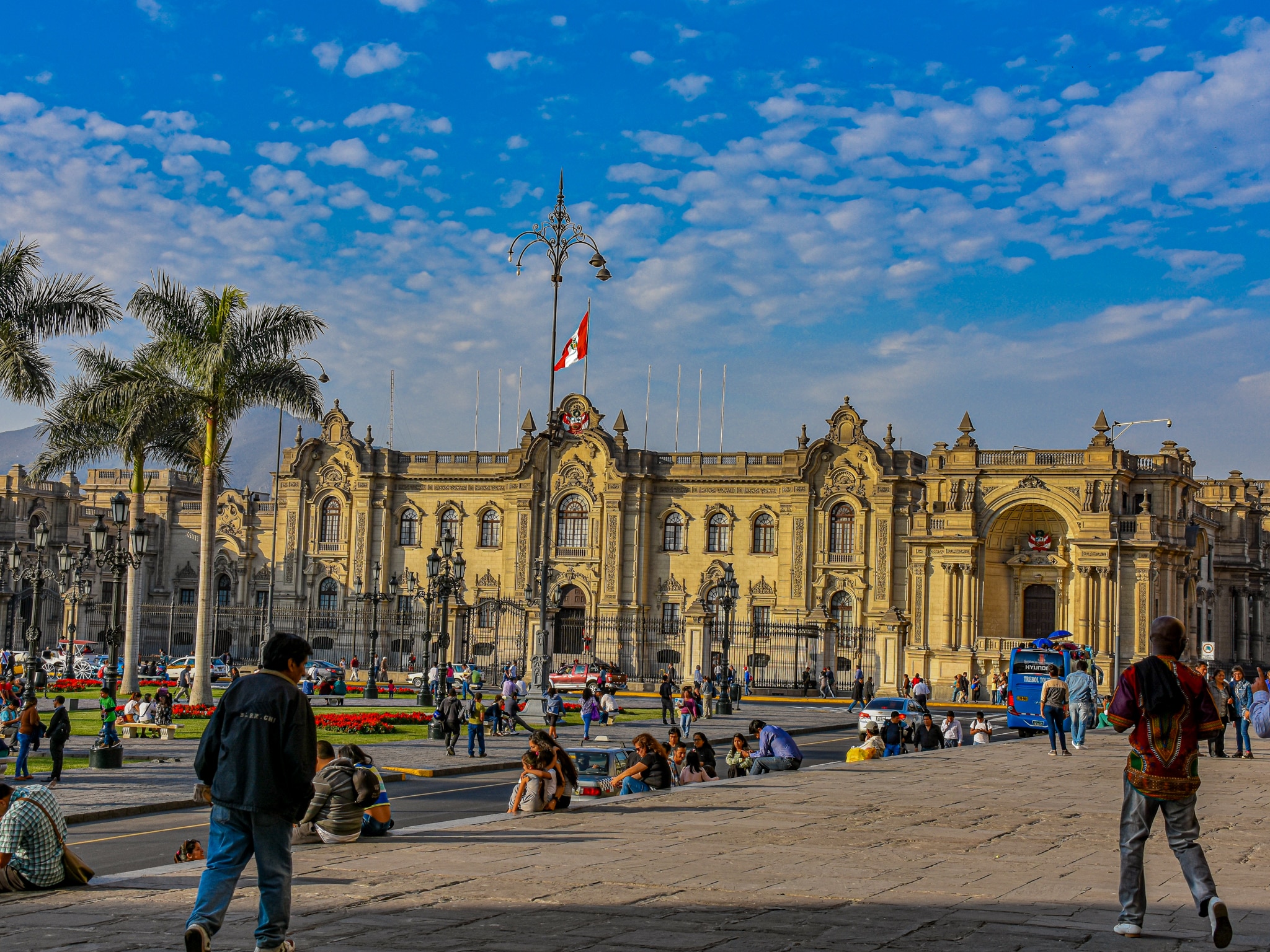
Hence, today is the first of your early starts. Take part in a morning walking tour of the city. But make sure it includes, and you'll hear this name a lot in Peru, the Plaza De Armas (meaning: the main square). This stunning, graceful and sophisticated square has magnificent architecture throughout. As well as providing a horticultural masterclass with colourful displays in all directions.
You could spend hours looking around the city, but you have an afternoon flight to Cusco to catch. Luckily, the flight is only around an hour and a half. After landing, dump your bags at your accommodation and explore. I stayed in Antawasi Cusco and thought it was brilliant. Spend an evening in your second Plaza De Armas, walking the narrow streets of the old town. You'll soon see how the Inca's decided to call this glorious city home.
It might be worth an early night, as tomorrow will be an early wake-up call. If, however, you fancy making the most of Cusco, which you should, there is plenty to do. San Pedro Market, whilst better in the mornings is entertaining. It does though, shut at around 6 pm.
Other options are; to see the ancient Inca ruins of Qorikancha, relax outside Cusco Catherdral or relax in the coffee shops of Plaza San Blas. This Plaza is something special when it's lit up at night.
Day 3 - Day three is the start of why you chose Peru. Simply, its the beginning of a bucket list item. Because today, you're starting your hike to the stupendously beautiful and enchanting city of Machu Picchu.
It is, however, another early start. Depending on who you have booked with, the pick-up time in Cusco will be around 6 am. Once onboard, you'll head off to the Sacred Valley, just outside Ollantaytambo. Again, depending on who you booked through and what trail you're doing, you'll probably be given breakfast before you start your hike.
The Quarry Trail starts in Choquequilla, where the Inca would gather, to worship the moon. From there you'll head to a small mountainside community of Socma. It is here you'll enjoy your first rest before moving up the mountains to Perolniyoc cascade a monstrous waterfall.
You'll be pleased to know you will have another break in this natural beauty spot before the final push to camp at around 3,700 meters above sea level. Arriving in camp feels like winning gold at the Olympics, as you finally kick off your day bag and relax.
The air is thin at this altitude, and it can catch even the fittest people out. So take it slow and steady. Next to the camp is the impressive Inca ruins of Q'orimarca. They are worthy of an hours expedition. Then it's a case of settle in for food under the stars, and a first night in the tent.
Day 4 - The second day of the hike is probably the most challenging. I know you won't want to hear that after yesterday. But it is true. After breakfast, you'll endure a gruelling three-hour trek to the Puccaqasa Pass. Yes, it's hard work, but it's worth every step. From the Pass, there are stunning views of snow-capped mountains as far as the eye can see. But that's no surprise as you'll be roughly 4370 meters above sea-level.
After a spot of lunch, you'll make the ascent to the highest point on the trek, Kuychicassa. The Kuychicassa Pass stands at 4450 meters above sea level, a full 235 meters higher than that of the highest point on the Inca Trail.
The views are spectacular, with 360-degree views of the marvellous, rigid snow-capped mountains. It's sure to take your breath away. Once you've exhausted your camera to the point of filling your memory card, it's time to dip down into the Intipunku (Sun Gate).
From Intipunku you'll be surrounded by the Nevado Veronica mountain range. It is here you'll find, in my opinion, the best views of the snow caps.
A short walk will then take you to your camp for the night where you'll have views you'll remember for the rest of your life. Settle in for dinner and relax amid the beautiful surroundings before tucking in for a well-earned rest.
Day 5 -Waking up in the mountains for day three of this fascinating hike is what I recall more than any other leg of the journey. There are marvellous views out over the town below, surrounded by beautiful mountains in all directions. Your camera is going to take a battering here.
A short early morning descent takes you to the Kachiqata Quarry, where you'll discovery stunning scenery and massively impressive rocks, which would undoubtedly have been to build more buildings either within Machu Picchu or similar settlements.
There are also caves, full of skeletons to explore if you feel up to it. As well as beautiful small burial sites, as you finish off your walk dipping back down in the quaint town of Ollantaytambo.
Yes, those on the Inca trail are still going and will spend tonight out in the elements. They will be waking up tomorrow for that last ascent to the Sun Gate over Machu Picchu. However, those on the Quarry Trail can catch the train from the town to Aguas Calientes.
You'll have the evening to explore the small market town, and enjoy a well-earned meal at a restaurant, a few beers and a cosy night in a hostel. I recommend the Inti Punku Machu Pucchy Hotel and Suites.
Just make sure you set that alarm nice and early as you'll want to be on the first bus up to Machu Picchu tomorrow. That for reference is 5:30 am.
Day 6 - For those on the Inca Trail, a short early morning hike will take you to the enchanting Sun Gate where you'll get your first glimpse of Machu Picchu. Luckily, you're allowed in first before the crowds descend from the tourist entrance below.
For those on the first bus up, you're not far behind. If you leave it much later, the charm of Machu Picchu can be tainted with the crowds. However, don't let that put you, it's a tear-jerking moment, standing there looking down on Machu Picchu.
It is now that the Inca Trail and Quarry Trail crews once again merge. For those who completed the Quarry Trail, I recommend a walk to the Sun Gate. That way, you'll get the experience of walking down into Machu Picchu, as well as enjoying the whole area from above.
Make friends with the resident wild Lima or Alpaca (I still cannot tell the difference) and learn why, how and when this Inca civilisation built the site. I won't spoil the stories, but they are captivating.
Once you've captured the moment, and realised what you've achieved (a bucket list item) head down the mountain to the small town of Aguas Calientes.
The markets are perfect for a small trinket and or gifts for loved ones. I also recommend a deserved drink, a nice lunch and a relaxing dip in the natural springs.
You will, however, have to be at the train station for around 5 pm as the train back to Cusco departs at 5:23 pm with or without you. You'll arrive back in Cusco around 10 pm where all you'll want to do is find your nice warm, comfy bed and it will be one you've earned for sure.
Day 7 - Wake-up for a leisurely day back in the old Inca capital, explore the architecture, the markets, and the delicious food the city has to offer. Enjoy the elegance of the narrow cobbled streets, the large open plazas and the surrounding markets.
Visit some of the unique galleries and museums, including the Coco museum in the Plaza San Blas. If you were looking for something more adrenaline pumping, then why not visit the highest bungee in Peru at 125 meters. Not that I would, but that's one hell of a way of finishing backpacking Peru.
Tonight it is a case of flying back to Lima, with the best options being flights at 6:04 pm or 8:04 pm as they go every day of the week.
But until then, take in the beauty of Cusco, it's a fantastic city with so much to explore.
The hour and a half flight back to Lima ensures you're back in the capital for your departing flight home tomorrow. Your final night in Peru will, therefore, be where it all started. Enjoy a dining experience back in the capital and toast to what has been an unbelievable week in Peru.
Day 8 - Depending on your flight time, enjoy a lazy relaxing morning back in Lima and take in the sea breeze one last time. Enjoy the architecture and the city sights before making your way to the airport for your return home.
Rainforests to the Inca
10 Days
Ten days of history and natural beauty, unlike any other. Not only will you visit the dizzying heights of Machu Picchu, but you'll experience the beauty of the Amazon rainforest, spending two nights surrounded by the best of Mother Nature.
Day 1 - After landing in the vibrant and picturesque capital of Peru, make your way via taxi, to your hostel. I loved the Healing Dog Hostel. If for whatever reason, that doesn't suit, Hostelworld have you covered with a comprehensive list of funky places to stay.
Don't unpack you fly out tomorrow morning (sorry I said it's non-stop). The best advice I can give is to explore your new surroundings and get a feel for Lima. Even though you're tired from a long flight, you should force yourself to get out and see the city.
Wander around the incredible Plaza De Armas taking in the exquisite architecture, especially The Cathedral of Lima and the Government palace buildings.
Once you've sufficiently wandered the city, head to Mira Flores where you can get a snap with the man, or bear himself, Paddington.
An evening overlooking the Pacific Ocean in the clifftop restaurants is an idyllic and peaceful place to enjoy your first evening in Peru. Treat yourself to a cocktail or two, along with a delicious Peruvian dish. Although I'd stray from the recommendation of guineapig, they're so boney. I couldn't enjoy it.
After an evening out, head to your accommodation and get your head down for a day you'll never forget tomorrow.
Day 2 -Today you'll have no time for a sleep in, you'll be flying off to the enchanting Puerto Maldonado in the Peruvian Amazon Rainforest. Flights take around an hour and 40 minutes, so ideally, a flight before 10 am would be beneficial.
Thus, allowing for an arrival in the Rainforest no later than midday. Which, in turn, gives you more time in this world under the canopy.
Landing in a clearing amid miles upon miles of trees is a weird, yet wonderful experience. Take the bus down through the outlying shacks on the outskirts of Puerto Maldonado down to the river. It is now that your Amazon adventure starts.
Climb onboard one of the locally handmade riverboats, and make your way deeper in the Amazon Rainforest. Keep an eye out for all kinds of colourful birds, insects and mammals as you meander up the river. If you're lucky, you may even see a puma or jaguar. Arrive at your accommodation on the riverside. I'd have to recommend a wooden Eco Amazon Jungle Lodge, one of the many wooden huts along the meandering river and enjoy a night listening to the wildlife.
On your first evening in camp, enjoy relaxing amid the sounds of nothing but nature. Howling howler monkeys, roaring jaguars, and the tweet of birds are just some of the unique sounds across the Amazon. I'd also suggest a river tour, in search for Cayman and other nocturnal hunters.
After an evening out on the water, enjoy a relaxing evening in camp at your eco-lodge. Drink, eat and be merry within this, the most beautiful setting you could ever wish to spend a night.
Day 3 -After a delightful jungle breakfast, it's all about experiencing life within the world's largest tropical rainforest. Spend the day exploring the Amazon, both on foot, and within the handcrafted boats searching for the giant otter, capybara and, of course, the jaguar.
Learn about the significance of this vastly unexplored jungle and how it helps protect the world's ecosystem. The sounds, the smells and the immense array of colours on display are unforgettable. Walking or canoeing the Amazon can only be compared to a kid stepping into a sweet shop. That face of pure pleasure and fascination of everything in sight builds untold amounts of excitement and its infectious.
There are so many incredible, colourful and beautiful animals, birds and insects to be found, not to mention, the floral displays. It's impossible not to be bowled over by the beauty of this rainforest.
Enjoy a jungle dinner wrapped in banana leaf, before relaxing in camp for a couple of hours. Take in where you are, and what you're actually doing. It's easy to be on the go 24/7 and forget to stop and appreciate everything at this point. (I went and sat by the river's edge and just watched the world go by for an hour. It was one of the highlights of my time backpacking Peru.
As night falls, a guided walking tour is something that should thrill and excite you. The rainforest takes on a very different form after dark. However, it's no less exciting or beautiful. Today is a special day, so please enjoy it.
Day 4 - After breakfast in the rainforest, its time to slowly twist your way back downriver to the small town of Puerto Maldonado. Sadly, this does mean leaving your rainforest home behind.
Depending on which eco-lodge you stayed will depend on whether you have time to explore the town before your flight. The closer to Puerto Maldonado you stayed the more time you'll have in town.
A lunchtime flight to Cusco should titillate, as you land between the mountains, thanks to a fantastic manoeuvre through the hilly peaks. The wings get pretty close.
Find your accommodation before exploring the wonderful Plaza De Armas and the old town. There are fascinating little shops, cobbled street and views up to the mountains. The city has a wealth of art galleries and museums, as well as a bustling market place. You will not be short of things to do in Cusco, that's for sure.
Tomorrow is one of the earliest starts on this tour, as you start the Inca or Quarry Trail. So relax with a glass of wine in one of Cusco's many bars before a nice early nights rest in this quaint city.
Day 5 - This why you're in Peru, after all its a bucket list item. Because today, you're starting your hike to the stupendously beautiful and enchanting city of Machu Picchu.
Depending on who you have booked with, the pick-up time in Cusco will be around 6 am. Once onboard, you'll head off to the Sacred Valley, just outside Ollantaytambo. Again, depending on who you booked through and what trail you're doing, you'll probably be given breakfast before you start your hike.
The Quarry Trail starts in Choquequilla, the first of the striking Inca sites you'll see on the hike. Choquequilla is where the Inca would gather to celebrate the moon. As you start your climb, your first stop will be the small mountainside community of Socma. Socma provides you with your first break, before moving up the mountains to Perolniyoc cascade a prodigious and powerful waterfall.
The natural beauty of Perolniyoc presents a fantastic chance for a second break, before the final push to camp at 3,700 meters above sea level. Arriving in camp is the equivalent to being a child at Christmas, as you finally kick back and taking the weight off your feet.
The air is thinner at this altitude, and it can catch even the fittest people out. So take it slow and steady.
If you're feeling up to it, the impressive Inca ruins of Q'orimarca are a stone's throw from the camp. They are worthy of an hours excursion. Then it's a case of settle in for food under the stars, and a first night in the tent.
Day 6 -The second day of the hike is probably the most challenging. I know you won't want to hear that after yesterday. But it is true.
After breakfast, you'll face an exhausting three-hour trek to the Puccaqasa Pass. Yes, it's hard work, but it's worth every agonising breath. From the Pass, remarkable scenes await, snow-capped mountains don the horizon in all directions. But that's no surprise as you'll be roughly 4370 meters above sea-level. Everything has a fleecy white cap up here.
After lunch, you'll climb to the highest point on the trek, Kuychicassa. The Kuychicassa Pass stands at 4450 meters above sea level. A full 235 meters higher than that of the highest point on the Inca Trail.
The views are sensational, 360-degree views of the rough and rocky looking snow-capped mountains. It's sure to take your breath away. Once you've exhausted your camera to the point of filling your memory card, it's time to dip down into the Intipunku (Sun Gate).
Intipunku produces more views of the Nevado Veronica mountain range, including the gigantic Choquetacarpo. It is here you'll find, in my opinion, the best views of the snow caps.
The camp isn't too far from the Sungate, and it's all downhill you'll be pleased to hear. The camp views tonight are something you'll remember for the rest of your life. Another dinner in the mountains is the only way to finish off such a day. Relax amid the beautiful surroundings before tucking in for a well-earned rest.
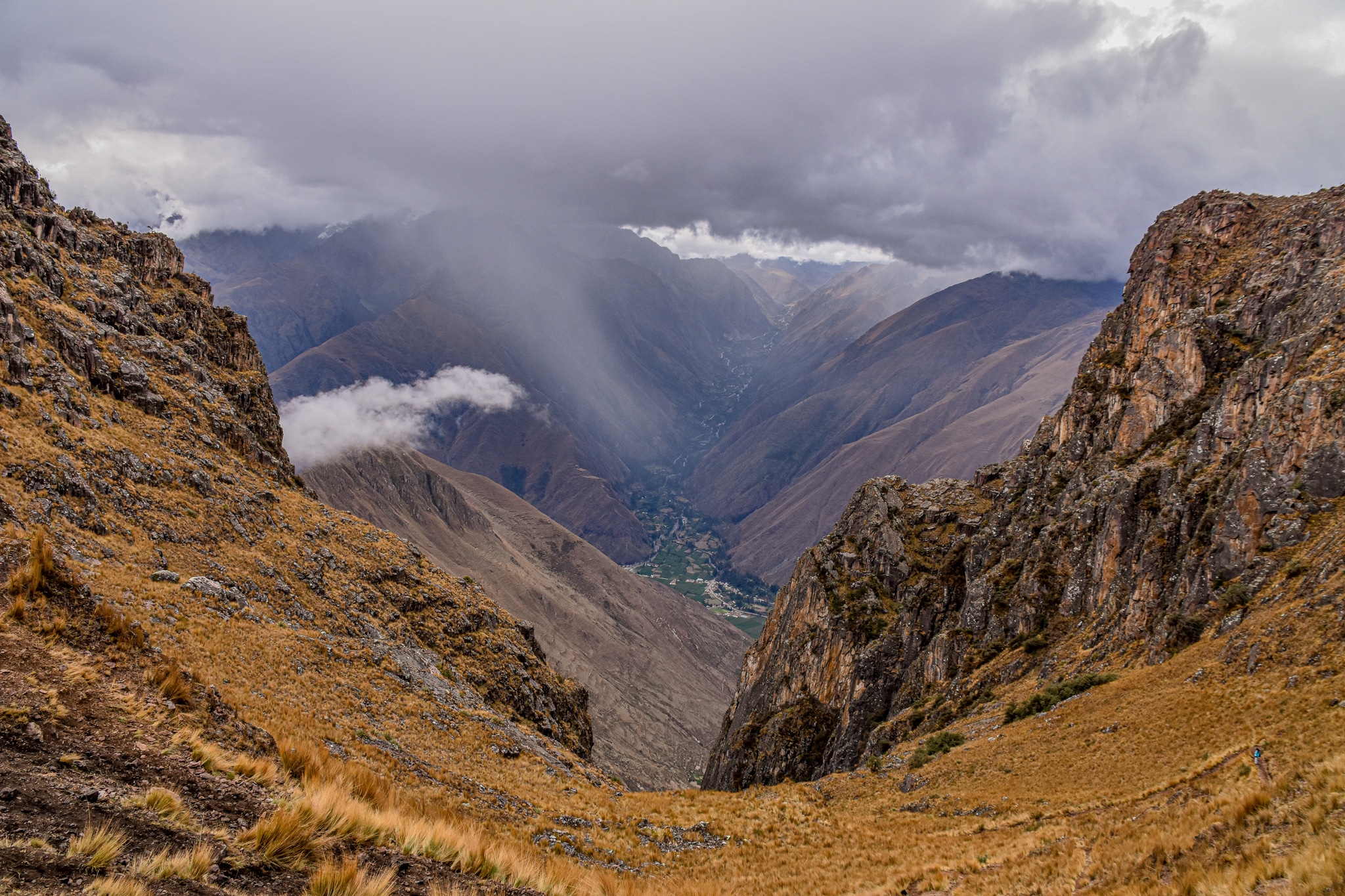
Day 7 -Waking up in the mountains for day three of this fascinating hike is what I recall more than any other leg of the journey. There are marvellous views out over the town below, surrounded by beautiful mountains in all directions. Your camera is going to take yet another battering.
A short early morning descent takes you to the Kachiqata Quarry, where you'll discovery stunning scenery and massively impressive rocks, which would undoubtedly have been to build more buildings either within Machu Picchu or similar settlements.
Caves containing human remains dot the route back, and you can explore them if you wish. As well as pretty burial places, as you drop back down in the quaint town of Ollantaytambo. Then its a case of catching the train from Ollantaytambo to Aguas Calientes.
Enjoy the small market town. Take a well-earned meal at a restaurant, a few beers and a cosy night in a hostel. I recommend the Inti Punku Machu Pucchy Hotel and Suites.
Set your alarm early and be on the first bus to Machu Picchu tomorrow. That for reference is 5:30 am.
If you're on the Inca trail, you'll still be hiking and will spend tonight out in the elements. You'll be waking up tomorrow for that last ascent to the Sun Gate over Machu Picchu.
Day 8 -For those on the Inca Trail, a short early morning hike will take you to the enchanting Sun Gate where you'll get your first glimpse of Machu Picchu. Luckily, you're allowed in first before the crowds descend from the tourist entrance below.
For those on the first bus up, you're not far behind. If you leave it much later, the charm of Machu Picchu can be tainted with the crowds. However, don't let that put you, it's a tear-jerking moment, standing there looking down on Machu Picchu.
It is now that the Inca Trail and Quarry Trail crews once again merge. For those who completed the Quarry Trail, I recommend a walk to the Sun Gate. That way, you'll get the experience of walking down into Machu Picchu, as well as enjoying the whole area from above.
Make friends with the resident wild Lima or Alpaca (I still cannot tell the difference) and learn why, how and when this Inca civilisation built the site. I won't spoil the stories, but they are captivating.
Once you've captured the moment, and realised what you've achieved (a bucket list item) head down the mountain to the small town of Aguas Calientes.
The markets are perfect for a small trinket and or gifts for loved ones. I also recommend a deserved drink, a nice lunch and a relaxing dip in the natural springs.
You will, however, have to be at the train station for around 5 pm as the train back to Cusco departs at 5:23 pm with or without you. You'll arrive back in Cusco around 10 pm where all you'll want to do is find your nice warm, comfy bed and it will be one you've earned for sure.
Day 9 - If you've got a flight out of Lima tomorrow, it's best to get back to the city today. There are a couple of options with daily flights leaving Cusco at 6:04 pm or 8:04 pm. Both options allow you plenty of time in Cusco.
A morning in the marvellous city should mean exploring the architecture, the markets and tasting the yummy foods. The narrow cobbled streets, the large open plazas and the surrounding markets are awash with unique beauty. Visit the remaining galleries and or museums you may have missed on your last fleeting visit.
Cusco is a fantastic place, so make the most of it.
An hour and a half flight back to Lima should ensure you are safely in the capital for your departing flight home tomorrow. Furthermore, it will hopefully give you time for a final meal in the capital.
Day 10 - Depending on your flight, enjoy a lazy relaxing morning back in the capital city and take in the sea breeze one last time.
Enjoy the architecture and the city sights before making your way to the airport for your return home.
The Natural World
14 Days
Spend two weeks of pure bliss crisscrossing the glorious mountainous country of Peru. Delve into the luscious Amazon Rainforest. Explore the Inca stronghold's of Machu Picchu & Cusco, and visit the magnificent Lake Titicaca.
Day 1 - Arriving in Lima for your 14-day backpacking Peru experience is phenomenal. Firstly, take a taxi to your accommodation, ideally in the Miraflores district. For those looking to backpack Peru, I'd risk my reputation on recommending the Healing Dog Hostel. It's a lively hostel, with bubbly staff, in a great location and all mixed with a really relaxing vibe.
If, you're looking for something a little different, Hostelworld and Booking.com have great coverage across the city. In fact, between the two, they tend to have the vast majority of Peru covered for all your accommodation needs.
Acclimatise to the conditions by exploring the elegant streets. The Spanish and Incan architecture throughout the city is exquisite.
After a long flight, and a walk around Lima, end your day with a delicious clifftop meal overlooking the Pacific Ocean. Relish in the ambience of these stunning restaurants for your first night in this extraordinary city.
Day 2 - Spend the day enjoying the sights of the sumptuous Plaza De Armas. The square has the most intricate and elegant buildings in the city. If possible, join a morning walking tour, as the guides know everything about the area, and speak many languages.
After the tour, sniff out a Peruvian delicacy in one of the local restaurants. You'll come across a few once you're away from the 'touristy' areas. For more on where to find them, ask your guide before the tour finishes.
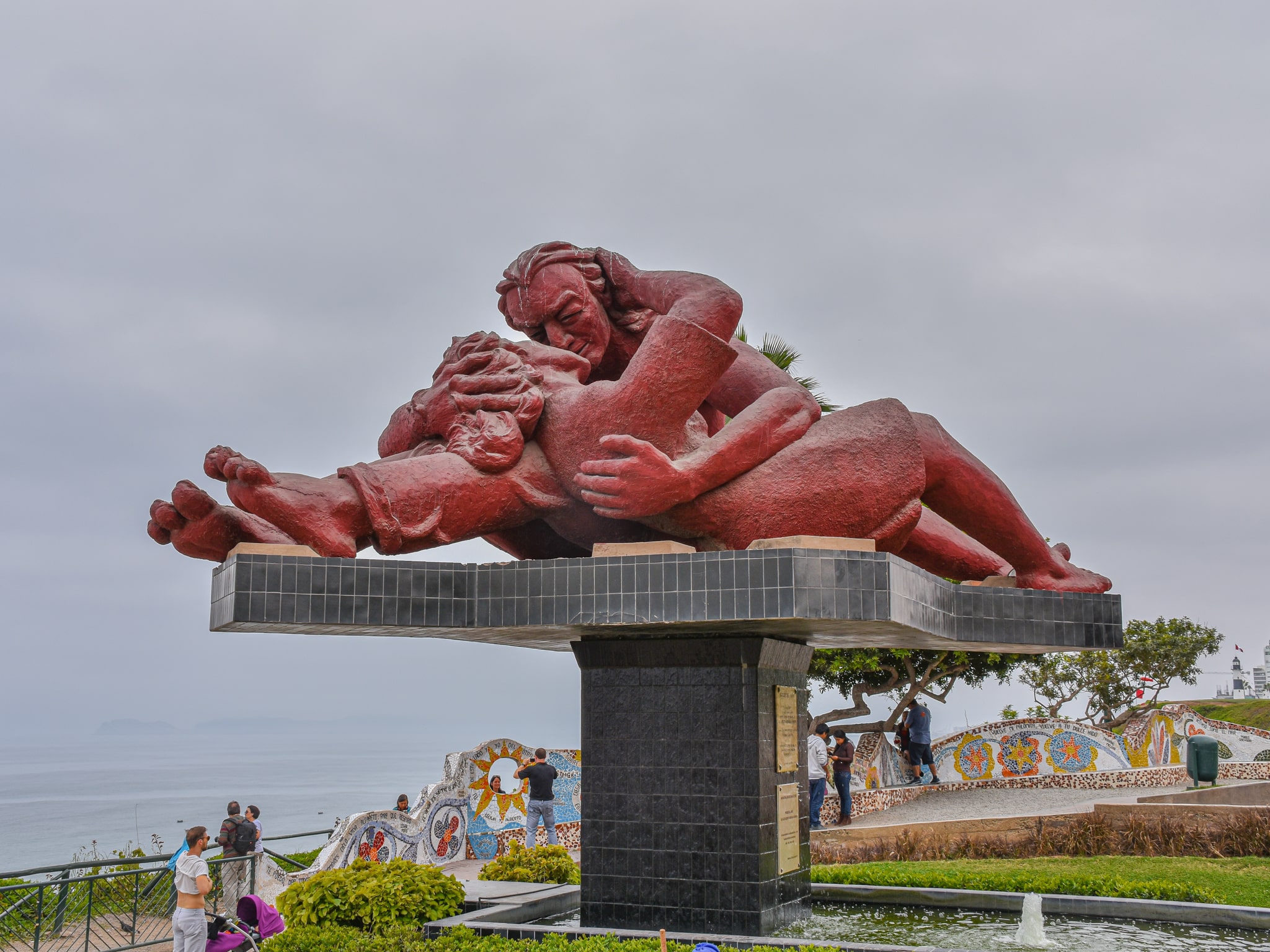
After lunch, you have to find Paddington Bear. He's a true icon of Peru, with numerous stories all telling his crazy travels to London. I'll give you a clue. He is up near the restaurants overlooking the ocean.
After a couple of snaps with Paddington, enjoy the coastal boardwalk, which encompasses a delightful Park of Love.
As the evening draws in, visit the beautiful Reserva Park. Within the park, there is numerous delightful waterfall that lights up during the hours of darkness. There's even one that you can walk through like a tunnel.
Afterwards, head out for a delicious meal within the city. I'm sure you've spotted a few places today.
Tomorrow is a relatively early start, so enjoy your night, but you will not want a fuzzy head for the flight to Puerto Maldonado.
Day 3 - Your flight time today is determined by what day of the week you're flying. However, aim to fly as early as possible, that will mean you'll have the maximum amount of time in the Amazon.
Your destination, the remarkable Puerto Maldonado in the Amazon Rainforest. The more time spent in this part of the world, the better.
Having landed in a small opening in the trees, the excitement of the Amazon soon builds. Yet, it isn't until you've made it to the river that things really come alive.
I recommend a wooden jungle eco-lodge deeper into the rainforest. Although, if you decide to find accommodation in Puerto Maldonado itself I couldn't blame you. It's beautiful.
Now, how to get there?
When you arrive at the river, jump aboard a small wooden boat and meander up-river to your eco-lodge. As you weave through the rainforest, keep a sharp eye out for the elusive puma, jaguar and other stunning aminals that call the Amazon home.
The log cabins are only matched in beauty by their leafy surroundings. No longer are there sounds of cars and machinery, only comforting sounds of the river, wind and the roaring, howling wildlife. It's pure paradise.
After settling in, and acclimatising to your very different surroundings, head off on foot with the camp guide. Explore and learn about the rainforest, including all of the critters, fauna and flora within the Amazon. As well as walking around this green and secluded land explore the river and lakes via canoes. You will have to put some effort in, if heading up-steam, the currents are surprisingly strong.
Hopefully, you'll see giant otter, monkeys, jaguars, capybara and much more. It's so much fun on the rapid rivers that weave through the trees like busy streets through the concrete jungles.
As you'll find out, there is nothing like your first night in the rainforest. The stars are unimaginable, and the wildlife comes alive, jaguars, monkeys and crocs are just a few of the larger creatures that roam the surrounding lands.
Another star of the Amazon Rainforest is the food. Enjoy the grub, not the grubs.
As night falls, get yourself back out on the river, and visit the nocturnal river hunters. The cayman are only visible as you shine a torch from left to right. Their eyes beam back at you in the light like a Stephen King horror movie. It's a surprise at how many there are, and why you wouldn't leave your hand in the water too long. If you're lucky, you may even see other night hunters.
Your first night in the jungle is special. All I can say is enjoy.
Day 4 - Today is all about further exploring the jungle. Climb to the canopy and experience a birds-eye view of this tropical utopia.
After walking with the branch dwellers, its time to float like the otters. Using the traditional hollow wooden canoes push upstream in search of more magnificent river inhabitants and those that use the river as a hunting ground. Throughout the jungle, the mystery that surrounds the wildlife and the landscape they hide within is phenomenal. The longer you can spend exploring it, the better.
Another day in the Amazon also means, yet more jungle food. The magnificent dishes are splendidly presented, once again, in large banana leaf. And the flavours of these rice dishes are delicious in every way.
Jungle life will encapture you, and an afternoon relaxing in the clearing on the river bank will reward you with memories never to be forgotten. Enjoy every second here.
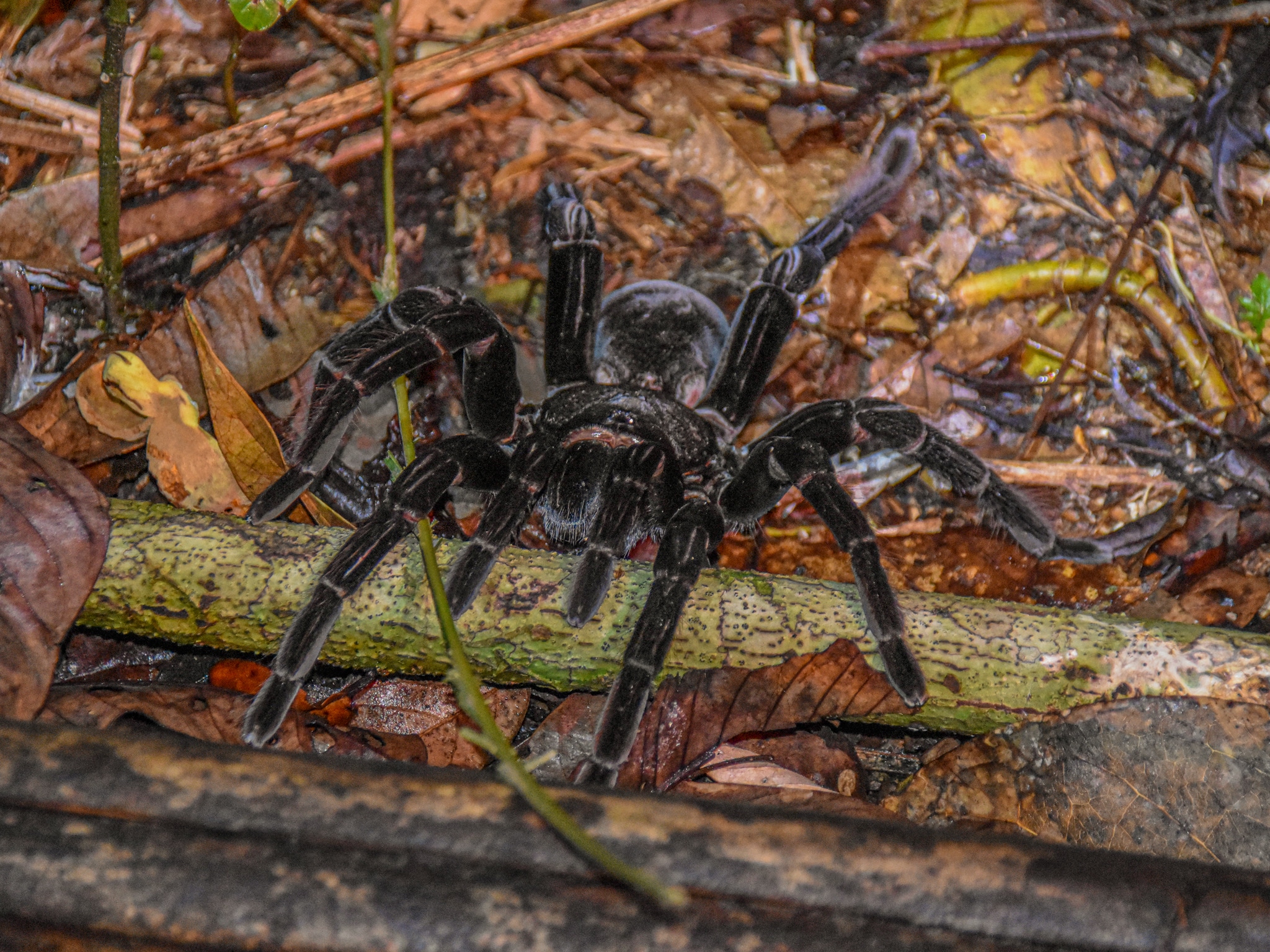
After night falls, take to the jungle for the final time. Instead of canoeing the river with the cayman, explore on foot with the critters. Spiders, scorpions and other delightful bugs and Arachnida await. These are, however, only a couple of the animals you'll come across. It's a thrilling experience and one that provides the perfect way to end your jungle tour.
Head back to your camp for drinks and a bite to eat before a final night in your beautifully crafted wooden eco-lodge.
Day 5 - Today, you, unfortunately, have to leave the jungle. You do, after all, have more to explore. Cusco is awaiting your arrival.
After breakfast, head back downriver from your lodge to Puerto Maldonado. If there is time before your flight have a look around town, its a remarkable place.
Disclaimer - Flights from Puerto Maldonado to Cusco are limited. Often, you'll only find non-direct flights, which take 5 hours, or more. The direct flights take 49 minutes and depart Puerto Maldonado at 1:20 pm. It is best to book this flight when you book your flights to Peru.
After landing in the old Inca capital, make your way to your accommodation. Freshen up, and take a bit of time to recover, as it's been a long day of travelling.
Cusco is a thriving city with so much to do. Firstly, I suggest a visit to your second Plaza De Armas of this backpacking Peru experience. Whilst in the Plaza, your main focal points will be on the beautiful Cusco Catherdral as well as the graceful Church of the Society of Jesus.
After the magnificent Plaza, there's an abundance of galleries and museums to choose from, each bringing a completely different experience.
As the evening kicks in, and your stomach begins to dictate proceedings, step away from the central plaza's. Partly, because, that where the overpriced tourist restaurants are. Head off the beaten track and taste a conventional Peruvian meal, and at a fraction of the cost.
After dinner, breach all travel rules. Head back to the Plaza De Armas, and more specifically the Ukukus Bar. I found this little gem to be one of the most entertaining nights out, whilst I was backpacking Peru. They had a great selection of drinks and even better entertainment. The highlight was when we all had to get up on stage and dance with the pros.
I can't remember too much of the day, but what I can say is that it was so much fun. I apologise again for stepping on my dance partners toes (a lot) during the rumba and salsa. She took it well.
Day 6 - After a busy few days, fraught with excitement and early mornings, you can have a sleep-in today. Once you've woken and had a late breakfast, head out into the narrow, cobbled streets of the once-great Incan capital. The best thing to do is to get lost within the maze of passageways. You never know what you'll find or see. I saw local ladies walking their dressed alpacas. Whilst others were carrying dressed baby sheep. Its blizzard, but there is never a dull moment in Cusco.
Leisurely meander through the beauty of Cusco, exploring the ruined remains and traditional markets. The markets are a bright and colourful place to be, not to mention, smelly. Everything you can think of is on sale in the San Pedro Market. You could easily spend an hour in there if your nose can take it.
Prepare for tomorrow's hike with a short walk to the lookout. From here you can marvel at the city and its majestic surroundings from the vantage point. A day on your feet is a day well spent.
But, make sure you get an early night as you have yet another early start tomorrow. You'll be picked up at 6 am and whisked off to the Sacred Valley, where you'll start the Inca trail.
Day 7 -Day seven is where the excitement builds, as let's be honest, this is why your backpacking Peru. This bucket list item is hard work, but in this case, the juice is worth the squeeze. Because today, you start your hike to the awe-inspiring ancient Inca city of Machu Picchu.
Depending on who you have booked with, the pick-up time in Cusco will be around 6 am. The starting point for these Incan hikes is within the Sacred Valley, just outside Ollantaytambo. Again, depending on who you booked through, it's likely you'll be given breakfast before the hike.
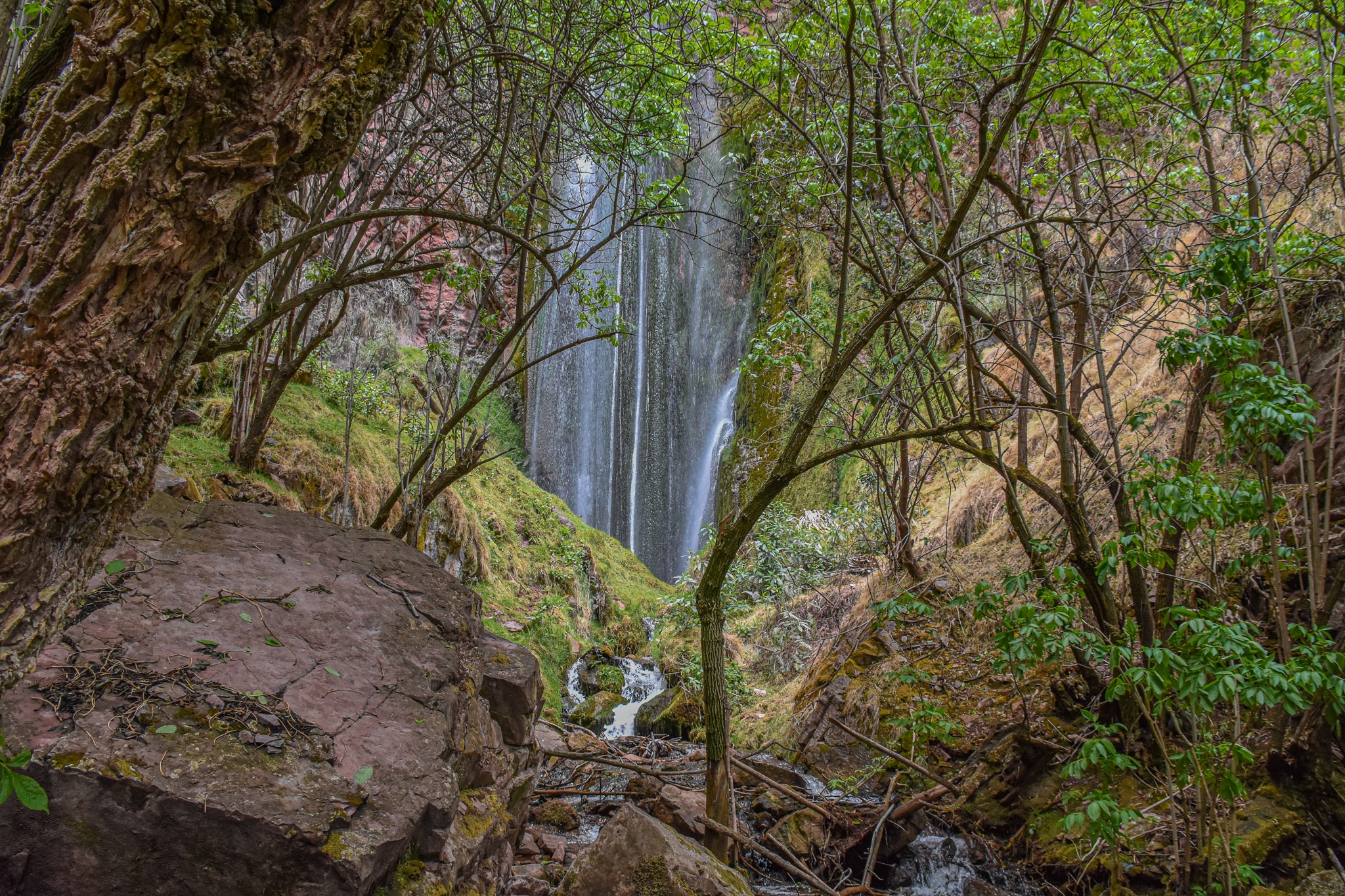
The Quarry Trail starts in Choquequilla, where the Inca would gather, to worship the moon. From there you'll head to a small mountainside community of Socma. It is here you'll enjoy your first rest before moving up the mountains to Perolniyoc cascade a monstrous waterfall.
Happily, you'll have another break in this natural beauty spot before the final push to camp at around 3,700 meters above sea level. Arriving in camp feels like passing your driving test, as you finally kick off your day bag and relax.
The air is thin at this altitude, and it can catch the fittest people out. So take it slow and steady. Next to the camp is the impressive Inca ruins of Q'orimarca. They are worthy of an hours expedition. Then it's a case of settle in for food under the stars, and a first night in the tent.
Day 8 - The second day of the hike is probably the most challenging. I know you won't want to hear that after yesterday. But it is true. After breakfast, you'll endure a gruelling three-hour trek to the Puccaqasa Pass. Yes, it's hard work, but it's worth every step. From the Pass, there are stunning views of snow-capped mountains as far as the eye can see. But that's no surprise as you'll be roughly 4370 meters above sea-level.
After a spot of lunch, make the ascent to the highest point on the trek, Kuychicassa. The Kuychicassa Pass stands at 4450 meters above sea level. A full 235 meters higher than that of the highest point on the Inca Trail.
The views are spectacular, with 360-degree views of the marvellous, rigid snow-capped mountains. It's sure to take your breath away. Once you've exhausted your camera to the point of filling your memory card, it's time to dip down into the Intipunku (Sun Gate).
From Intipunku you'll be surrounded by the Nevado Veronica mountain range. It is here you'll find, in my opinion, the best views of the snow caps.
A short walk will then take you to your camp for the night where you'll have views you'll remember for the rest of your life. Settle in for dinner and relax amid the beautiful surroundings before tucking in for a well-earned rest.
Day 9 - Waking up in the mountains for day three of this fascinating hike is what I recall more than any other leg of the journey. There are marvellous views out over the town below, surrounded by beautiful mountains in all directions. Your camera is going to take a battering here.
A short early morning descent takes you to the Kachiqata Quarry, where you'll discovery stunning scenery and massively impressive rocks, which would undoubtedly have been to build more buildings either within Machu Picchu or similar settlements.
There are also caves, full of skeletons to explore if you feel up to it. As well as beautiful small burial sites, as you finish off your walk dipping back down in the quaint town of Ollantaytambo.
Yes, those on the Inca trail are still going and will spend tonight out in the elements. They will be waking up tomorrow for that last ascent to the Sun Gate over Machu Picchu. However, those on the Quarry Trail can catch the train from the town to Aguas Calientes.
You'll have the evening to explore the small market town, and enjoy a well-earned meal at a restaurant, a few beers and a cosy night in a hostel. I recommend the Inti Punku Machu Pucchy Hotel and Suites.
Just make sure you set that alarm nice and early as you'll want to be on the first bus up to Machu Picchu tomorrow. That for reference is 5:30 am.
Day 10 - For those on the Inca Trail, a short early morning hike will take you to the enchanting Sun Gate where you'll get your first glimpse of Machu Picchu. Luckily, you're allowed in first before the crowds descend from the tourist entrance below.
For those on the first bus up, you're not far behind. If you leave it much later, the charm of Machu Picchu can be tainted with the crowds. However, don't let that put you, it's a tear-jerking moment, standing there looking down on Machu Picchu.
It is now that the Inca Trail and Quarry Trail crews once again merge. For those who completed the Quarry Trail, I recommend a walk to the Sun Gate. That way, you'll get the experience of walking down into Machu Picchu, as well as enjoying the whole area from above.
Make friends with the resident wild Lima or Alpaca (I still cannot tell the difference) and learn why, how and when this Inca civilisation built the site. I won't spoil the stories, but they are captivating.
Once you've captured the moment, and realised what you've achieved (a bucket list item) head down the mountain to the small town of Aguas Calientes.
The markets are perfect for a small trinket and or gifts for loved ones. I also recommend a deserved drink, a nice lunch and a relaxing dip in the natural springs.
You now have two options: Option one, be at the train station for around 5 pm as the train back to Cusco departs at 5:23 pm. You'll arrive back in Cusco around 10 pm where all you'll want to do is find your nice warm, comfy bed and it will be one you've earned for sure.
Or secondly, spend a night in the bars, laughing and joking in the extraordinary town. The atmosphere is brilliant, and I recommend doing this.
It will mean getting the first train tomorrow morning back to Cusco, but it's worth it.
Day 11 - Being back in Cusco for the day gives you time to discover what you may have previously missed. If you're still feeling pumped from your recent hike, a zipline or the highest bungee in Latin South America could be something worth considering. Both of which are a few minutes north of the city by car.
Today would also be a good day to pick up a few gifts for those back home. Or, for yourself to remind you of your time backpacking Peru.
Other than that, take it easy, do a bit of shopping and relax in one of my favourite cities in Peru. As previously mentioned, Cusco is the perfect place to learn the rumba or salsa. If you didn't participate during your last visit, this could be your time to shine.
Although, if you took my advice and spent the night partying in Aguas Calientes, spend the day recovering there instead. I found it a fascinating little place, built around the base of Machu Picchu. It's an idyllic location surrounded by beauty and peacefulness. All you'd then have to do is catch the train this evening back to Cusco. Four trains will get you into Cusco at a reasonable hour. The first leaving Aguas Calientes at 3:20 pm.
Day 12 - Sorry all, it's another early start as you have to endure a long 6-hour journey to Puno and the impressive sight of Lake Titicaca. As with a lot of travel in Peru, there are limited services when it comes to buses between Cusco and Puno. I'd suggest booking this when you're planning your backpacking Peru experience, and I'd aim for the 8 am departure with Cruz Del Sur. It saves the stupidly early start and is about as comfortable as it gets when travelling on a bus.
Whilst it is a long drive, you will weave through stunning mountains and striking desert flats, complete with bright and colourful flamingos.
Your head will be continually turning from side to side like a spectator at a Wimbledon final. The views are marvellous throughout the journey.
Arriving in Puno around 2:15 pm gives you ample time to explore the city. Once you've found your hostel, you'll more than likely want to stretch your legs. I really liked where I stayed, which sadly isn't on Booking.com or Hostelworld. It's called Camino Real Hotel, and I think it's worth you taking a look.
As mentioned, an afternoon in Puno is more than enough to explore its architecture and hidden bars. Sadly, other than that, there isn't much to do here. That is unless it's carnival season when the streets are awash with noise, colour and costumes. Bands and dance troops fill the streets, and you cannot help but get caught up in the excitement.
Day 13 - This morning is all about the famous Lake Titicaca, it's islands, and it's people. Depending on the time of year you travel, it may be worth considering pre-booking a tour.
Head down to the docks and out on the lake. Explore the wonderful floating islands of Uros. Meet the people that call these islands their home, and learn about their lives amid the reeds. After move further into the lake and on to the elegant and mesmerising island of Taquile. From the island look back over the lake, where the captivating views take full effect.
There is a miniature village in the centre of the island built around the Plaza de Taquile. The buildings, shops and restaurants are an enjoyable way to spend an afternoon.
Before darkness kicks in, and if possible, stop off at one final location on your way back to Puno. The small hamlet of Llachon couldn't be more traditional if it tried. It's yet another fascinating experience within the lake. The locals are among some of the nicest people I've met. They love volleyball, give them a game in their own back yard. My money is on them.
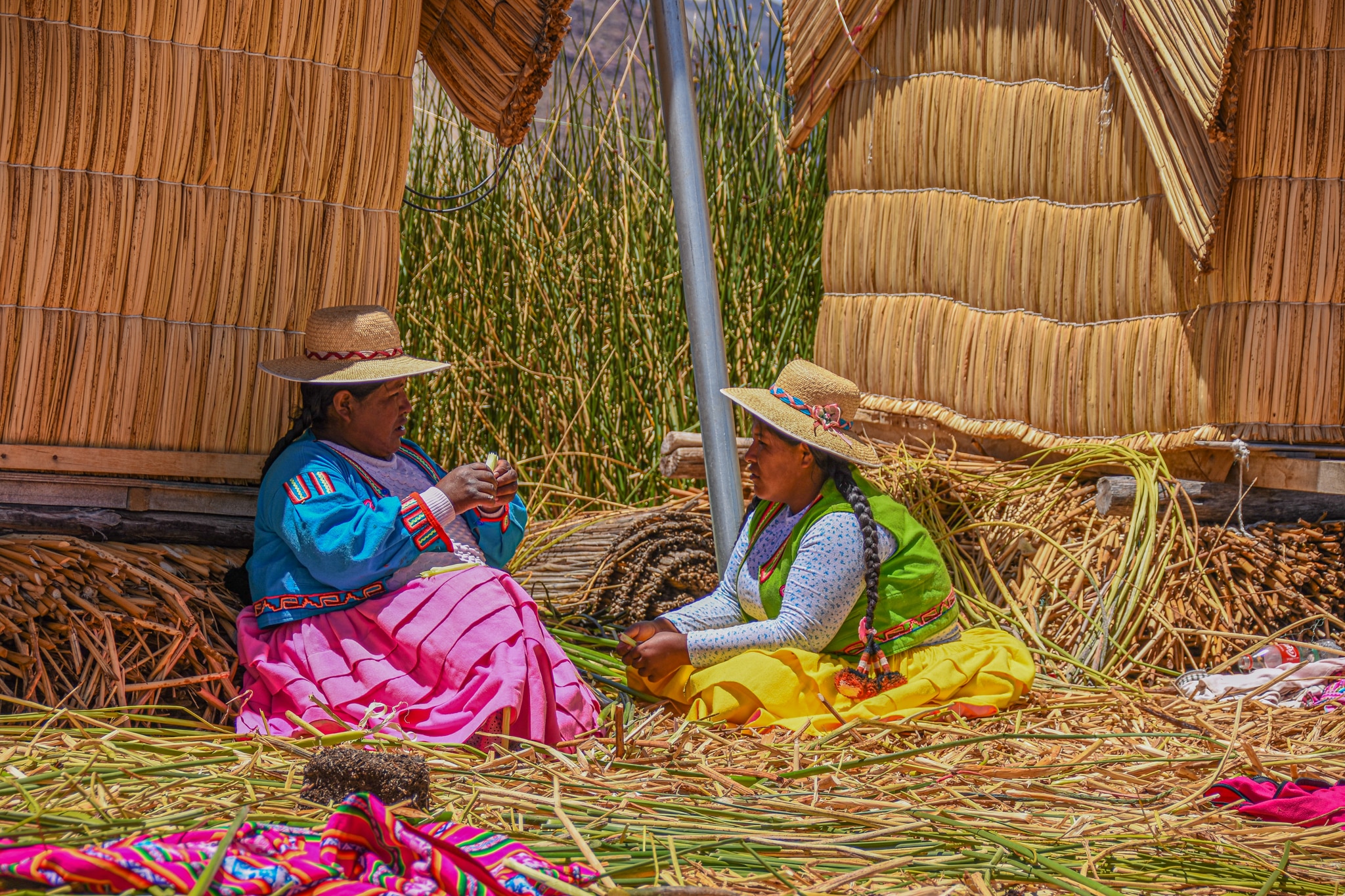
Day 14 - I have left today relatively open. If you have more time in South America, there are many choices to consider. You could continue backpacking Peru or cross the borders south to Chile, or east to Bolivia.
Those due to fly home, the best way is via a flight from La Paz. However, it is always cheaper to fly in and out of the same airport. Therefore, having started in Lima, it would make sense to get back there. I don't know why it's cheaper to fly back to Lima and then home, but it is.
La Paz is about a 5 hours bus ride from Puno, which includes the dreaded border crossing.
The other, less desirable option, is a 20-hour drive from Puno to Lima, and fly home that way.
The choice is yours.
Speaking Spanish
As always, we have attempted to put a few keywords and phrases together. Yet again, I've embarrassed myself by throwing in my pronunciations. I really should stop it, but it's hopefully of some help to you, whilst teaching me something useful too.
| English | Spanish | Greg's Pronunciation Breakdown™ |
|---|---|---|
| hello | Hola | o'la |
| bye | adiós | adi-os |
| my name is... | me llamo | may ya-mo |
| yes | si | say |
| no | no | no |
| ok | okay | o-kay |
| please | por favor | por fav-or |
| thank you | gracias | gra-thii-ass |
| sorry | lo siento | lose-ento |
| how much? | cuanta? - female cuanto? - male | quant-a quant-o |
| excuse me | disculpe | dis-sculp-ey |
| what? | que | key |
Visas and Borders
Peru is relatively easy going when it comes to visas and entry into its borders.
Citizens of Europe who fall under the Schengen agreement (Austria, Belgium, the Czech Republic, Denmark, Estonia, Finland, France, Germany, Greece, Hungary, Iceland, Italy, Latvia, Liechtenstein, Lithuania, Luxembourg, Malta, the Netherlands, Norway, Poland, Portugal, Slovakia, Slovenia, Spain, Sweden and Switzerland) are all allowed a maximum of 90 days visa-free travel in Peru within a 180 day period.
The following countries citizens have the advantage of being allowed access to Peru visa-free for up to 183 days, Australia, New Zealand, South Africa, Indonesia, Malaysia, Thailand, Papua New Guinea, Philippines, Singapore, South Korea and Japan, All remaining European countries not mentioned above, excluding Bosnia and Albania. All countries in North, Central and South America excluding Haiti , Cuba, Nicaragua, El Salvador and Venezuela.
If you are not a member of one of the above countries please check on your government website.
Peru has five neighboring countries with 4,636 miles of land borders. The five countries are Brazil, Bolivia, Chile, Colombia and Ecuador.
When it comes to roads, Peru has entry points with all bar Colombia. Luckily, I've only had to use this form of crossing once, and that was enough. My experience crossing into Bolivia wasn't ideal to say the least.
Peru has two road borders with Bolivia, both around the south of Lake Titicaca.
There is one road-border with Chile on the west coast at Tacna.
There are two main border crossings with Brazil, one land border in near the town of Puerto Maldonado on the Interoceanic Highway and one on the Amazon River to the north.
Finally, we come to Ecuador, where there are a further two land borders to the west near the Peruvian towns of Tumbes and Sullana.
Peru also has 5 international airports, and by far the busiest of these is Lima's Jorge Chavez International.
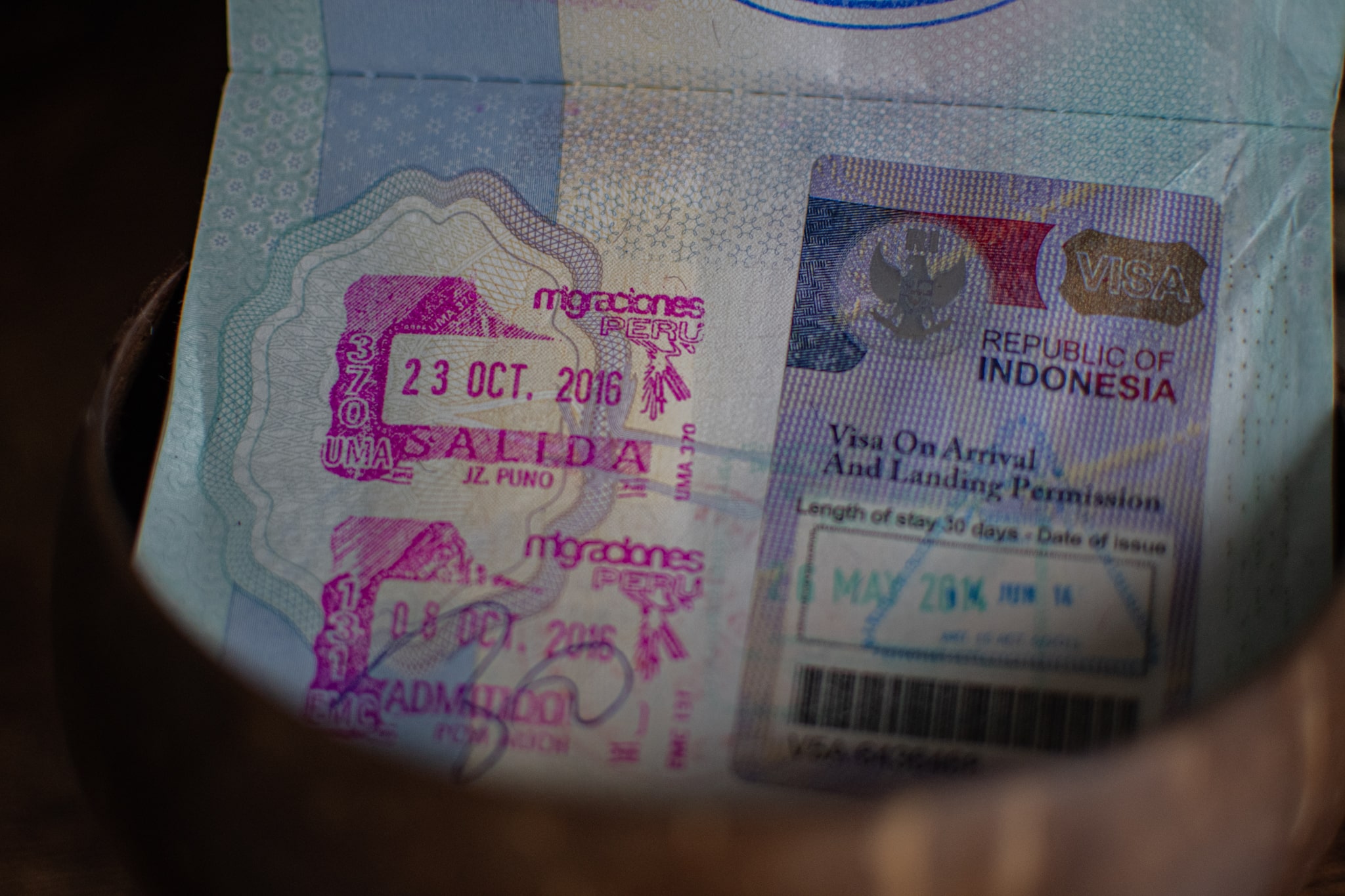
What to Pack
Packing for a trip to Peru can be difficult, there is a lot to think about. The country has every sort of landscape possible, from deserts to rainforests, from the dry and dusty deserts to the pacific coast.
Similarly, the weather is ever-changing. The wet and murky rainforests, the desert and the freezing snowcapped mountains of the Andes. Its truly a nightmare packing for Peru, but a nightmare worth having. Ohh, what I'd give for that nightmare right now.
So what do you pack?
Firstly, a very sturdy, waterproof pair of boots or walking shoes. These are crucial whilst backpacking Peru, as you will be walking mountains, hills, cobbled streets and through the rainforests.
When it comes to clothing, a light waterproof jacket for the hot and dense rainforest, and for walking through the warmer towns. Unfortunately, you will also need a big thick waterproof for the mountains and cooler towns up in the Andes. Of course, with the thicker jacket, gloves and hats are essential.
This is, as mentioned, a case of packing for everything with Peru. You will need shorts and t-shirts, as well as a warm jumper and trousers. It's going to be a heavy bag, but you will use it all.
Finally, it is worth packing a serious first aid kit. Make sure it includes but is not limited to; suncream, bug and mosquito spray, altitude tablets and dioralyte's, it's easy to pick up a bug or become dehydrated in Peru, and the altitude will not help your situation.
Travel Insurance
Backpacking Peru can be dangerous, and is, therefore, worth insuring yourself properly. I, personally, think it is silly to travel Peru without any insurance.
There are still bugs and diseases in the drinking water, as well as parasites that can cause intense diarrhoea and sickness. Reactions to the conditions are another factor in why you should get travel insurance. When travelling the Andes, including Machu Picchu, altitude sickness can cut a trip short. There are several issues that you could come across, that no training can prepare for.
Pay for insurance and do not risk it.
Backpacking Peru Ethically
When I discuss ethical Travel in Peru, there is only one place to start; The Amazon Rainforest. Deforestation is destroying the rainforest, and in the period between August 2019 to July 2020, deforestation increased 33%, according to the WWF. Products containing palm oils play a big role in this, with the rainforest giving way to Palmolive plantations.
Natural habitats for endangered wildlife is being lost at an alarming rate, with many specials on the brink of extinction. We must all play a part in protecting this biodiverse landscape, whether we are backpacking Peru, Brazil or sat at home on our sofa's.
There are numerous projects in Peru in which you can join, or give to which look to protect not just the wildlife, but plant and tree species too. The rainforest protects us all, and now we must protect it.
Part of backpacking Peru ethically involves travelling responsibly, the two words co-exist.
It is important to remember that Peru is a very poor country, and for the most parts, locals will see you backpacking Peru, and assume you're a wealthy person. Which, in comparison to the majority of the population, you will be. Being aware of this is the first step to travelling responsibly. Don't flash your cash, don't wear expensive/blingy jewellery and treat the locals with respect.
Visit the local villages, and buy goods from them, rather than the cheaper and larger supermarkets in the main cities. They will cost you more, but you can be assured of the quality, and know that you're helping the local communities.
Safety
On the whole, Peru is a safe country for tourists and those backpacking Peru. However, there are dangers around every corner. Peru, like most of South America, has rapidly changing terrains and weather conditions, as well as numerous dangerous animals. Whilst these terrains and the wildlife may appear beautiful, they can also kill, in a second. The deserts as both Charlie and I know can turn from warm, beautiful and entertaining places to deadly, worrying and freezing places.
The weather up in the Andes can turn on a knife-edge, and it pays to be well prepared. Guides are essential when heading into the Andes, and with their expertise and experience, they can save your life.
The same can be said in the undergrowth of the Amazon Rainforest. Whilst, surrounded by beauty and wildlife, there are dangers here that will kill you before you even see or feel them. Poisonous plants, animals and insects roam the bush, and it is very important to know what you are dealing with.
Back in civilisation, there are other types of dangers. Pickpockets and thieves roam the busy areas such as public transport and market places. Similarly, robbery and violent crime do occur more regularly here than in many countries. When getting transportation between cities and or from airports, make sure you use official taxis or transportation.
Group tours are by far the safest way of backpacking Peru, and that would be my suggestion for first-time travellers or those who consider themselves to be of a nervous disposition.
All, of the above, are worst-case scenarios, most people backpacking Peru have a perfectly safe, and enjoyable time. It just pays to be vigilant and safe, especially after dark.
Brief History
Humans are first thought to have lived in Peru around 9,000BC, with tools and other remains being found in caves in Pachacamac, about 25 miles south of Lima.
The most famous inhabitants of Peru are, of course, the Inca's, who didn't appear until the 12th century, some 10,000 years later. At this time, they were a small tribe in the Cusco valley, but by the year 1438 had developed an empire which hugged the coast of South America. They reigned as far as southern Chile, north through western parts of Argentina, Bolivia, Peru, Ecuador and onto southern Colombia.
The decline of the Inca's came during the Spanish invasion of South America, which, in 1532, included Peru. Whilst European diseases claim the death of the Inca emperor, the Spanish were ruthless in colonising the remaining people, and their land.
It wasn't until 1821 when Peru claimed independence after numerous bloody battles against the Spanish. There were still parts of Peru who fell under Spanish rule, and it wasn't until 1828 the country unified under its independence. The Spanish didn't give up Peru, or the surrounding countries without a fight and sporadic, vicious, and bloody battles continued within the Peruvian borders until 1879 when they finally conceded defeat.
From 1824 to 1999 Peru didn't need to look to Europe for war. They were involved in numerous, lengthy wars with their neighbouring countries, namely during the War of the Pacific and the Ecuadorian-Peruvian War.
Nowadays, the borders of Peru are considered secure, however, democracy within the country is never far from the news. Even as late as 2018, stories of widespread corruption and violence have caused protests nationwide.
Our Peruvian Stories
Machu Picchu, Peru – A Travel Guide
Machu Picchu, Peru – A Travel Guide | Written by Greg Heads up: We sometimes work with companies to provide affiliate links and reviews – here’s what that means. If it’s here, we use it. We don’t plug shit for profit. Walk with the Incas, Live with the Memories Machu Picchu […]
Cusco, Peru – A Travel Guide
Cusco, Peru – A Travel Guide | Written by Greg Heads up: We sometimes work with companies to provide affiliate links and reviews – here’s what that means. If it’s here, we use it. We don’t plug shit for profit. The Historic Centre of Peru Cusco is a splendid small city […]
Umasbamba, Peru – A Travel Guide
Umasbamba, Peru – A Travel Guide | Written by Greg Heads up: We sometimes work with companies to provide affiliate links and reviews – here’s what that means. If it’s here, we use it. We don’t plug shit for profit. Tradition At Its Best This tiny little traditional village high up […]
Puerto Maldonado, Peru – A Travel Guide
Puerto Maldonado, Peru – A Travel Guide | Written by Greg Heads up: We sometimes work with companies to provide affiliate links and reviews – here’s what that means. If it’s here, we use it. We don’t plug shit for profit. The Amazon Rainforest Puerto Maldonado is set in the Amazon […]
Lima, Peru – A Travel Guide
Lima, Peru – A Travel Guide NEED THE ESSENTIALS FOR BACKPACKING LIMA NOW? ABOUT LIMA | SHOULD I GO? | WHAT TO DO | WHERE TO STAY | WHERE TO EAT | WHERE TO PARTY | Written by Greg Heads up: We sometimes work with companies to provide affiliate links and reviews – here’s what that means. If it’s here, we […]
Ollantaytambo And The Sacred Valley
Ollantaytambo and the Sacred Valey, Peru – A Travel Guide | Written by Greg Heads up: We sometimes work with companies to provide affiliate links and reviews – here’s what that means. If it’s here, we use it. We don’t plug shit for profit. Sacred Home of the Inca The Sacred […]