Portugal
Last Updated: July 17, 2026
NEED THE ESSENTIALS FOR BACKPACKING PORTUGAL NOW?
WHERE TO VISIT | BEST STUFF TO DO | SUGGESTED ITINERARIES | PORTUGAL BLOGS

Heads up: We sometimes work with companies to provide affiliate links and reviews - here's what that means. If it's here, we use it. We don't plug shit for profit.
Backpacking Portugal In 2026
With endless hours of sun, warm weather and diverse landscapes and cultures, it is no wonder that millions of people visit Portugal each year. Admittedly, most of these visitors will be hitting the sunkissed beaches of the Algarve or the vibrant and colourful cities of Lisbon and Porto rather than backpacking Portugal as a whole. Whilst that means they are missing out, who can blame them?
Portugal's mainland produces some of the most rugged coastlines in Europe, crystal clear waters and beaming golden sands. Inland, the rivers weave through vast valleys of grape and wine. Port flows through the country like an open tap into every home.
Age'ed villages scatter the countryside, surrounded by miles upon miles of greenery rolling across the valleys. It's spectacular.
The islands are no different. Coastal and harbour villages meet the coast with vigour and excitement, whilst inland volcanic green hills, lakes and waterfalls dazzle even the dullest and dreary visitors.
I love Portugal, and having visited numerous times, fallen down drunk with the locals, explored the rivers aboard the quaintest boats and dipped my toes in the warming Altalic, I am here to share it all with you.
Grab a glass or a snorkel. You're coming with me.
Why Portugal?
There are many reasons why you should choose Portugal as your next travel destination.
Firstly, you'll find backpacking Portugal a breeze, with its welcoming people, fantastic scenery, perfect year-long weather and some of the most affordable prices in western and central Europe.
Secondly, Portugal is a romantic, dynamic and versatile country which offers something for everyone lucky enough to cross its borders.
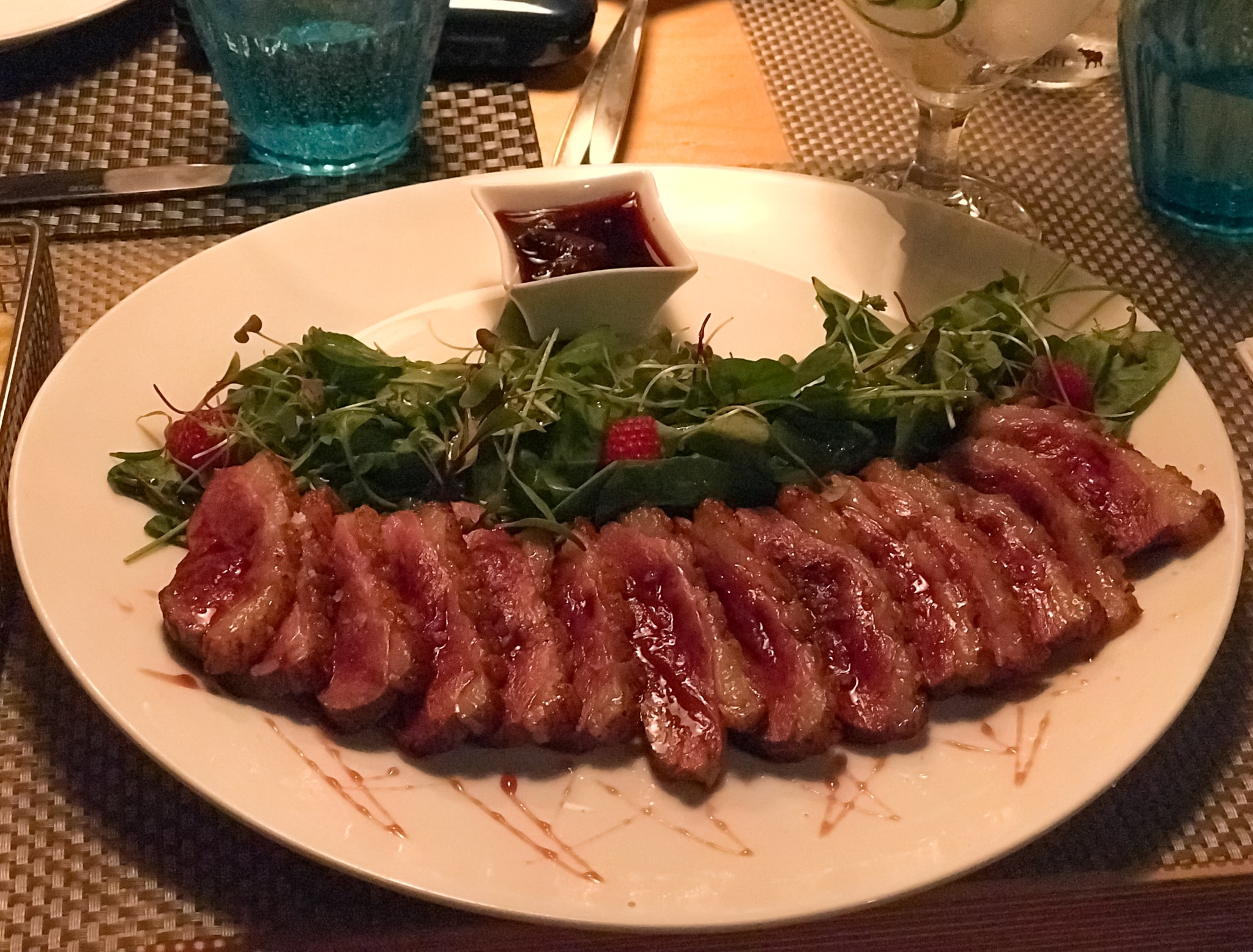
But there is more to Portugal than its looks and great prices. It tastes great too. Colourful dishes full of the freshest seafood, melt-in-the-mouth Porco Preto and moreish Pastel de Natas brighten up any meal.
Like Spain, Portugal's history spans many centuries, continents, people, and religions, and what Portugal has done is combine every one of these into its food, architecture and way of life. Frankly, this medley of world-living fuses to make a must-visit, vibrant and beautiful country.
Welcome to Portugal.

Quick Stats
Currency
Euro (€)
Religion
Roman Catholic: 81%
Population
10.22 million
Language
Official: Portuguese
When to Go
High Season: June - Sept
Low Season: Dec - March
Price of Beer
£3 a Pint
Our Portuguese Stories

Porto, Portugal: Discover life on the Douro
O’Porto, you bring me sunshine, booze and sunsets to die for.
Lisbon, Portugal – A Travel Guide
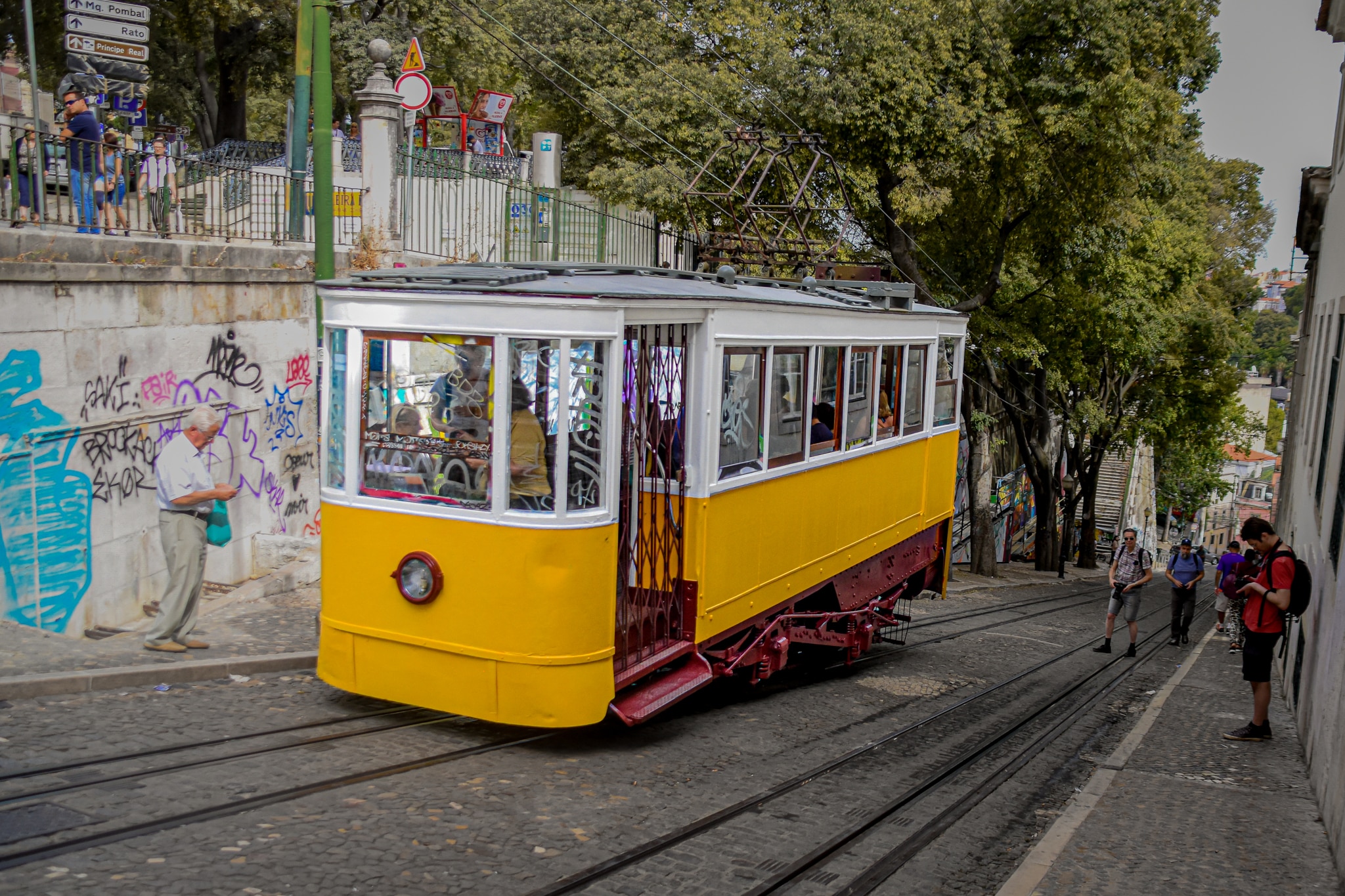
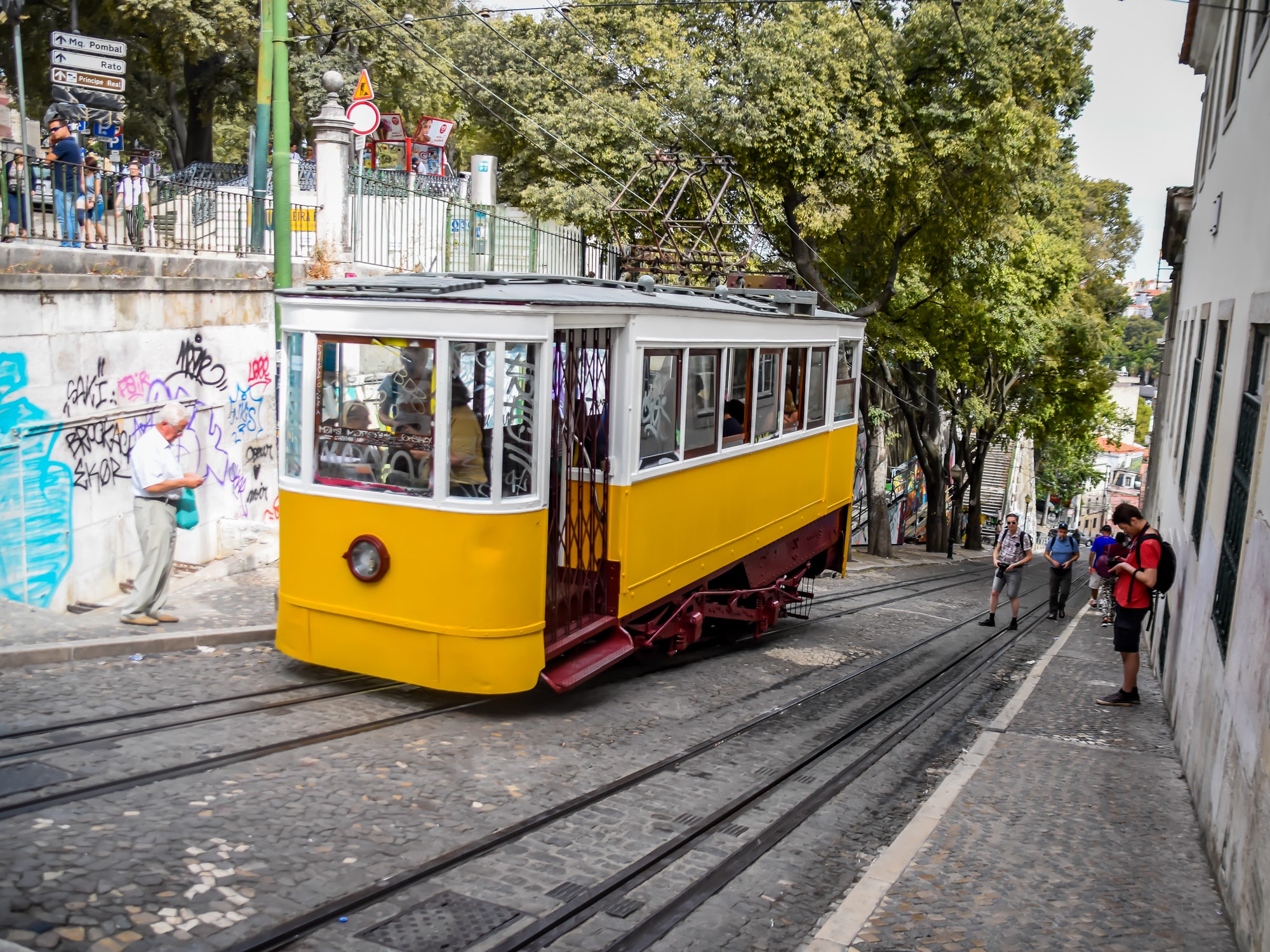
If you’re thinking of yellow trams and tasty treats, it has to be Lisbon, right?
The Algarve, Portugal – A Travel Guide
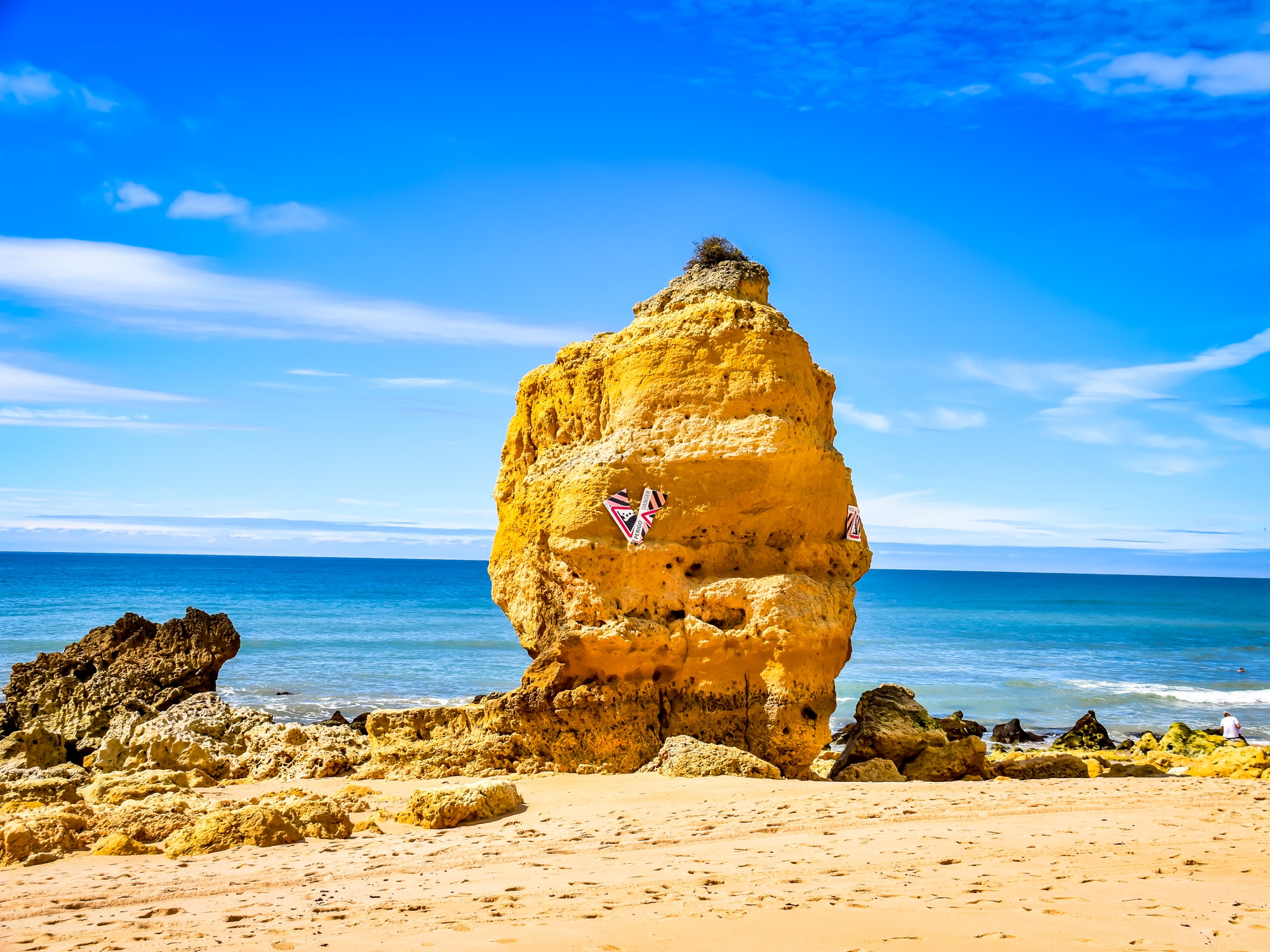
For when life is just too much. Pull up a lounger and just do nothing in the sun.
Contents
Where To Visit
Lisbon
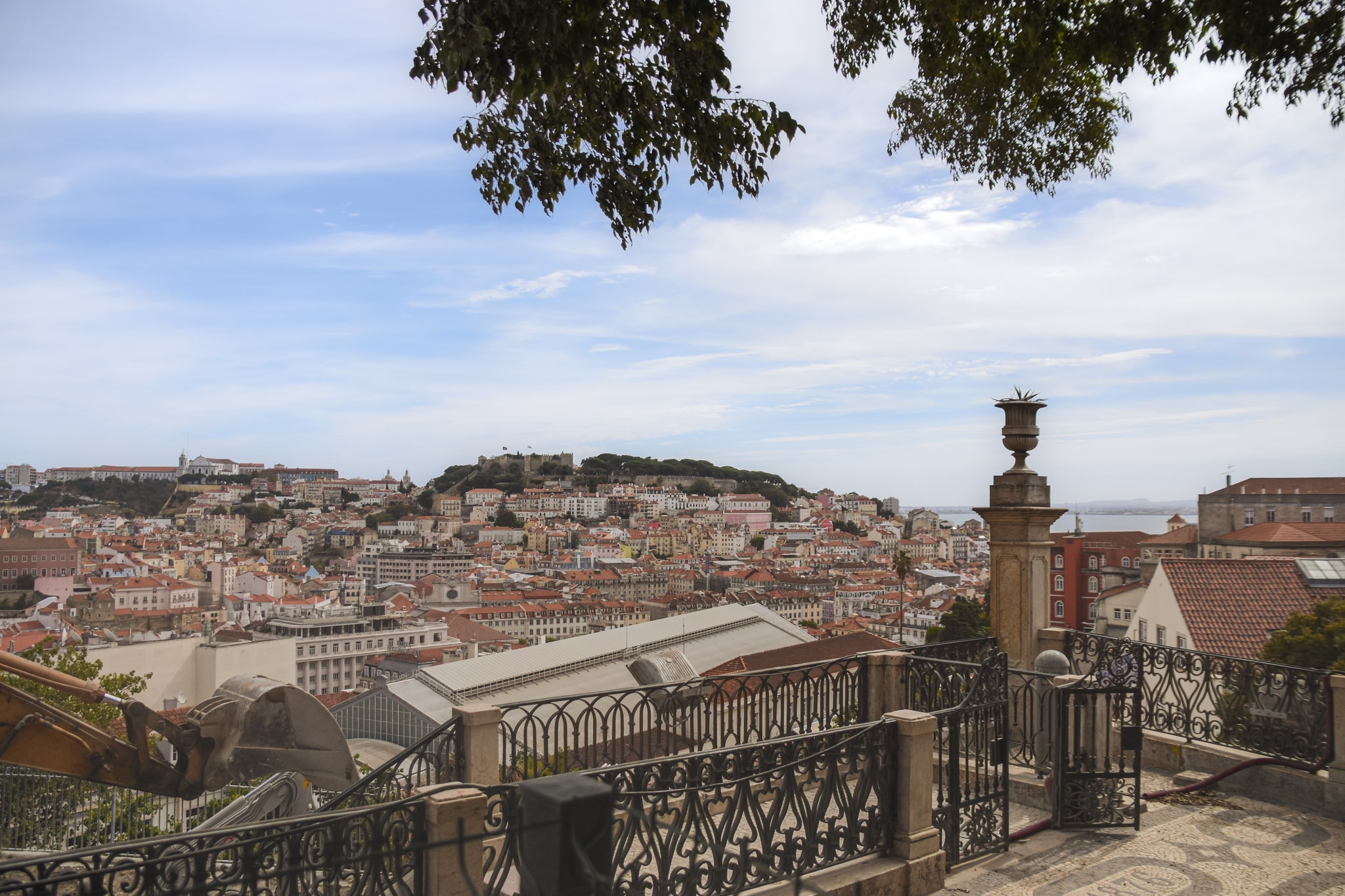
Lisbon is the vibrant and imaginative capital of this magnificent country.
The city swallows up the mouth of the Tagus River on Portugal's west coast and swarms around the estuary behind.
From the red rooftops to the water's edge, there's colour, passion and style. Simply put, it's an enchanting city where old ruins combine with new ways of living. Additionally, clean, crisp lines create a sense of beauty and decor you won't find elsewhere.
Despite its hilly landscape, Lisbon seems to blossom in the heat of the midday sun. For the most part, that is thanks to its funicular railways that move effortlessly up and down the city's hills.
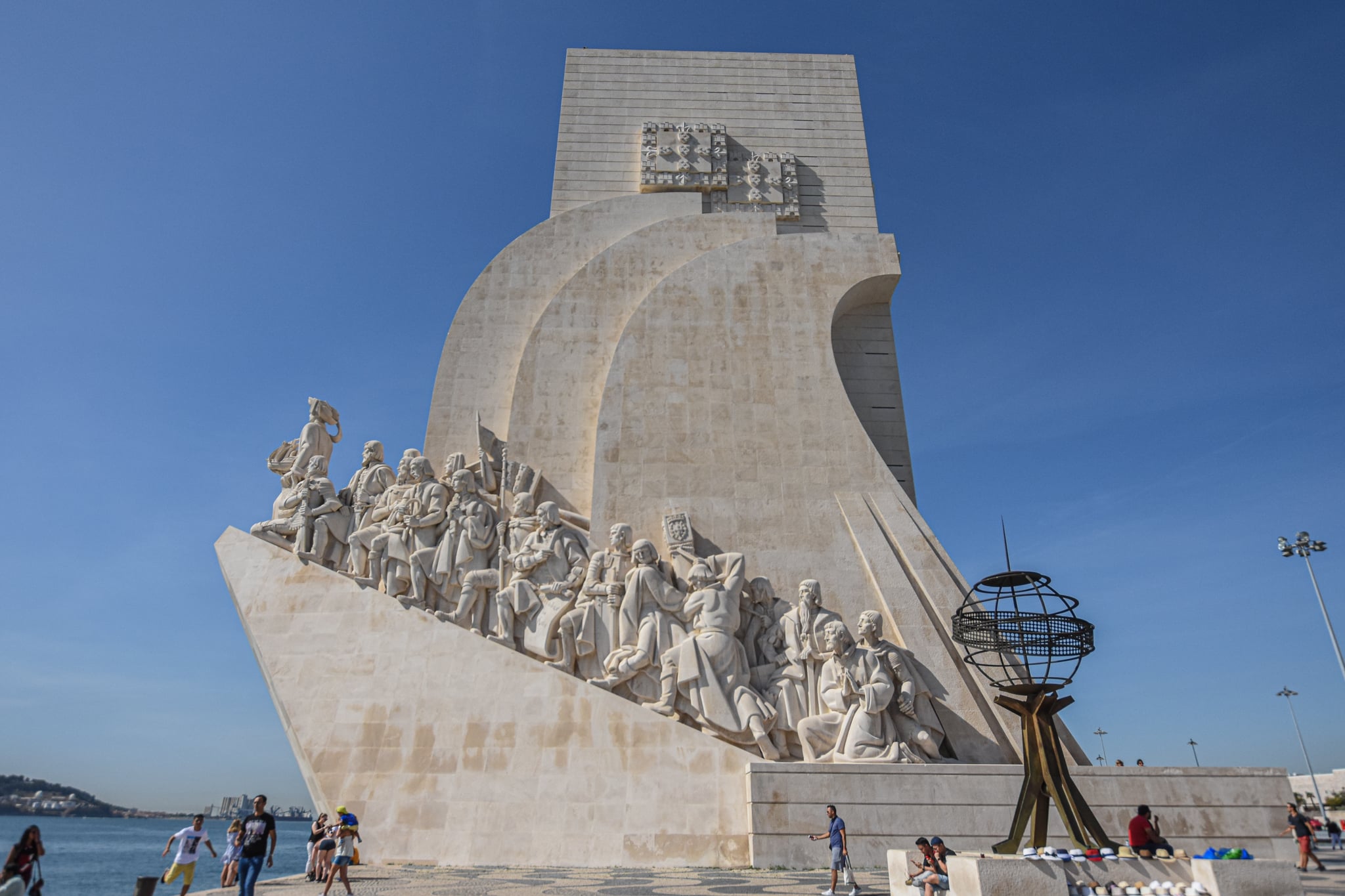
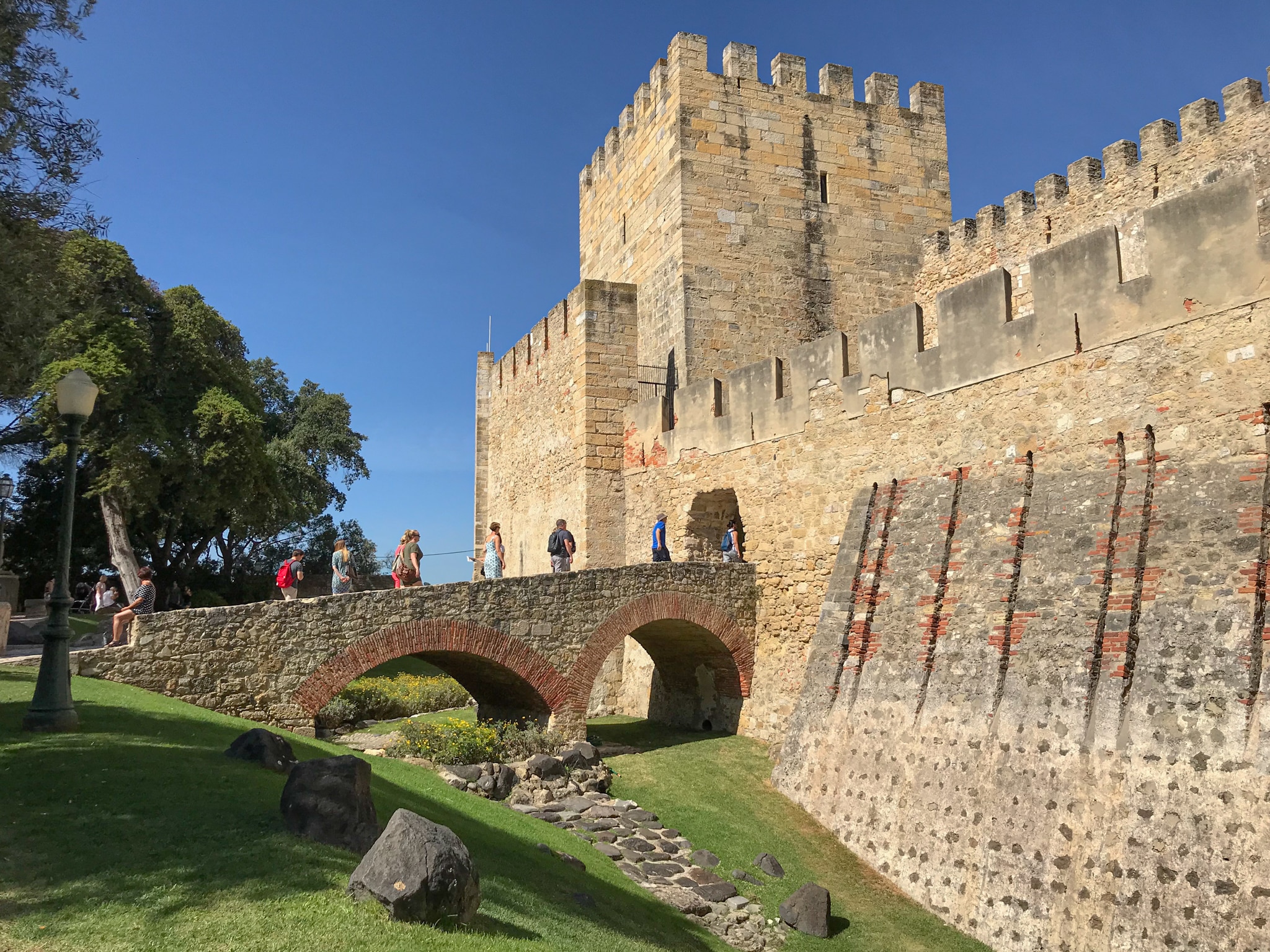
Furthermore, famous landmarks dot the city, from the staggering São Jorge Castle to the intricate Belém Tower. Yet, there is even more to this magnificent city. There's mouthwatering food, smells, and sounds, and it all builds up to create a feeling of pure joy.
Hence, you cannot be sad here in Lisbon. I think it might even be illegal. Who knows?
For more, please read our complete guide to visiting Lisbon here.
Porto
Ahhhhh, Porto, my long lost friend, when will I see you again?
The city is famous for its impeccable style, the majestic Douro River and, of course, the sweet, sweet nectar that is port.
Like Lisbon, the city encircles the river mouth where the Douro meets the Atlantic. Similarly, it's hilly, characteristically beautiful, arty, if you will, and comes with that excitement and buzz that an old city has.
In essence, there's magic around every corner, with startling architectural gems popping up throughout the city. Truthfully, the people are fantastic, and the city, as a whole, oozes style and class.
It even has the weather.
However, what it has most of all is port. South of the river has numerous port houses, classy restaurants, and enough alcohol to keep even Jack Sparrow going. Nevertheless, make sure you take a trip up the Douro to see where it's made, not just in town where it's sold.
I love it here, and I hope you do too.
For more, please read our complete guide to visiting Porto here.

The Algarve
The Algarve covers numerous ascetically inviting whitewashed coastal towns, pristine beach resorts and rugged coastline along Portugal's southern coast.
From the Atlantic in the west to the Spanish border on the east, the Algarve plays host to millions of tourists a year, all here for the perfect weather and golden sands.
Drifting inland and away from the glorious beaches, you'll find vast, often bare, mountainous terrains, fields of oranges, tangerines and the shiniest lemons you've ever set your eyes on.
In reality, the Algarve is a holiday destination, not somewhere you'd set up for the long term. Nevertheless, it's worth a week out, right?
For more, please read our complete guide to visiting the Algarve here.

Madeira
Four small islands off the western coast of Morocco make up the delightful Portuguese archipelago of Madeira.
Two of the four islands are inhabited. They're the northern islands of Madeira and Porto Santo. The other two islands are the Desertas and the Selvagens. Both are small, thin, rugged strips of volcanic rock.
Ultimately, the gorgeous coastal towns of Madeira are dwarfed by the staggering central volcanic 1,818-meter peak of Pico do Arieiro. Known for its pebbled beaches and green centre, the island is popular with tourists looking for a relaxing retreat within the subtropical climate.
Then there's the northernmost of the islands, the smaller of the two inhabited islands, Porto Santo, which is a relatively flat, volcanic, sparse brown landscape.
The Azores
Nine islands make up the exquisite Azores in the heart of the Atlantic between Portugal and the eastern coast of America.
For those who enjoy island life and spend most of the day in the sea, these beautiful islands are encircled by some of the best dive and snorkel spots and marine life on the planet, not to mention, some epic surf.
Back on land, stunning lakes, craters and green mountain ridges rule the roost. Waterfalls and treelined forests take centre stage around every rugged valley side.
In truth, it feels like a populated Jurassic Park.
What's It Like Backpacking Portugal?
Frankly, backpacking Portugal isn't something you would do. It isn't big enough or has enough to keep you occupied. However, it should be somewhere you visit as part of a more comprehensive European tour.
In reality, what Portugal offers is a few weeks exploring stunning cities and culture in Porto and Lisbon or a sunny two-week holiday in the sun in the likes of the Algarve or one of its many subtropical islands.
Within this small nation, you will find extremely-friendly people, superb coastal towns, sensational landscapes and the weather to match.
Portugal feels almost forgotten by backpackers and travellers alike. However, it is an incredible country and deserves all the accolades the likes of Spain, Germany, and the UK get. Let me show you why.

The Accommodation
Now, I'm throwing aside one of my visits to Porto, where anything and everything that could go wrong with accommodation went wrong. There were leaks, sockets that didn't work and doors that wouldn't shut. Basically, we just got unlucky.
It was a one-off and could happen anywhere. All my other trips to Portugal have resulted in fantastic accommodation, and I've tried out hotels, villas and apartments across the country.
With that said, being part of the EU, accommodation in Portugal has to meet strict criteria, which, on the whole, it does. No matter if you're staying in the cheapest location you can find and keeping the dream alive or livin' it up in the poshest hotel in the country. You will find all the essential safety criteria are covered.
In truth, you know what your budget is and what you're looking for. However, accommodation is a lot more affordable here than in many other parts of Europe.
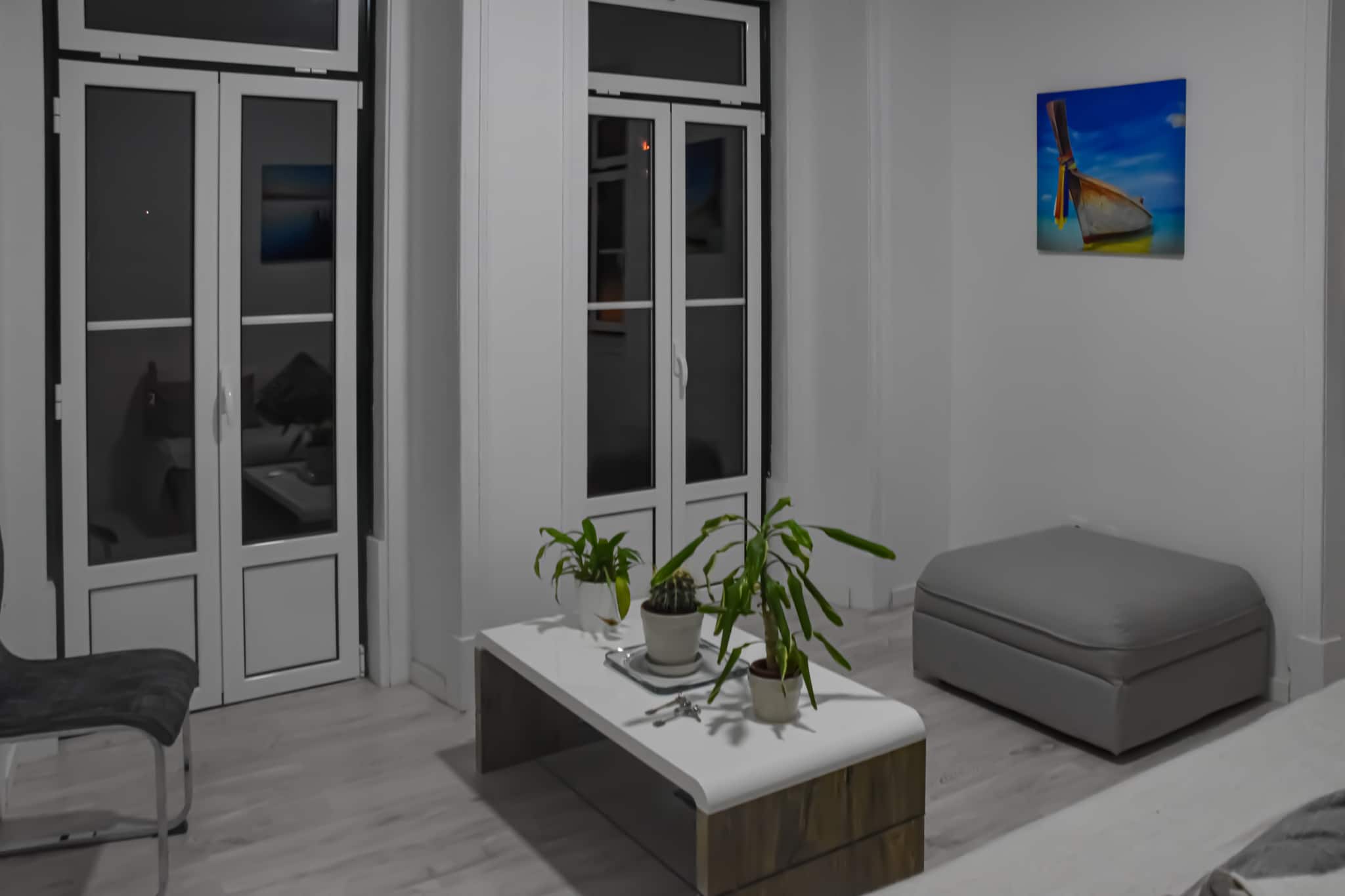
In and around the Algarve, there are numerous beachfront hotels, villas and private rentals overlooking the beach. Whilst back in the cities, there are, of course, hotels, apartments and hostels alike.
If you're backpacking Portugal on a budget and looking to stay in hostels, you can usually get away with booking the night before. However, in the high season, this may mean you miss out on the better hostels and have to settle for something further out or not your style.
If you want to stay in an Airbnb or hotel - I advise booking in advance as they quickly become full, especially between June to September.
Check our detailed accommodation guides for:
The Food
When people talk about European food, they speak of Hungarian goulash, Italian pizza, pasta and meatballs, Spanish paella and tapas. But I've never heard anyone throw down a comment about Portuguese foods.
With this in mind, I didn't know what to expect.
So, why is this? Is there something wrong with the food in Portugal?
No! It's incredible, fun, colourful and bloody delicious. Although, if you're veggie or vegan, you may struggle. Nevertheless, there is a growing market for vegan foods, but only within the major cities.
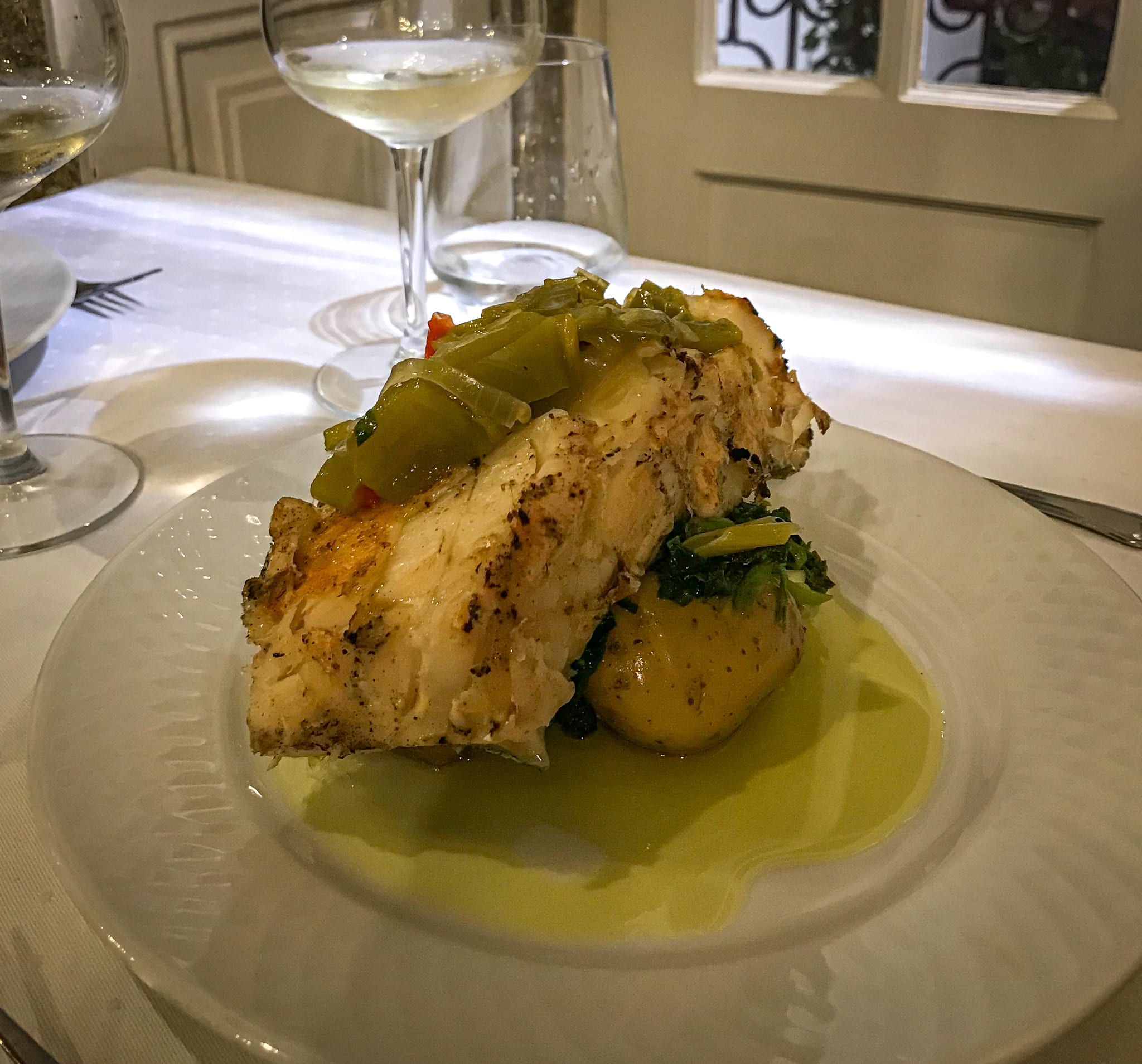
So, let's look at the national dish of Portugal, Bacalhau - A dried and salted cod.
The beauty of Bacalhau is that it comes in so many styles and can be eaten with numerous other ingredients, such as creams, potato and eggs, onions and garlic. Recipes change from restaurant to restaurant, but the same great flavours remain.
Outside of the national dish and its regional variations, you'll find countless recipes that affiliate with a particular location and aren't easily found elsewhere. Try as many as you can, and where possible, learn about them. Some have a fascinating background, such as the Alheira - a sausage typically made from beef, chicken and bread.
Of course, I couldn't let the food section go without a mention of sweet and sticky desserts. Portugal has had a deep connection with these delicious cakes and tarts.
Around two thousand eight hundred years ago, the Lusitanian people made scrumptious cakes from honey and acorn flour. Today, Portuguese pastries such as Queijada are made of cheese, eggs, milk, flour, and sugar. They are the foundation for all that's good in Portuguese puddings, including the most famous of all, the pastel de nata.
No backpacking Portugal trip is complete without tasting one.
The Culture
Culture in Portugal can be put down to three things. Firstly, a fascinating blended mix of each element of its past. Secondly, its location on the western fringes of Europe and finally, family.
Today, however, the culture in Portugal is mainly shown through its family ties, religion and food, often at the same time.
Religion
Despite its diminishing following, especially with the younger generations, religion still plays a role in daily life in Portugal. Christianity, in one form or another, i.e., Roman Catholicism, is the largest religion in Portugal.
With religion comes restful days spent at church, for prayer and with families. Numerous celebrations occur throughout the year, including Christmas at the end of December and multiple days set aside for certain saints such as Anthony, John and Peter, to name a few, all three of which occur in June.
Family
As mentioned, the culture of Portugal is built around family life. Your family is your foundation in Portugal, and whilst families never tend to get too large, extended family members don't tend to stray too far. As with religion, work, and almost every aspect of Portuguese life, hierarchy and respect are fundamental in any family outfit.
Clothing
Another historic cultural gem throughout Portugal is the traditional dress and accompanied dance. One of the most famous dances is the Pauliteiros de Miranda. Depending on where in Portugal you're from, the dance, the music and the dress change, but the same influences and means filter through.
Food
Finally, something that's been around longer than all of the above: food. Well, a loose tie, but it's there. Desserts and sweet pastries such as the pastél de Nata and the Toucinho do Céu have been used throughout the decades as a peace offering, a thank you and a show of gratitude. If you're invited to a family meal, these will always go down well as a gift for the hostess. That, or a large box of really good chocolates.

The Transport
From my experiences in Portugal, I have always enjoyed using public transport and the road system alike. I have hired cars, been on busses and used trams, underground, the funicular railway, taxis, and even a boat up the Douro, all of which have been great.
Furthermore, public transport in Portugal is, by Western European standards, extremely affordable. And luckily, due to Portugal's size, no journey will take that long. So let's look into the pros and cons of each.
Roads
Firstly, when hiring a car, you will be sitting on the left-hand side and driving on the right-hand side of the road. Also, you must be 18 to hold a driving licence in Portugal, not 17 as in the UK. Additionally, you cannot hire a car in Portugal until you're 23. Although, some companies make it 25 years old.
Within the major cities, you will be sharing the roads with busses, taxis and trams, which, if you're not used to this, can cause a bit of squeaky bum time. My advice is to park on the outskirts and jump on the busses, trams or underground within the city.
Out of the cities, the roads sweep through stunning countryside and are often in good condition. Nevertheless, the death toll on Portuguese roads is around double that of the UK. The figures in 2020 show that 4.8 deaths occurred on Portuguese roads per 100,000 people.
The last thing to note is that there are a lot of toll roads in Portugal, so plan your routes to avoid them if you're backpacking Portugal on a budget.
If you want to avoid driving altogether, the bus and coach services around Portugal are fantastic. Strangely, they can often be more direct and quicker than trains. Plus, they cover a lot more of the country.
For comparison, I've found a coach from Porto Airport to Lisbon's central train station will cost €9.99 (one way) and takes three hours and fifty-five minutes.
Trains, Trams and the Underground
Firstly trains - there are two types of trains in Portugal, Intercidades and regional. No matter which of the trains you take, make sure you book at least eight days in advance for excellent early-bird discounts online.
As you'll expect, the Intercidades run full speed between the cities whilst the regional trains are slower and meander around the local area. In truth, trains are probably the most scenic way to travel around Portugal. Yet, they are not always the quickest and do not cover the whole country.
For comparison, I've found a train from Porto to Lisbon will cost €23 (one way - booked in advance) and takes three hours and thirty minutes.
When it comes to the trams and the underground, life is much easier. They stay local within a city and are reliable, fun, and super cheap. They are the best way of getting around a city.
Planes
Despite numerous companies flying to and within Portugal, the Portuguese flag carrier is TAP Air. They fly routes throughout Europe and hit up some exotic but limited countries in Africa, South and Central America, San Franciso a handful of cities on the east coast of America.
More importantly, they fly to the aforementioned Portuguese islands. If you're backpacking Portugal properly, you will want to explore them, and flying is one of your two options.
That said, other, often cheaper or comfier operators fly within Portugal. So, consider them first before booking up.
In keeping with the trains and coaches, my price comparison for a one-way journey from Porto to Lisbon shows that you can fly direct with TAP Air. It takes one hour and will cost €39. Please bear in mind the hours on either side of the flight too.
Boats
Frankly, the only way to get to the Azores is to fly. But, once you're here, you can manoeuvre between all its islands using Atlânticoline. They offer several routes throughout the Azores and stop in at least one location within five of the nine islands. They are Sao Jorge, Pico, Faial, Flores and Corvo.
When it comes to the Madeira islands, the best way to get between Madeira and Porto Santo is the two hours and 20 minutes crossing onboard the Lobo Marinho, which can take 1150 passengers and 145 cars.

The Budget
As you can imagine, being part of Europe, you could spend more than your life's worth here, and that's just on the Port.
However, because the average wage in Portugal is relatively low, you will find that things are cheaper here than in any other Western European country. Therefore, if you find yourself in Europe and your budget dwindling quickly, Portugal might save you.
So without further ado, our three Far Out budgets are;
The 'Backpacker' Budget
Your only objective is to keep travelling. The secret? Keeping costs at an all-time low. This is the budget for you.
Accommodation - Sadly, you'll have to be looking at either free lodging, using Couchsurfing or one of the cheapest hostels you can find.
Firstly, if you're not a fan of Couchsurfing, hostels are more affordable outside of the main cities. Although, that does bring in extra travel costs. Having looked around, you should aim to pay around €13.77 (£12) a night.
Foods - Again, it's all about keeping it as cheap as possible, hence, you'll be buying food at either the markets or supermarkets. Honestly, that's not a bad thing. You can pick up a load of groceries for under €10 (£8.70), and that will last you the entire day.
Transportation -Despite Portugal's hilly landscape, it is walkable. So, crack out your best walking boots and get marching. You can't afford the Gucci life of private transport.
Therefore, I'm not budgeting any transport costs within the cities. However, whilst you have to move between the cities, it won't be an everyday occurrence. Thus, I am splitting the bus cost from Porto to Lisbon over five days, equating to a transport budget of €4 (£3.50) per day.
Drinks - Ok, so drinking is part of the travel lifestyle, and it is criminal to rule it out completely. Nevertheless, you will not be enjoying the likes of Taylors or Cockburns every evening. Unfortunately, you'll be at the supermarket, buying your booze in bulk and splitting it across the week. I'll budget you a four-pack or a cheap bottle of wine a night at €5 (£4.40) a day.
Overall - Your maximum backpacker daily budget for backpacking Portugal, including three meals, will come to a grand total of €32.77 (£28.60).
The 'Travellers' Budget
You've saved for this trip and want the ultimate bang for your buck. Money is tight, but you want the best experience. We've got you covered.
Accommodation - Ditch the Couchsurfing and jump into a hostel dorm with other enthusiastic travellers. This time, it's more about the hostel atmosphere than the lowest cost. Although often, they do come hand in hand.
In general, you can stay carefree in the major cities but do not go bat-shit crazy with your spending. You'll be able to find a nice hostel for around €18 (£15.50) a night.
Restaurants - Whilst you may still want to eat at the markets or grab some food on the go, and you should, you will have the luxury of eating out a couple of times a week in some of the low-end restaurants. It doesn't push the budget up too much and is worth it for a change of scenery.
Therefore, your daily budget for food will be €20 (£17.50).
Transportation - As with the backpacker's budget, you'll be walking around the cities or coastal villages. After all, it's cost-effective and the best way to see an area. However, you may be swayed by the yellow trams in Lisbon or a cheeky ride here and there, so your daily transportation costs will be slightly higher. Let's call it €6 (£5.20) a day.
Drinks - You want more than a cheap bottle of wine. Treat yourself, and try some of Porto's finest. Go wild - you've earnt it. What's a bottle of Port between friends and a few beers? Who cares if you spend €15 (£13) on booze? It's part of travelling.
Overall - Your maximum traveller's daily budget for backpacking Portugal, including three meals, comes to a grand total of €59 (£51.20).
The 'Daddies Credit Card' Budget
Your trust fund is finally available, and your Instagram followers need to see where you are in the world this week. You farted the other day, and a private jet came out. We haven't forgotten you.
Hotels - Ok riches - stand by for the most fabulous time. Although I'm sure you won't be backpacking around Portugal, you'll have someone carry your bag for you, probably the hotel porter. But which hotel? Well, I've gone and outdone myself for you here. Tips are welcome. DM me on Instagram to show your gratitude. I only take them in crip £50 notes.
Anyway, your hotel is the Onyria Quinta da Marinha Hotel where a night's stay in the Signature Suite with Balcony starts from €944 (£822.70), but don't worry, that comes with breakfast. Very modern, very Fancy!
Restaurants - Tonight, you dine in paradise... Well, as near to anyway, it's Loco in Lisbon, where a fine dining experience of 16 courses complete with wine pairing will cost a measly €235 (£205). Your round, right?
Transportation - You won't be walking. But, because of that, you will be missing things along the way.
Firstly, there isn't a lot of option out there for first-class quality private transportation across the country. Nonetheless, I have found these guys - Week Break Tours - and I know they're pricey. How do I know? Well, I have to ask for a quote. They don't put prices online. So, I'm going to say €150 (£130.70) a day... who knows?
Drinks - Ok peaches, if your intravenous drip of top-quality liquor runs out, your botox may just slide off your face, so let me hook you up with some quality drinkies. Brace yourself! I have found you Portugal's most expensive red wine ever.
A bottle of Herdade do Rocim Jupiter Code 01 2015 costs a whopping €1,000, and you're not going to be done with just one, are you? You're not bloody poor. I'll factor two bottles a day or one bottle and something else slippery. That gives you a decent budget of €2,000 (£1,743) per day on booze.
Overall - Your daddies credit card daily budget for backpacking Portugal, including three meals, will come to a grand total of €3,329 (£2,901.40).

The Best Things To Do When Backpacking Portugal
Relax on an Algarve Beach
Within its 130 mile (210km) coastline, the Algarve arguably has some of the best beaches in Europe.
Virtually every cove contains quirky, almost fluorescent golden-yellow sands, warm Atlantic waters and staggering rock formations. Then, there are the 300 days of sunshine a year to throw into the equation. What more do you want people? I'm giving you paradise on a plate.
Oh, ok, you also get sun loungers and umbrellas that dot the beaches. Behind that, the promenade is scattered with ice creameries and little cafes selling snacks whilst the bars serve up ice-cold beer.
If it gets too hot, get up, walk the few meters to the sea, and flop into the cooling waters and let the current bob you about until you're ready to sink back into the lounger.
If you need timeout to sit and do nothing, this is the place for you.

Drink Port in Porto
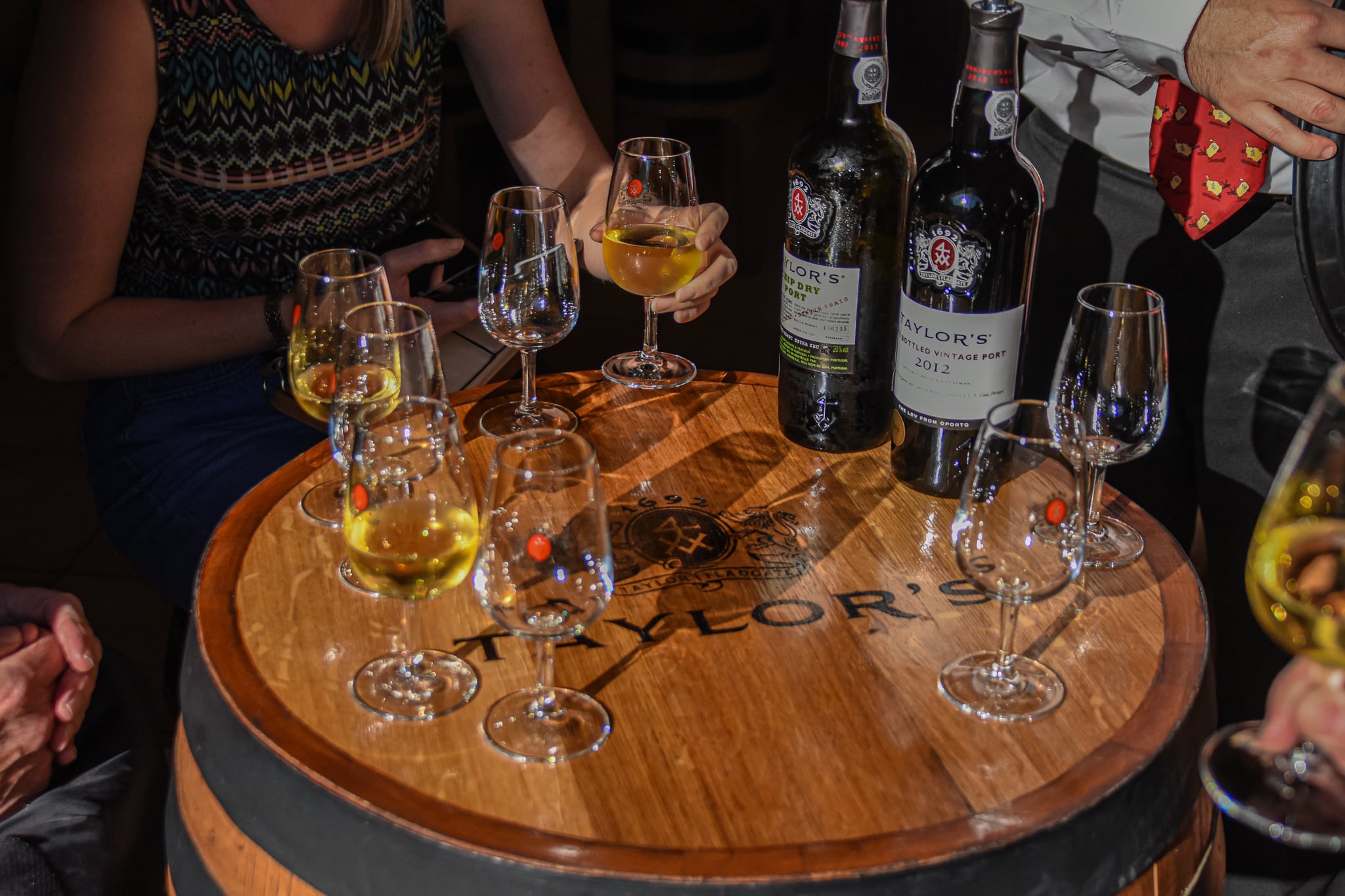
I am biased as I love port. Yet, the port in Porto is like what I imagine Eve must have tasted when she picked the apple from the forbidden tree. It's just too good to resist.
The southern banks of the Douro River are a carpet of large signs that light the night sky, each drawing you into their port houses for a sneaky tipple. Do it, take the bait and head inside.
The smells are magnificent, the atmosphere alive and taste to die for.
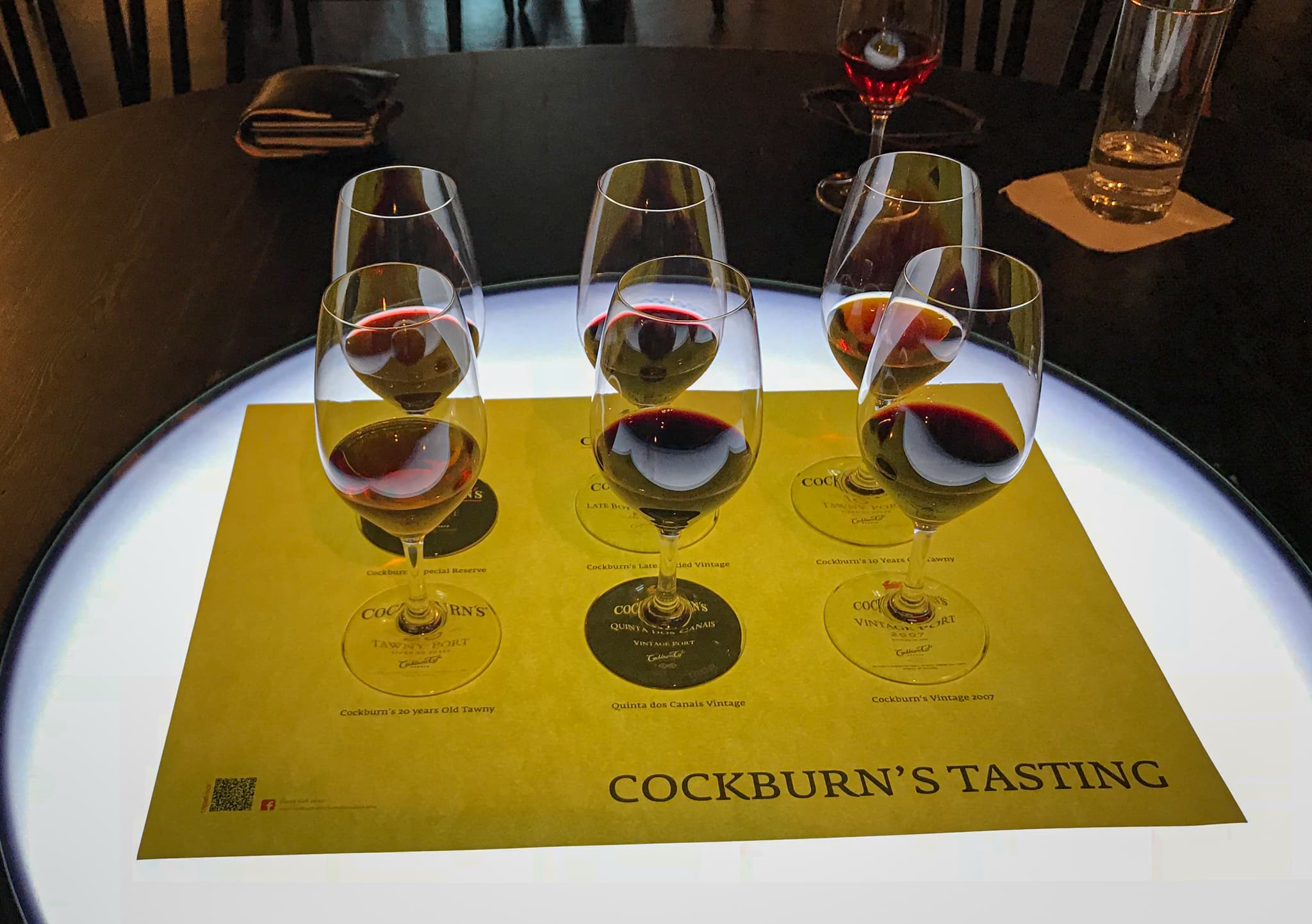
My advice is to take a tour of a port house. I highly recommend Taylor's. But then nip down the road and do a tasting session at Cockburns. Enjoy the stagger home...
If you get the chance, jump onboard the Douro River Cruise too.
Taste the delights of a Pastel de nata in Belém
Whilst backpacking Portugal, you simply cannot miss the capital, Lisbon.
Each suburb brings a different vibe, culture and attitude and, for me, one of the best areas is Belém.
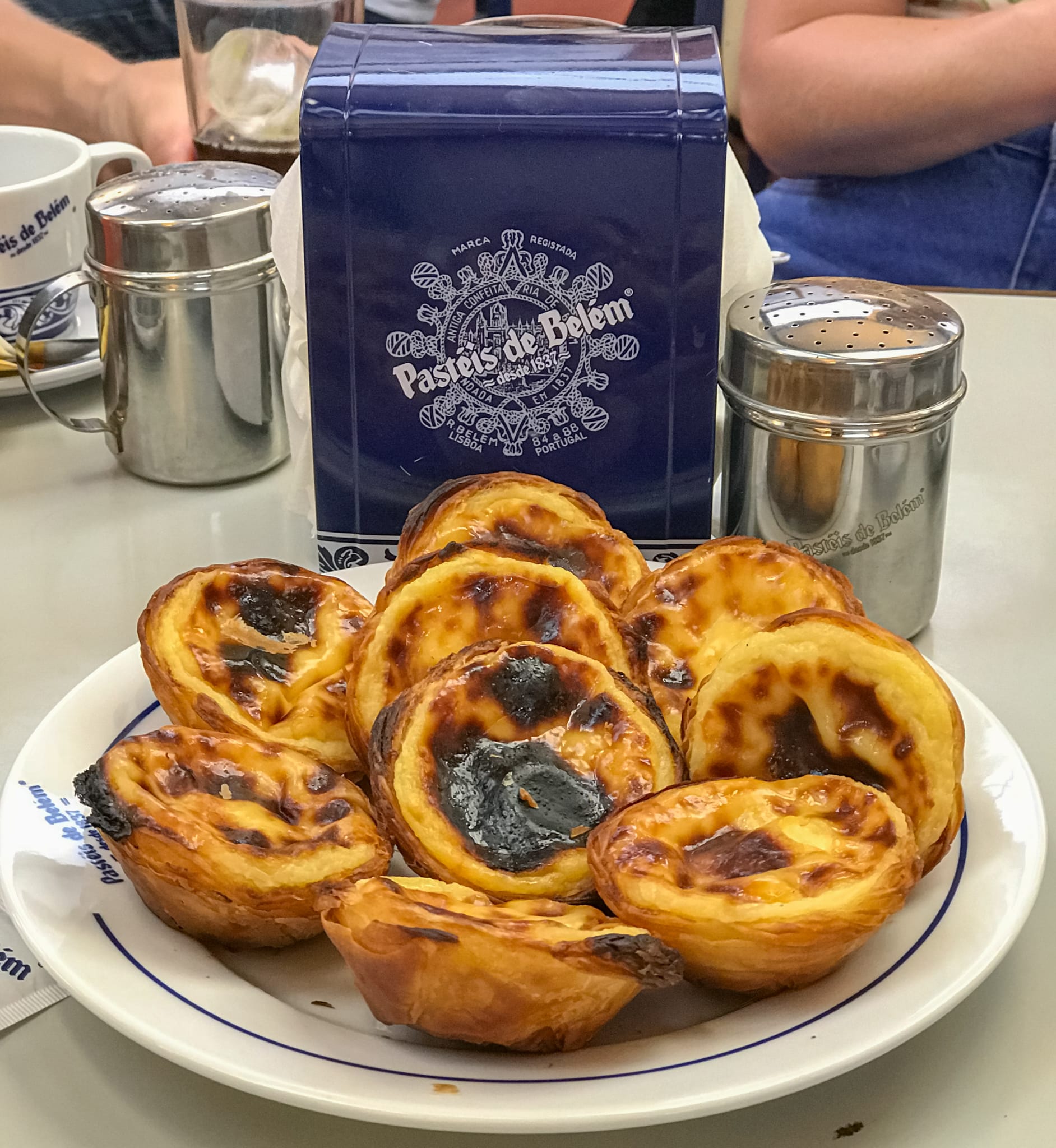
Not only is there the impressive Belém Tower, but there is the Jerónimos Monastery. Before the 18th century, monks from the monastery started selling pastries to earn a living. However, it is believed that in the 1820s, during the dissolution of religious orders, they started selling the small custard tarts known as Pastéis de Nata.
Since then, they have become a symbol of the area and are firmly associated with the monastery just down the road from where they are made. No trip to Lisbon is complete without tasting these famous pastries at the exquisite Pastéls de Belém.
These honestly are little custard tarts made by angels. Don't forget to order at least three each. You'll thank me for that!..
Preparing To Backpack Portugal
Suggested Itineraries
Coming soon
Speaking Portuguese
Now, I once learnt the basics of Portuguese for a holiday way back when I was a kid. Since then, I've never spoken a word of Portuguese. However, I will do my best to help you on your way.
Good luck. You're in trouble if you're relying on me.
| English | Portuguese | Greg's Pronunciation Breakdown™ |
|---|---|---|
| hello | o'la | o'la |
| bye | tchau | chow |
| my name is... | meu nome é | mil nom yea |
| yes | sim | sing |
| no | não | nelm |
| ok | ok | o-key |
| please | por favor | por fav-or |
| thank you | obrigada | o-brig-ada |
| sorry | desculpe | jiz-culp-e |
| how much? | quantos | quan-tos |
| excuse me | desculpe-me | jiz-culp-e-me |
| what? | o que | o-key |
Visas and Borders
Visas
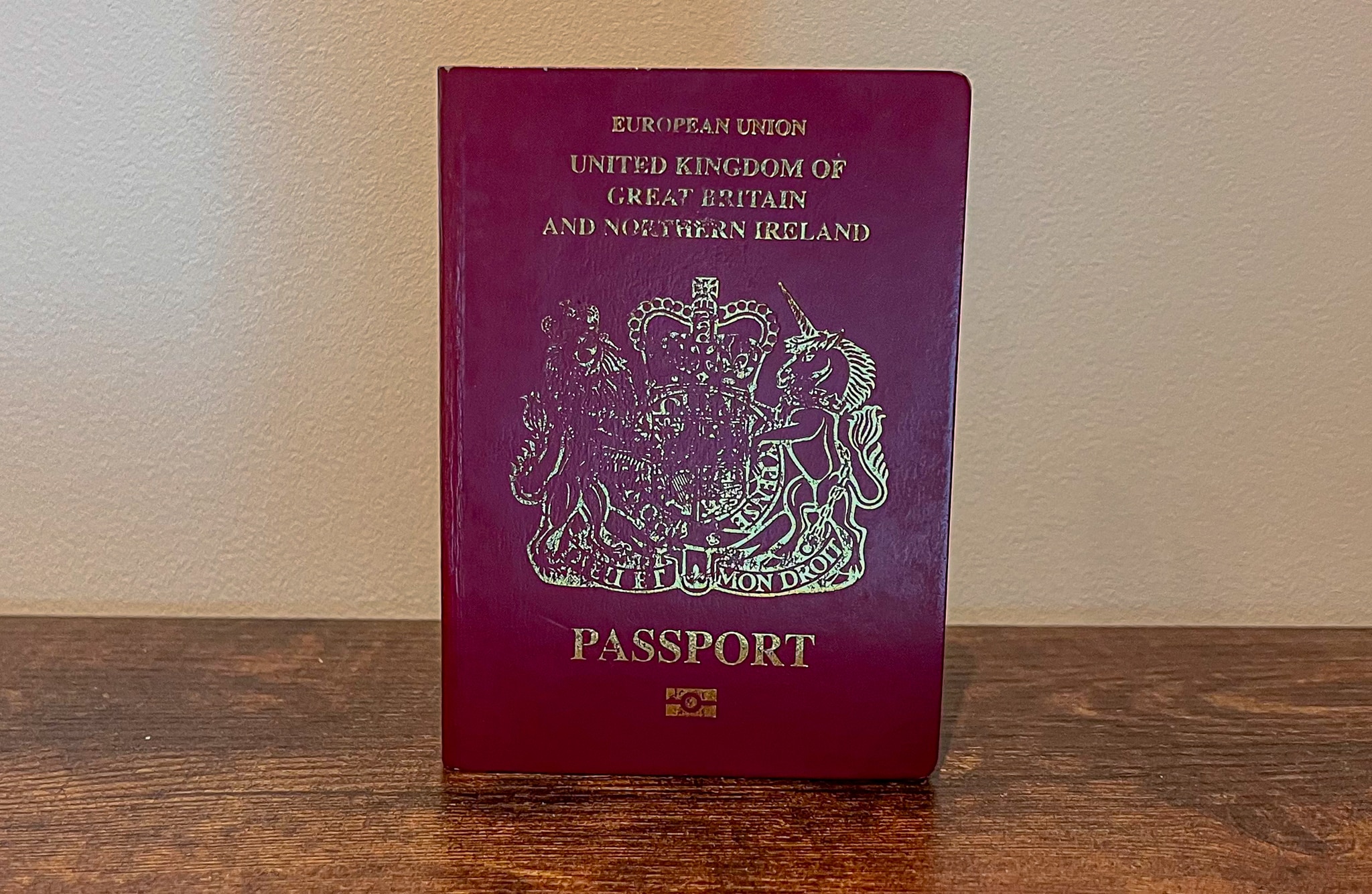
As with the other European Union/Schengen countries, Portugal allows freedom of movement between itself and the twenty-five other members. More importantly, this movement between countries is hassle and cost-free.
Therefore, if you are a national of any of the following countries, you are free to enter Portugal as often as you like.
Austria, Belgium, Czech Republic, Denmark, Estonia, Finland, France, Germany, Greece, Hungary, Iceland, Italy, Latvia, Liechtenstein, Lithuania, Luxembourg, Malta, Netherlands, Norway, Poland, Slovakia, Slovenia, Spain, Sweden, and Switzerland.
Similarly, if you are from a Schengen country, which is also part of the EU, you can work and study in Portugal without a visa. Anyone outside of the EU will need to obtain a work visa if you're planning to work in Portugal.
On the first of January 2023, Shengen Counties introduced an ETIAS Visa Waiver form (European Travel Information and Authorisation System), which will cost €7. Free if you're under 18 or over 70. Everyone outside of the Schengen agreement will have to get one, and it will be valid for three years.
However, for now, nationals of the following countries can travel to Portugal for up to 90 days visa-free within 180 day period:
Albania, Andorra, Antigua & Barbuda, Argentina, A.R.Y.M, Australia, Bahamas, Barbados, Bosnia and Herzegovina, Brazil, Brunei, Canada, Chile, Colombia, South Korea, Costa Rica, Dominica, East Timor, El Salvador, Georgia, Granada, Guatemala, Honduras, Israel, Japan, Kiribati, Malaysia, Marshall Islands, Mauritius, Mexico, Micronesia, Moldova, Monaco, Montenegro, Nauru, Nicaragua, New Zealand, Palau, Panama, Paraguay, Peru, Solomon Islands, Samoa, Saint Christopher and Nevis, San Marino, S. Vincent and the Grenadines, Saint Lucia, Serbia, Seychelles, Singapore, Tonga, Trinidad and Tobago, Tuvalu, United Arab Emirates, United Kingdom, United States, Uruguay, Vanuatu, Venezuela, Vatican.
Outside those countries, I'm afraid you'll have to apply for a visa to enter Portugal.
Borders
Portugal and its islands only have one land border, and that is to the east and north of the mainland, with Spain. Although, you wouldn't know it as you cross between the two. It's that flawless EU/Schengen agreement that allows you to move between any country without any issues.
When it comes to water-based borders, Portugal's five largest ports are the Port of Lisbon, the Port of Aveiro, the Port of Leixoes, the Port of Setubal and the Port of Sines. However, the four largest passenger ports are Lisbon, Madeira (Funchal), Porto (Leixoes) and Ponta Delgada.
What to Pack
Why is this always the most challenging bit of any backpacking trip? The deadly packing list.
You cannot miss something, as you're guaranteed to need it. Yet, you know you'll pack some things you'll never use.
Annoyingly, what doesn't help is that there are so many packing lists out there all claiming to be the best or the ultimate packing list.
Well, yeah, they are for that person or for them to sell you something. That doesn't make them the best for you. Take your time and pick a few items from each list to create your own top backpacking Portugal packing list. That said, the below helped me out, and whilst I am not claiming it will save your trip, it may jog your memory.
For a complete packing list, feel free to check out our overarching What to Pack Blog.
Our Top Pick for Backpacking Portugal is...
Reusable Bottle
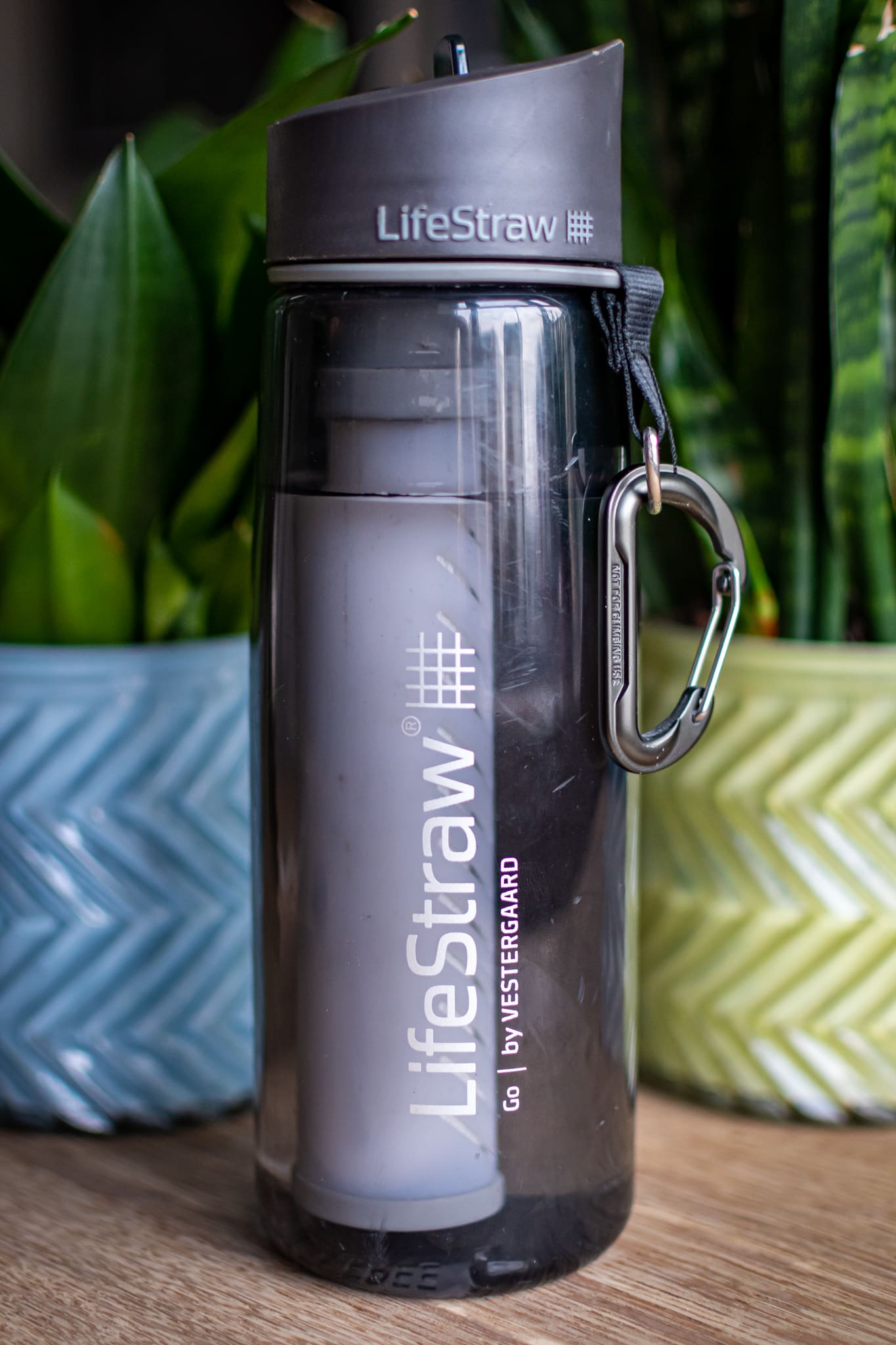
I'm not going to lie - it took me a while to decide on a reusable bottle being my number one must-pack item for Portugal, so hear me out.
Portugal has a variety of climates, raw and rugged landscapes, and numerous activities from drinking port to riding a yellow tram and on to relaxing on a beach in the Algarve.
And frankly, the one thing they all need is a good sip of water to keep you hydrated and refreshed.
Furthermore, you can fill up with tap water and save having to buy plastic bottles everywhere you go.
Best of the Rest
Clothing and Shoes ∼
In truth, what clothing and shoes you take will depend on where within Portugal you're heading and what time of year you're going. For example, if you're hitting up the Algarve or a Portuguese island in the summer, you'll need flip-flops, swim gear and lightweight t-shirts.
However, if you're looking at a city break to Porto or Lisbon during the winter, you'll need a new wardrobe. Jumpers, raincoats and long trousers. Furthermore, if you're backpacking Portugal, as a whole, you will need to consider all of these factors.
Electronics ∼
As always, if you're travelling to any country, it's important to take a camera with you. After all, it provides the best memories.
Here, in Portugal, it's no different. There are some incredible places to visit, see and explore, and they demand the best photos. I use a Nikon D500 and would recommend them to anyone. Grab a decent lightweight lens such as the Sigma 17-50 F2.8 and a couple of memory cards with lots of space, ideally 128gb or more, and you're good to go.
If you plan to stay for longer than most, a Seagate 2-terabyte lightweight hard drive may also be in order.
Aside from cameras, you'll need a European plug adaptor. I use the iBlockCube and love it. It's lightweight and compact and has three USB ports, two type C ports, and a changeable plug socket that works in over 150 countries. Not just handy for Portugal, hey?
Toiletries ∼
Honestly, this is a case of packing items you'd use back home. There are no restrictions on toiletries as long as they are under 100ml (in hand luggage) and in a clear, sealed bag.
Although, if you do forget something, it isn't the end of the world. Portugal offers a wide variety of cosmetics and toiletries. The chances are, you'll find the same items here as you would at home.
The only addition is suncream. I always go for Niva. I trust it, have used it and like it. It protects me from the sun and doesn't leave me with white marks on my clothes or my skin feeling sticky.
Bags ∼
If you're backpacking Portugal with just a carry-on bag, it must be small, durable, comfy and strong. If, however, you're staying for a longer prior of time, you should be looking at the sixty-five-litre bags with a detachable day bag.
As always, I recommend that this is where you spend your money, as you get what you pay for with bags. In my opinion, both Osprey and Berghaus provide the best quality and most comfortable bags. I have both and will never deviate from them.
Female Travellers ∼
Being male, I understand I cannot give you the best advice, and suggest you talk things through with other women who have been to Portugal. Nevertheless, I know a lot of female travellers and often ask for their advice and opinions on travelling within different countries.
I have never had one female travel friend say they couldn't find suitable sanitary products or toiletries in Portugal.
Travel Insurance
Despite Portugal being named one of the safest and most stable countries in the world to visit, I wouldn't be doing my job if I didn't say - get travel insurance.
The chances are you won't need to use it; hopefully, that's the case. But, it is always peace of mind knowing it's there in the background should you need it.
After all, because backpacking Portugal is so safe, the insurance can be bought cheaply.
To me, that sounds like a no-brainer, cheap insurance and peace of mind.
Obviously, there are numerous places to get insurance, but if you are a Revolut metal card holder, you may find you're already covered.
To get a Revolut card covering both finances abroad and all your insurance needs, check out the link below.

Backpacking Portugal Ethically
Usually, when discussing backpacking and ethics, the same old subjects rear their ugly heads, animal welfare, plastics, rubbish, and lack of education.
So which of these will you experience whilst backpacking Portugal?
Firstly, plastics are an issue. Numerous bottles and food packaging still come in plastics, but the Portuguese are educated and tackling the problem. You can help by not adding to the issue during your travels. Simple steps can be taken. For example, take a reusable bottle with you, and buy fresh produce from the markets and stalls that wrap their items in recycled paper.
Next is animal welfare. As with its neighbour Spain, bullfighting is legal, and despite not hearing about it as much, it still exists.
Whilst it has been made illegal to kill the bull during the 'sport/contest', on most occasions, the bull is still put down after the fight due to its injuries. It is cruel and is often a painfully slow death for the animal.
Another animal welfare issue to keep in mind whilst backpacking Portugal is dolphin shows. Sealife centres, including Zoomarina in the Algarve, put on dolphin performances and allow people to interact with the dolphins. Again, I'm not here to say don't go. I'm not your mother. Nonetheless, if you are interested in animal welfare, think about how far a dolphin swims in the wild.
However, the main ethical issue in Portugal is pay and the national minimum wage. The Portuguese are amongst the lowest-paid people in the EU and fall well short of other countries in Western Europe. Therefore, as someone backpacking Portugal ethically, you should bare this in mind. Do not flash wealth or act in a way that undermines the living wages of local people.
Safety
Much like the rest of Western Europe, Portugal is a safe place to travel.
In fact, in 2022, Portugal was ranked sixth out of one hundred and sixty-three countries worldwide in the global peace index.
The Portuguese people are amongst the friendliest and most welcoming people in Europe. Therefore, backpacking Portugal is about as safe as it gets.
Violent crime is extremely low and even more so when you incorporate foreign travellers into the equation. The murder rate currently stands at just under one person for every one hundred thousand people. For reference, the USA is around six and a half people per hundred thousand.
Portugal has also managed to avoid any deadly terror attacks the likes of Spain, Germany, and the UK have seen since 2000. Having done a quick bit of research on the matter, since 2000, there have been two attacks, both in 2011. Whilst a terror attack can never be ruled out, you are extremely unlikely to come across such an incident when backpacking Portugal.
In truth, the main safety issues for anyone backpacking Portugal will come at the coast. Portugal is known for its raw and rugged coastline and sweeping Atlantic current. Respect the sea, be careful on clifftops, and you should have a peaceful, safe time in Portugal.
Brief History
The oldest current proof of human existence, in one form or another, in Portugal dates back around 400,000 years ago. However, the earliest evidence of the Neanderthal presence in Portugal dates back 105,000 years. Then, a fair few years later, around 35,000 years ago, homosapiens arrived in the Iberian peninsula, including in Portugal.
Celtic Tribes
Since then, the Cynetes and numerous other Iberian and central European Celtic tribes roamed and invaded the Portuguese landscapes. Although, it wasn't until the 3rd century, when the Roman Empire came knocking, that the country fell to an empire. Yet, the tribes didn't go without a fight. It took the Roman army more than two centuries to claim the Iberian peninsula and modern-day Portugal.
Roman
Thirty years after the fall of the roman empire in 409, the Germanic tribes of central Europe took up residence as the country was once again split north to south. Numerous battles were waged for territory, crops, mines, money and religion. The Visigothic Kingdom defeated all who dared to believe and ruled Portugal and Spain and even pushed into parts of central Europe, but Christianity remained.
Moors
That was until the North African Moors conquered the peninsula and brought the Muslim faith in 711. Muslim control in south Portugal lasted until 1249. Yet, that doesn't tell the whole story of Muslim rule in Portugal.
Treaty with England
However, it wasn't until its alliance with England under the 1386 Treaty of Windsor that Portugal began to prosper. After this alliance, Portugal discovered the Azores and quickly became an empire taking parts of North Africa, South America and Asia. Nevertheless, the decline soon followed after King Philip of Spain took control of Portugal in 1581. Portugal didn't regain independence from Spain until 1640. Although, once it did, Portugal enhanced its status in the world of politics by signing another treaty with England in 1704 called Methuen Treaty.
Since then, Portugal has - with British help, eventually repelled many attacks from the French and Spanish and undergone many rebellions but has held its borders.
Our Portuguese Stories
Porto, Portugal: Discover life on the Douro
O’Porto, you bring me sunshine, booze and sunsets to die for.
Lisbon, Portugal – A Travel Guide
If you’re thinking of yellow trams and tasty treats, it has to be Lisbon, right?
The Algarve, Portugal – A Travel Guide
For when life is just too much. Pull up a lounger and just do nothing in the sun.