Sri Lanka
Last Updated: May 8, 2026
NEED THE ESSENTIALS FOR BACKPACKING SRI LANKA NOW?
WHERE TO VISIT | BEST STUFF TO DO | SUGGESTED ITINERARIES | SRI LANKA BLOGS

Heads up: We sometimes work with companies to provide affiliate links and reviews - here's what that means. If it's here, we use it. We don't plug shit for profit.
Backpacking Sri Lanka In 2026
Backpacking Sri Lanka is one of the craziest, most entertaining and beautiful experiences you can imagine.
This small island punches well above its weight, with a large dose of mystique, that no other country quite encapsulates.
I spent a couple of weeks backpacking Sri Lanka. Which I fully intend to increase to at least a month next time.
We didn't plan too much other than a rough route. For me, that's the best way to backpack Sri Lanka (or anywhere, really): keep loose, flexible plans.
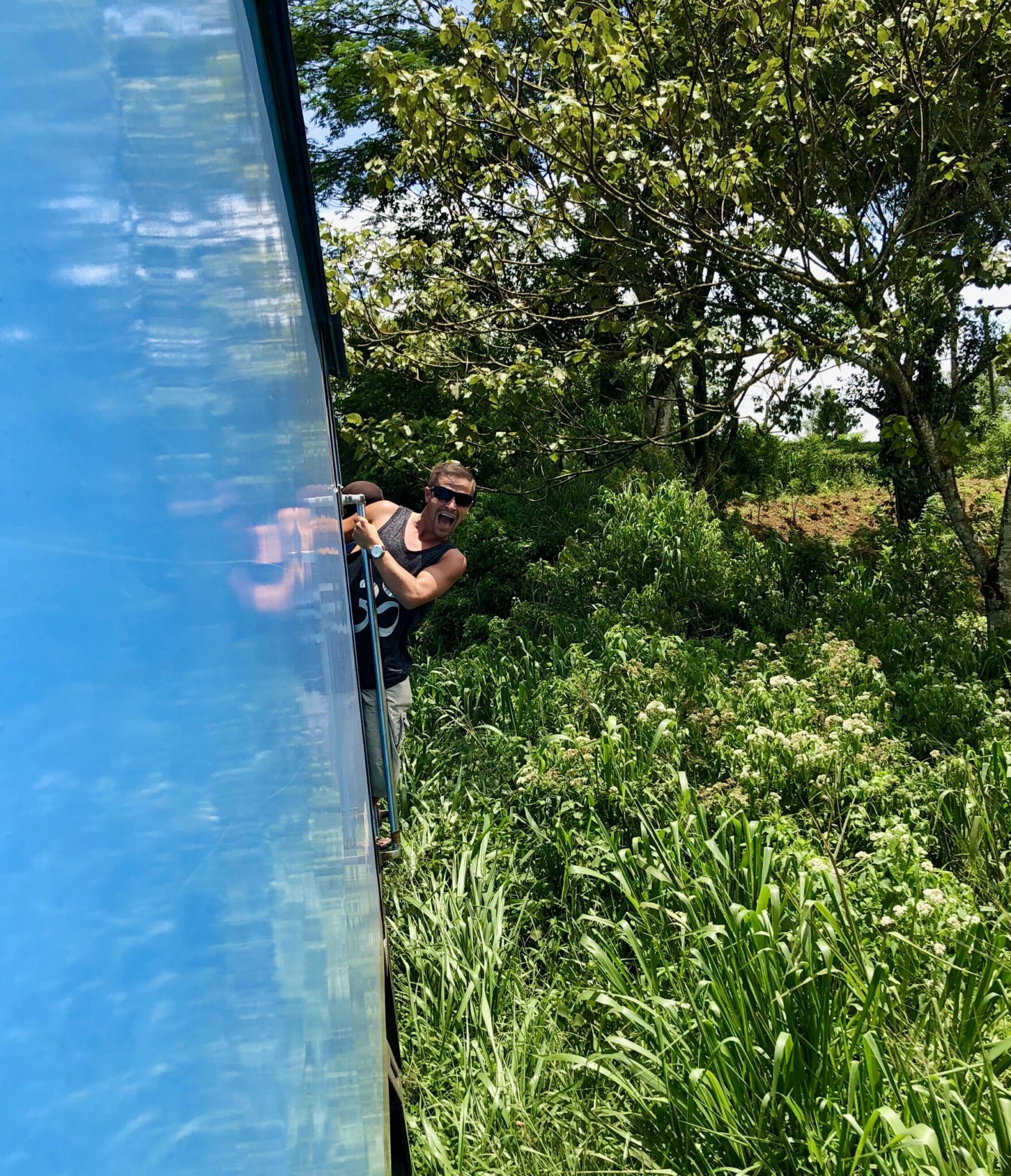
We explored bustling towns, gorgeous beaches, and famous landmarks, such as Sigiriya. Even between towns, we had fun with events such as hanging out of the picture-perfect doors of the Kandy to Ella train.
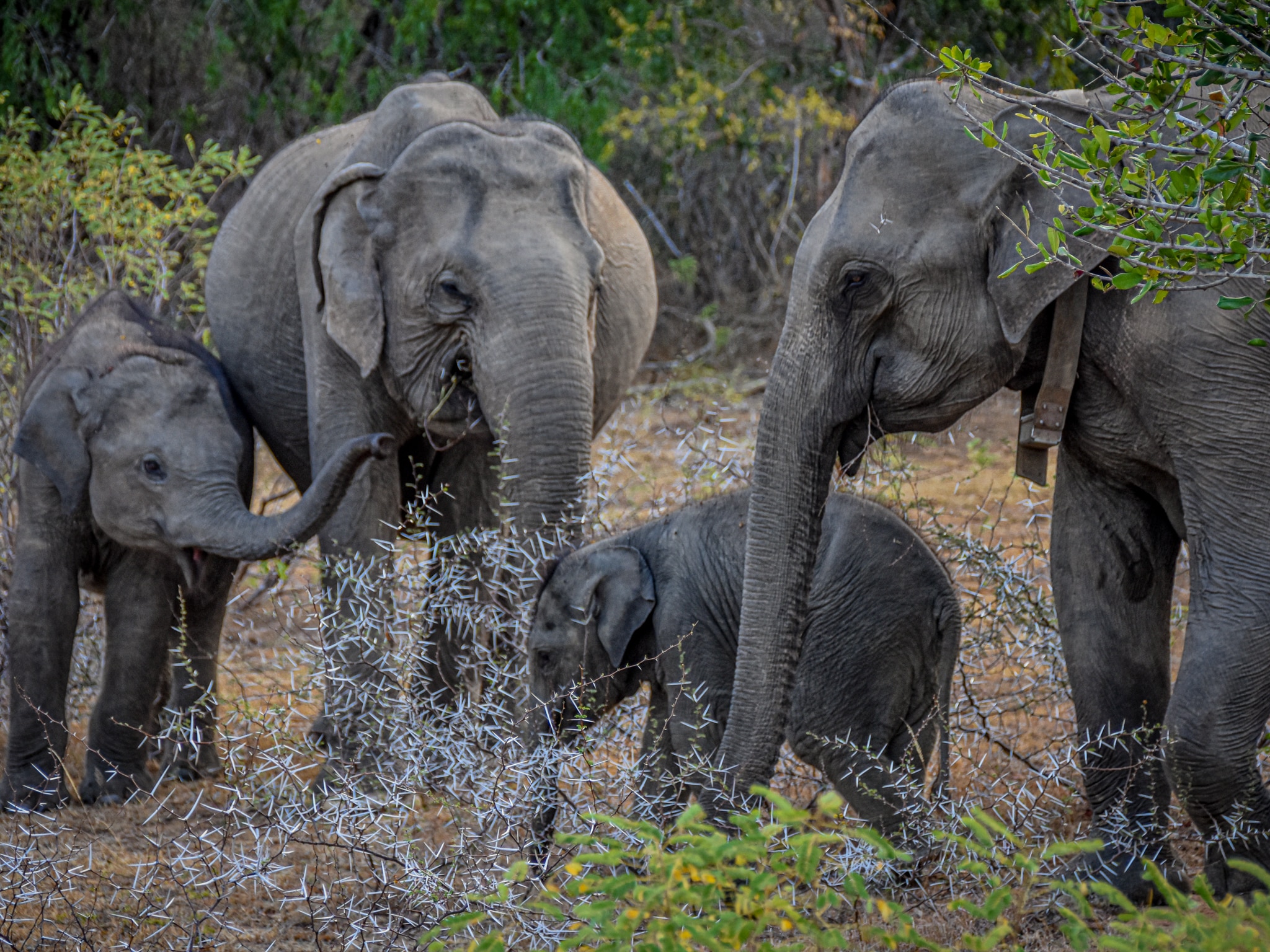
It was, however, the wildlife and foods that made Sri Lanka so special and oh-so memorable. The safari in Yala National Park is something that will stay with me forever. Seeing leopards, wild elephants and so many other fascinating wild animals in their natural habitat made me feel like David Attenborough.
Backpacking Sri Lanka also provides an easy, yet charming foray into the madness that is Asia. It has all the hallmarks of Asian life, but with the comforts and often the safety of home, unless you're on the roads, that is.
Yes, people visit Sri Lanka for a holiday. But for me, the only way to see this magnificent country is with a backpack on and time to explore.
Why Sri Lanka?
Sri Lanka should be a strong contender on your backpacking bucket list for many reasons:
Firstly, the weather.
Sri Lanka has some truly glorious weather, in part, due to being so close to the equator.
Whilst its beaches are draped in the heat of the sun, its mountains are carpeted in cooler climates, and there's every shade in between. This variety creates the diversity that makes backpacking through Sri Lanka so enjoyable.
Second, its beaches.
Sri Lanka's beaches, in my opinion, are among the best in the world. The majority of them are lined with flowing palms, whilst the fine white sands caress the flawless incoming waters. It truly is paradise.
And if that wasn't enough, how about...
The miles and miles of roaming tea plantations.
The countless waterfalls.
What about the picturesque mountains?
And then there's the wildlife. Sri Lanka is magical anyway, but for those who get to see the leopard? Well, we're talking dreamland.
But Sri Lanka is not reliant on its natural beauty. No, there's so much more to this island nation. It's home to some of the best foods to have ever passed my lips. And then there's the rich culture and the wild rides to be had on safari, on the trains, and particularly on the roads.
Sri Lanka is the perfect place for those who are unsure about joining the ranks of backpackers in Asia, particularly because English is commonly spoken. Yet it also offers a lesser-travelled world for the seasoned backpacker.
If you're still unconvinced, check out my stories as I backpacked around Sri Lanka.
Quick Stats
Currency
Sri Lankan Rupee (LKR)
Religion
Buddhist 70.2%
Population
21.95 million
Language
Official: Sinhala
Also: Tamil & English
When to Go
High Season: Dec - April
Low Season: May - Sept
Price of Beer
£1.40 a Pint
(Where available, alcohol is not always easily found)
Our Sri Lankan Stories
Galle, Sri Lanka – A Travel Guide
Galle is famed for its 16th century fortified walls which encompass the stunning Dutch Hospital. It is a highlight on your adventures through Sri Lanka
Nuwara Eliya, Sri Lanka – A Travel Guide
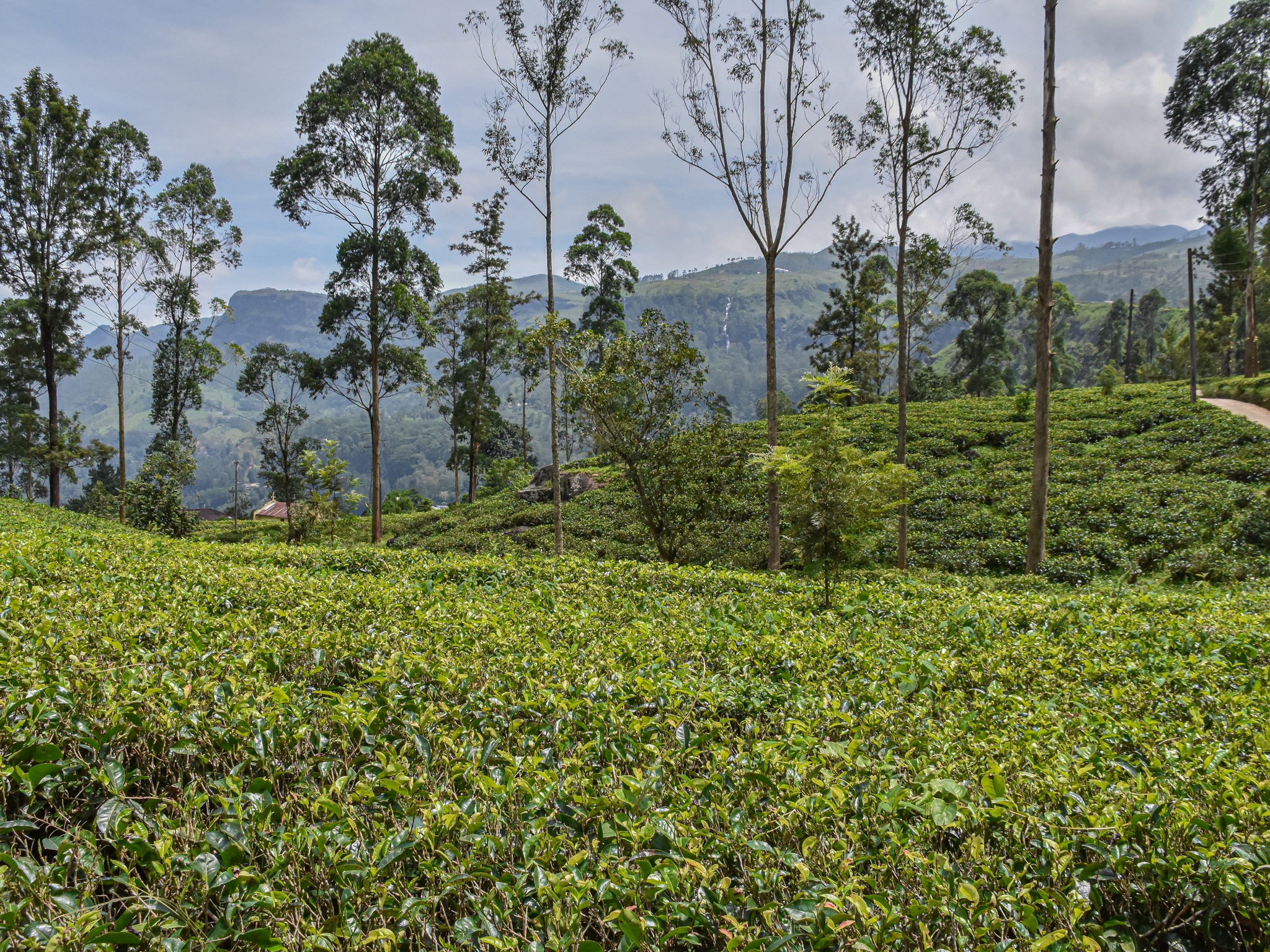
The ‘Little England’ of Sri Lanka, Nuwara Eliya is nestled high in clouds, and is home to a vast amount of the countries tea fields.
Yala National Park and Tissamaharama: The Wild Side of Sri Lanka
Join the elephants and leopards in the wild side of Sri Lanka.
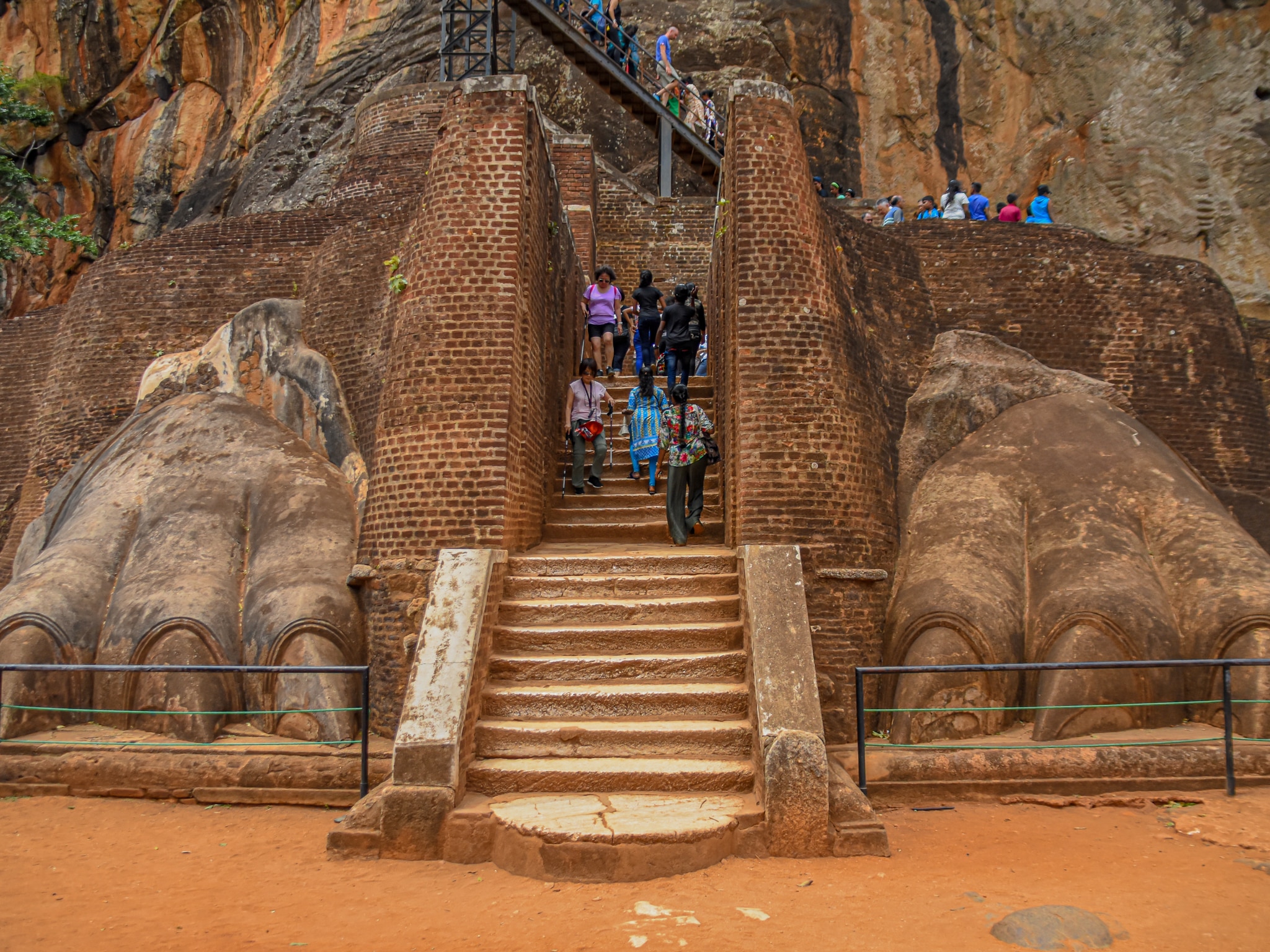
Dambulla, Sri Lanka: Cave Temples, Sigiriya and More
Famed locally for its fruit and veg markets, this small crossroad’s town hides the wonderful Dambulla Caves, and makes for a great base to tackle the assent of Sigiriya (Lion Rock).
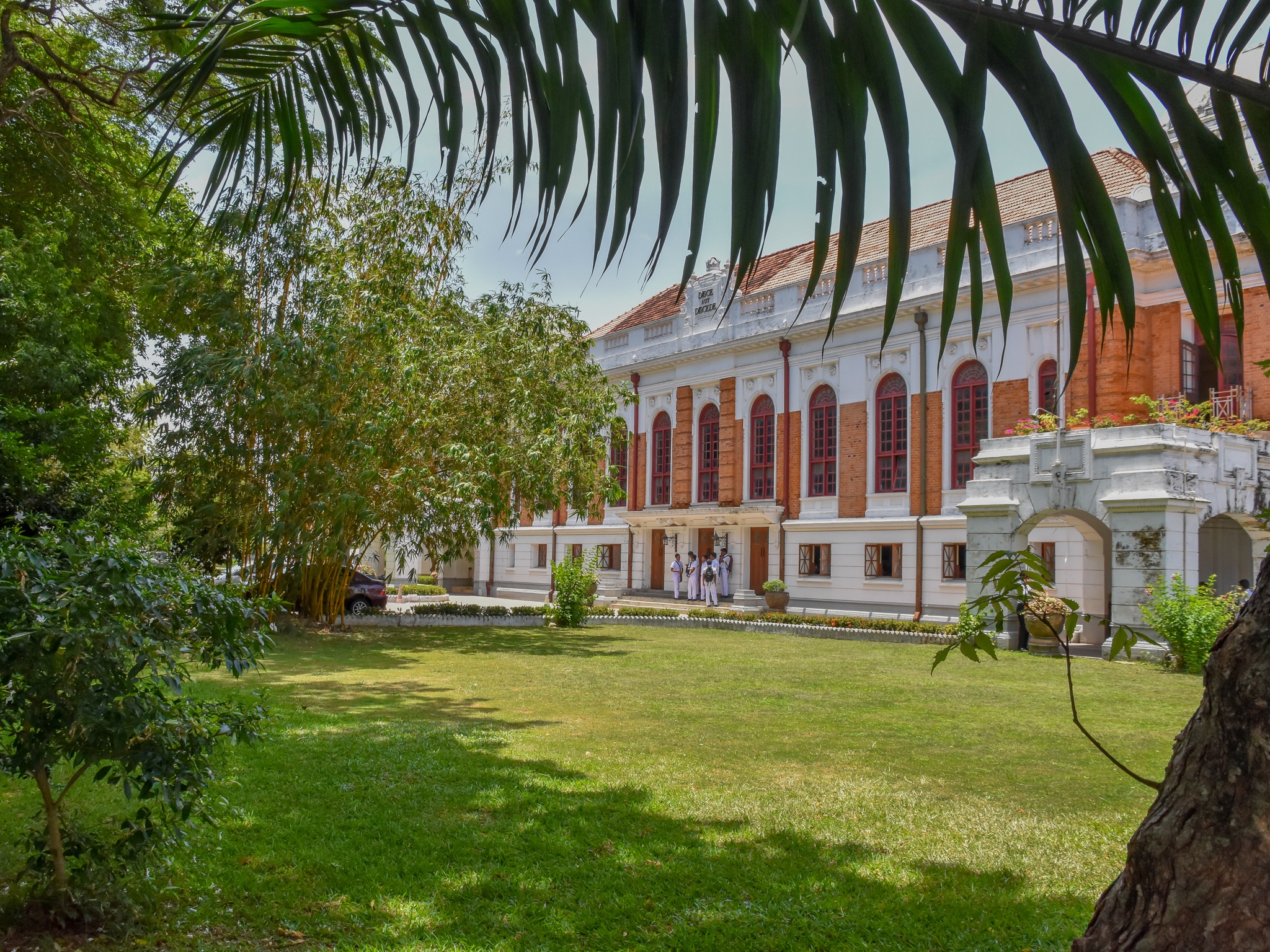
Colombo, Sri Lanka – A Travel Guide
This west coast historical city is home to the only modern-day high rises. All of which merge with the cities historical facades and traditional Sri Lankan vibes

Kandy, Sri Lanka – A Travel Guide
The cultural heart of the island, known for the magical Esala Perhera, and of course, the start of that train Journey… The city is simply wonderful.
Contents
Where To Visit
Colombo
Colombo was the capital back when Sri Lanka was called Ceylon, and now serves as the country's commercial hub.
Unlike the rest of the country, Colombo has a wealth of highrise buildings and bustling activity that makes it feel like a major city. This is, in part, thanks to its natural harbour, and the fact it's home to Sri Lanka's main international airport.
Whilst Colombo differs from the rest of the island, it does have heritage, history, and a story to tell. The Old Dutch Quarter is well preserved, as are the old facades that dress many of the city's buildings.
For more, please read our complete guide to backpacking Colombo here.
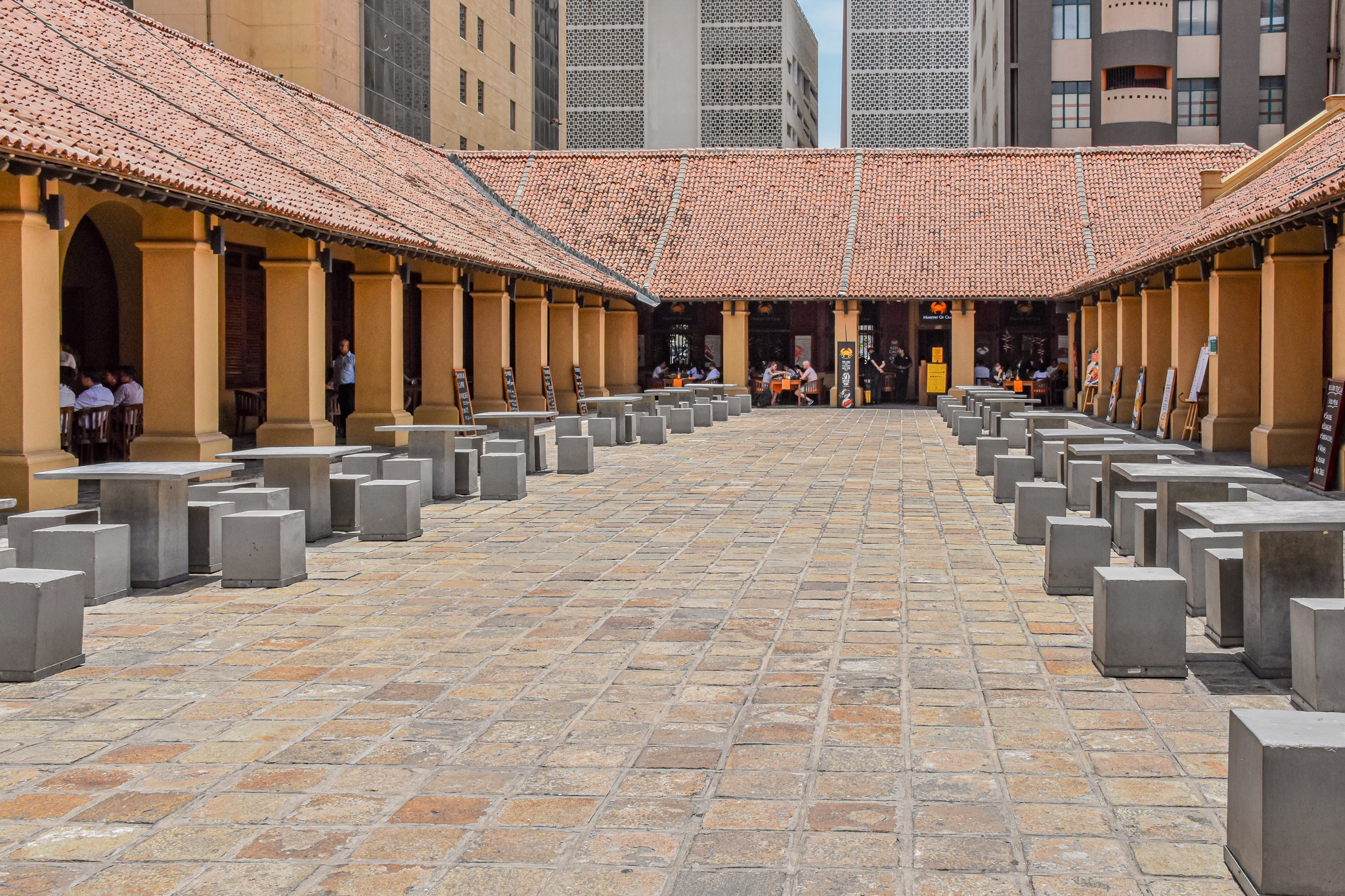
Kandy
Kandy is Sri Lanka's cultural capital, packed with religious buildings, museums and festivals. I loved it, and if you only visit one place whilst backpacking Sri Lanka, make it here.
Kandy's crown jewel has to be the exquisite Temple of the Tooth, lit during the night with thousands of bulbs which reflect on the water surrounding it. The Temple is also the starting point for the largest Buddhist festival in Sri Lanka, the Esala Perahera.
The city's cleanliness and beauty are unmatched throughout the country, as are its people. Kandy has an air of importance and commands respect, and that is exactly what it got from me. I loved it, it was my favourite place whilst backpacking Sri Lanka.
Beyond culture, the city is also surrounded by natural beauty, with numerous tea plantations, mountains and waterfalls. Not to mention, Kandy makes up one-half of the magnificent Kandy to Ella train journey.
For more, please read our complete guide to backpacking Kandy here.
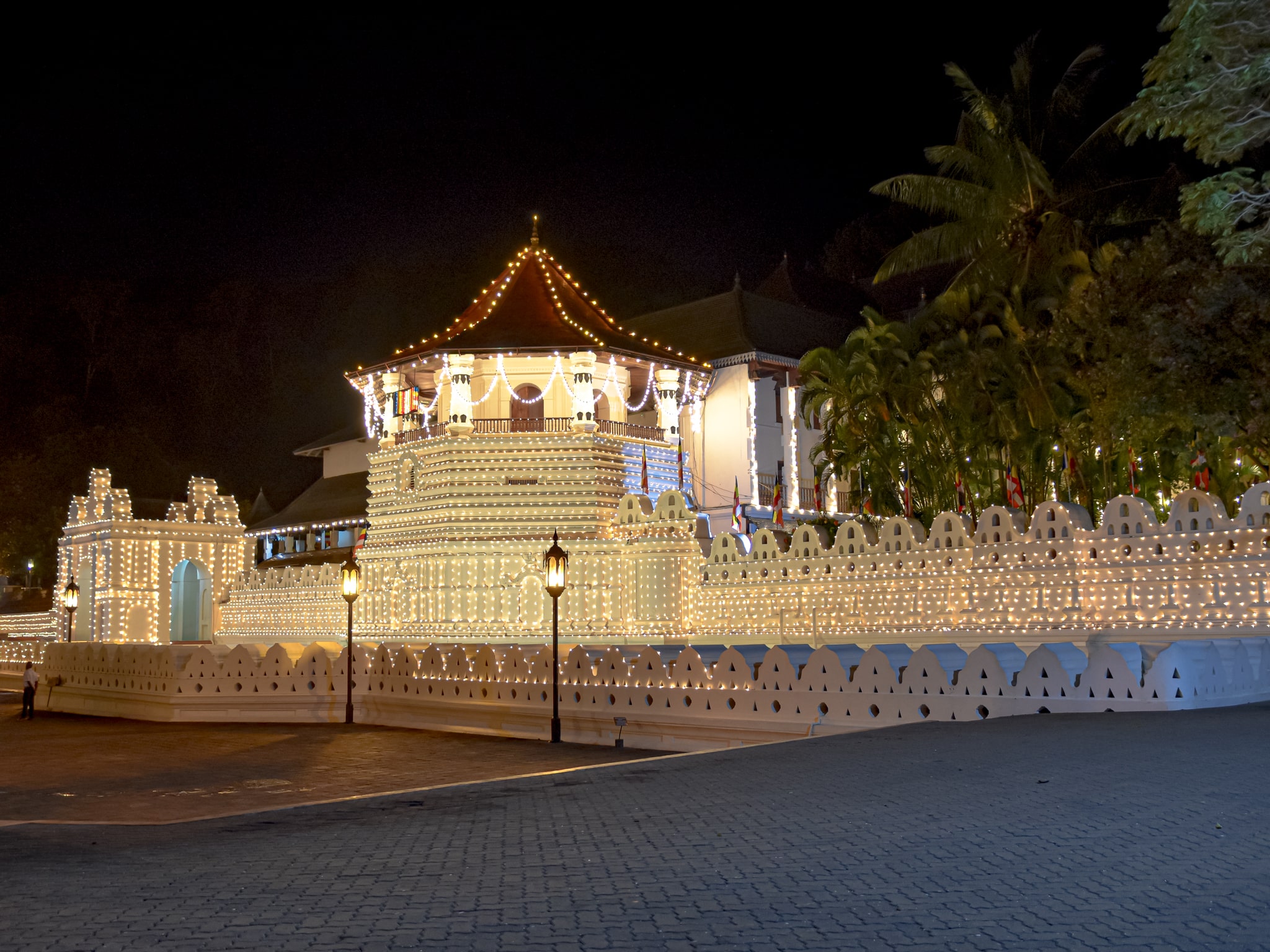
Dambulla
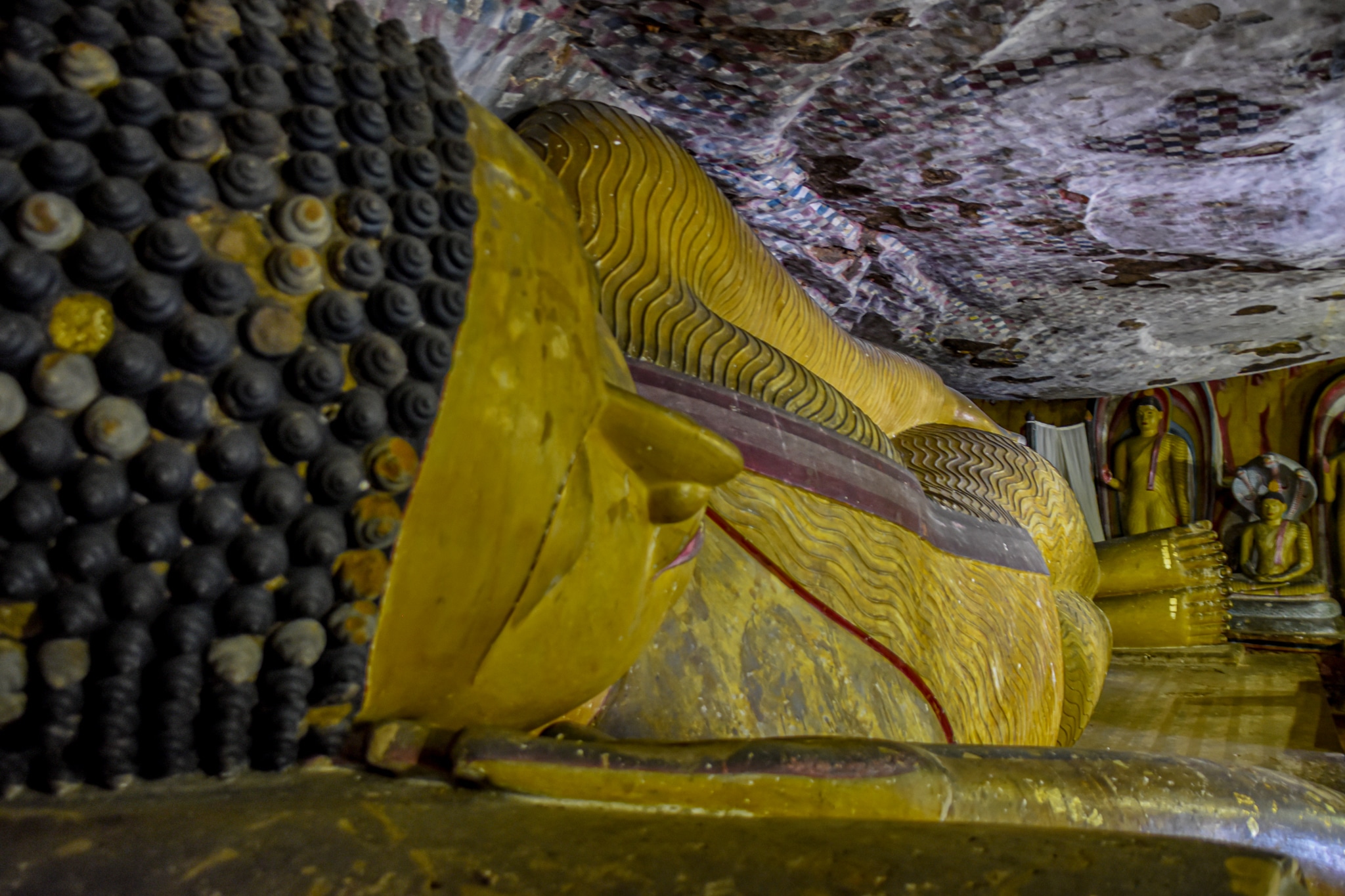
Famed for its enchanting cave temples, this small, dusty crossroad town is a short stopover for those looking to explore Sigiriya and the enchanting Dambulla Caves.
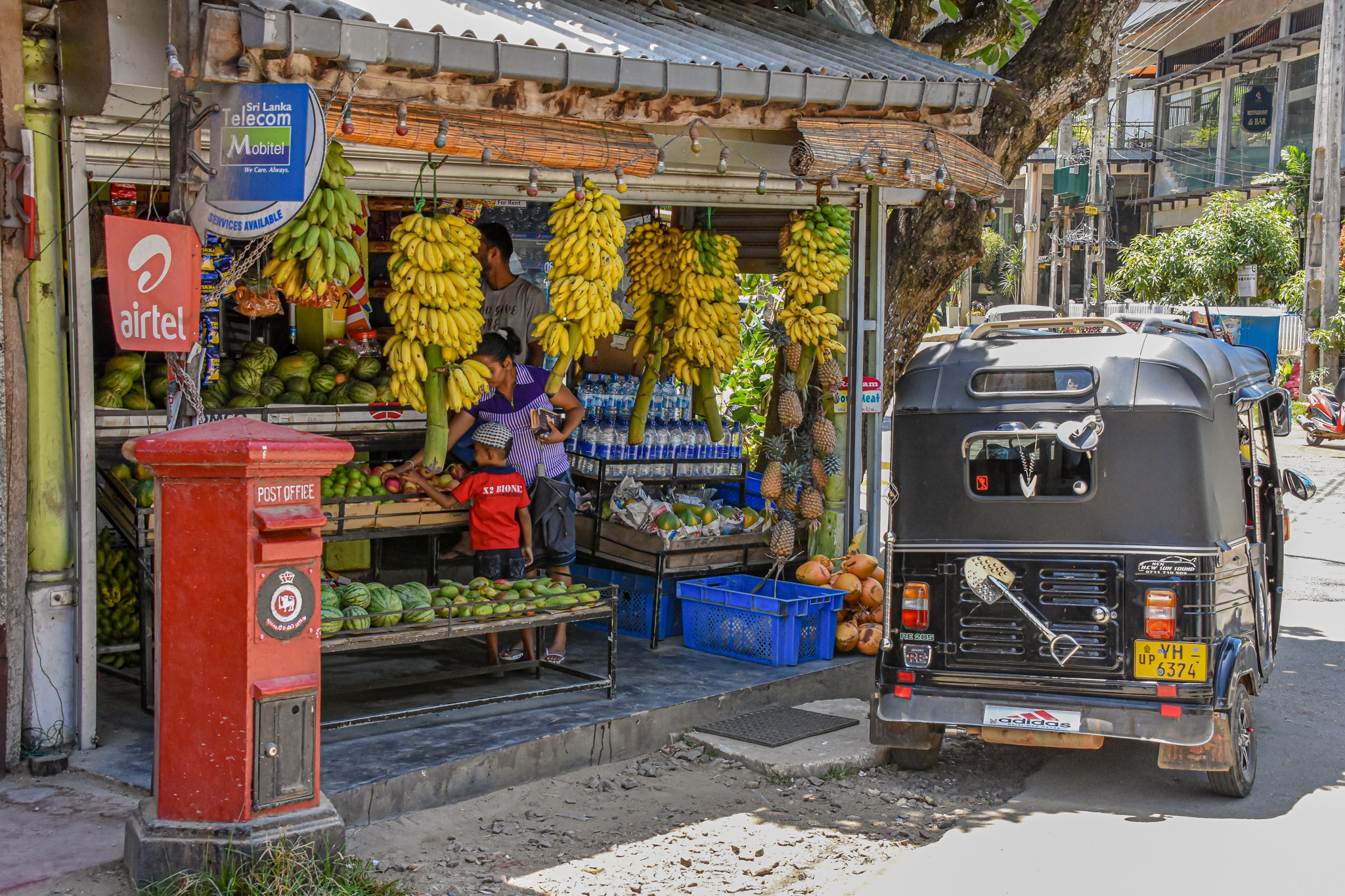
Sri Lankans know Dambulla as the capital for fruit and veg. The town is situated at a centre point between the larger cities, and it's a hive of activity. The whole place has a spaghetti-western feel that I didn't expect. A quick visit around the fruit and veg markets is an experience you should seize.
Dambulla is not big, and you can explore most of what has to offer in a day. That said, it is a great location for an early morning assault of Sigiriya (Lion Rock), a short 30-minute drive northeast.
For more, please read our complete guide to backpacking Dambulla here.
Nuwara Eliya
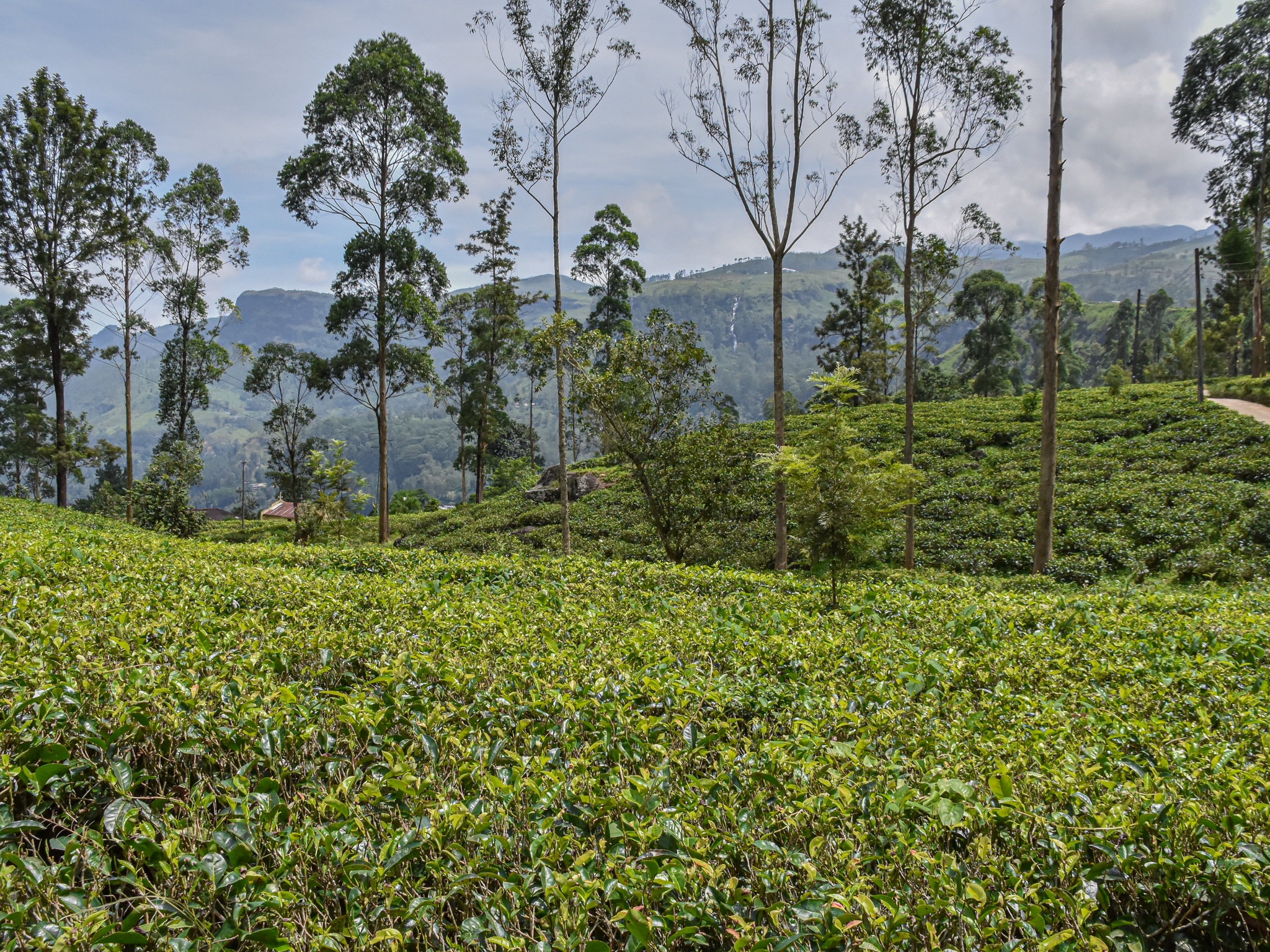
High in the mountains, Nuwara Eliya is one of the most important areas in Sri Lanka for producing its most famous export: tea.
Tea leaves flutter in the winds as far as the eye can see here, a green sea rippling in the breeze. The altitude and weather here make for perfect conditions for growing tea.
Whilst this may be great for the tea plants, it's noticeably colder and wetter for us humans.
You'll find the rains fall much more often than down on the beaches of Galle and Trincomalee, so be prepared.
Furthermore, the wetter weather here is directly related to the town's history. Nuwara Eliya has some of the best examples of colonial British architecture, as this was where the British retreated to during the hot summers.
Other than the tea plantations, and a stopover on the magical Kandy to Ella train, there is little to keep you entertained in this green wilderness.
For more, please read our complete guide to backpacking Nuwara Eliya here.
Ella
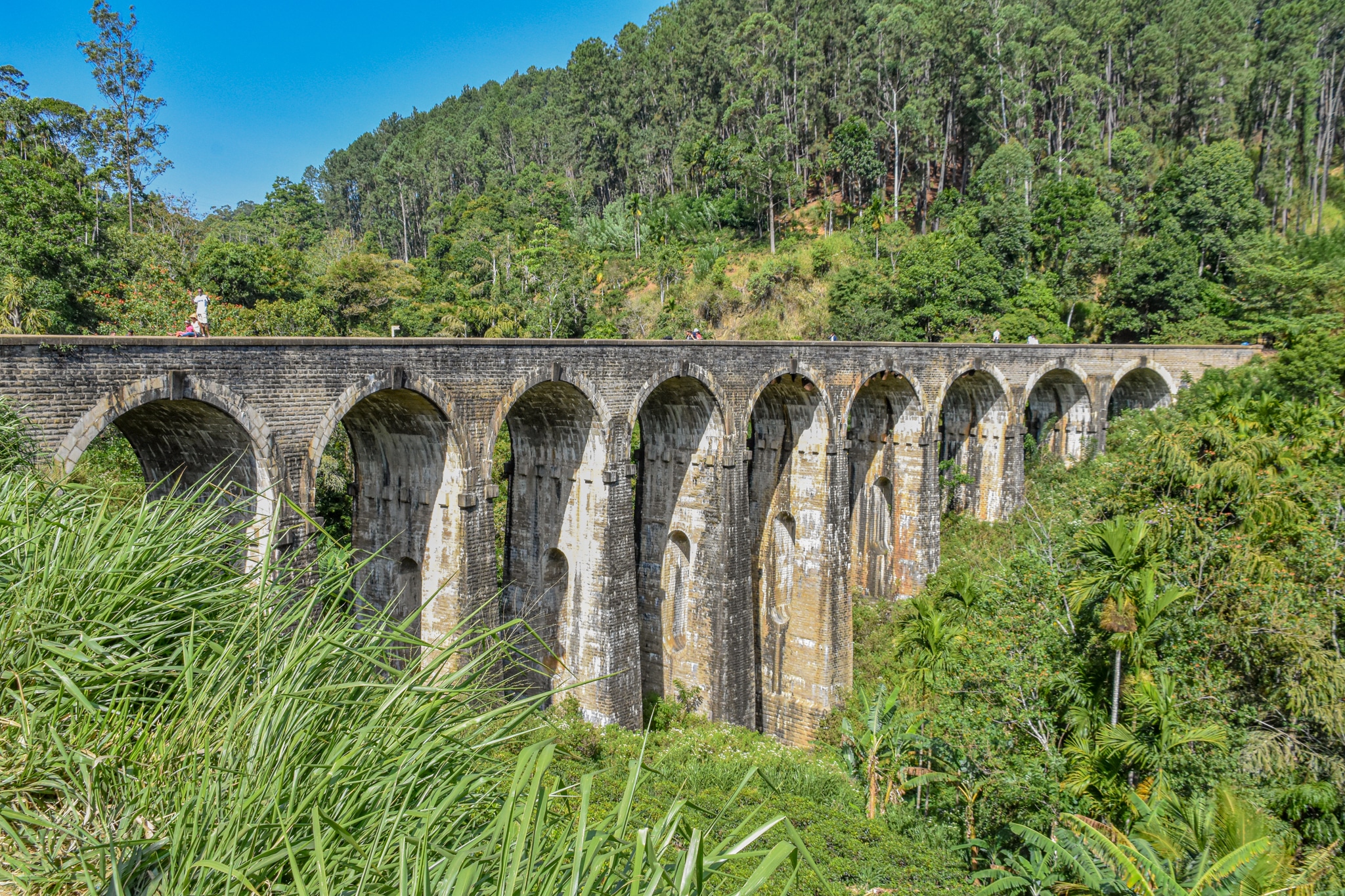
Ella. Sri Lanka's bohemian retreat, and enchanting home to the divine Nine Arch Bridge, Little Adam's Peak, and Ella Rock.
This was my final stop on the Kandy to Ella train (obviously...), and one I wish I had more time to explore.
The town has a real hipster vibe, with funky restaurants, cafes and shops lining the dusty roads. The town centre is exquisite, yet it is the stunning countryside and Nine Arch Bridge that draws the largest crowds.
There is something about Ella that made me fall in love with it. The only thing missing is a beach. And frankly, it doesn't need one.
For more, please read our complete guide to backpacking Ella here.
Galle
Galle is Sri Lanka's small, fortified gem in the southwest.
Its 16th-century walls are matched with astonishing architecture throughout the city, in particular the lighthouse and old Dutch hospital.
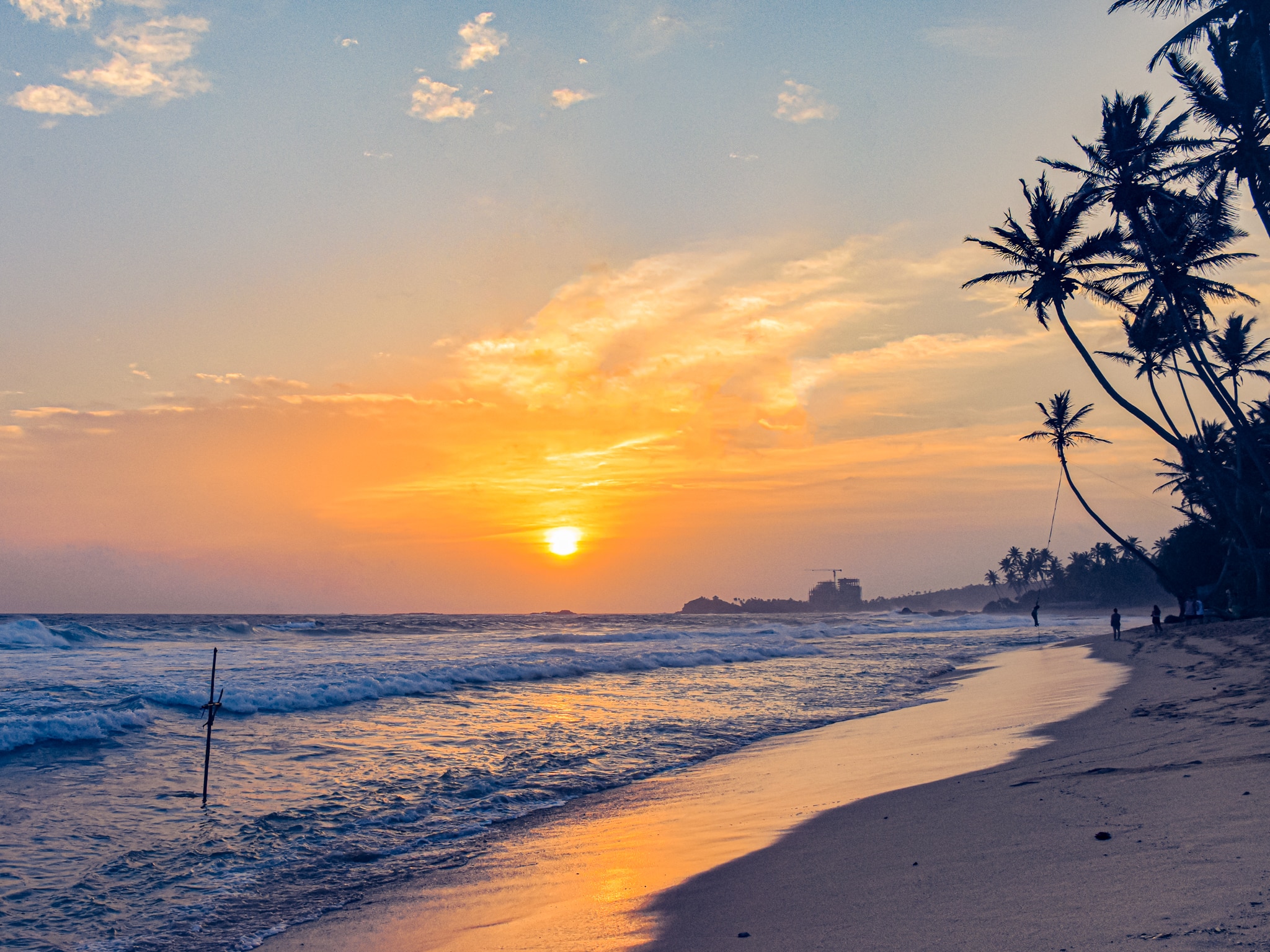
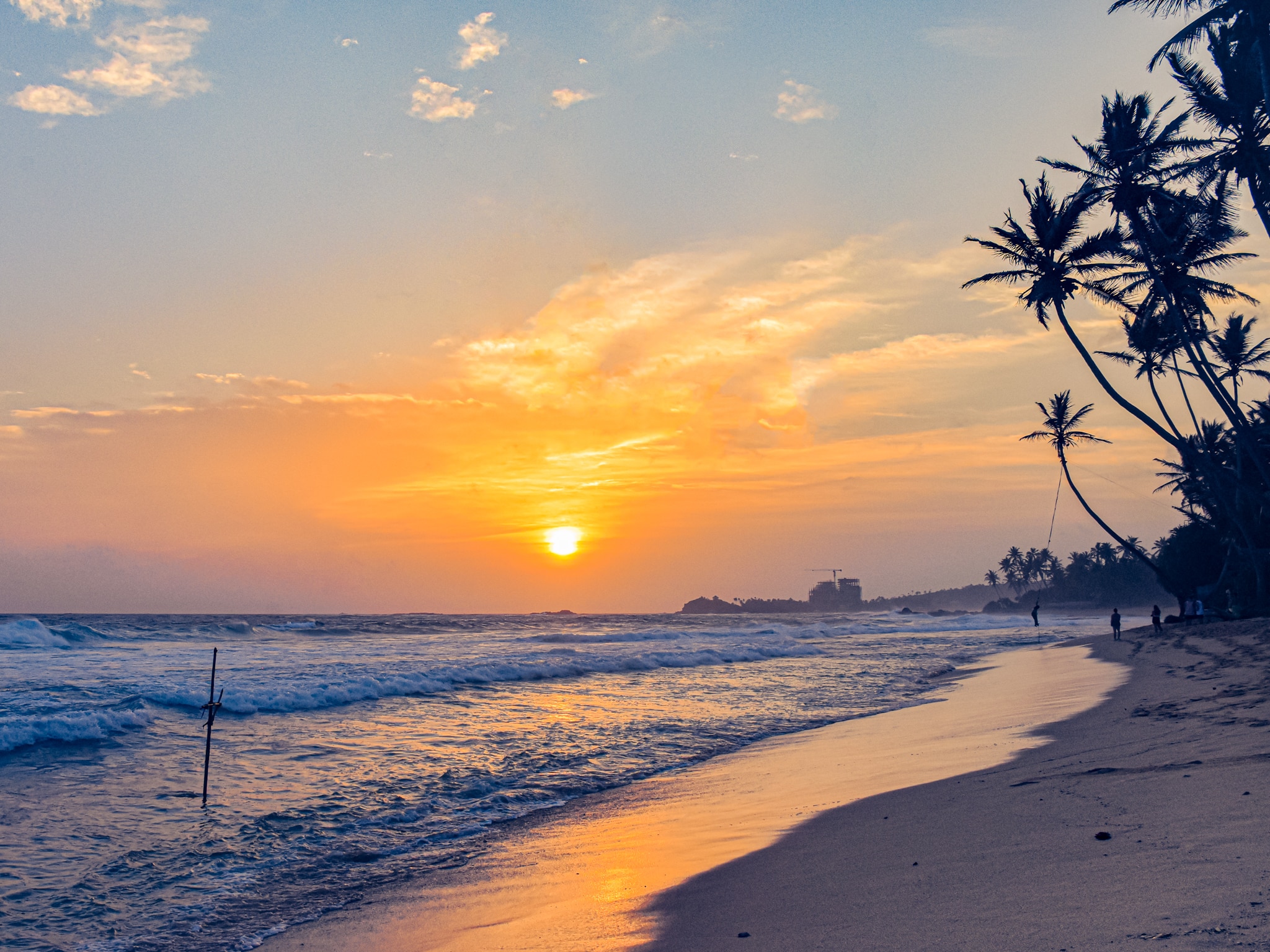
Matching the city's beauty are the stunning beaches that dress the coast around the old walls. These beaches are home to some of the best sunsets I have seen in Sri Lanka.
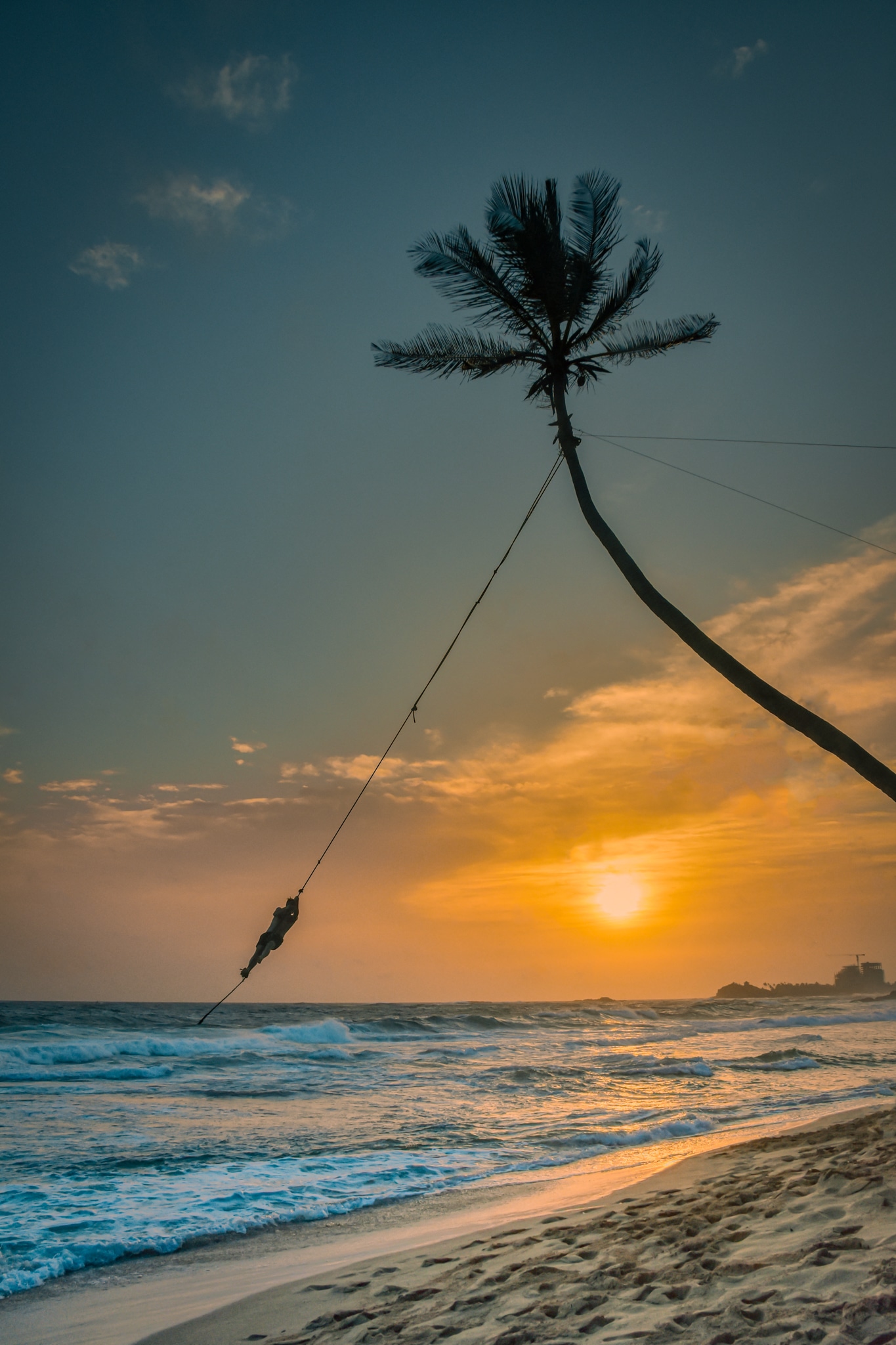
The best place to enjoy these sunsets is the ultra-Instagrammable tyre swing, hanging off the leaning palm that bends slowly out over the sea. A perfect way to end an evening.
The city is also where you'll find another firm favourite for those backpacking Sri Lanka: the turtle sanctuary. Here, you can see where the baby turtles are brought back to health, and released on Galle's beaches to live a full life in the wild. This sort of stuff is bucket list fuel.
For more, please read our complete guide to backpacking Galle here.
Yala and Tissamaharama
Yala is the best of 26 National Parks in Sri Lanka, tucked beautifully into the southeast coast.
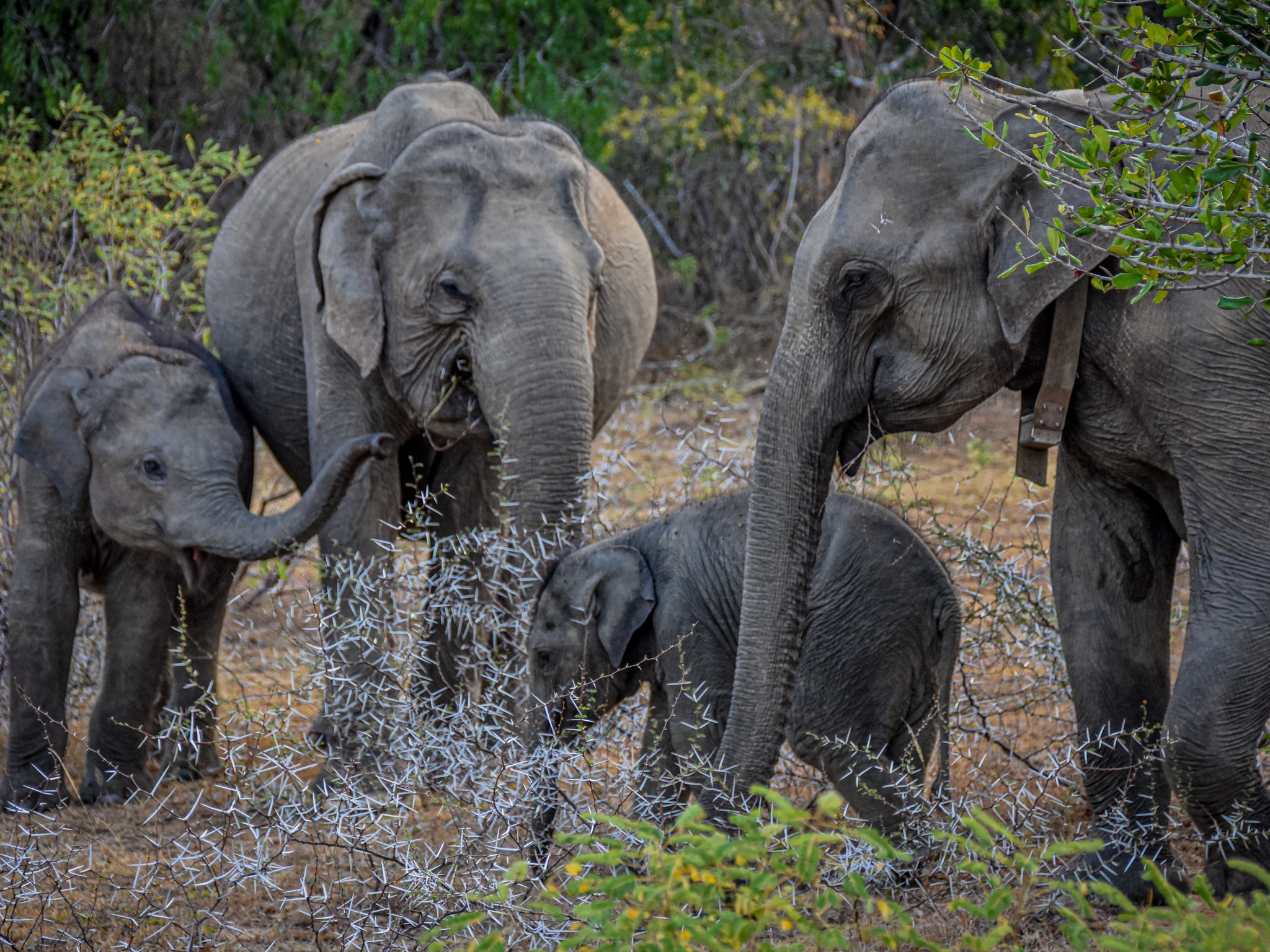
This wondrous national park covers 978 square kilometres and is home to Sri Lanka's famous leopards, elephants, bears, deer, crocs, and more.
Its fantastic unspoiled, uninterrupted coastline is about as good as it gets, without a manmade structure or any rubbish in sight. There is nothing but fantastic wildlife, and Mother Nature doing her thing.
Never before, or since, have I seen such an array of colourful and powerful animals in one area. It truly was magical.
Whilst the above is true, it is just such a shame I cannot say the same for Tissamaharama, which is, honestly, a shithole. In all fairness, it's a necessary hole for those looking to explore Yala, but it's still shit.
Unfortunately, it is either a night's stay in Tissamaharama, or a super early start and long drive to the park from another town a long way out.
For more, please read our complete guide to backpacking Yala and Tissamaharama here.
Trincomalee
Trincomalee is a 17th-century Portuguese-influenced city, loved for its beaches and historic natural harbour, which forms the beating heart of the city.
There are several temples scattered across the area, whilst out to sea, the massive blue whales roam.
What's It Like Backpacking Sri Lanka?
Backpacking Sri Lanka is special. It's one of those places I didn't appreciate as much as I do now I've left.
Much like India, it hits every branch as to why we travel. It has amazing foods, sensations, sights, people and experiences. Its beauty knows no bounds, and the memories and stories you create here will live with you for a lifetime.
Enjoy it!
The Accommodation
Even the most basic accommodation whilst backpacking Sri Lanka is amazing.
But not because of the accommodation itself.
What really sets Sri Lanka apart is the superb hospitality.
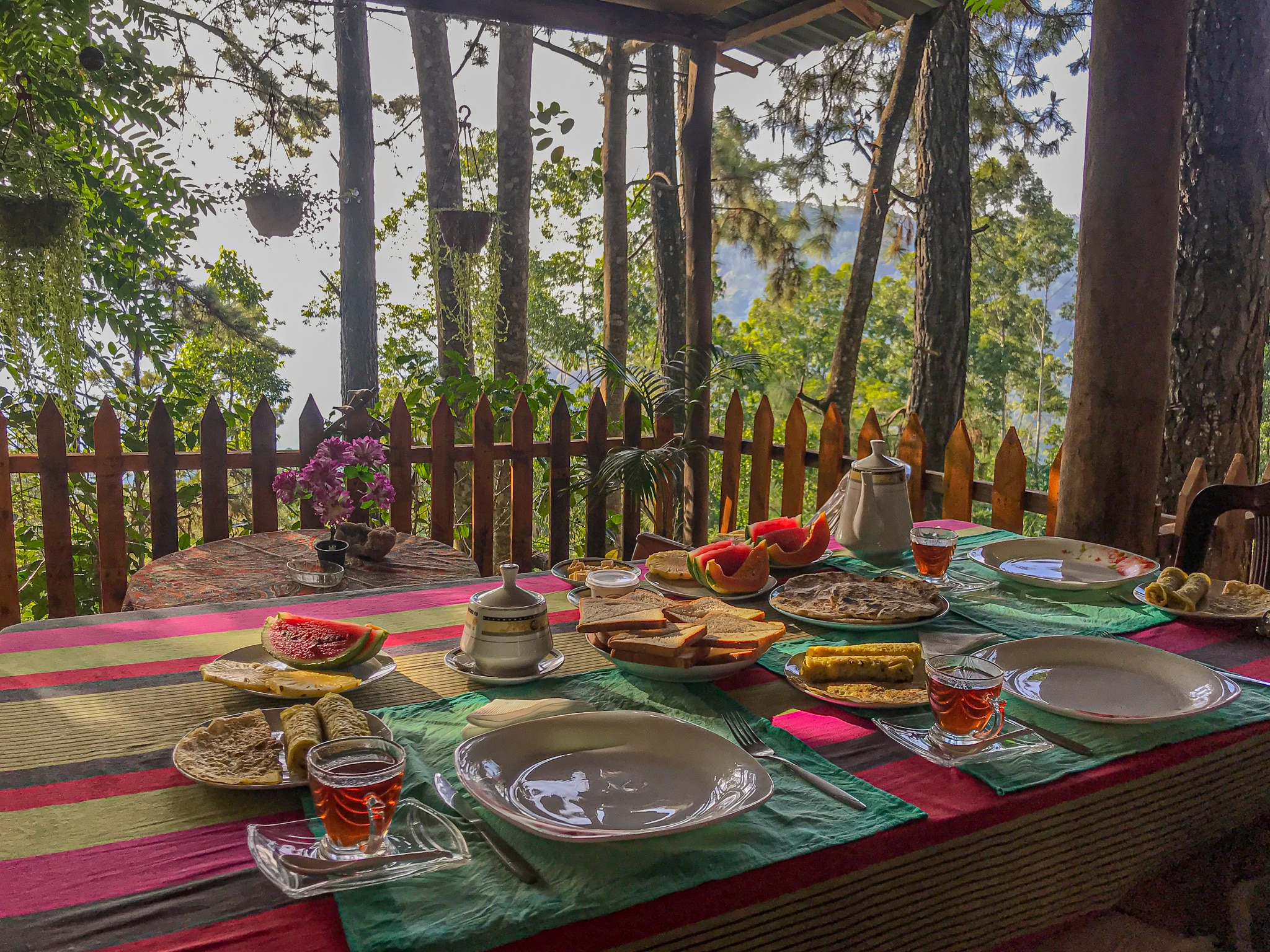
Pretty much everywhere you'll stay will have friendly, welcoming owners who can't do enough to help. They'll wake up early to provide the most delicious breakfasts, drive you around town in their private tuk-tuks, and quite often even invite you for an evening meal with the family.
Seriously. Their dedication and passion set the bar for the rest of the world.
So, let's start by covering the types of accommodation you're most likely to come across:
If you're on a real budget, Sri Lanka's hostels are the way forward.
Dorm rooms come at you from under 750RS (£3) a night across the country. Unlike a lot of Asia, hostels here in Sri Lanka are very conventional. Expect a shared kitchen, group activities, and maybe a games/chillout room.
Sleeping arrangements are likely split into the usual: a few private dorms, male/female-only dorms, and, of course, the lad's favourite, mixed dorms.
That said, my favourite places to stay whilst backpacking Sri Lanka are Homestays and B&Bs.
These are a massive jump up in quality and comfort, as you'll be staying with a local family who will strive to give the best impression possible.
This relative luxury does come with a hike in price too: the average homestay will cost around 3,700RS (£15) a night, depending on whereabouts you are.
This nets you a private room with an ensuite. More importantly, though, you'll have a host family. These guys will move heaven and earth to cater for you, including a truly amazing breakfast every morning.
Which is worth the upgrade on its own.
Hotels?
Well, we all know what a hotel looks like.
Again, hotels in Sri Lanka are in the conventional form. Private room, bathrooms, hotel restaurant, pool, reception... You get the picture.
Honestly, unless you have the money to burn and the hotel is top-class, I'd not bother. Stay in the homestays. You'll get more character, probably better hospitality, and a feel of local life.
If you're looking to enjoy the splendour of Sri Lanka for a significant amount of time and want a secure base for yourself, then it's all about Airbnb. Some of the apartments in Sri Lanka are out of this world, and if I had the time or money on my trip, this is where you'll find me.
It's a home away from home. Just better.
The bottom line is this: the Far Out Holy Trinity of Airbnb, Hostelworld and Booking.com will have you covered, whatever your budget. A shoutout also goes to Couchsurfing for those of us who are happily crashing on a local's sofa.
As for my personal experience, I would happily recommend every homestay, B&B and hotel I stayed at, bar one in Nuwara Eliya (which apparently, is run by Uncle Fester from the Addams Family), and one in Tissamaharama (but, then again, the more you can avoid Tissam, the happier you'll be anyway).
Throughout your time backpacking Sri Lanka, you can book accommodation the night before arriving in a new town. Just find some wifi (which is dead easy).
It is possible to rock up without any accommodation booked whatsoever and figure it out once you're there. If that makes you uneasy, then don't do it and plan ahead. But if you're happy winging it, it can be done.
Honestly, that tactic did land me with the worst accommodation of the trip (looking at you, Nuwara Eliya), however, there were still many options open. Some locals wait for the train to arrive and ambush tourists, all wanting to 'help' you into town and recommend 'great' accommodation.
Not once was I told there was no room at the inn, or felt a desperate scramble to grab the first place I could. That said, I was exploring this fantastic country in August, which is considered low season. You may find it more difficult when backpacking Sri Lanka in high season (December - April).
This leads me to these two pointers:
- If you do leave it until you arrive in the town, local scouts will spot you a mile off. Taxi drivers, helpful locals, and the world's kindest bag carriers all know somewhere you can stay. They are on commission and are likely to have a family member who has a B&B or hotel nearby. It's not necessarily bad, but they don't have your best interests at heart.
- Sri Lanka, like India and a lot of Asia, is built around haggling. This includes accommodation (if you haven't pre-booked online). If someone, be it a tout or a host, tells you they have a room available at a special price for you or whatever, get haggling. You should be able to get it at a cut of the price.
My final advice is this: be it in Colombo or Nuwara Eliya, you should choose where you stay based on location, and what you have planned for the area.
For example, in Kandy and Dambulla I'd recommend you stay in the heart of the action, next to the area's highlights.
However, in Ella I'd suggest booking a treetop cabin with views over the elegant valley, and surround yourself with peace, nature and wildlife.
It is now I want to bestow extra praise and give a massive shout-out to the fantastic hosts at Villa Aroshina in Galle, SA Village in Dambulla and Ella Gap View Resort in Ella. Their hospitality is incredible, and their meals, both breakfast and evening, are some of the best foods in Sri Lanka.
That is a bold claim. But one I will stick to.
Check our detailed accommodation guides for:
The Food
The food is the brightest star in a well-lit Sri Lankan sky.
Each mouthful of good Sri Lankan food is like winning the lottery. Or punching well above your weight on a night out.
Having eaten my way around Sri Lanka, I feel that only India can compare when it comes to flavour. And, much like India, you do not have to worry about portion size. I was never in any fear that I'd finish a meal still hungry. And anyone who's met me will tell you, portions are important.
I've never been one for a breakfast, unless a decent fry-up is on offer. However, when I was backpacking Sri Lanka breakfast became one of my favourite meals. There is a lot to be said for waking up to a table full of freshly picked fruits, melt in the mouth pancakes, triple-egg omelettes, soft breads and crumbling pastries, all washed down with a Sri Lankan cuppa.
I could get used to that.
Good news for vegetarians! The vast majority of Sri Lankan dishes are veggie-friendly (and many of those are vegan-friendly, too).
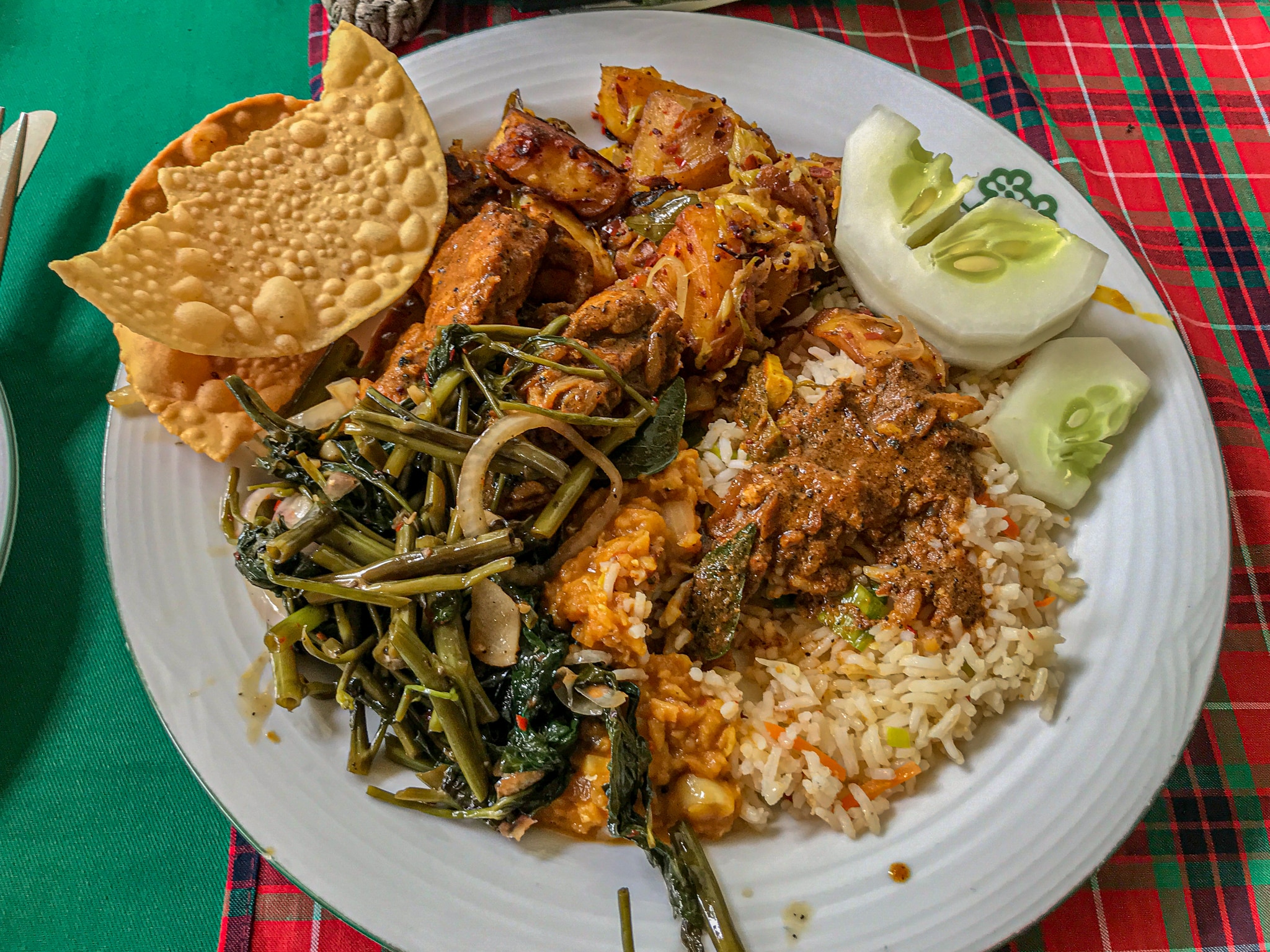
Wonderful, creamy dishes such as pumpkin, cashew and/or coconut curry are aplenty, full to the brim of spiced, vibrant flavours, with rich colours and textures from crunchy nuts to soft, creamy beans.
Those who enjoy a good chunk of meat, do not worry. Chicken and goat are just two ingredients expertly mixed into the above dishes, adding further tantalising tastes. It was nearly enough to make me cry.
Keep an extra eye out for hoppers, (a rice and coconut pancake), dhal curries, and the differing styles of roti (a thin round flatbread). I'm salivating at the thought.
The Culture
There is an incredible depth and richness to this island and its people. Therefore, as you would expect, there's an endless supply of culture to experience, learn and enjoy.
No matter what segment of Sri Lankan culture you are exploring, you will be left in awe. Be it the cuisine, the religion, the wildlife, sport, the passion to retain its heritage, or local traditions such as stilt fishing, it's fascinating.
Buddism is the largest religion in Sri Lanka, with just over 70% of the population identifying as such. Although, you'll also find a good mix of Hinduism, Islam and Christianity across the country.
It is said that after the Buddha's cremation, his remains were divided between his most loyal eight followers. One of these eighths is said to be in the Temple of the Tooth in Kandy. This makes Kandy one of the most sacred cities in the world for Buddhists.
The temple of the Tooth is also the starting point for one of the most important and celebrated festivals in the Sri Lankan Buddhist calendar, the Esala Perahera festival.
This festival takes place over 10 days, starting and ending each day at the Temple of the Tooth.
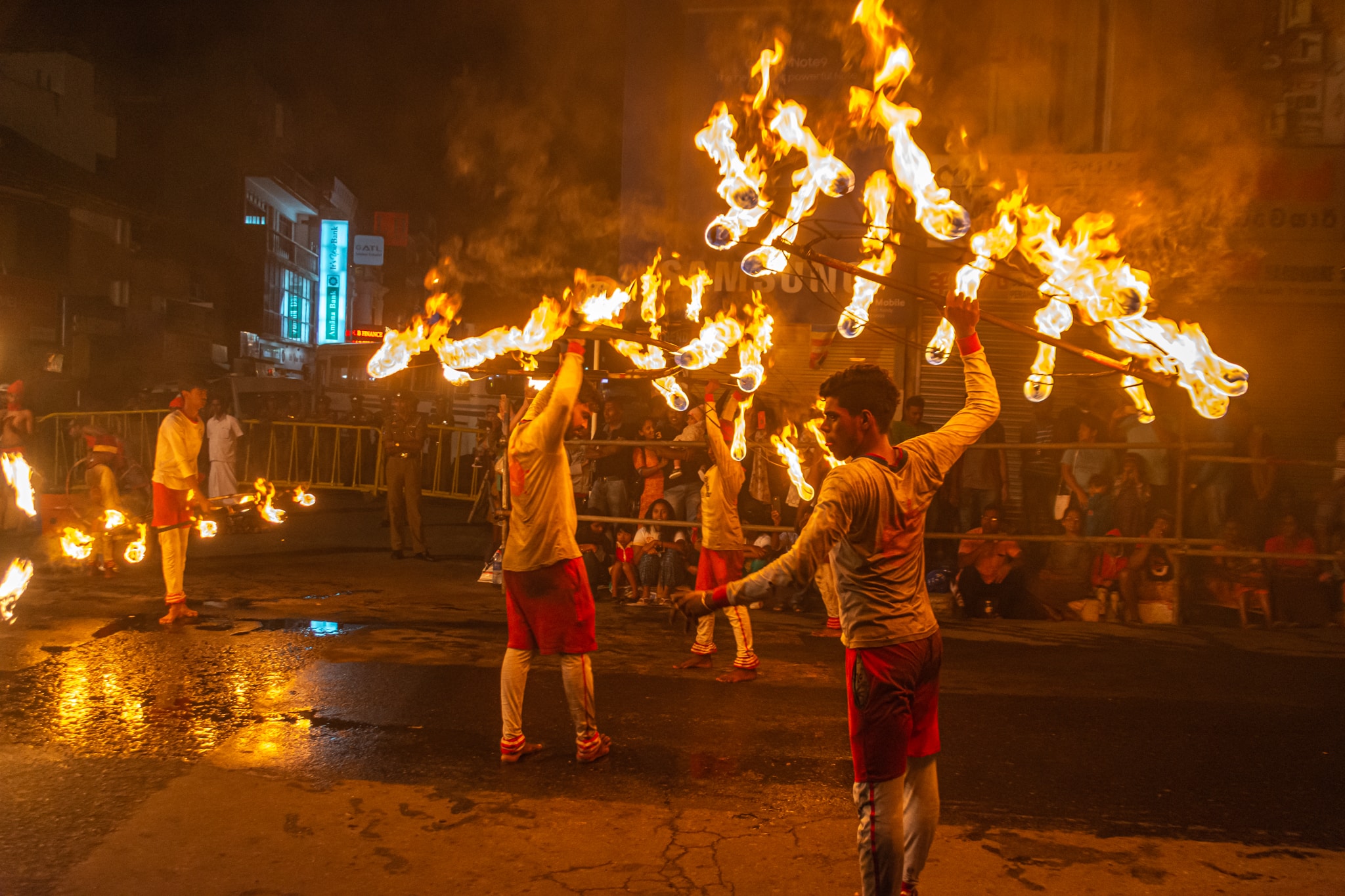
Each day, a procession of dancers, musicians, fire dancers and decorated elephants leave the temple and make their way around the town. The procession grows in size each night like a carnival, and draws in crowds from across the island. Whilst the ethics of using elephants are questionable at best, I can't deny the overall parade is mightily impressive to watch.
Ultimately, it was a real privilege for me to witness, as I never knew about it prior to my time in Sri Lanka. Consequently, I would suggest you try and book your trip to Sri Lanka around this wonderful display of passion, history and culture.
It's that good.
Sport is huge in Sri Lanka, and despite volleyball being the national sport, cricket is by far the most popular. You'll find matches going on across the country.
Tradition is key to the Sri Lankan people, and there is real pride in the country when it comes to keeping these skills alive.
One example of this is the historic ways of the stilt fishermen on the south coast. The fisherman sit on two sticks in a cross formation, called a petta, built just offshore, and wait. Then, when they get a bite they reel in their catch. They can stay out there for hours. Having tried to climb on one myself, I can tell you its an impressive feat.
These lethal skills have been passed from generation to generation, and their deadly results are incredible, not to mention, highly impressive.
Another key point is cities such as Colombo are also renovating old buildings on a large scale. This includes painstaking restorations on the old facades, restoring them to their former glory. I, for one, am pleased to see this work being carried out, as were the locals. History may not have always been kind to Sri Lanka, but it has made it was it is today, and that's a cultural, spiritual, wonderful island.
The Transport
The transport you experience while backpacking Sri Lanka will thrill you, sometimes captivate you, and quite possibly make you question the existence of any gods at all.
Fear does that to a person.
If you survive, it is fantastic, enjoyable, and goddamn entertaining. Admittedly, some journeys more so than others.
I do joke, but the chaos of getting around as you're backpacking Sri Lanka is a part of the trip you'll never forget.
Roads
The word 'dicey' pretty much sums this one up.
I am by no means one to worry or scare easily, but being a passenger on the Sri Lankan roads was terrifying. I saw so many incidents and had a few close shaves myself.
No one considered that a double overtake on a blind bend at high speed on the narrow brow of a hill might be a bad idea.
Heading three abreast into oncoming traffic seemed the norm, and had my arse cheeks clenching every time. We thanked our lucky stars every time we arrived at our destination safely, which trust me, isn't a guarantee.
This might sound like fear-mongering, but the roads really are sketchy. More so than India. Whilst Sri Lanka actually has better road safety statistics than its cousin, it feels more dicey.
On the plus side, everyone can drive, and is very much willing to drive you. Taxi licence or not.
Taxis
If you need one, ask your accommodation hosts for a driver. They almost always have a direct line to a taxi, or will have a family member drive you.
If that is an impossibility, and you have to order one yourself, make sure you either ask for the meter or pre-negotiate a price before climbing in.
Pricing does differ depending on the time of day and the season, as well as the popularity of the town with tourists. However, as a rough guide, every 10 kilometres (6ish miles) will set you back 600RS (£2.50).
Buses
There are two types of bus in Sri Lanka: crap, and really crap.
The most common are the local Sri Lanka Tourist Board (SLTB) buses. These are easily identified by the hordes of locals hanging from the doors and battered-looking metal frames.
There is no air con and no frills, just a bone-jangling ride. If you are lucky, you may get a seat. If not... well, hold on tight.
As with cars, the drivers are heavy on the gas, which ultimately leads to heavy braking. In other words, you are thrown around the bus like clothes in a washing machine. You just come out less clean.
Whilst still on the chaotic roads, their size means they are slightly safer than cars. I will report, though, that on one occasion I did see a bus on its side, blocking the road in both directions. Which was more than likely a result of two drivers racing.
These buses crisscross the nation and cover almost every village, town or city on the island, which is fantastic.
The other major perk is that you can travel for up to 100km (62 miles) for around 200RS (£0.80), making them perfect for budget backpackers.
The second type of buses you will see are private buses. They too have good coverage across Sri Lanka, and are normally a little more comfortable. Granted, that still doesn't mean they are safe or enjoyable.
Regardless of private or nationally run buses, you will still find Lewis Hamilton wannabes behind the wheel, private buses just mean you'll have a little more cushion upon any impact.
In reality, it's totally worth paying the extra. At the end of the day, for an equivalent journey, it's still only 600RS (£2.25).
Bloody bargain.
Trains
Slightly less dangerous than the roads, but on a lot of routes about as comfortable (outside first and second-class).
Not that it matters, because train travel in Sri Lanka is far more magnificent than any road journey could be.
Whilst backpacking Sri Lanka, I only experienced one train, and that was the Kandy to Ella blue train.
I was amazed by the cheap prices. There was no way this train could be making money. Below is a price list versus hours on the train, which should give you a rough estimate on what to expect in Sri Lanka.
Bear in mind that this route is one of the slowest in circulation, but also one of the prettiest.
- 3rd class tickets from Kandy to Nuwara Eliya (or vice versa) – 100 LKR (£0.50) – 3.5 to 4 hours
- 2nd class tickets from Kandy to Nuwara Eliya (or vice versa) – 200 LKR (£1.00) – 3.5 to 4 hours
- 3rd class tickets from Nuwara Eliya to Ella (or vice versa) – 70 LKR (£0.30) – 2 hours
- 2nd class tickets from Nuwara Eliya to Ella (or vice versa) – 170 LKR (£0.80) – 2 hours
- 3rd class tickets from Kandy to Ella (or vice versa) – 130 LKR (£0.70) – 5.5 hours to 6 hours
- 2nd class tickets from Kandy to Ella (or vice versa) – 230 LKR (£1.15) – 5.5 hours to 6 hours
This journey was so special, that I wrote a full blog about it.
Nevertheless, train travel outside this once-in-a-lifetime journey can differ vastly.
In general, Sri Lanka has made vast improvements throughout its rail network. Speeds and timetables have improved greatly in recent years, as have the levels of comfort.
Be that as it may, the hangover of Sri Lanka's old rail network still lingers.
Significantly, where new tracks have been laid, Sri Lanka's train service has been dragged kicking and screaming into the 21st century.
In contrast, where the older carriages and track remain, do not expect comfort or speed. What you can expect is low, low prices, along a similar vein to the above list.
The Budget
Backpacking Sri Lanka can be done on the super cheap across the board.
Everything, from the price of accommodation to travel, is budget friendly. Food and activity prices vary depending on where you eat or what it is you want to do, but tend to range from 'cheap' to 'reasonable'.
Whatever your budget is, we've got you covered below.
The 'Backpacker' Budget
Your only objective is to keep travelling. The secret? Keeping costs at an all-time low. This is the budget for you.
Accommodation - Super low budgets are not a problem when backpacking Sri Lanka, especially when it comes to finding accommodation.
If you aren't too worried about the location or having additional frills, you're in for a treat. Hostels are your friend here, or maybe some cheaper homestays.
Occasionally you'll find an absolute bargain, with a night's accommodation coming in at 500RS (£2). Although, in reality, you will be looking at prices in and around 725RS (£3) a night. Ugh. I know. Extortionate.
Unbelievably, you will be spoiled for choice at this price, and sites such as Hostelworld have you sorted across the country with cheap rooms and wild nights.
Foods - You won't be eating at any top restaurants, but luckily, you don't need to. You're likely to pay more in tips than you are for the meals.
If you're on a tight budget, street foods beckon you, and you'll find top-quality meals for as little as 250-300RS (£1-£1.20). If you did feel plush, you could upgrade to a low-end restaurant, where a meal will set you back 400RS (£1.60). Make it rain playyaaa!
Transportation - All forms of transport are super cheap in Sri Lanka, and that means the choice is yours. As long as you don't travel first-class, you'll clean up nicely here. At the end of the day, you'll get to your destination at the same time, and hopefully in once piece.
No matter your choice of bus or train, you'll be spending about the same. I'll give you 370RS (£1.50) a day.
Drinks - Thanks to the super-low prices backpacking Sri Lanka brings, you'll be able to grab a couple of beers a day, which is always a winner on a tight budget.
Similarly, you could even down a couple of local Araks, as spirits are a more cost-effective way of drinking in Sri Lanka.
I'm going to give you 500RS (£2) a day for a drink. Admittedly, you won't be getting pissed every night on that, but it will be a nice way to enjoy an evening.
Overall - Therefore, your backpacker daily budget in Sri Lanka, including three meals, will come to a grand total of around 2,345RS, which is around £9.50.
The 'Traveller' Budget
You've saved for this trip, and you want the ultimate bang for your buck. Money is tight, but you want the best experience. We've got you covered.
Homestays and Hotels - Good news! Your budget, whilst not dramatically more, allows for some style and comfort.
Whilst you can enjoy the low prices of the backpacker hostels, you can find yourself a wonderful homestay or resort. These can come with added bonuses such as ensuite bathrooms, epic breakfasts, and, on the whole, are in better locations.
Whilst at least double the price, it's still very cheap at 3,700RS (£15) a night if you're solo. Plus all the perks of homestays. You can't argue with that.
Restaurants - Congratulations, you have a great selection, including street foods and restaurants.
Whilst you may not make it to the high-end fancy restaurants, you've got the best of Sri Lanka. Breakfast often comes with the homestays, and at a high standard, so I'm counting that as free. Therefore, in general, you can afford to be choosy about where you eat, but for lunch, I still suggest you try a bit of street food.
So that leaves the evening meal. Stick to Sri Lankan restaurants, and eat where the locals eat.
The food is cheaper than in tourist restaurants and is much better quality. Considering breakfast is free and you've joined the backpackers for street food lunches, I'll allow 1000RS (£4) for an evening meal. Thus giving you a rough total of around 1300RS (£5.25) per day.
Transportation - As mentioned above, you'll find all forms of transport are super cheap whilst backpacking Sri Lanka, and that means the choice is yours. If I was you I'd book a 2nd class reserved carriage on a train, or find a couple of other travellers and pay a local to drive you directly to your location.
The train is cheaper but can take longer than a driver. A second-class reserved train carriage will only set you back 450RS (£1.90), and that, my friends, is for a 7-hour journey.
When I say cheap, I mean cheap.
A private car between 4 of you, for the same journey, will cost roughly 500RS (£2) each. Comparatively speaking, there isn't a lot in it when it comes to cost.
Drinks - Splash the cash and have a couple of beers. Go mad if you like and spend 1000RS (£4) a night. As above, Arak and spirits are the way forward, but, if I was you, I'd start with a couple of beers.
Overall - Thus, your traveller's daily budget for Sri Lanka, including three meals, will come to a grand total of 6,450 RS (£26) a day. Nice.
The 'Daddies Credit Card' Budget
Your trust fund is finally available, and your Instagram followers need to see where you are in the world this week. You farted the other day, and a private jet came out. We haven't forgotten you.
Hotels - Well, hello darlings, we've made it to Sri Lanka ya-ya.
My lords and ladies, let me shed some light for you on the uppermost important hotels in Sri Lanka. You'll be disappointed to know that you'll never max out your spending limit here in Sri Lanka. Even the highest class of hotel will only cost 167,860RS (£675) a night, and that's for two. #loosechange hey?
There may even be a couple of chancers thinking they can afford to stay in the room next door to you at that price. Who are these bloody honeymooners thinking they're rich?
These hotels ooze class and sophistication (I read that word in a book once), so be prepared to have to throw a few banknotes at people in the corridor. You know, the ones who open doors for you. No one likes change anyway, do they? It gets stuck under the seats in the Bentley.
Equally, you also have the option of renting a private villa. You won't find anyone else sharing the ground you walk that way. Just think, a private pool, stunning grounds, and a house to match. It's home away from home. Where can I find these, I hear you ask?
Airbnb, of course.
Restaurants - Much like the rest of Sri Lanka, the prices are very reasonable. So, even within the finest dining, you could find yourself next to the riff-raff, or those pesky honeymooners.
A delicious meal at places such as the exemplary Shang Palace or tantalising Navratna will set you back a mere 11,000RS (£45) per person, plus drinks. I'll assume you're staying in a swanky hotel, so breakfast will be included.
Consequently, you'll only have to pay for two meals a day. As a result, lunch and dinner will cost roughly 20,000RS (£80.50), plus drinks. That to me sounds very reasonable.
Transportation - Of course, it's first-class all the way. However, you're faced with the same issues as above, and that is that transport is so cheap, you cannot spend enough to show off. A first-class reserved seat for a 7-hour journey will set you back 1000RS (£4). You will not need to walk anywhere, ask your hotel to call you a taxi, and they will.
You can afford to be super lazy, and let everyone run around you. Under these circumstances, shall we say a daily budget for transportation should be in the region of 2000RS (£8)? I think we shall.
Drinks - Beers and spirits are readily available to you. But, that said, let's say you want to show off. I know the rich rarely do, but let's imagine, for once, you did.
Champagne can be found in the top hotels and restaurants. Bottles can be purchased for anything up to 130,000RS (£520) each. I'll allow for one of them a night, with a few beers on top.
I think 133,000 (£535) a day should do the trick.
Overall - Your super-luxury budget for Sri Lanka, including three meals, will come to a grand total of 322,860RS (£1,327).
Now that's the high life.
But, let me be bold.
By being super-rich in Sri Lanka, you will miss out on the traditions and culture. It is possible that being super-rich doesn't make your travels better.
You'll miss the Sri Lankan way of life, the best foods, the atmosphere, the energy. Scrap your budget, come out of your castle, and live in the real world. Like that princess in Aladdin. You'll enjoy the magic of backpacking Sri Lanka, not cruising the top of it.
The Best Things To Do When Backpacking Sri Lanka
Look for Leopards on Safari
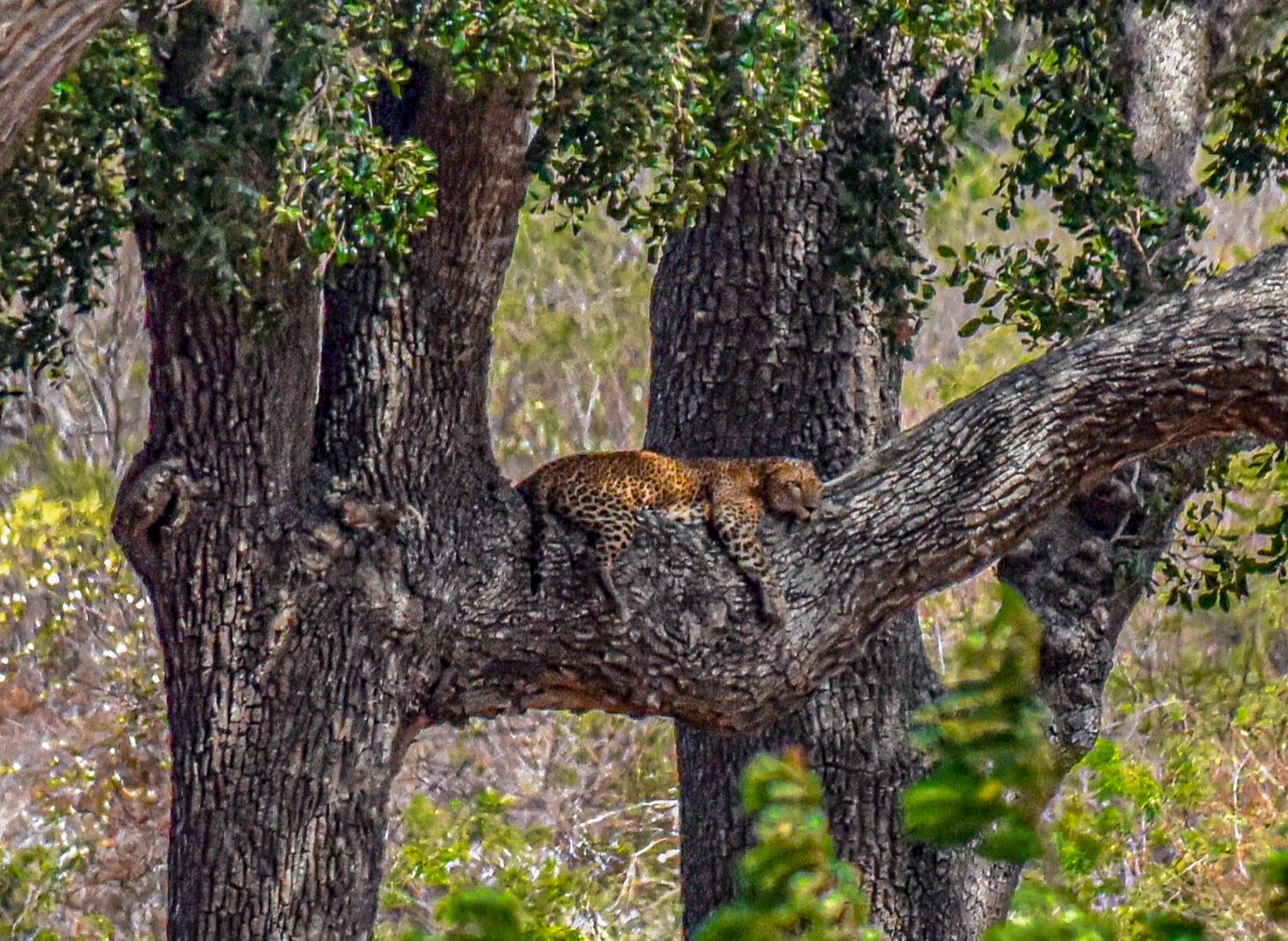
On the whole, backpacking Sri Lanka has many highlights. But, for me, the safari in Yala National Park easily takes its place at the top of this list.
Notably, it was the single most expensive thing I did in Sri Lanka. I didn't care though, because it was also the best.
Our guides put in so much effort, and you could just tell they really care about your experience. They want you to see a leopard as much as you do. Their dedication is inspiring, and their passion for conservation is heartwarming.
This is noticeable during the safari, but it truly stands out once you compare it to another safari experience. For me, that was India, and even though I saw the Indian tiger (bucket list: tick!), the overall experience wasn't as good as here in Yala.
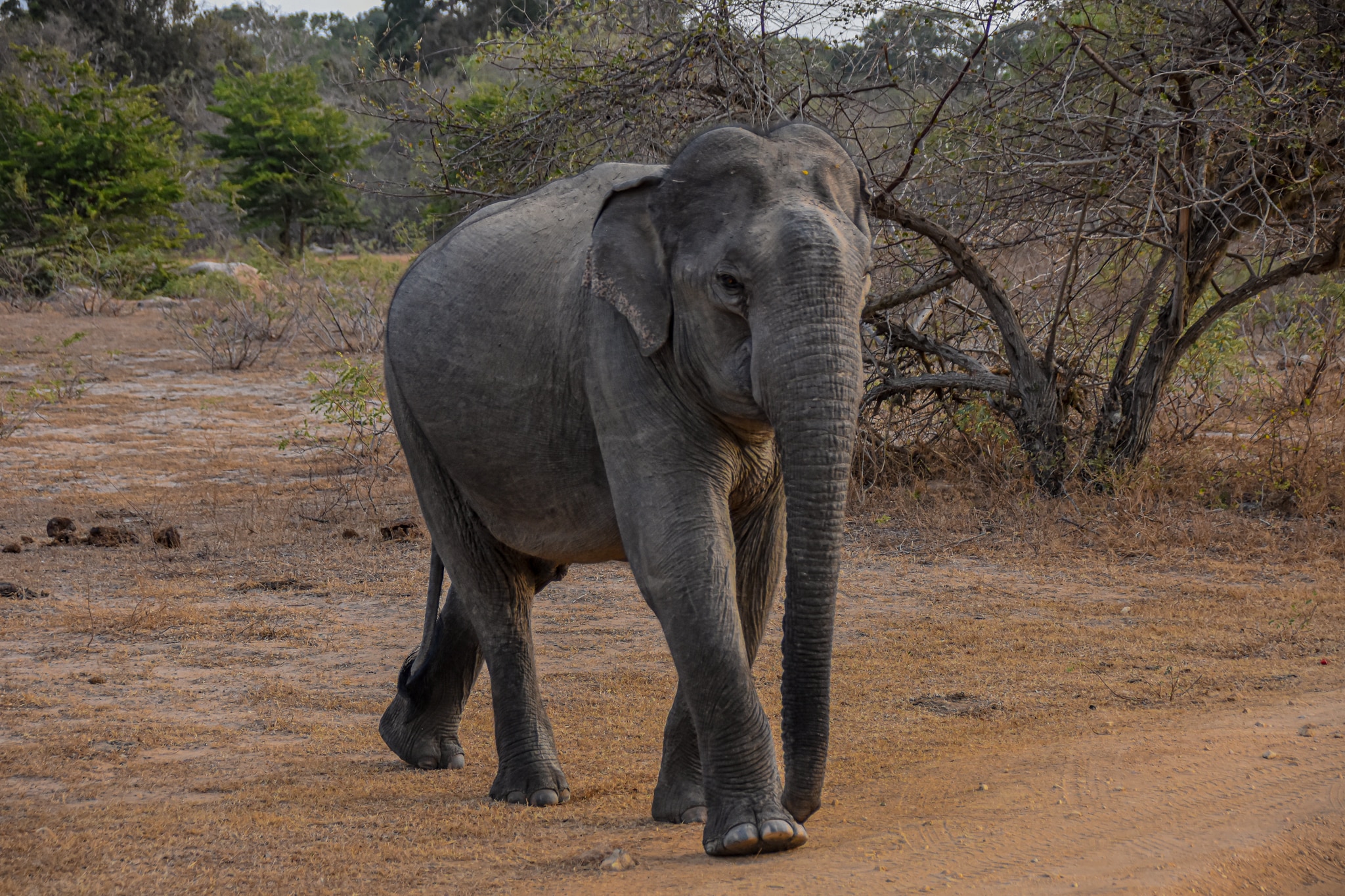
The crown jewel of Yala National Park is the leopards, but there's an array of colourful, fantastic wildlife on display throughout. Alongside the leopards, we found elephants, crocodiles, buffalo, monkeys, huge, colourful birds, and much more.
Despite so many creatures inhabiting the National Park, you find yourself gazing as much at the magnificent, unspoiled landscape. It's a phenomenal natural habitat, with one of the best beaches I had ever seen. There are luscious lakes and fantastic bushland for the wildlife to hide. It was a picture of heaven for wildlife lovers, conservationists and naturalists alike.
Even when you aren't surrounded by the wild animals or hitting a mud patch, you're still enjoying the thrill of the drive.
The small 4x4s race around the dusty tracks, in search of movement from within the bush. You could find anything at any moment, and that is almost as exciting as spotting the big cats.
It's sensational, and I highly recommend you give it a go.
The safari in Yala National Park was the best safari I have done - period.
Esala Perahera Festival
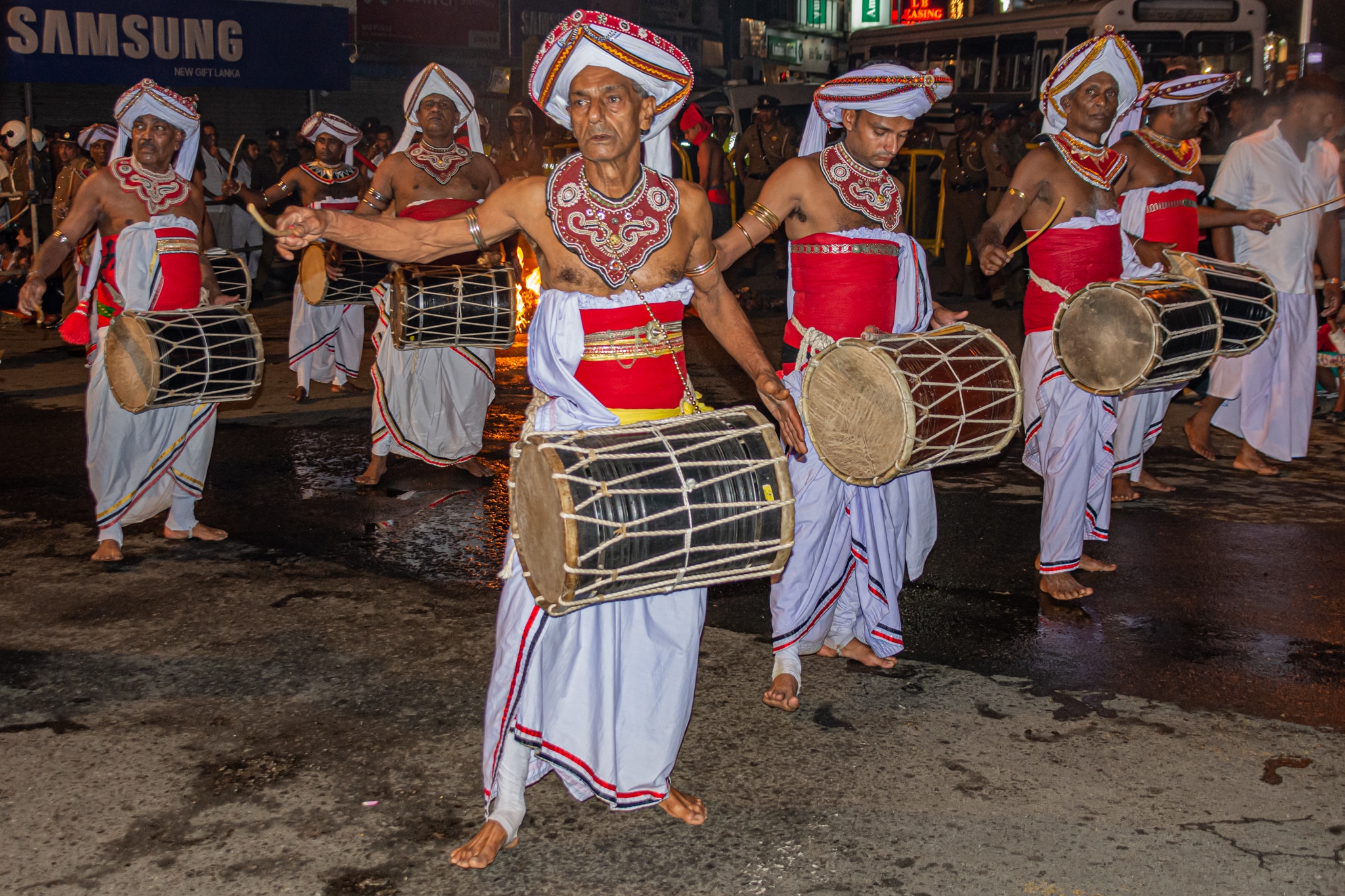
The Esala Perahera is an annual celebration in the central city of Kandy, and is the most important Buddhist celebration in Sri Lanka.
The festival dates change year upon year, depending on the full moon. Generally, it's the end of July or beginning of August.
My advice is to do your research, and try to make sure your arrival in Kandy coincides with the Escala Perahera.
Starting at the elegant temple of the tooth, the procession weaves its way through the city over the course of 10 days, giving as many people the chance to see it as possible. Each day the parade grows in size, until the final day where miles of fire dancers, musicians, elephants, dancers and more take to the streets.
The atmosphere is electric, and the party vibes are as warming as the flames of the fire dancers. The costumes are all as loud as the musicians, and it all makes for quite a spectacle.
It is so good I would suggest you plan your whole time backpacking Sri Lanka around the Esala Perahera, if possible.
Disclaimer - I do not, and never will, condone using wildlife in circuses, zoos, or for any form of entertainment. They should be, as their name states: wild. This tradition has been going on for centuries, and it is seen as a real honour to take part. As such, and in keeping with Buddhist values, the elephants are well looked after. Granted, they still use chains, and that saddened me. That said, to my unexpert eye they seemed happy, healthy, and had amazing bonds with those looking after them.
Ride the Kandy to Ella Train
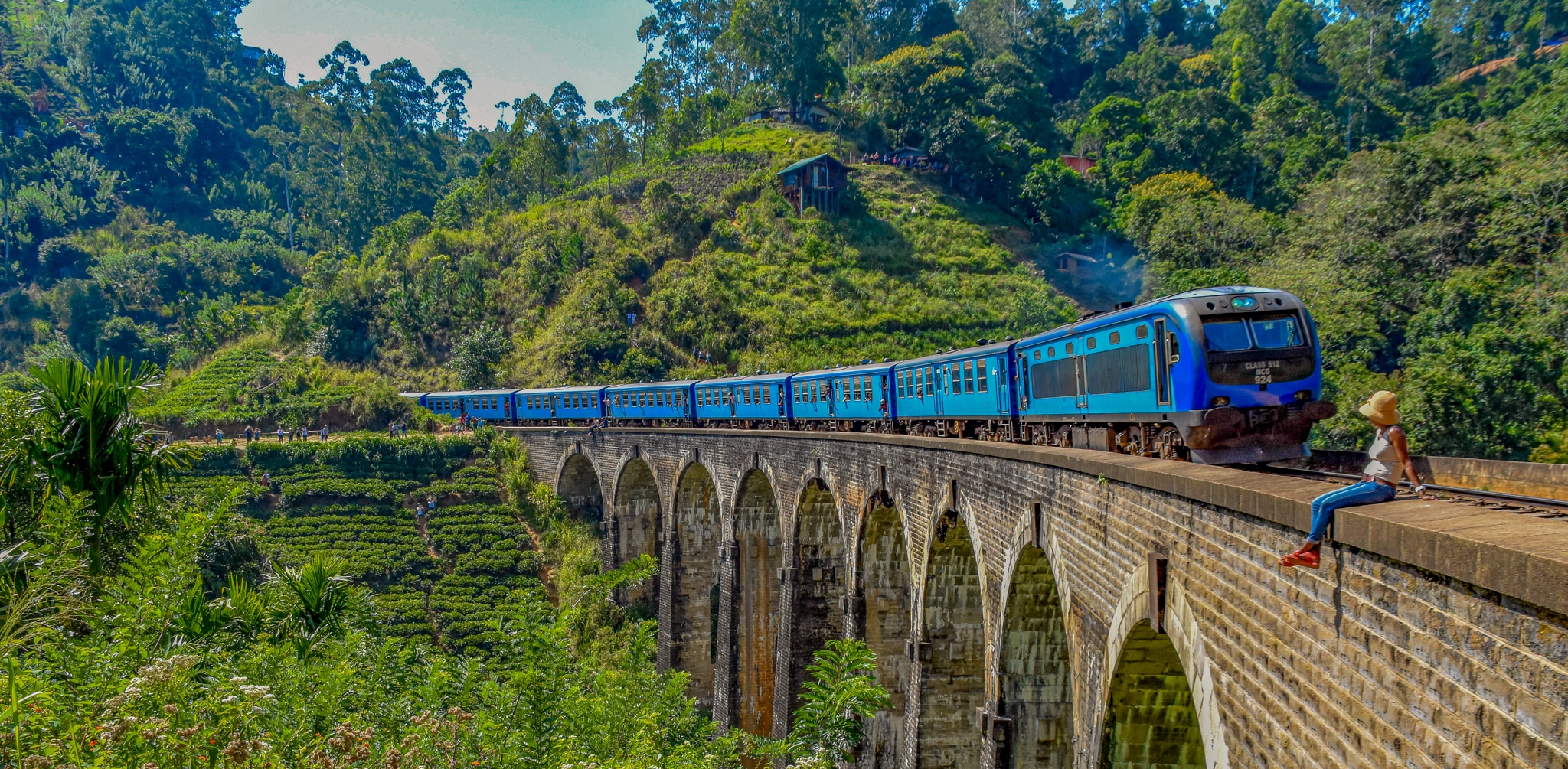
Instantly more recognisable than the festival above, this epic journey soars through the living, breathing countryside of Sri Lanka.
You've probably seen the shot a million times on Instagram. Some apparent nutter hanging out the door of the blue train, with a gorgeous backdrop of tea plantations and mountains.
It looks idyllic, dreamy, and one of those 'paradise moments' travellers long for, and we talk about on here a lot.
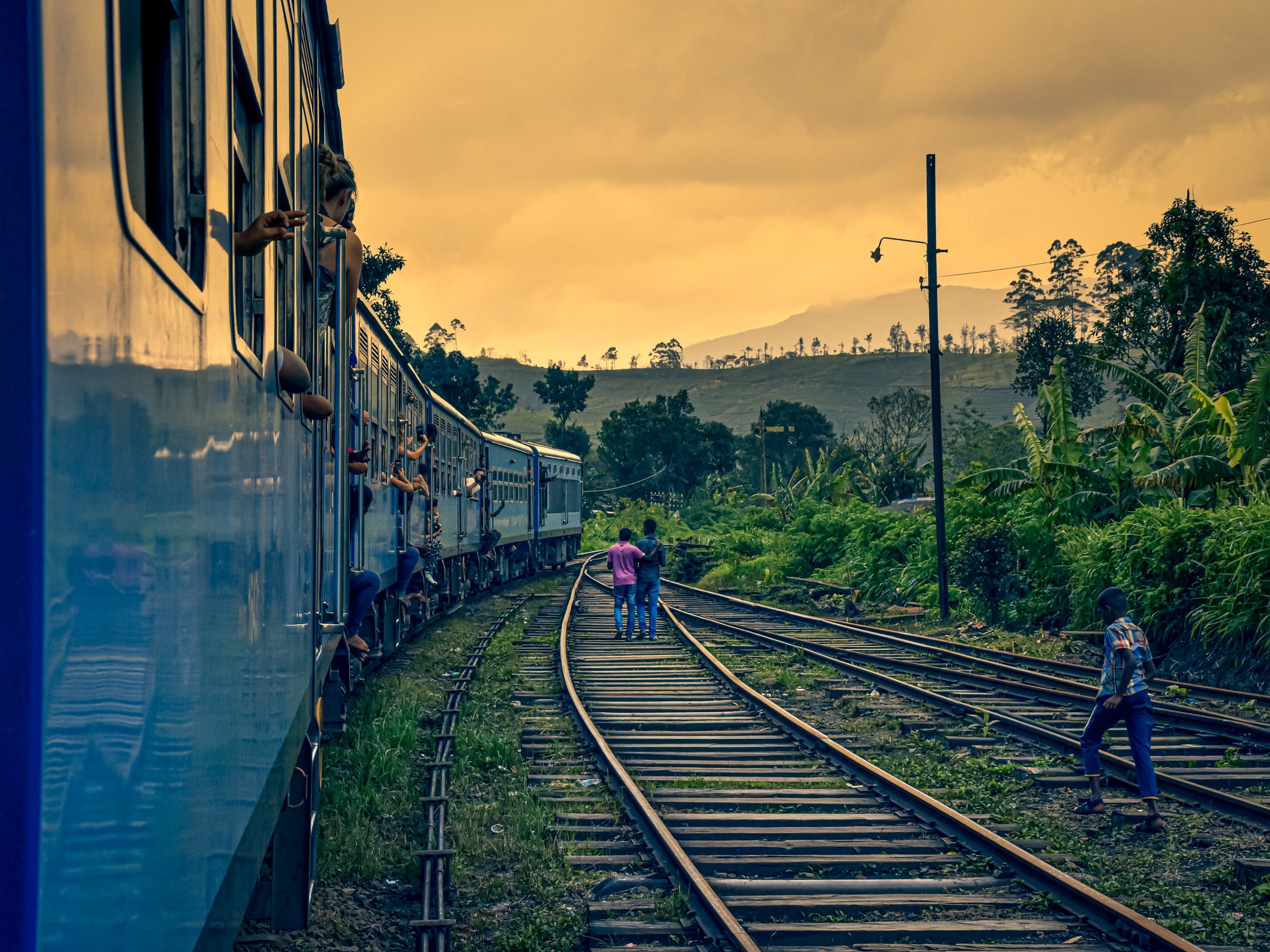
Well, I tried this one. And trust me, there is nothing like standing in an open train door as you rally through the countryside with the wind in your hair.
It's unique and completely absurd, at least to us Europeans. But as long as you dodge, duck, dip, dive and dodge your way past obstacles, you'll have the time of your life.
And, ultimately, it is.
However, that's only half the story. The rest of the journey is one of mayhem, madness and pure chaos.
No matter where you sit, be it first, second or third-class, your experience will be one to remember. For drastically different reasons.
I was back in third-class, trying not to die. By the time it came to hanging out the door, I was wondering if it was, indeed, preferable to let go.
This experience is one that will change you. What I mean by that is, you won't be able to take it all in until you get off.
That is in part because the carriages are crammed full of people. There'll be elbows and sweaty armpits in your face, and some annoying git standing on your toes. Therefore, your emotions may not be in a position to enjoy the experience. Yet still, somehow, you're happy to be there.
It's something I wouldn't normally comprehend, let alone encourage. Yet I am.
In essence, its the best train journey I've ever been on.
The views, the laughter, and the experiences are second to none. It is honestly something you must do whilst backpacking Sri Lanka.
Tyre Swing over the Beach as the Sun Sets
Magical moments and bucket list items are what this section is all about. This final jaw-dropping selection is just as special, and, in some ways, even more picture-perfect.
Set amid the exquisite, narrow Dalawella Beach outside the city of Galle, this delightful rope swing is made for Instagrammers and romantics alike.
With the fading sun as the backdrop, you fling yourself from the perfectly arched, rough and rugged palm out over crystal waters. And you can only be one thing; happy.
It feels as if you're floating, with nothing but the glorious ocean and white sands below, whilst the sun dances magically on the horizon above. Coupled with the ambience from the small beach shack below, chilled music, and a beer in hand, this experience is magic.
It's not as prolonged as the other experiences above, it gave something the others couldn't. I think that speaks louder than a photo.
I will say, I feel that a tyre on a rope dangling from a tree should probably be free, but it's not. However, it does give another of those elusive, beautiful paradise moments, and you simply can't miss it.
Preparing To Backpack Sri Lanka
Suggested Itineraries
World-class beaches, tea plantations, mountains, waterfalls and wildlife are calling you to come and backpack Sri Lanka.
I'd love to come back and put together more itineraries for you, but for now I can only give you the tour I put together and enjoyed myself. The perfectly-named...
Two Weeks of Tea, Trains and Terrible Driving Tour
14 Days
Experience life amid the tea fields, walk above the clouds in Nuwara Eliya, encounter the wildlife on safari in Yala, and walk the walls of Galle. This round-robin has it all.
Day 1 - After a long flight, arriving in Sri Lanka is an exciting, yet tiring experience. Thus, I suggest you stop in the neighbouring city of Negombo. You only have one night here, so the closer to the airport the better.
Accommodation is abundant in the city, most of which tends to be along the beachfront. If you're looking for cheap accommodation, look no further than Hostelworld. Prices tend to start from around £3 a night.
If you are looking to start your backpacking Sri Lanka tour in style, then Airbnb showcases some fantastic beachfront apartments too. The choice is yours.
Ask your host if they could organise a taxi for the following morning, as you'll want to get on the road to Dambulla by 9:30 am, as it's a three-and-a-half-hour drive or a four-and-a-half-hour bus. Just make sure you book the next night's accommodation at SA Village.
Day 2 - Wake up and take in the early morning air whilst enjoying your first Sri Lankan breakfast. The fresh juicy fruits, breads, and assorted delights will fill you for the long journey ahead.
Make your way across the country to Dambulla, and, once you've checked in at SA Village, your first stop has to be the enchanting Dambulla Caves. Here you will experience your first taste of Sri Lankan culture, coming face to face with numerous depictions of the Buddha, plus a troop of inquisitive monkeys.
Be prepared and make sure you are covering your shoulders and knees for this experience. By the same token, remove your shoes and put them in your bag before arriving at the temple. You don't want the monkeys running off with them.
The temple isn't massive, so an hour should suffice. After, visit the incredible temple with the large golden Buddha down at the bottom of the hill.
I then urge you to find the best tuk-tuk driver in the country, Tuk-Tuk Bob. You cannot miss him - he drives around in a Bob Marley-themed yellow and green tuk-tuk, blasting out reggae tunes.
Later in the evening, explore the fruit and veg markets that make Dambulla famous, before tucking into your first proper taste of Sri Lanka, with a few beers. Have a shop around and find a hostel or homestay in Kandy that looks like a bit of you. Book two nights.
Day 3 - Today is an early start, but trust me, it's completely worth it.
The gigantic Sigiriya (Lion Rock) is a short 30-minute drive from Dambulla and is the reason for the early morning wake-up. The site opens at 7 am, and my advice is to be there for that time.
If you don't arrive before 8 am, you will become another face in an evergrowing queue. A queue that never seems to move. And it will spoil your day.
For that reason, you should head up to the top as soon as you arrive, following the path to the righthand side of the rock. Everything you want to explore back on the ground level can be done after, when there are no queues. So get to the top first.
The history of Sigiriya is spectacular, as are its stories. Even if you don't have time to learn about the area, you will certainly appreciate the views from the top. It's magnificent.
Once you have seen all you want to see, it's time to head south to the wonderful city of Kandy. Along the way, you will notice a dramatic change in the landscape. The barren, rusty soil of Dambulla turns to lush green tea fields and forests.
Take the opportunity on the journey to visit a tea plantation. I stopped at the Geragama Tea Factory to the west of Kandy, and it was fascinating.
Upon arrival in Kandy, check in to your hostel and relax after a long day. Although, if you feel up to it, take a slow walk around the lake during the twilight hours. It's beautiful.
Day 4 - Today will be a leisurely morning, not to mention, the first time that you've had time to relax and get to know a city. There are several things to do in Kandy. First off, should be the Temple of the Tooth on the northeast shores of Lake Kandy. Being a Buddhist Temple, you will have to cover your shoulders and knees, as well as remove your shoes before entering.
Your entry ticket also allows access to the surrounding buildings, including the World Buddhist Museum, The Old Royal Palace, and the National Museum, to name a few.
After you've learnt about the temple and the city of Kandy, I'd suggest poking your head into the old, fantastic British Garrison Cemetery, which is brought to life by the gardener who can tell you stories of those buried within.
Ideally, you have planned your trip around the Esala Perahera festival. So, as darkness falls across the city, take your place and prepare to be amazed by the fantastic display.
Day 5 - Today we're taking the time to enjoy the city and a slower pace, starting with a visit to Kandy's award-winning Botanical Gardens.
The gardens are a horticultural masterpiece, maintained to the highest quality, full of colour, open space, tranquillity and wildlife. It's truly remarkable.
You could easily spend a morning meandering through the gardens admiring the flowers, trees, water and wildlife from around the world. There are stunning greenhouses, cafes, restaurants and educational buildings on-site, all of which are worth exploring. I also have to recommend the buffet at the Royal Garden Cafeteria for a spot of lunch.
Another humbling site in Kandy is the staggering Kandy War Cemetry. Very few places can bring a tear to the eye these days, but this place can. The respect, care and maintenance of the cemetery is humbling and is worth a visit, especially as it is near the Botanical Gardens.
It is surreal and gives a solemn moment to reflect and pay tribute to those who died during the war.
Take a moment this afternoon to book your next night at a tidy hostel in Nuwara Eliya. Mine was weird, so no recommendations here.
Day five should finish as per day four, watching the impressive Esala Perahera pass through the streets of Kandy.
Day 6 - This morning you have two options, both involving a trip down to the train station to board the Kandy to Ella Express.
The two options are either the early morning train (around 8:45 am), or the later one (around 11:10 am). Either way, you're in for a whirlwind experience. Check the Train Journey Through Sri Lanka blog for more on this one.
The countryside is spectacular as you manoeuvre slowly through the tea plantations and roaming hills. This will be an experience you will not forget. Trust me.
You will arrive in Nuwara Eliya around 3.5 - 4 hours later, and the first thing you'll notice is a change in the weather. You're now high in the mountains, and it will be bloody freezing, and potentially raining.
Find your accommodation, and then take a walk around the old British colonial town. Highlights include Victoria Park and The Grand Hotel.
Depending on which train you took you might have time to visit one of the many powerful waterfalls around the area.
An evening in Nuwara Eliya revolves around trying to stay warm. Thus, grab a hearty meal and a few beers at the local pub, The Pub, or a few cosy drinks around the fire at The Grand Hotel. Remember to book the next two nights at the Ella Gap View.
Day 7 - In short, today is the reverse of yesterday, starting with waterfalls and tea fields, fishing off with the second leg of the Kandy to Ella train.
An earlyish start to the day allows for a morning's exploration of the thundering Ramboda Falls before our stop at the fabulous Blue Fields Tea Centre. Both are special for different reasons.
If you're up early, the short drive north brings you to the powerful and ferocious Ramboda Falls, which are a sight to behold. You can get up close and personal with the falls without getting too wet from the spray, which is nice.
Earlier in the tour, you explored the magnificent, smaller Geragama Tea Factory. You now have the opportunity to visit the vast Blue Fields Tea Centre. Obviously, there are similarities, but on the whole, they are very different outfits.
Once you have completed the factory tour, you'll have free time to walk amid the tea, and it grows as far as the eye can see.
Before you leave, make sure you try a cup of their finest tea accompanied by a delicious cake in their gorgeous cafe.
Of course, you must remember you have a train to catch, so head back to town, grab your bags (or better still, have them with you), and make your way to the train station.
This final leg of the train journey is by far the most beautiful, as is your destination. Ella train station has won awards for its beauty, and it's very noticeable. The midday train south to Ella will arrive around 3:15 pm.
Upon arrival, check-in at the Ella Gap View, which is a divine accommodation in the hills overlooking the town. If they're full, Hostelworld has you covered. Relax, and if you fancy a wander around town, take some free time to do so before settling in for the night.
Day 8 -Wake up listening to the animals, and enjoy stunning views through the trees of the surrounding countryside.
After a fresh breakfast on the balcony, make your way to Nine Arch Bridge.
Enjoy walking the tracks and soaking in the views. I can't recommend this, of course, as it's technically illegal. But 'a friend' says it's a great experience.
Tension builds as the sound of the tourist train fills the air. As the train crosses the bridge, hundreds of cameras snap away, all looking for the perfect shot. Yes, it's just a train on a bridge. But it's spectacular. You'll see.
After the train has passed, walk back up to the road, and on to Little Adam's Peak. It's an easy walk with a short sharp incline at the end.
Standing on top of Little Adams Peak, you'll have stunning views of the surrounding hills and Ella Rock. Those who feel the need can continue along the short ridge, whilst those who aren't keen can head back into town, and enjoy a refreshing cake and Sri Lankan tea.
That's about all I would suggest for today, other than enjoying the local shops, unless you felt extra keen and wanted to tackle the Ella Rock hike.
Before bed, take a look online and find the least-shit-looking accommodation in Tissamaharama. You should have already booked your safari, but if you haven't now's the moment. You're there for two nights.
Day 9 - Again, you have a couple of options this morning.
Either hike up to Ella Rock or, if you did so yesterday, enjoy a leisurely morning in the town and relax.
Hold on to that feeling of relaxation, as now you're taking a spine-tingling, hair-raising drive south to Yala National Park.
By the time you arrive in Tissamaharama, which is a small town on the outskirts of the National Park, you may not have any fingernails left. And this place won't do much to cheer you up.
Assuming you survive the drive, check into your accommodation and take some time to unwind and unclench.
There is nothing to do in and around Yala bar the safari, so savour an early night. Tomorrow you'll be up at the crack of dawn in search of the magical leopard - which honestly is one of the biggest reasons many of us consider backpacking Sri Lanka in the first place.
Day 10 - In brief, this could be a day that will stay with you for a lifetime.
The excitement builds as you drive into the park under the cover of darkness. What awaits you, who knows?
As the sun rises, the park unveils its true beauty and the wildlife within. This is the unknown, but whatever happens, you are in for a thrilling time and an epic treat.
I hope you see everything you want.
There isn't much more to say about today, as everyone's experience will differ somewhat. It's simply magical.
As the twilight hours kick back in, leave the park and enjoy a meal at the fabulous Smoky Kitchen, where you can go over your day's photos, relive the special moments, and book the spectacular Villa Aroshina in Galle for the next two nights.
Day 11 - After yesterday's experience, the drive west to Galle will seem a little uninspiring. That said, the manner of driving will be grimly familiar.
What the drive does allow is more time to relive yesterday's magical moments and photos, hopefully including some of the leopard.
In contrast to the drive, arriving in Galle is yet another fantastic experience, as the walled city paves the way for more wonderous activities.
If possible, check in to the fantastic home of Villa Aroshina, run by the family for you. Should Villa Aroshina not be available, Galle is the time to relish in a spot of luxury. Airbnb has you covered with numerous apartments in and around Galle. If both are out of reach, Hostelworld and Booking.com have you covered.
Firstly, you must walk on the high walls of the old fort, before meandering the narrow streets within. Have a drink in the old Dutch quarter under the shadow of the beautiful lighthouse, before heading off to Dalawella Beach for the sunset.
Spend your evening with a beer in hand, swinging on a tyre over the crisp sands.
Day 12 - Start the day with a remarkable visit to the turtle sanctuary, where they rescue and release baby turtles back into the wild. Unfortunately, I missed out on this experience during my visit to Galle, which means I'll have to return.
Damn.
Take the rest of the day off. You're on holiday. Spend it at Jungle Beach, on the outskirts of Galle.
Jungle Beach is a wonderful, crescent-shaped beach shrouded in trees, where the sun shines over the shimmering waters and crystal gold sands.
The locals love it, and there is a reason for that: it's heavenly.
Furthermore, there is a wonderful beach bar, with all the classic, mouthwatering drinks on offer. A day on Jungle Beach is what the doctor ordered after what has been, quite frankly, a mad few weeks backpacking Sri Lanka.
Another evening awaits in the stunning streets of Galle Fort, as you explore the walled city under the moonlight. After all, it would be rude not to enjoy a few more drinks within the fort, followed by a delicious meal and a cosy late night on Sri Lanka's south coast. Just remember to book your final night in Colombo's very pretty Moss BnB.
Day 13 - Back to bedlam. A final train journey awaits as you leave the glory of Galle and head north along the coast to Colombo. The city has plenty of accommodation throughout. I'd recommend Moss BnB, which is a half hostel, half hotel combo.
On the whole, it is a fantastic place to stay, despite being a fair distance from the Dutch Quarter. For this reason, you may want somewhere more central. As always, between Hostelworld and Booking.com you're well catered for in Colombo.
What's left of your time in Sri Lanka should be spent amid the old Dutch quarter admiring the architecture. After a couple of peaceful days in Galle, the hustle and bustle of the Colombo streets will appear mayhem. The old facades of every building tell a story and are something to appreciate as you explore the city.
There are wonderful markets to the east of the Dutch Quarter, and, of course, plenty of restaurants to enjoy your final night on this magical island.
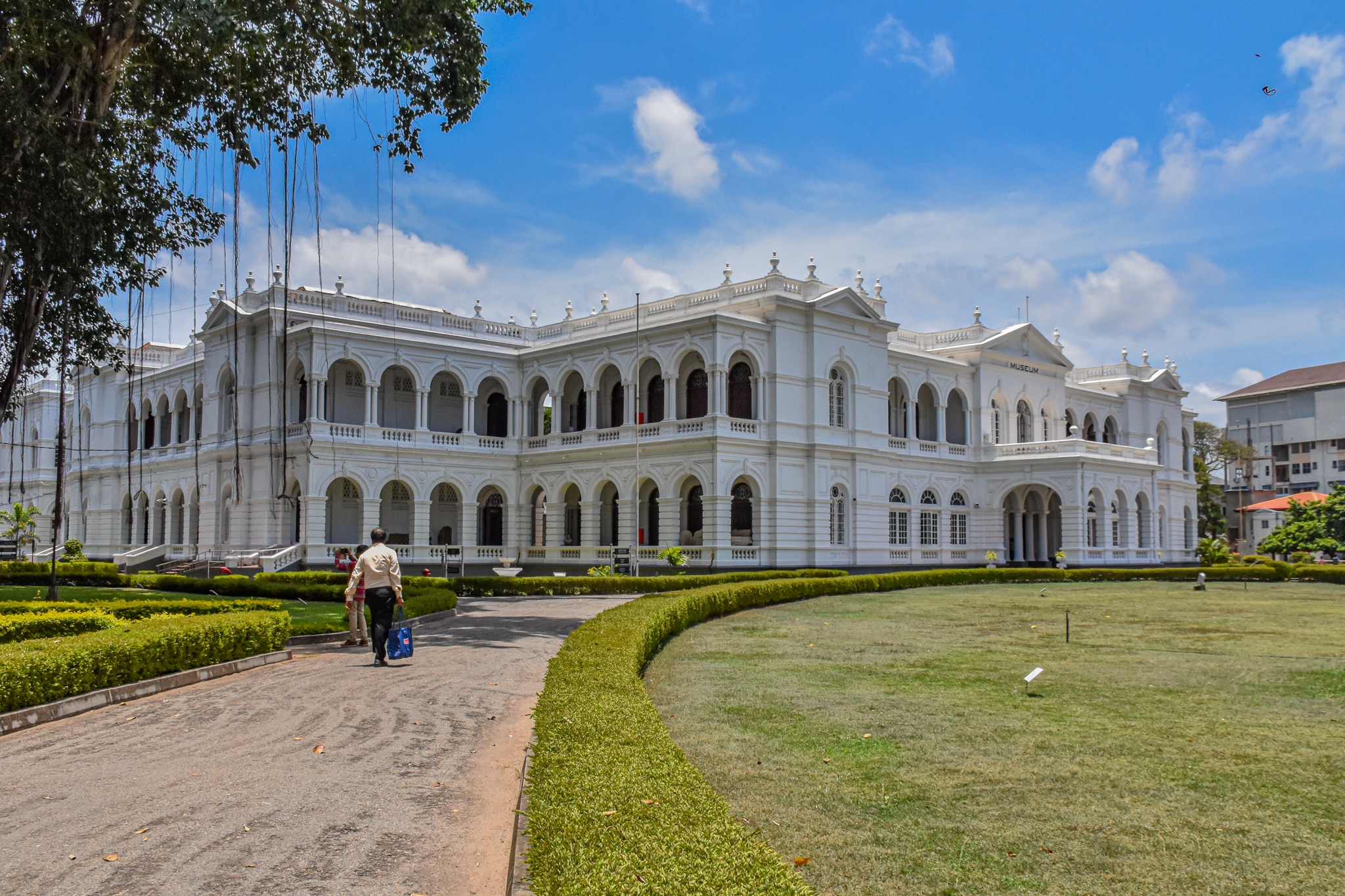
Day 14 - Sorry to say, today you will be catching your flight out. But, there is still time for a last-minute taste of Sri Lanka. If you have the time, enjoy the scenery of Viharamahadevi Park and the surrounding buildings, including the wonderful National Museum, Nelum Pokuna Mahinda Rajapaksa Theatre, and the open-air amphitheatre.
Have a safe flight.
Advice - Another option, especially during high season, is to do this tour in reverse. You will find the trains a lot less crowded, and more accessible.
Speaking Sinhala
Feeling brave? Give it a go. The locals will love you forever.
| English | Sinhala | Greg's Pronunciation Breakdown™ |
|---|---|---|
| hello | හෙලෝ | Hay-low |
| bye | බායි | Buyi |
| my name is... | මගේ නම... | Mar-gay-namaa... |
| yes | ඔව් | Oh |
| no | නැත | Nata |
| ok | හරි | Harie |
| please | කරුණාකර | Karen-Ark-ara |
| thank you | ඔබට ස්තුතියි | Obutus-stoopie |
| sorry | සමාවන්න | Sama-vanya |
| how much? | කොපමණ ද? | Kopamana dea? |
| excuse me | මට සමාවෙන්න | Ma-titsare-unream |
| what? | කුමක්? | Kuumark? |
Visas and Borders
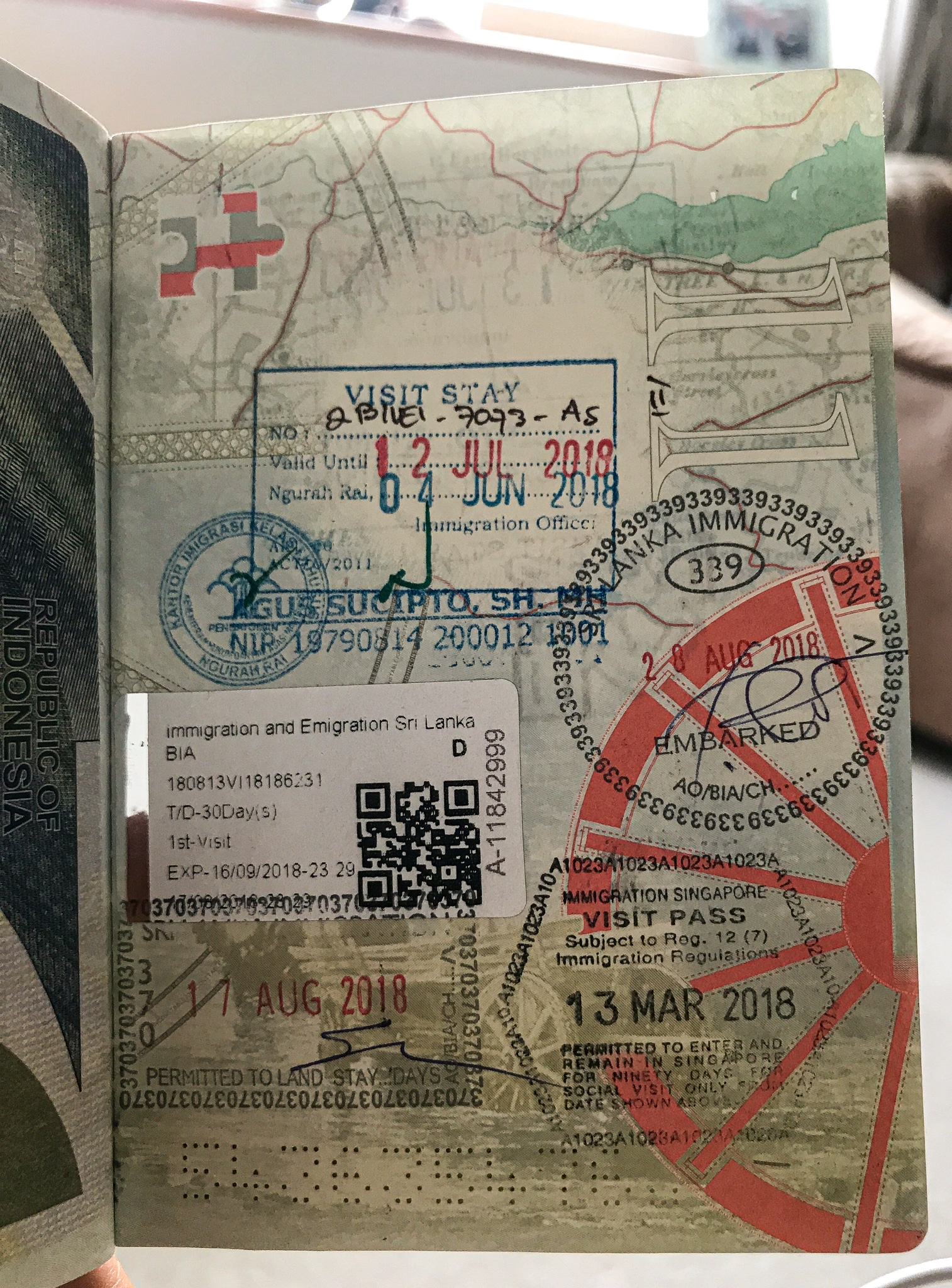
Firstly, if you're travelling to Sri Lanka for any form of tourism, you will need an Electronic Travel Authorisation (ETA) as well as having a valid passport with at least 6 months left on it.
The only exceptions to this are if you're a citizen of the Maldives, Singapore or Seychelles, when you can get a free visa on arrival.
Citizens of the following countries should complete an ETA online before arriving in the country. UK, USA & Canada, Australia & New Zealand, all EU countries, Norway, Switzerland, Ukraine, Iceland, Israel, Russia, China, Cambodia, India, Indonesia, Thailand, Philippines, Japan and Malaysia.
Although certain citizens may get away with completing the form upon arrival, such as citizens of the UK, my advice is that it's not worth the risk. Get it sorted, and take a copy with you. Even if you could get away with it, you'll be much quicker through the queues if you already had the ETA confirmed.
Once you present your ETA, you will be given the visa at the immigration counter. The visa will last for 30 days but can be extended up to 180 days.
If your country doesn't appear on the above list, you are more than likely required to obtain a visa prior to arrival, but please check with the authorities prior to travelling. Your government websites should assist you further.
Backpacking Sri Lanka was relatively easy, especially in comparison to its larger neighbour India. There are a lot fewer ports to come and go. If I'm honest, there are only a couple of ways in and out of Sri Lanka.
The first is flying, which will inevitably be how the majority of you get here. It will also mean that you'll be flying in and out of Sri Lanka's main Bandaranaike International Airport, a short distance north of Colombo. Admittedly, there are other airports, but they only appear to be open to a select few flights, normally from the Middle East.
You can also get here by sea, but as a passenger, your routes are very limited. When I say limited, I mean if you don't want to go from Sri Lanka to India, then you're stuffed. Get back to the airport and fly out with everyone else.
There is a passenger cruise ship that sails between Colombo and Mumbai. However, this is not a quick or efficient option. You will be on board a couple of days minimum, and it's gonna cost you.
The other option was the ferry, which went back and forth between the southern tip of India to the northern shores of Sri Lanka, but I am led to believe this service is no longer running (updated 2020).
What to Pack
Sri Lanka is relatively simple to pack for.
It's a small island in the Indian Ocean just north of the equator, and it's hot hot hot! Therefore, you may be anticipating short sleeve shirts and shorts across the country?
Generally, yes.
Although, a couple of central areas in the hills are more wet wet wet, and bloody freezing. Thus, it's not all as simple as you may first think.
There's also some advice for the ladies, thrown in by some of our Far Out female backpacker friends who have been here.
And So, Our Top Pick for Backpacking Sri Lanka is...
Marlboro Lights Cigarettes
This isn't something you will see on every packing list, especially coming from someone who has never even tried a cigarette.
However, Marlboros (which are apparently a top brand?) are like currency out here.
Pulling out these babies will make you the most popular person in a bar, beach or restaurant. You cannot find them out here, and Sri Lankan smokers love them. And a lot of Sri Lankans like a smoke. We gave one to a guy who a guy who helped us out, and he said he'd save it for Sunday.
These bad boys can be used to get whatever you want. Not to mention, they can help you out of a sticky situation far cheaper than a bribe.
"Sure officer, have a ciggy."
Clothing and Shoes
Sri Lanka, on the whole, has a steady climate and basks in glorious sunshine most of the year.
Admittedly, around the coast you will get that cooling sea breeze on a late evening. But, in general, it's going to be hot.
As a result, you'll need to pack light shoes, such as a firm pair of flip flops ('thongs' to our Aussie contingent), as they are light, breathable and comfy.
Alternatively, a pair of lightweight canvas sneakers would be great for backpacking Sri Lanka, or a pair of ultralight sports trainers.
Alongside both of these light options are a good pair of walking shoes/boots. These are for those longer or tricky hikes, specifically Sigiriya Rock, Ella Rock and Adam's Peak.
Due to the Sri Lankan heat, shorts are the name of the game. You'll need three pairs when backpacking Sri Lanka, one in the wash, one to wear, and the other on standby ready for action.
Similarly, thanks to the heat, vests and t-shirts will be your number one option. I'd suggest five T-shirts and a few vests thrown in, as they're lightweight.
When it comes to T-shirts, ideally they will need to cover your shoulders. It will make life a lot easier when trying to go to religious sites, such as Dambulla Caves and the Temple of the Tooth.
Speaking of which, you will see tourists, male and female, in shorts and short skirts walking around some temples, both here and in other Asian countries. Yes, they may have 'gotten away with it', but that doesn't make it right. Whether you agree with certain rules and regulations in other countries, we have to respect their beliefs and culture. So please follow the rules.
In comparison, the central highlands are colder and often wet. Hence, this is where you'll find the tea plantations.
Luckily, the chances are you'll only be up here for a short period, so a single lightweight waterproof jacket is essential. For me, there are only two options, both of which I have with me when travelling. Like the backpacks, they're pricey but well worth the money and will last forever. They are Regatta and North Face.
Similarly, I'd throw in one jumper or hoody for those cold, cosy nights in the likes of Ella and Nuwara Eliya.
Electronics
My first choice of electronics is a solid travel adapter, one with as many USB ports as is feasible to keep all your gear on the go and protect against any dodgy electrics.
We recommend the iBlockCube. It's got tons of sockets, as there will be a time when you'll need to charge all your gear quickly at once before you shoot off again, and it's a case of more is better.
You will want your gear charged here, especially when you're out on safari. Can you imagine spotting the leopard, only to find the battery has decided to die at the same time?
For this reason, I also took my portable charger on safari, safely tucked away in a bag to protect it from the sand. As it turns out, I didn't need it, but with such a special experience, it's better to be safe than sorry. Our resident Far Out tech expert Charlie recommends and carries an Anker, and having witnessed it in action I'd be happy to stick my less-than-tech-minded name on that.
Something I wish I had for Sri Lanka that I didn't have, and wouldn't carry with me around the world, is a big-ass telephoto lens.
The likes of Sri Lanka, India and Kenya could justify such a lens, largely due to the safaris. However, it's more likely something to hire specifically for a single trip. I do wish I had taken one with me for the Sri Lankan safari. If you're into your photography, consider getting one.
Toiletries
Much like India, toilet paper is something that you should consider for Sri Lanka. Whilst not as well documented, the food and sanitary situation in Sri Lanka can cause some 'delicate' issues. Admittedly, it's not as pressing an issue as in India, but I do advise a soft roll somewhere in your bag.
Bags
When it comes to backpacks, both Charlie and I always recommend either Berghaus or Osprey. You should aim to buy anything around 65 litres for your main bag, and something in the region of 15 litres for a day bag. These sizes do differ depending on height and strength.
Whatever you choose, make sure it is comfy, has decent waterproofing, contains areas for a reusable water bottle, camera, and has a safe or hidden area for your valuables.
Female Travellers
The advice for what to pack for females in Sri Lanka, it's more about clothing than cosmetics.
Firstly, sarongs. Whilst not essential, they are very helpful for covering your knees when entering religious sites. If your sarong has a split down the side, you may still be given strange looks, or asked to tie it better. In some more touristy countries, these rules are somewhat lax. Not here. You must cover your knees.
Secondly, pack or purchase a pashmina or a shawl. Similarly to the sarong, use this when entering a religious site and you have to cover your shoulders.
Finally, much like the above two suggestions, when it comes to beachwear, we have to suggest a bathing suit rather than a bikini. When we were on Jungle Beach near Galle, females wearing bikinis were not allowed in the water. Sri Lankan females were swimming and playing in the sea fully clothed. They wore jeans, t-shirts and religious headdresses.
My friend wasn't allowed in and had to remain on the beach purely for wearing a bikini.
Other
When it comes to water bottles, we always urge you to only drink from reusable bottles, and avoid single-use plastic bottles. This goes double when backpacking Sri Lanka.
Sri Lanka is in the top six countries worldwide for polluting the seas with plastic, which for its size is devastating. Do not add to their problems. If in doubt about this, head over to Netflix and watch A Plastic Ocean to get an idea of the scale of this problem.
Luckily, Charlie is a bit of a nerd with this stuff and says he has come up with the best reusable bottle. He swears by it. Apparently, his Lifestraw bottle is eco-friendly and can turn river water into drinking water. He is still with us, so that's all I need for proof.
Next up, having seen the terrible standard of driving here in Sri Lanka, I advise each and every one of you to carry an entire hospital with you. However, if you're not Arnie, a first aid kit will have to do.
Keep it lightweight and compact, but full of useful gear. Plasters aren't going to help in some situations. Make sure it's got sufficient equipment for more than a booboo.
I always carry one on the road and rate this pack from Amazon. What I like about this one is that you have a smaller, lighter case within it, suitable for your day pack and hiking.
Please also make sure, and I'm guilty of this myself, that when you use something, replace it!
It's also worth adding in dioralyte, just in case a couple of dishes disagree with your internal workings.
Travel Insurance
Travel insurance is needed if you're backpacking Sri Lanka. Whilst I luckily never needed to use any of the hospitals, doctors, or medical services, as mentioned numerous times, travelling on the roads is a sketchy experience. If you get injured here, I'd wager this is how it happens.
If you do get injured, insurance is vital to avoid being liable for literally thousands in medical bills. It simply isn't worth the risk of backpacking Sri Lanka without any form of insurance.
Again, like most of my insurance advice in Asia, make sure you have cover for illness and injury, not just lost or stolen baggage, money, or gadgets.
Travelling Ethically
Ethically backpacking Sri Lanka is difficult, because, at some point, you will need to use old polluting trains, cars and buses.
These heavily polluting vehicles play a large part in causing dramatic weather changes in Sri Lanka. The country has recently experienced extreme rises in sea levels, and devastating flooding.
With this in mind, Sri Lanka is fighting back. The train tracks are currently undergoing renovation, as are the trains themselves.
Weather is not the only destroyer of this fantastic island. Overfishing is destroying the waterways and coastal marine ecosystem. When in Sri Lanka, you could consider other dishes to seafood. The country is known for its tantalising veggie curries or pork dishes. Try to substitute these options when possible.
It is, however, the sheer volume of plastics and rubbish that scatter the island's wilderness that do it the most damage. #
Single-use plastics are destroying the natural landscapes and wildlife across Sri Lanka.
Having witnessed this first-hand, I'm not blaming the destruction of the land and wildlife on the locals' lack of care, but their lack of education. Sri Lankan's don't grasp the impact they are having, or have the teaching in place to inform them of the harm plastics do that we are lucky to have back home.
Teaching people is key, and will be the only way to change things permanently for the better.
I watched an elderly man on the train pick up some rubbish, and throw it out the open door. He clapped his hands and smiled, sincerely believing that he had cleaned up. From his reaction, I'm convinced that was his honest belief. Out of sight, out of mind.
We have a lot of teaching to do in Sri Lanka.
It is very hard for us as travellers to ethically explore the island. That said, our money is going a long way to helping the local people who, in turn, rely on tourists to survive.
Also, Sri Lanka also has fairly archaic laws on same-sex relationships. Under article 365, it is illegal to commit a sexual act with someone of the same sex. Same-sex couples are still forbidden to adopt, foster, go through IVF, join the army, or marry in Sri Lanka. LGBT communities in Sri Lanka are at the forefront of a movement that is gathering pace, working alongside human rights activist. Whilst they are making ground in the country, it is slow going at this time. If you are part of the LGBT+ community, be aware of this when you head here.
Safety
In general, backpacking Sri Lanka is safe.
The country has a troubled, war-torn past, which still on occasions rears its ugly head. Despite the civil war ending in May 2009, there has been the occasional attack by the extremist Tamil Tigers, leading to mass casualties.
In 2019 more than 350 people were killed in a Jihadi attack at churches and hotels in the country, but terrorism is very rare in Sri Lanka.
Outside of wars and terrorist attacks, the most prominent issue for tourists is minor theft. You need to be extra vigilant where crowds gather such as a market place. Pickpockets tend to congregate there, hidden in plain sight.
Whether you're backpacking Sri Lanka solo or as part of a group, if you're younger or older, male or female, the same rules apply. Be vigilant, be sensible, and keep your wits about you. But at the same time, enjoy yourself.
As with a lot of Asian countries, white travellers will attract a lot of attention, particularly females. Particularly if you're female, be careful about who you accept drinks and free lifts from, especially at night.
Generally speaking, this attention can be annoying, but it's not done with malice. In fact, if you're a white person, male or female, backpacking Sri Lanka, you will more than likely be asked for a photo. Sri Lankans are inquisitive and love photos with white people.
There are no major warnings for us to report here really. This country deserves your attendance, just as you deserve to see the beauty of Sri Lanka.
Brief History
Sri Lanka, formerly Ceylon, has had a checkered history throughout its 125,000 years or so, since humans first inhabited the island.
The country's past is entwined with religion. Buddism, and the stories that lie within, has affected every part of Sri Lanka's past, and still play a massive role in current-day living.
Stories of the Buddha himself leaving footprints on the land, as well as the Hindu gods Rama and Sita moving between Sri Lanka and India, are, in part, the bases for how the people of Sri Lanka live today.
Islam appeared in Sri Lanka in the earth 7th century, shortly after trade with the Arab nations was made possible via the Indian ocean.
By the time the Portuguese muscled in in 1505, trade was roaring across Ceylon. This brought with it yet another religion, Christianity, which quickly spread across the coastal regions the Portuguese colonised.
By the time the Dutch arrived on Ceylon's shores in 1602, the spice trade was seen to be massively important, bringing in unforeseen amounts of money for the ruling powers.
The British saw the island as a strategic location to dominate the other European superpowers in and around India, and thus took control from 1802.
In 1815, the British took the Kingdom of Kandy becoming the first, and only, European nation to unify the entire country. The island became a vital base during World War II, and was heavily bombarded by the Japanse army. British forces, along with the Canadians, Australian, Indian and Sri Lankan forces, defended the island, suffering heavy losses.
After the war, the island gained its independence from the British in 1948, over 350 years of European rule.
Since 1948 the country has seen many infractions of peace, generally internally with the pre-mentioned Tamil groups fighting against the Sinhalese for control and power.
In 1972, Ceylon changed its name to Sri Lanka, further cementing its independence and nationalisation. This led to further tensions within the country as Buddhism was declared as the main religion, causing the Islamic Tamil people to increase their violence, which led to the civil war which lasted over 25 years, until ceasefire was declared in 2009.
Our Sri Lankan Stories
Galle, Sri Lanka – A Travel Guide
Galle is famed for its 16th century fortified walls which encompass the stunning Dutch Hospital. It is a highlight on your adventures through Sri Lanka
Nuwara Eliya, Sri Lanka – A Travel Guide
The ‘Little England’ of Sri Lanka, Nuwara Eliya is nestled high in clouds, and is home to a vast amount of the countries tea fields.
Yala National Park and Tissamaharama: The Wild Side of Sri Lanka
Join the elephants and leopards in the wild side of Sri Lanka.
Dambulla, Sri Lanka: Cave Temples, Sigiriya and More
Famed locally for its fruit and veg markets, this small crossroad’s town hides the wonderful Dambulla Caves, and makes for a great base to tackle the assent of Sigiriya (Lion Rock).
Colombo, Sri Lanka – A Travel Guide
This west coast historical city is home to the only modern-day high rises. All of which merge with the cities historical facades and traditional Sri Lankan vibes
Kandy, Sri Lanka – A Travel Guide
The cultural heart of the island, known for the magical Esala Perhera, and of course, the start of that train Journey… The city is simply wonderful.