What to Pack For Your Next Backpacking Adventure
Last Updated: October 17, 2025
AT A LOSS AS TO WHAT TO PACK FOR YOUR NEXT ADVENTURE?
SPACE SAVING | ETHICAL TRAVEL GEAR | ELECTRONICS AND GADGETS | SAFETY | TOILETRIES | BAGS | SHOES | CLOTHES | CHECKLIST

Heads up: We sometimes work with companies to provide affiliate links and reviews - here's what that means. If it's here, we use it. We don't plug shit for profit.
Because You Can't Take It All
Who saw 2020 and 2021 coming?
Instead of the usual phone, wallet and passport check, we all added Covid documents and a face mask to our list of what to pack.
And that shit was annoying.
Thankfully, we've moved on and are back to COVID-free travel.
However, the one thing all those online forms taught us was that not all that you pack is physical.
Therefore, I've created a couple of other what to pack blogs, full of advice on the non-physical things you'll need, such as 26 Best Backpacking Apps and the first thing I pack, along with my passport: my Revolut Travel Card.
That said, this blog identifies the essentials of what to pack for your trip around the world, including clothing, water bottles, electrical items and more.
What to Pack Contents
Space Saving
Are you an overpacker and can never fit it all in?
The struggle is real.
There are so many questions. What do you take with you? What do you leave behind?
We've been there and asked ourselves these same questions. We couldn't fathom an entire year without that item of clothing or a few months without that gadget.
Sadly, these questions aren't limited to those on a gap year; they are for anyone going away for a weekend or week-long holiday and only taking hand luggage.
What do you do when airlines squeeze every penny out of you by reducing the carry-on bag size?
How can you fight back?
Vacuum Pack/Roll Storage Bags

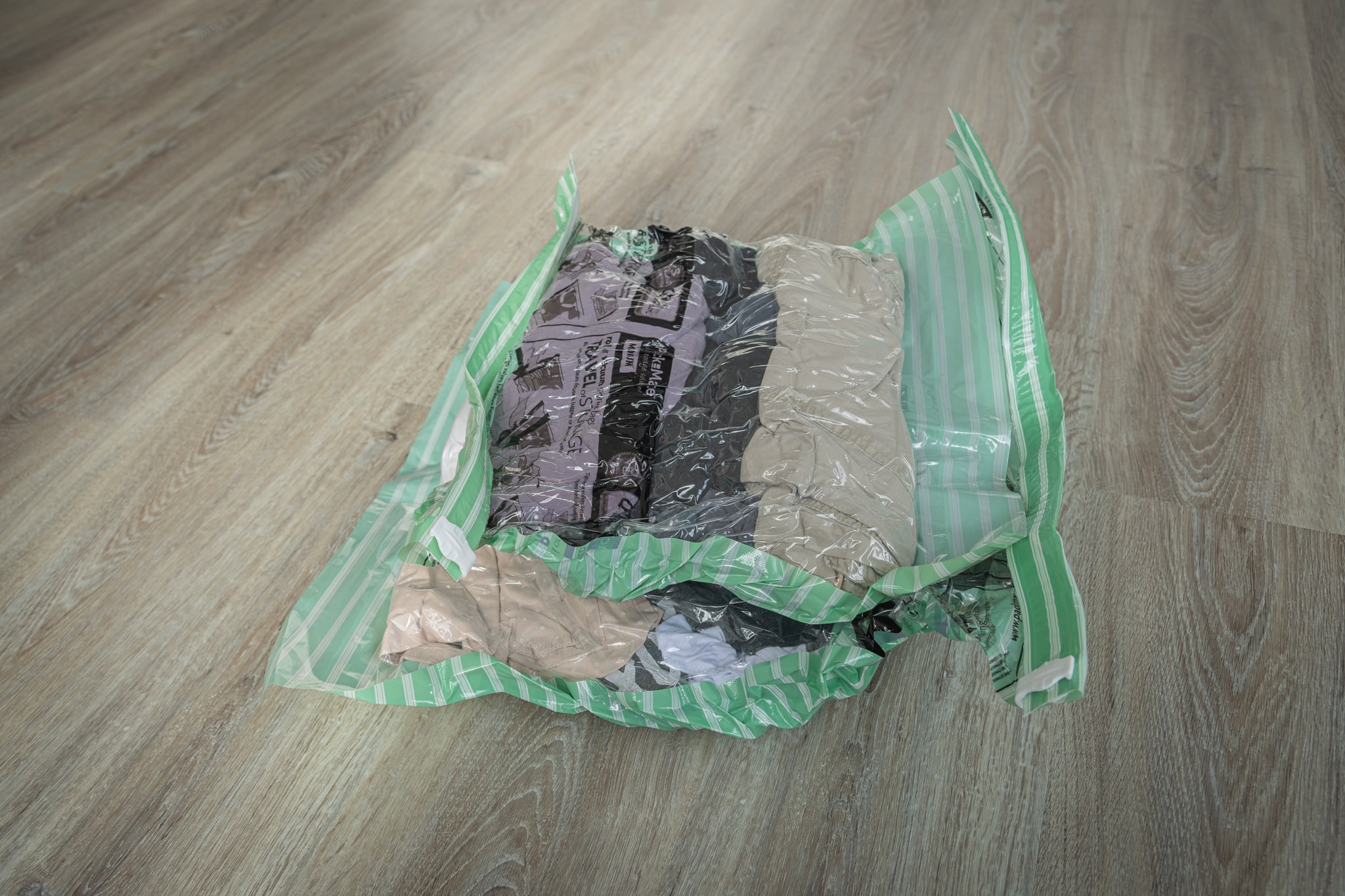
My newest discovery: the PackMate.
The PackMate shrinks your luggage in half.
It's simple to use and creates much more space in your bag.
Simply, pack your clothes or towels, seal the bag, then squeeze hard against a hard surface and watch your clothes shrink.
Now you can fit everything you need for that year-long trip, or weeklong getaway with those tight-fisted airlines without paying extra for a bag you don't need or want.
Power to the people.
Ethical Travel Gear

The expression single-use plastic is as familiar to us as the names Facebook and Instagram, and truthfully, they're all bad things.
Over 70% of waste on the world's beaches is plastic, of which 90% is unrecyclable.
Plastic bottles have washed up on every shoreline I've ever travelled. I've seen bottles floating down jungle rivers in Thailand and Peru. I've witnessed roadsides scattered with them across Sri Lanka and India. And, it's not just bottles - there are so many types of plastic discarded around our beautiful world, and it saddens me to my core.
What makes it worse is that there are easy solutions.
Firstly, education, and secondly, from all of us doing what we can to reduce waste and our carbon footprint.
Ethical travel starts before you've even left your house.
How?
Well, think. What am I likely to need that will get thrown away, and is there an alternative?
One thing we can all do is to carry a reusable bottle. Then, you will not need to purchase single-use plastics in many parts of the world. Thus, reducing your carbon footprint and saving the environment.
Count how often you fill up your bottle, especially whilst on a long hike. You'll soon discover just how much plastic you're saving.
Therefore, I recommend these:
Far Out Travel Water Bottle
Designed by us, this stylish water bottle holds approximately 500ml of hot or cold beverages and keeps your drink at the desired temperature.
With numerous colours and designs, engraving and personalising options, you can become a member of the tribe in minutes by purchasing your bottle via our store.
The animals and the planet will thank you, and others will ask where you got it.
About the bottles:
- Hold approximately 500ml
-
Thermal bottles
-
Suitable for hot and cold drinks
-
Hand wash only

The Life Straw
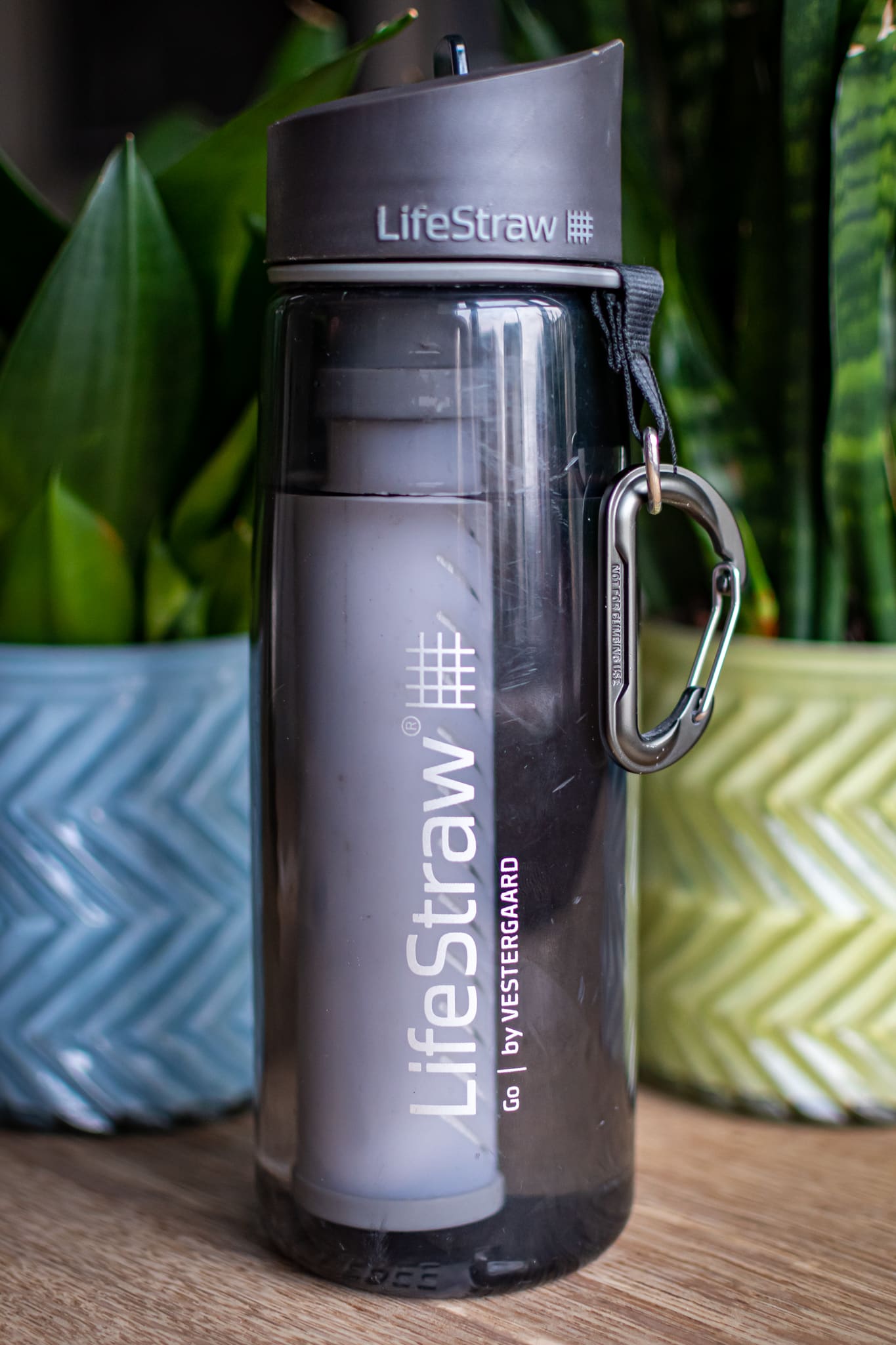
The LifeStraw Go is the official name of the bottle, and you can get it in stainless steel or durable BPA-free plastic. Yet, the LifeStraw itself is the cylinder-shaped filter that the water runs through within the bottle.
The filter allows you to fill up with stream, river or lake water and drink immediately and safely. It's magic!
Furthermore, for every LifeStraw product you buy, LifeStraw provides a child with safe drinking water. You can't say fairer than that.
Electronics and Gadgets
When it comes to packing, electronics and gadgets are often the first items into the backpack.
Let's be honest, they are far more interesting and exciting than clothes and first aid, aren't they?
Gadgets and tech are what excite us, and, in general, they're the items that record our precious memories and stories.
They are, however, also expensive and one of the first items thieves try to steal.
So, make sure you keep them safe and insure them well. Always make sure your insurance includes gadget cover, and it's to the value you'd expect. Insurance companies are very sneaky and always look to wriggle out of paying if they can.
Anyway, that's enough about insurance companies. I'll dive into the tech gadgets we take with us.
Nikon D500 - Camera
Pictures speak a thousand words, and many years from now, you'll have these images on your laptops, phones and possibly pinned to a large map on your office or bedroom wall.
Therefore, cameras are key, and for us at Far Out Travel, they're also our passion and our livelihoods.
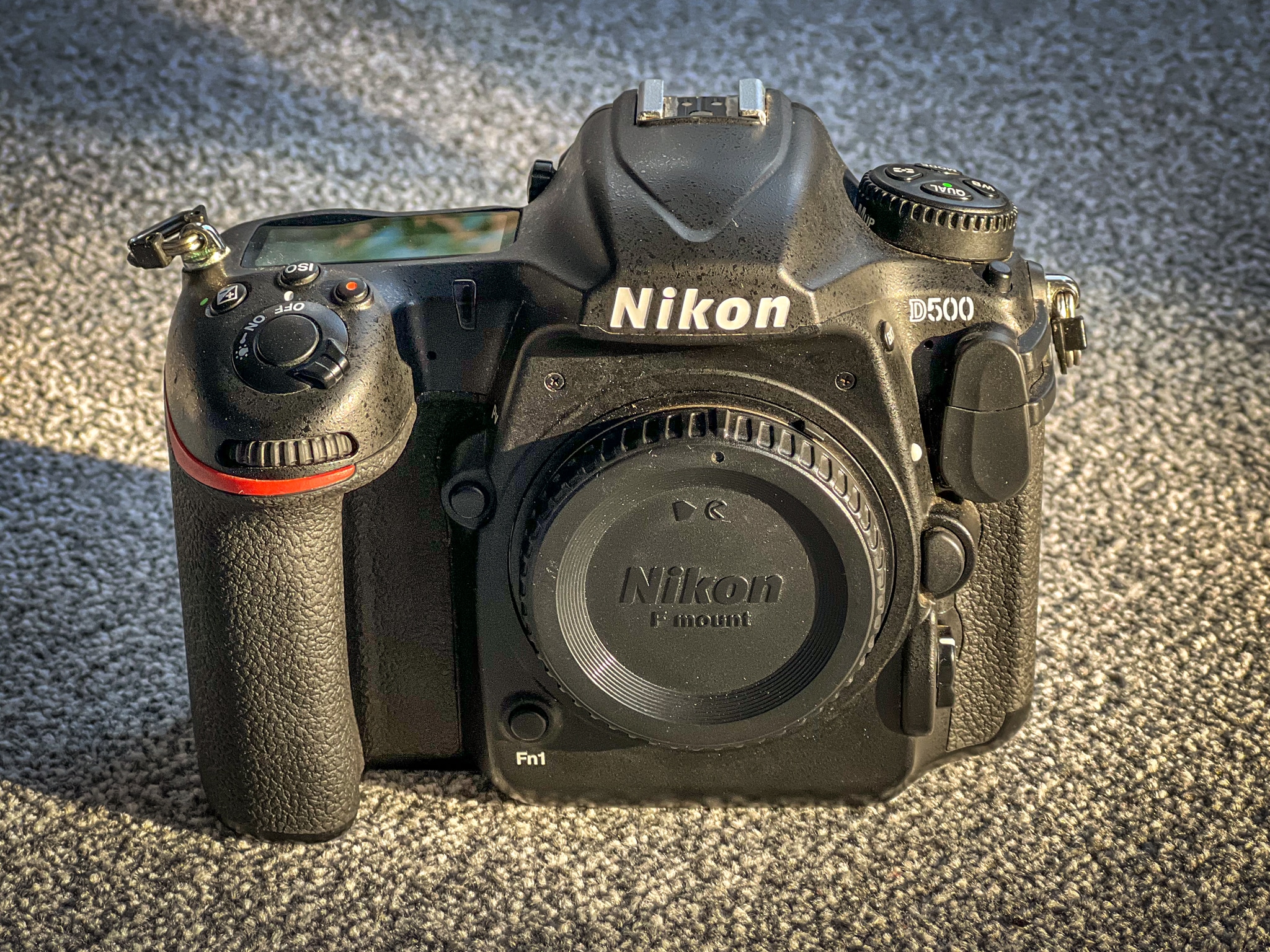
Having tried many cameras over the years, we recommend that unless you have over £3,000, you should opt for the Nikon D500. It's a truly fantastic bit of kit.
Heads up, there are two Nikon D500 bodies, and both are incredible. The single-lens reflex digital camera costs £1,124.94, and the AF-S DX 16-80 Kit Digital camera costs £2,209. I have the single-lens but would love to have the kit camera. The only reason I don't is that I cannot afford it.
The Nikon is lightweight, has a fantastic grip, takes incredibly sharp photos, and, despite having numerous different settings, it's super easy to use.
For an in-depth rundown on Nikon's specs, click here.
Camera Lenses
I love my Nikon D500, but a camera without a lens... well... it's as much use as a chocolate fireguard.
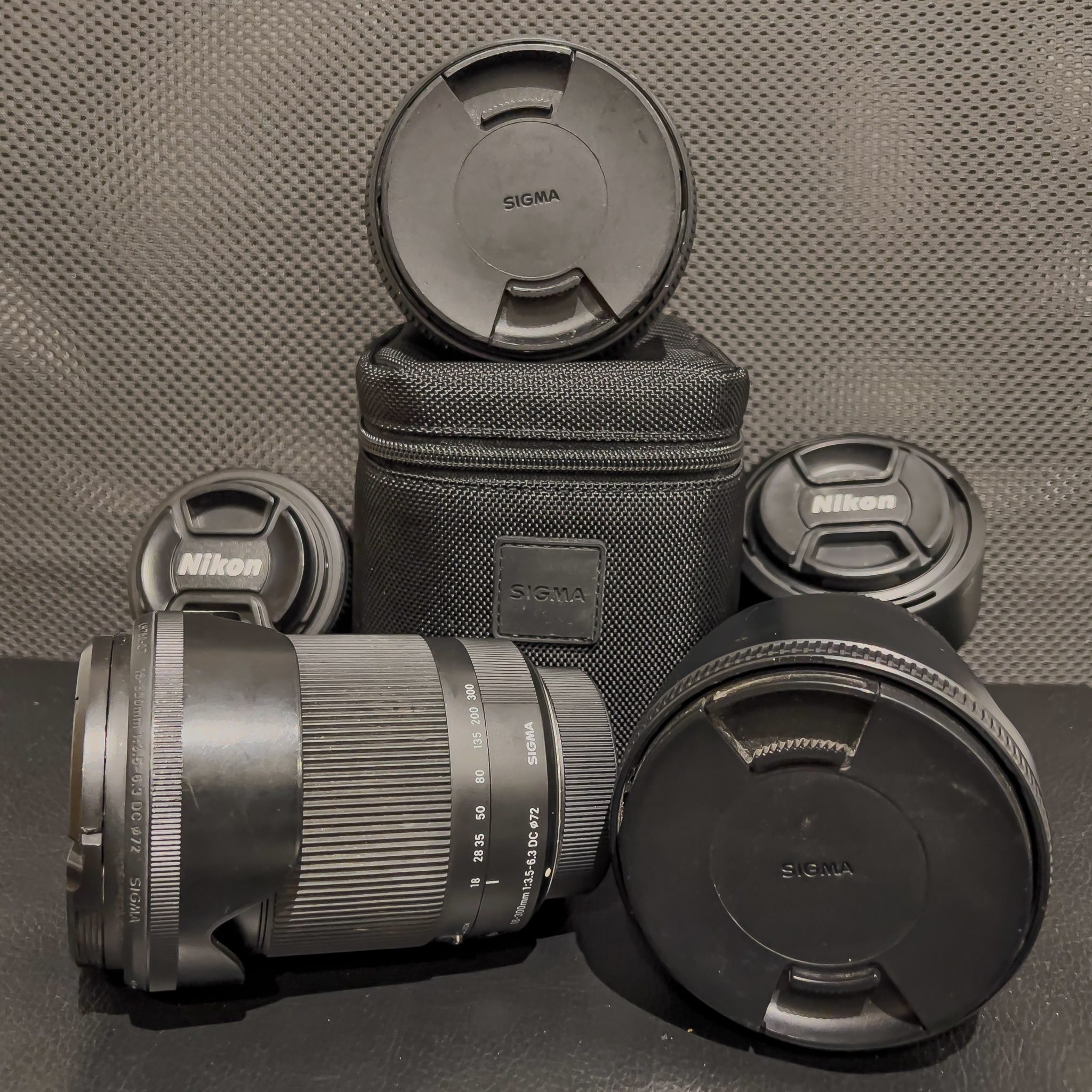
Now, is where you'll expect me to say, buy Nikon because they're the best. However, here's the secret: Sigma lenses are fantastic and often produce just as sharp photos, but for a fraction of the cost.
Honestly, if I could afford all Nikon lenses, I'd have them, but I can't. Although, as I cannot fault my range of Sigma lenses, I'm in no rush to change them.
I've found that by switching between my Sigma and Nikon lenses, I've always got the shot. That is unless I've buggered it up myself.
Some advice: Check that your camera is compatible with the lens you're about to buy. Not all lenses fit all cameras.
Memory Cards
Again, cameras and lenses would be pointless without a memory card. There is no point in pointing and clicking if you can't save more than twenty pictures.
If you're off travelling for a year, one memory card might not be enough.
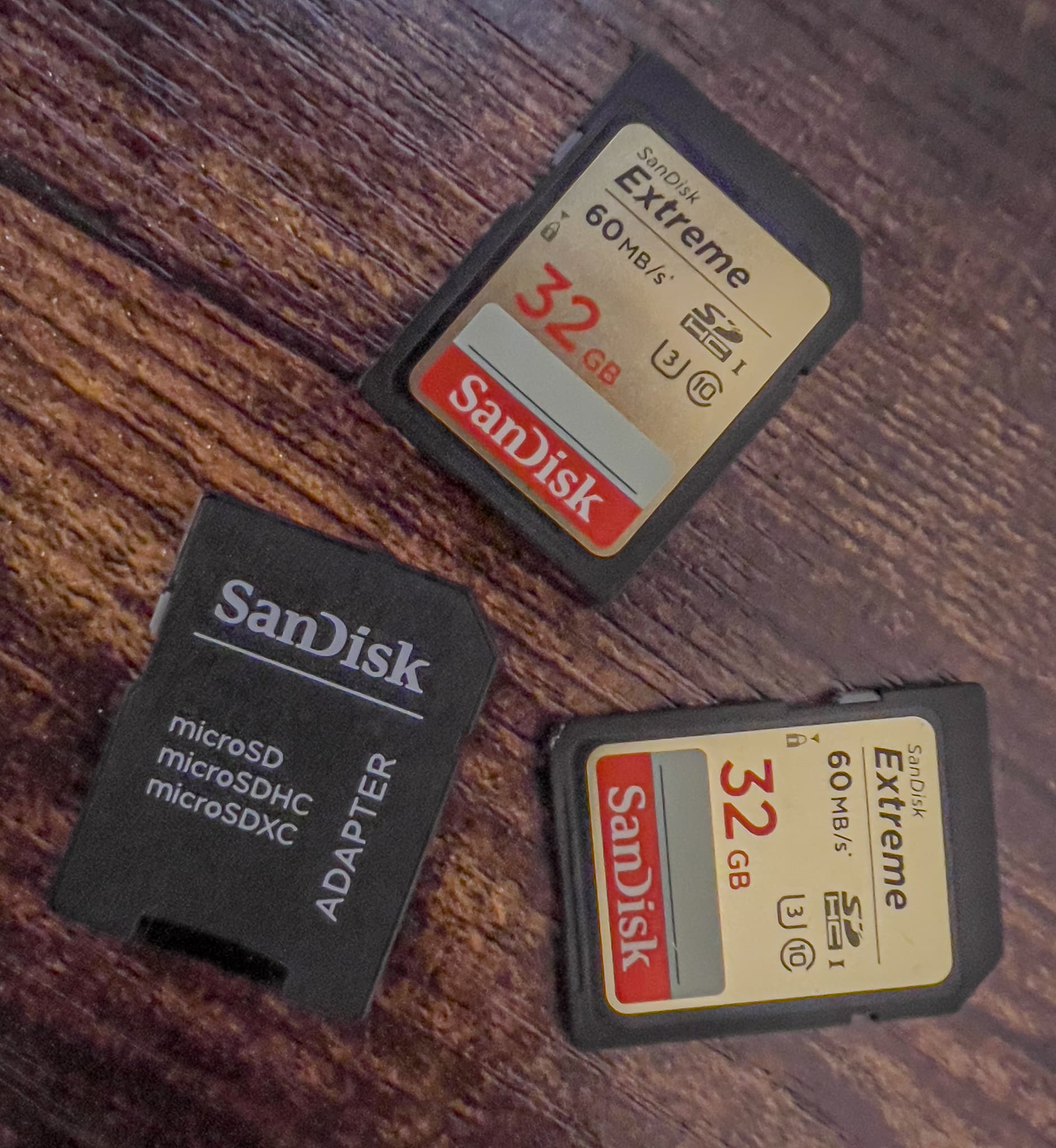
Here's what I do. I have one memory card in the camera and one spare, but this is just my personal preference, as is the brand I choose.
All I'll say is that whatever memory card you opt for, you'll need at least 32GB. Ideally, 128GB or more. When it comes to cost, it's not that much more expensive.
My favourite brand is SanDisk, but that's only because I've always had them, and they've been faultless. Like I say, the main thing is the number of quality photos they hold.
Portable Hard Drives
This item is not a necessity, but something I do and find very comforting. Nevertheless, there are other options, which I will talk about.
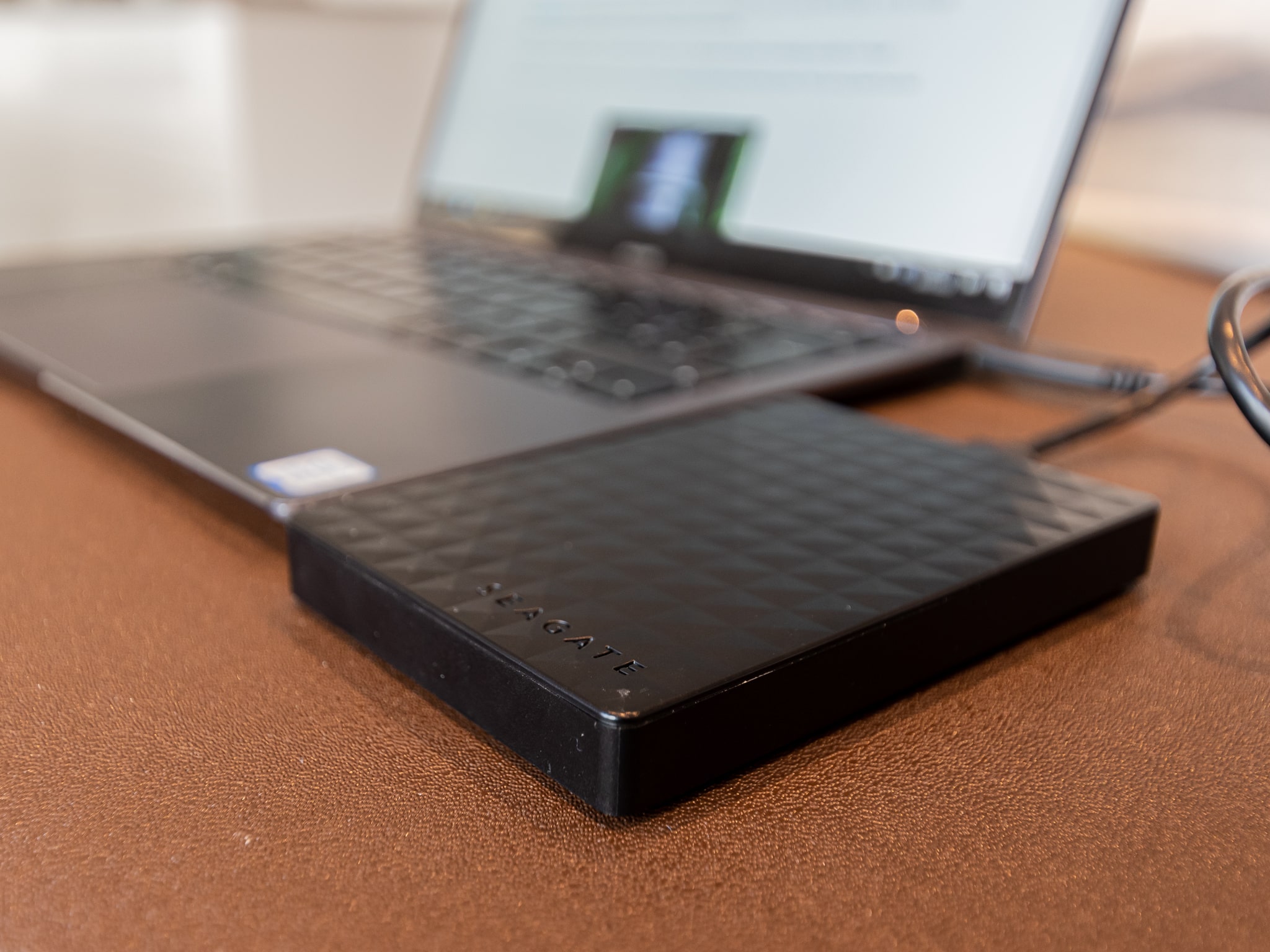
If I'm away for a couple of months or more, I take a small, lightweight, portable, 2TB hard drive with me. Then, if my two memory cards fill up, I can send all my pictures to my hard drive, laptop, and my OneDrive. Thus, clearing my memory cards for hundreds more amazing photos.
Yes, I am old school. But this was a long-winded way of saying 'backup your photos'.
I have a few 2TB Seagate portable hard drives, and I wouldn't move to another brand. They've always done what is required, save my photos, documents and other random items.
Travel Adapters
When travelling to multiple countries, all of which use different plug sockets, charging your gadgets and accessories can be a nightmare.
Hence, you will need a travel adapter.
With more brands producing adapters almost daily, it's impossible to say that one is better than another. Anyone who tells you 'This is the best' is lying and just trying to sell you shit. No one would have tried and tested them all sufficiently to make that claim.
The ideal scenario is that you pick the one that best suits your needs. For example, do you mainly have USB or USB-C connecting products? Ultimately, if you have more USB-C products, you'll want an adaptor with more USB-C ports, and the same goes for USB.
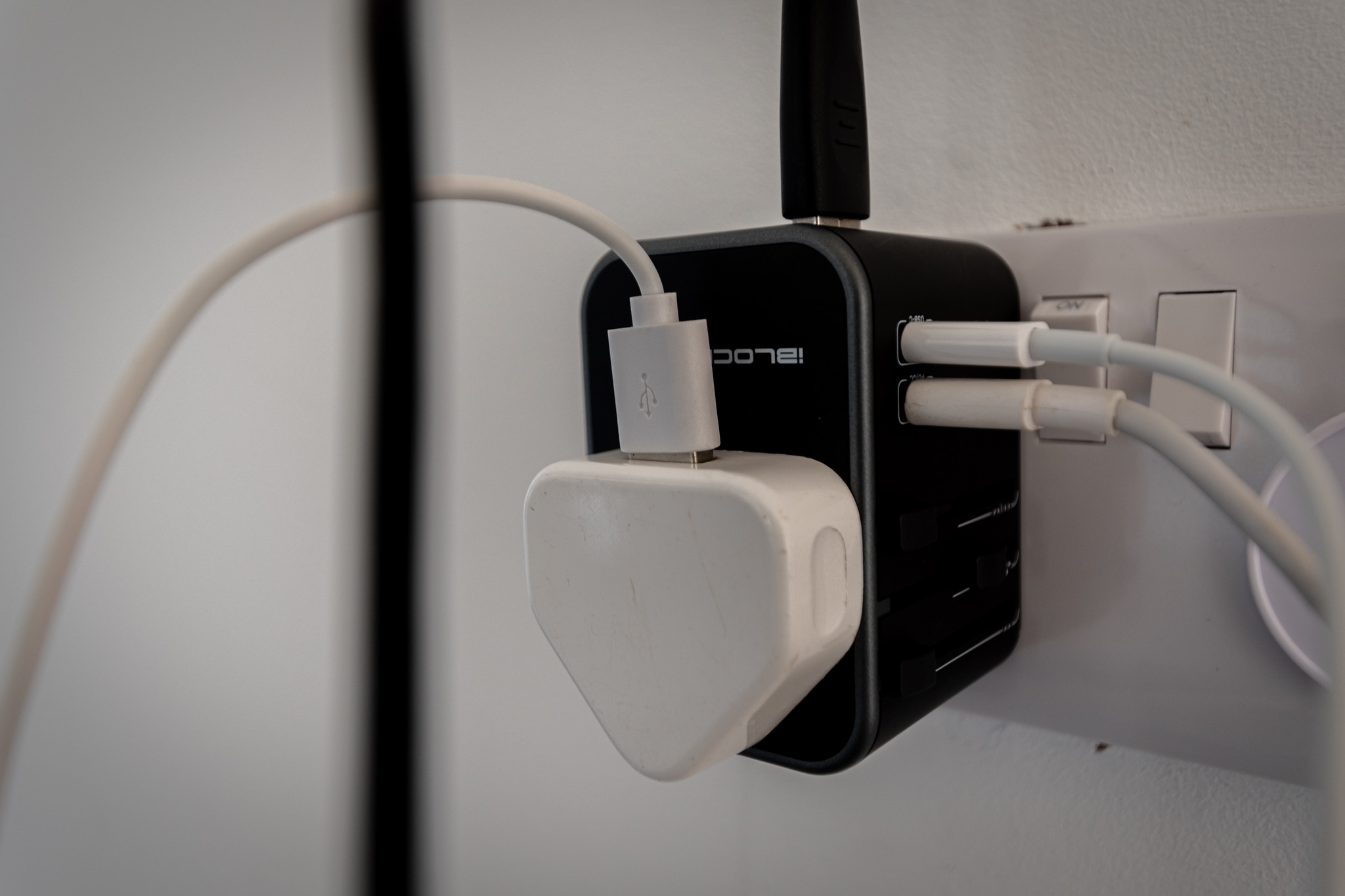
Because I haven't tried all the products out there, I cannot claim the iBlockCube to be the best, but I can recommend it.
It's extremely sturdy, idiot-proof, and comes with an inbuilt dual fuse. This stops any power surge or fusing issues from blowing up your expensive laptops, cameras and phones.
It also comes with two USBC and three USB ports, a plug socket, as well as an international plug that connects to the mains in over 150 countries.
GoPro and Accessories
Over the years, GoPro have created some of the most impressive travel videos I've ever seen. The clarity, sharpness, and stability of the videos wowed me.
So, despite not having a clue about how to put video footage together or understanding the technical side of things, I thought I'd buy one and give it a test run.
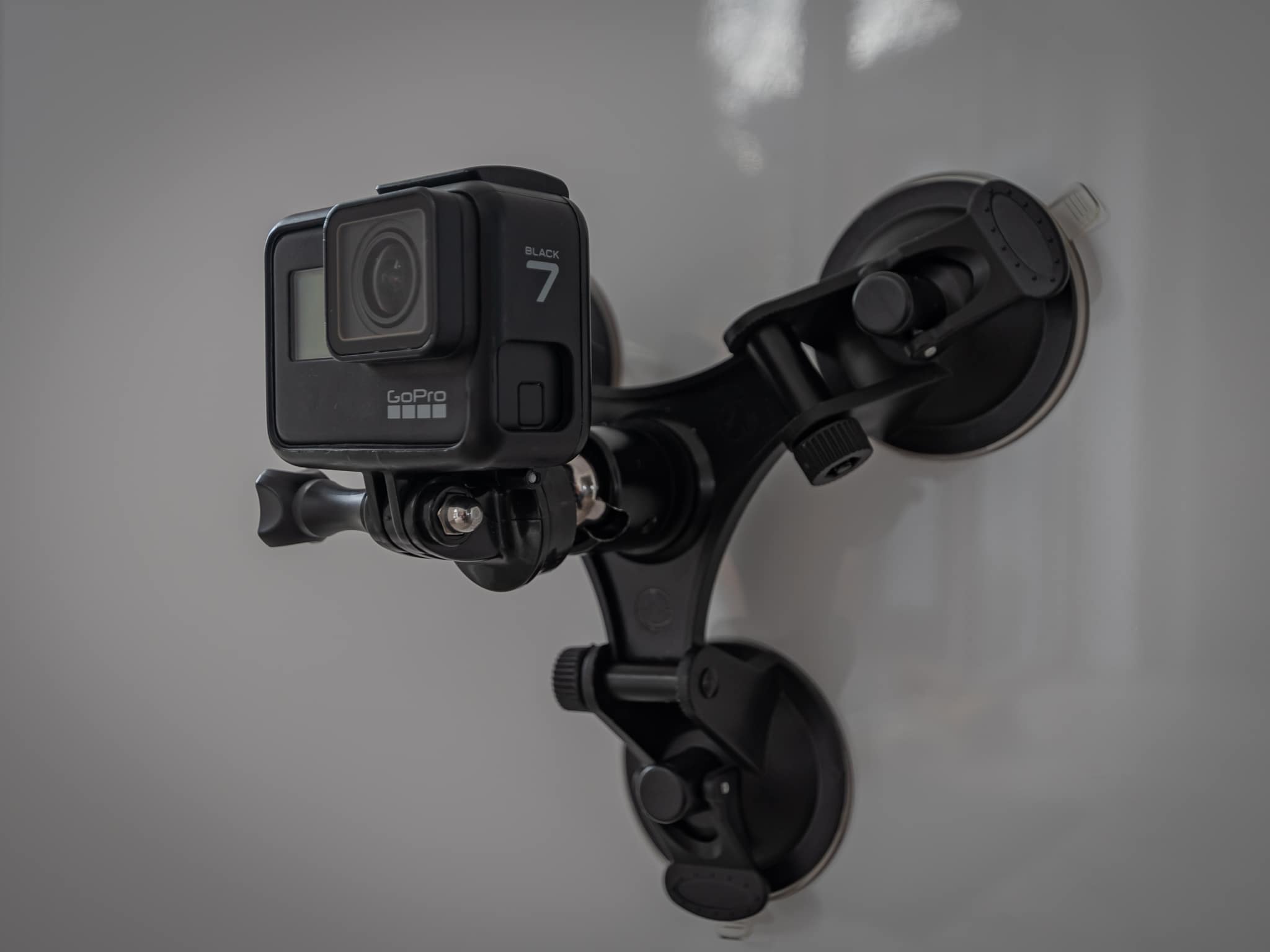
A few years ago, I bought a GoPro Hero 7 Black (yes, we are up to the Hero 13 Black) with a few of its accessories, the triple suction-cup-mount tripod, the chest and head harness and a few other bits.
I've been blown away by how easy it is to operate, even for me.
Furthermore, I'm amazed at the quality of the footage I'm getting, especially as I'm no expert in videography. In regards to both the head and chest strap, I have found them to be secure, safe and easy to attach the camera to.
Yet, my favourite accessory is the suction tripod, we used it for our North Coast 500 tour, capturing beautiful footage whilst sticking the GoPro to the windscreen of my van. It appears that GoPro is just one of those things that do what they're supposed to do.
I would never go back, and when the time comes that it dies on me, I will be looking to get the newest and greatest GroPro, funds allowing.
Portable Chargers
Whether you're on a weekend city break or jumping on a camel to cross the Sahara Desert, a portable charger, or power bank, as they're known, is something you will want to pack in your day bag.
Why a day bag?
Well, if your phone or camera runs out of juice, you don't want the charger back in your hostel room. Many times now, I've found myself reaching for my phone to take that shot, and bang, it dies on me. Not any more.
If I'm low on power, I simply plug it in whilst on the go.
These portable chargers come in all shapes and forms nowadays, so it's a case of what style you prefer. Similarly, like the travel adapters, you need to choose the one that fits your devices best.
If, for example, you have loads of USBC devices, you shouldn't buy one that has a USB connector and vice versa.
Charlie loves his Anker charger because it's durable and has speedy charging.
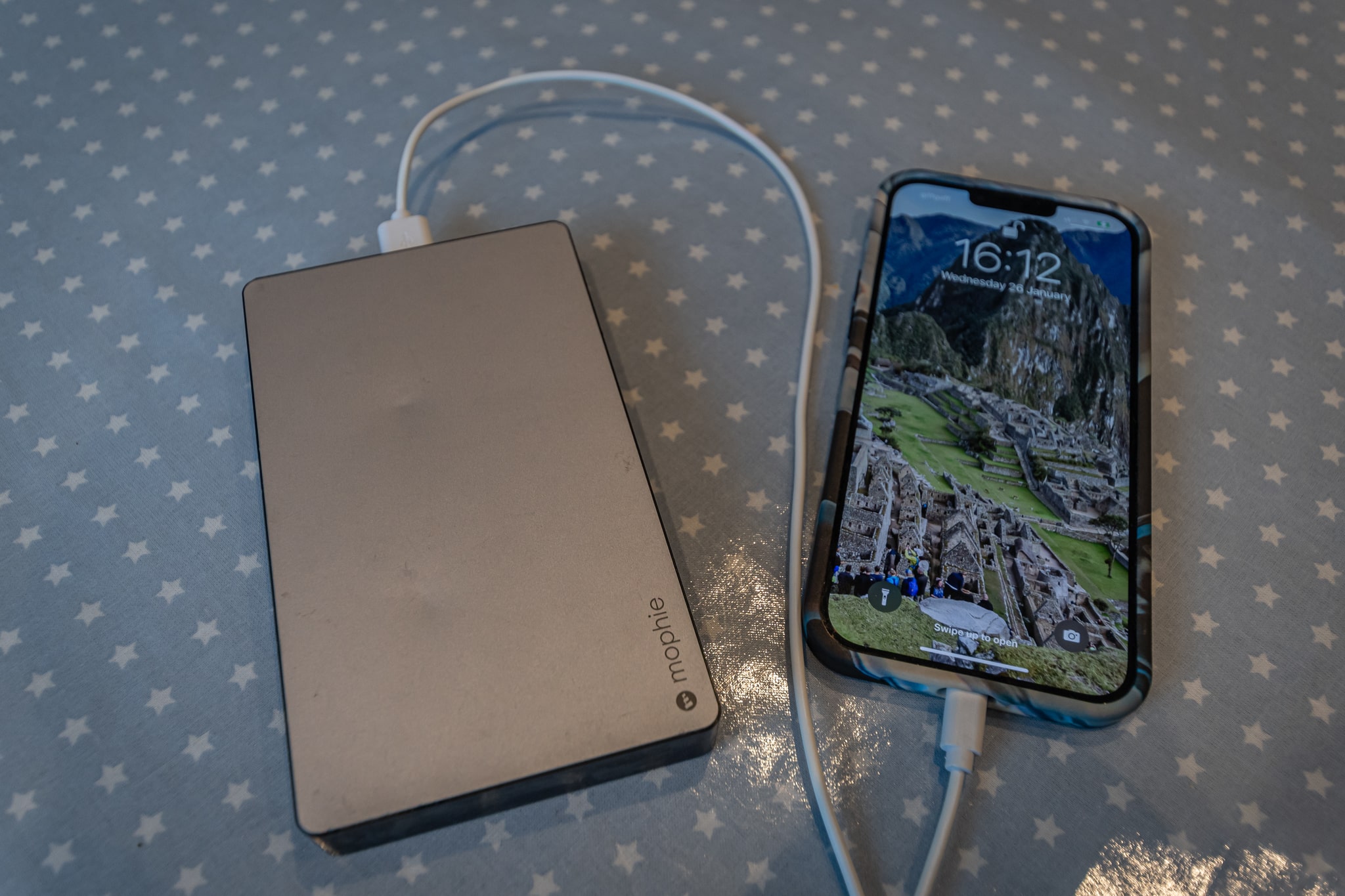
I have a Mophie, and I can attest to its durability, having dropped it many times.
I can also vouch for its immense power supply, as I rarely need to charge it, and that's after it's supplied my phone for a week.
Safety
Travelling is about lots of laughter, fun and new experiences.
Similarly, it's about creating stories and memories, not about safety briefings and worries. So I will try and keep this short.
Yet, for those of you who are excitedly booking your first travels, know this - you are not invincible.
When you're travelling, you do take risks as it doesn't feel like real life. Therefore, you don't think anything nasty can happen.
Sadly, it can.
I look back on some of the things I did on my travels, and I think to myself, well, that was fucking stupid, I'd never do that here at home. Luckily, I got away with it. However, some don't.
Don't let a silly mistake ruin or end your life. It's not worth it - the Gram can wait.
Relish every second, create extraordinary memories, tell unbelievable stories, but don't take chances with your safety.
With that said, here are a few items you will need on your travels to keep you and others safe.
First Aid Kit
Firstly, let's get the most obvious one out of the way and done with.
Any trustworthy traveller or experienced backpacker will tell you to get a first aid kit. You never know when it might save a life, maybe even yours.
I'm not saying you need a surgical ward, you're not Florence Nighengale or that you need to fill half your backpack with it. However, having the basics, or the equipment you know how to use, can make the difference between life and death.
The Basics:
- Disposable gloves
- Bandages
- Plasters (varying sizes)
- Sterile dressing
- Alcohol-free wipes
- Scissors
- Tape
- Antiseptic cream
- CPR face mask - Trust me, this is very useful, I've been there.
- Safety pins
- Insect repellant
- Eye pads - not iPads
- A fully charged mobile phone with GPS.
For the more extreme trips, such as jungle trekking, mountaineering and exploring the Australian Outback, you should consider something a little more specialised.
More Specialised:
- Burn dressing
- Foil blanket
- Guedel airway set
- nasopharyngeal airway kit
- Splints of differing sizes
- S.T.A.T Tourniquet
What I'm trying to say is tailor your kit to your travels. Just make sure you have something, and once used, replace it.
My final recommendations on first aid kits are:
- Make sure your pills, tablets and equipment are legal in your destination country.
- If you have carry-on luggage only, you may have to leave some items behind. Check your kit before you go.
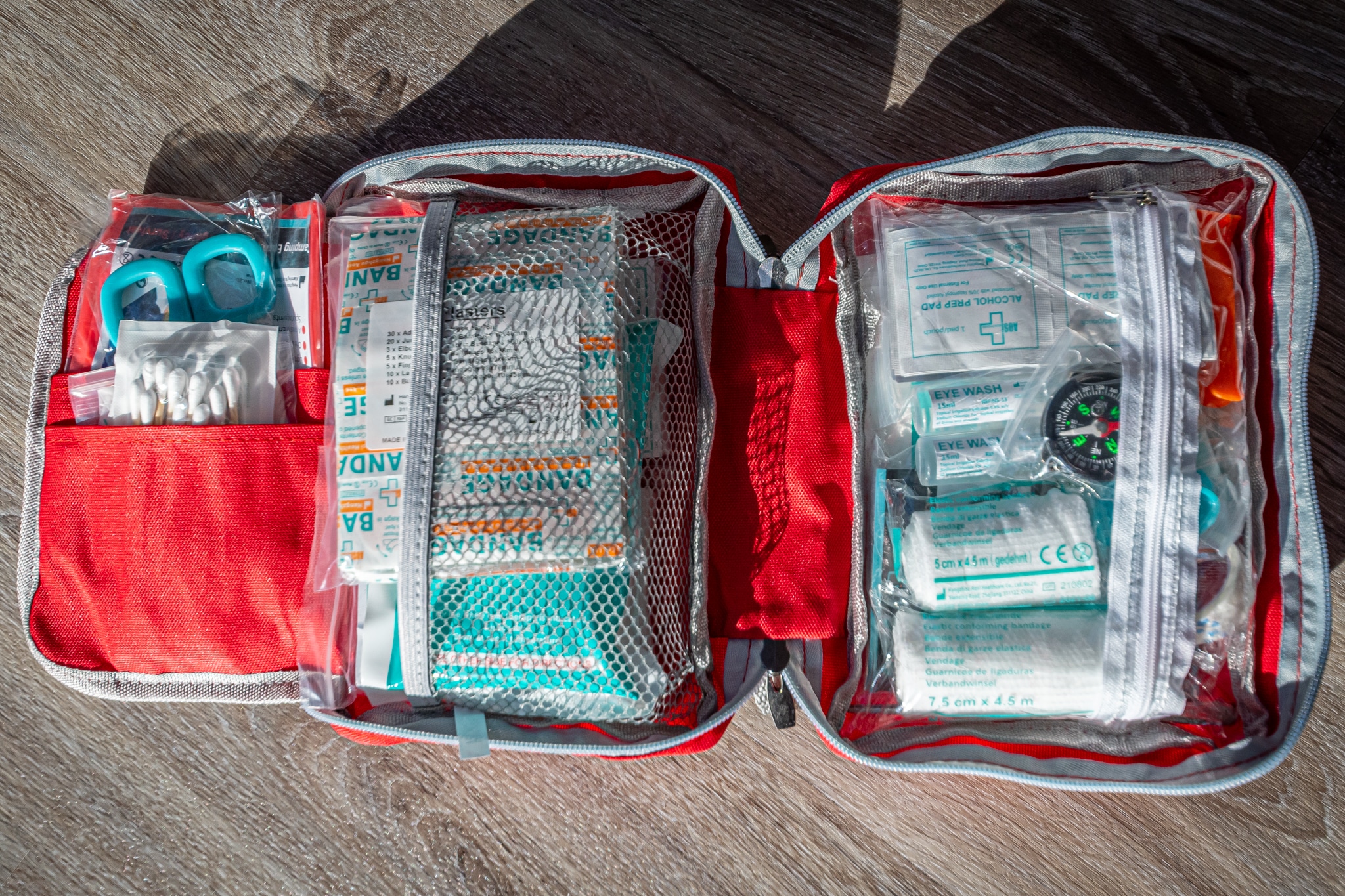
I have this first aid kit, and I think it's fantastic.
Sunglasses
In reality, sunglasses are the only cool shit we pack safety-wise. Everything else, whilst sensible, is just a bit meh!
As my mum used to say, "Your eyes are precious. You only get one set," and, do you know what, she's right!
Sunglasses are not just a fashion accessory - they're the best defence for your eyes against the sun.
Being a travel expert and not an eye doctor, I have had to do a little bit of research on this matter. But, it appears that doctors suggest your sunglasses should give a minimum level of protection of UV 400. Likewise, they should also give 100% protection from UVB and UVA rays.
You too, right?
So, as long as your sunglasses meet that criteria, it's all good. Therefore, I'm not going to suggest a brand or style here, as we all have very different tastes.
You do you.
Torch
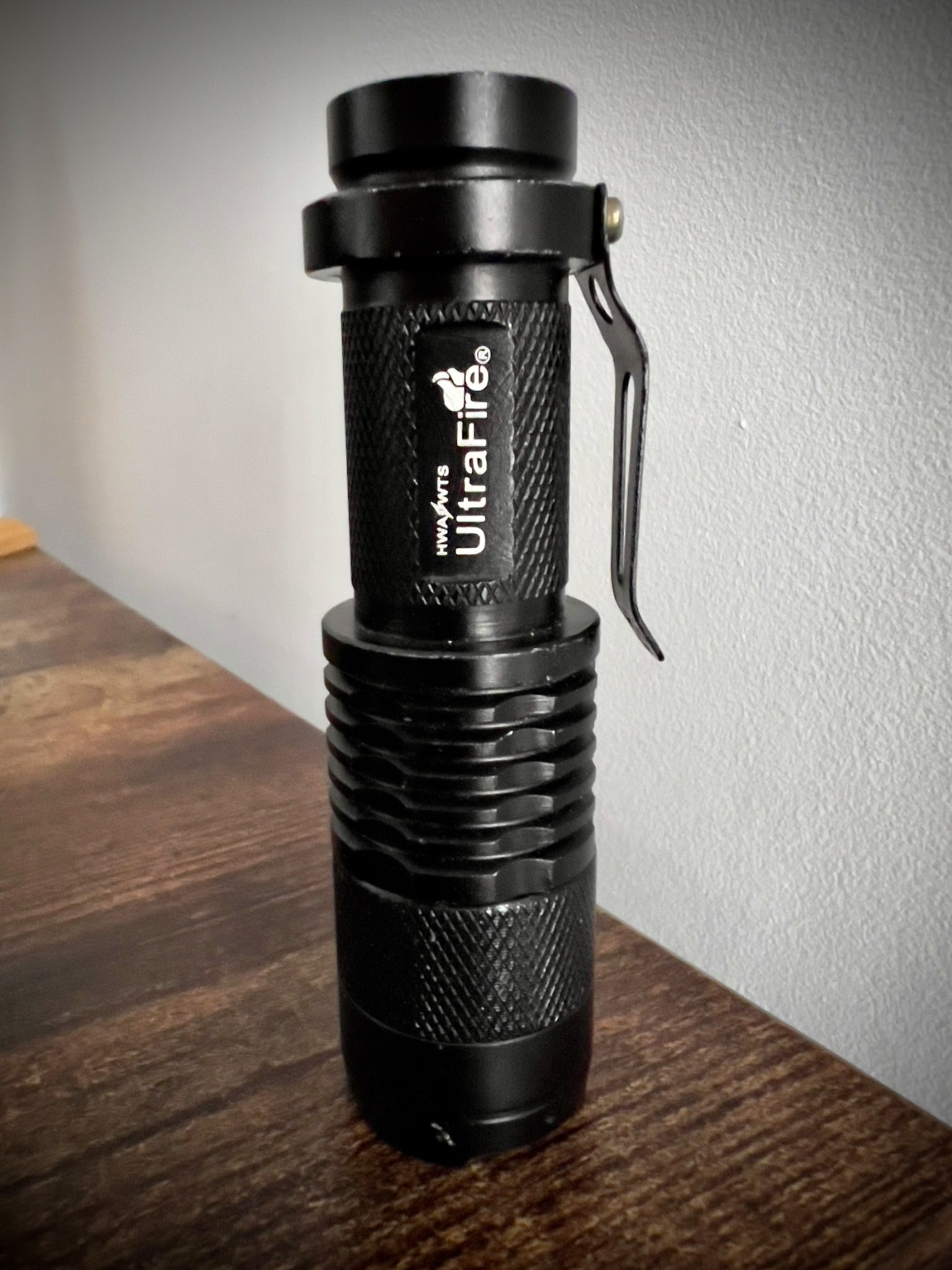
Frankly, depending on where you're planning on travelling, you know if you need a torch or not. I always throw one in the front pocket of my bag. That way, I know where it is, and it's easily accessible.
After all, if you're looking for a torch, it's probably dark, and you don't want to be rooting around in your bag for one.
I'd advise always carrying one, but if you're only heading to cities and you need the space, I'd understand if you dropped this from your what to pack checklist.
Yet, if you're heading out into the wild, the desert, the jungle or mountains, they become a necessity. Also, make sure you have spare batteries, as you don't want to run out of light at the very moment you need it most.
I love my Cree UltraFire. It's cheap, compact, lightweight and unbelievably bright. It even comes with a clip so you can fasten it to your belt. There are a couple of settings and the adjustable focus zoom.
What more do you need?
Sun Screen
Ok, it's boring advice, and I know a lot of you will skip this one. Yet, I'm going to say it anyway.
If you are going anywhere where the sun shines, basically, outside the UK, take suncream, sunscreen or whatever you call it. It could save your life.
I always go for a spray rather than cream, and a factor 30 or more, ideally, waterproof or water-resistant.
That extra protection could be the difference between skin cancer and years of operations, skin grafts and possible death.
You will tan on your travels, so be sensible, tan slowly, don't cook yourself, it fucking hurts, or so I'm told.

Lock and Key
This one is too easy.
Imagine coming back to your dorm and finding all your stuff was gone. Despite the traveller's code of never stealing anything from other backpackers, it does occassionally happen.
Fortunately, most hostels do provide you with a lockable locker of some sort. However, I always carry a lock with me just in case. That way, I can leave for the day safe in the knowledge that all my paperwork, clothes and valuables are safe.
All that's left for you to do is decide - do you want a key or a combination lock?
There are pros and cons to both. Codes can be guessed, yet keys can be lost. Either way, it's best to have them than not.
In my opinion, a lock is a lock and can be bought in loads of stores. However, if you cannot be arsed to move, here's an Amazon link. They will drop them at your door.

Money Belt
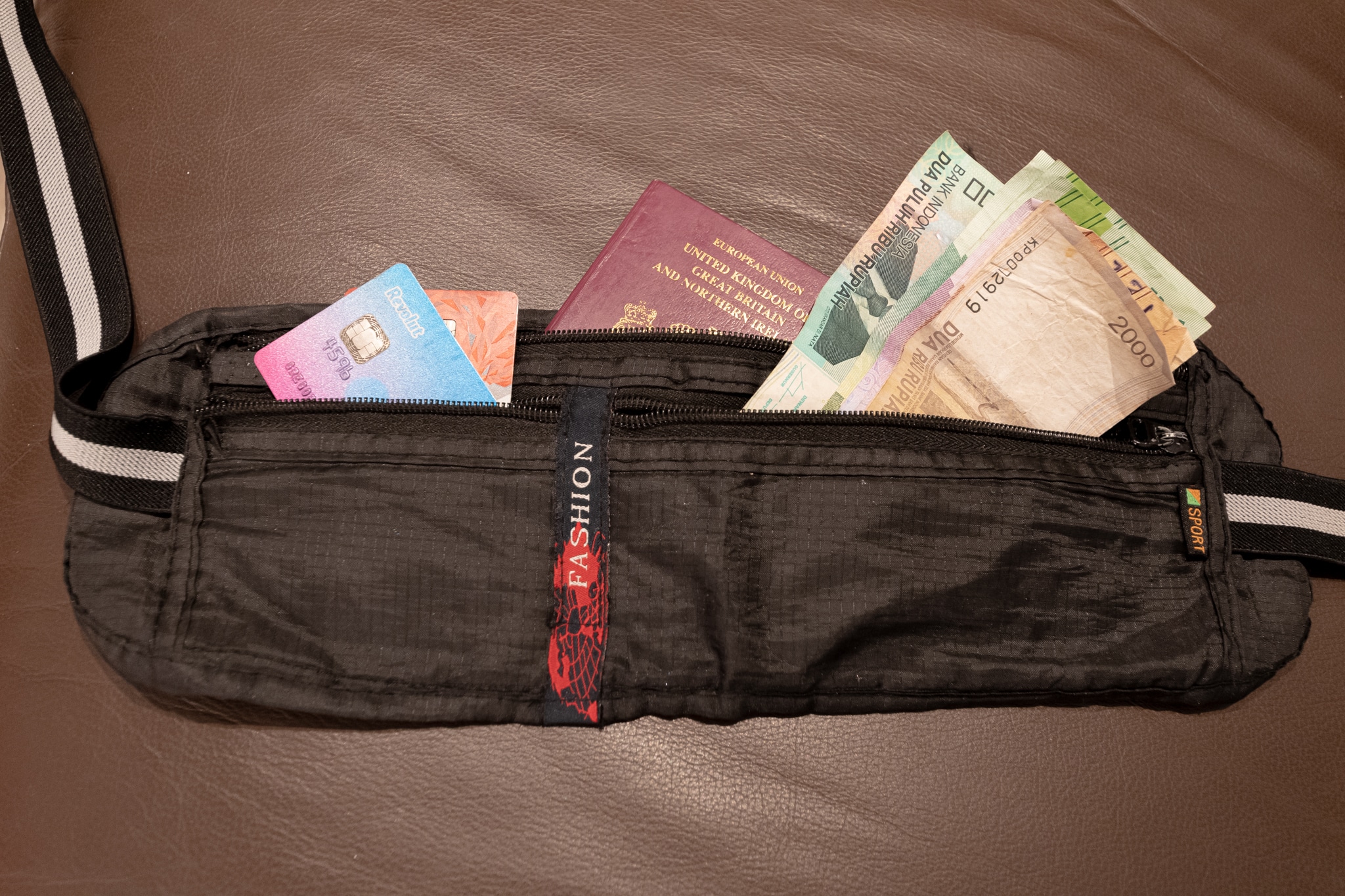
I'm not a fan, but I have one. Do I use it? Nope, not as much as I should, because they look so shit.
They're also a little uncomfortable at times and just so boring.
However, now I've had my say, they do have a place in a what to pack guide, especially for first-time travellers or those with a nervous disposition.
Similarly, if you're going to the likes of Thailand or even certain European cities such as Barcelona, they can be the safest way of carrying your valuables.
Just because something isn't aesthetically pleasing doesn't mean it's not right.
Plus, nowadays, you can literally buy a belt to store your cash.
It looks much better than the 'old' money belts, which were large flat pockets that you wore under your shirt. The only issue with these new belts is how much you can fit in them and their flexibility.
If you are nervous about travelling, or just like having your valuables with you, I'd buy one for peace of mind.
They are ideal for passports, tickets, cash, cards, rings, etc, but not so great for more bulky, non-flexible items.
Toiletries
These days, if you're only flying with a cabin bag, toiletries tend to be a bit of a pain. Whereas, if you're travelling with them in your hold luggage, it's not a problem.
Luckily, if you're travelling with a carry-on only, supermarkets, cosmetic shops, and other stores do stock travel-sized toiletries, such as shower gels, shampoos, sprays, etc.
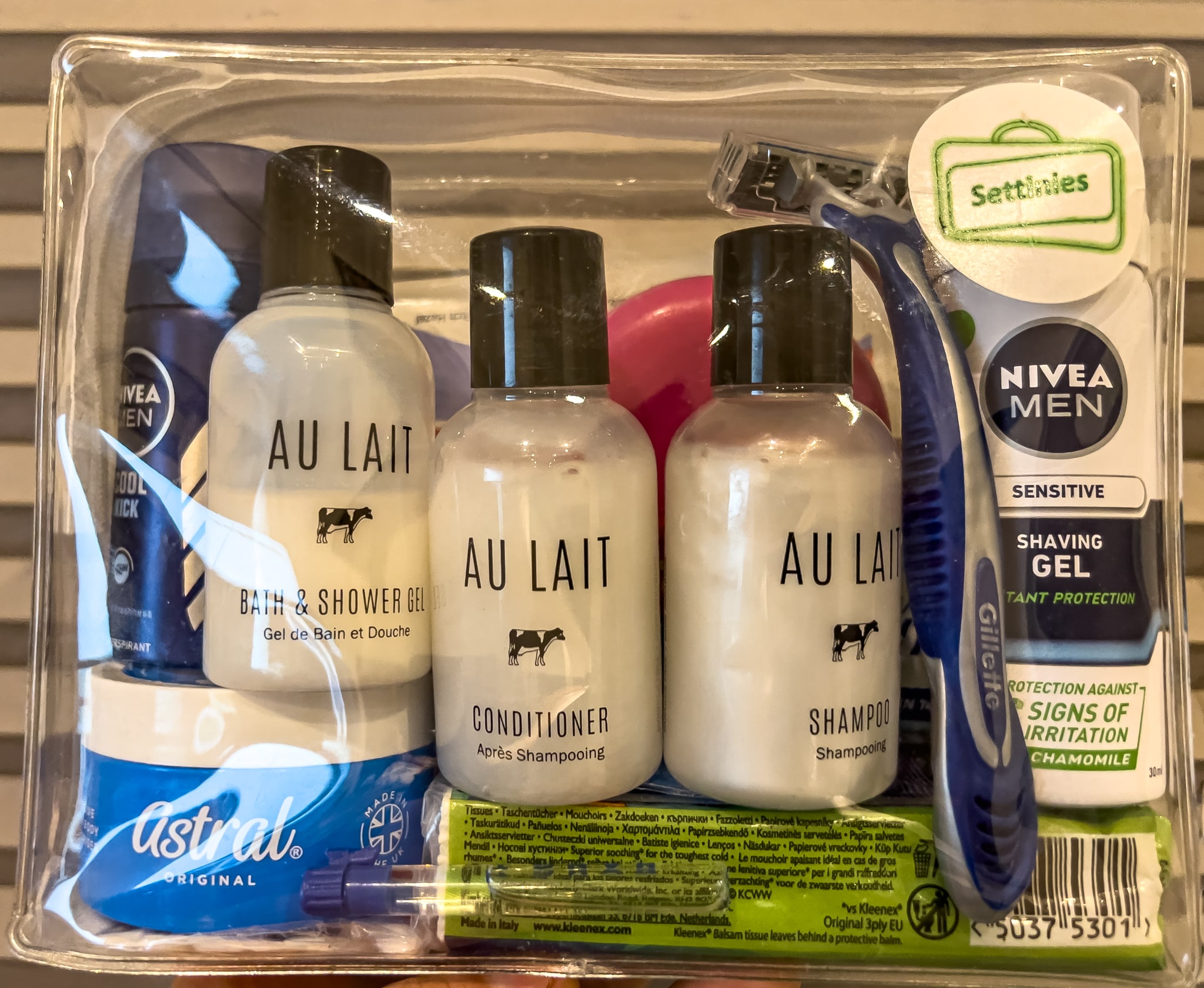
I've also found a brilliant company called Settinies, who supply travel-sized toiletries ethically. I have put a little write-up and picture below for you.
If you are planning to be away for longer than a month, it's best to pack your day-to-day toiletries.
Likewise, if you're packing your usual tablets, pills, medication, etc, check they're legal in the countries you're travelling to. It may well be an innocent mistake, but it's best to avoid any airport glove action where possible.
Often, it's difficult to know if you can get the same brands abroad, because everywhere is different. Hence, if you're unsure and like certain brands or products, take them with you rather than relying on your destination country to have them.
Settinies
As mentioned, I've had the pleasure of reviewing a toiletries pack created by Settinies, and I loved it.
Settinies have thought of everything.
Each pack is sized for airport security and airlines alike. Not only are they perfectly sized, but a number of the bottles and pouches are reusable. The casing also stops any potential leaks within your bag.
These compact cases are perfect for short breaks and getaways, and I highly recommend them. You can choose between different sets to suit your needs.
Bags
When it comes to travel bags, you need to ask yourself: Should I take a backpack or a suitcase?
I would generally recommend a backpack over a suitcase, even one with wheels. There are a couple of reasons for this:
- It frees up your hands
- In some parts of the world, the roads are more potholed dirt tracks, and wheeling a suitcase just isn't practical.
Now I've cleared that up. It is so important to buy the right backpack for your adventure. Especially if you plan to be on the road for a year or more, after all, your backpack is your home.
You'll need one that
- Suits your size, shape and strength
- Length of travel
- Destination
. Remember, just because a backpack is recommended by an expert or a well-travelled friend doesn't mean it is the right bag for you.
When it comes to backpacks, there's no substitute for trying before you buy. Just because you've tried it on in a shop, doesn't stop you from getting the make, model and size, and potentially, buying it cheaper online.
If going to the shop and trying it on isn't something you can do, I recommend that you purchase a bag as early as possible online. This will give you time to send it back should it not feel comfortable or hold what you need.
Unfortunately, it pays to buy a decent backpack. In my eyes, two names that ooze quality and they're Osprey and Berghaus.
Osprey
Osprey is a leading and shining light in the travel backpack industry. They're slick, comfy, bloody good-looking, practical and made with quality in mind.
Every aspect of their bags is engineered specifically for comfort and performance, and boy, does this show.
If you cannot tell, I love Osprey, and from a survey I've carried out, it appears you guys do too.
There are many to choose from, and it simply comes down to your preference and what feels right.
I have a couple of bags I can call upon, and it depends on the trip, but for a year or more, I would suggest a 65-litre bag is more than sufficient.
However, if you're travelling for a month or less, I'd suggest something around the 30-35 litre capacity.
Just because you have a 65-litre bag doesn't mean more clothes. It just gives you more space for other items, gifts and purchases.
Whilst I don't have it yet, my next purchase will be this sexy Osprey Europe Men's Rook 50. Ooh la la.

Berghaus
Berghaus, like Osprey, are a market leader for travel bags, and I cannot fault them in any way, shape or form. They are truly incredible, slick and beautifully made. I have one, and I love it.
Size-wise, the same advice applies. Go with Berghaus: 65 litres for long-term travels and 30-35 litres for a month or so.
Again, as I've mentioned, it's really about trying them on first and choosing the right one for you.
I had my previous 65-litre Berghaus for about 10 years, and would still be using it now if we weren't burgled. Other than the fading colour and a few scratches, it's as good as new.
This shows how much I loved it. I went out and replaced it with a similar gorgeous Berghaus Trailhead 65, and god, it's good.

Day Bags
Again, I wouldn't move away from Osprey and Berghaus. They're both head and shoulders above the other bags in looks, style and comfort levels.
That said, a day pack doesn't have to be anything other than comfy and, of course, be able to hold your daily essentials such as water, wallet, keys, camera, first aid, portable charger and a snack or two.
None of which are big or bulky. So keep the bags lightweight. I'd recommend something around the 15-litre mark.
Make sure whatever you choose doesn't restrict your movement or cause reddening around the shoulders, and importantly, is breathable. No one wants a sweaty back.
Similarly, it would be advantageous to have secure zips at the front for when you're walking around crowded markets. Nowadays, some companies are even making bags with whistles on the buckles. That's right, you get a beep in your ear if someone unfastens your bag. That's a great security feature.
As always, try before you buy.
Shoes
Shoes are always one of those decisions which take a bit of thinking. It's not as simple as throwing them all in a bag and seeing what you wear when you're travelling.
You could pack a pair of smart shoes, day-to-day shoes, flip flops, trainers and a reliable pair of walking boots. But there simply isn't room. So, how do you know which ones to pack?
Simple, by buying the right shoes in the first place.
Why buy three pairs when you can buy one? A decent, strong pair of stylish, sturdy shoes that cover you for day-to-day use, hiking and in most circumstances, smart events and locations. Then, all you need is a decent pair of flip-flops.
However, when it comes to walking boots and flip-flops, the key is to spend a little extra, as you'll find it makes a big difference. If you buy a cheap pair, chances are, they'll break, and you'll have to buy another pair. And trust me, there is nothing more annoying than a pair of flip-flops that just flip and no longer flop.
Karrimor Walking Shoes
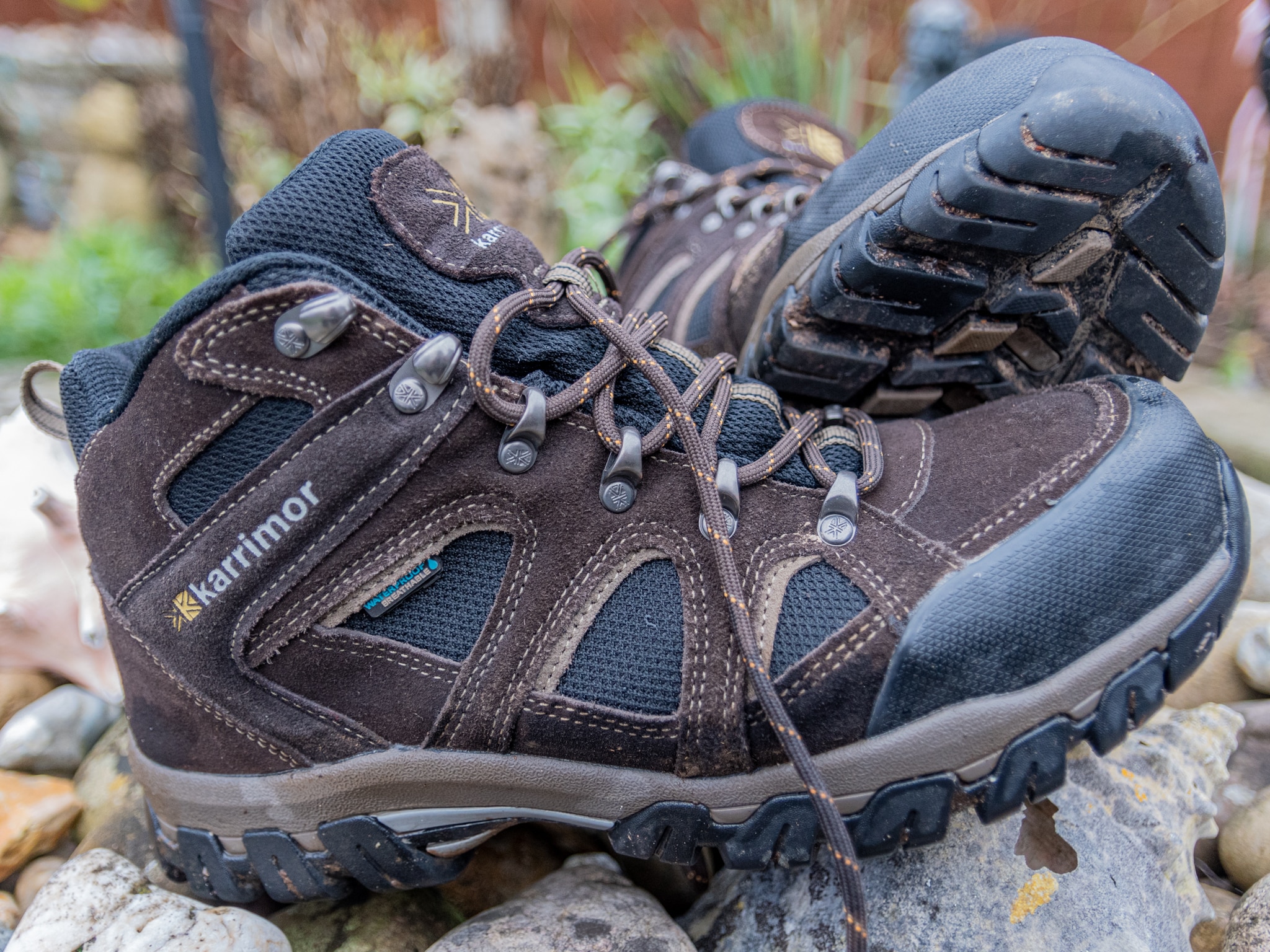
I wear these Karrimor walking shoes, and I wouldn't change them.
Firstly, they're incredibly comfy, protect my ankles and are easy to clean.
Secondly, I think they look genuinely stylish and may I add fashionable. I'm not ashamed to say I've even worn them to remarkably posh restaurants.
Having worn them on many occasions and often in rugged, wet and boggy terrain, I am more than happy to support their claim on being waterproof, durable and extremely grippy. They feel secure, well-fitted and able to take on any hike I put them through.
If they can survive a winter in the UK, they can survive anywhere, and I believe in them.
Clothes
If you ask a hundred people What's the best travel clothes to pack? You'd get a hundred different answers.
However, there are other questions you can ask yourself that will assist you in deciding what to pack.
Firstly, what's the climate where I'm going?.
Each region you visit will demand a different outfit. For example, are you going somewhere hot, cold, wet, or dry? The possibilities are infinite. Even more so when you're backpacking in numerous countries and at different times of the year.
Secondly, how many clothes should you pack?
Weirdly, the answer is that the number of items you pack for a week shouldn't differ too much from when packing for a year. Day seven is wash day, and no matter where you're travelling, you will find a laundry service of some sort.
I'm also willing to bet that if you're backpacking Asia, you'll be buying vests, shorts and Bali pants anyway.
However, some items of clothing are a must.
But why?
Simply because packing the right clothing can save space in your bag, and crucially, can keep you warm, dry, and therefore, safe. With this in mind, I'm starting with what I'd say was the most important item of clothing.
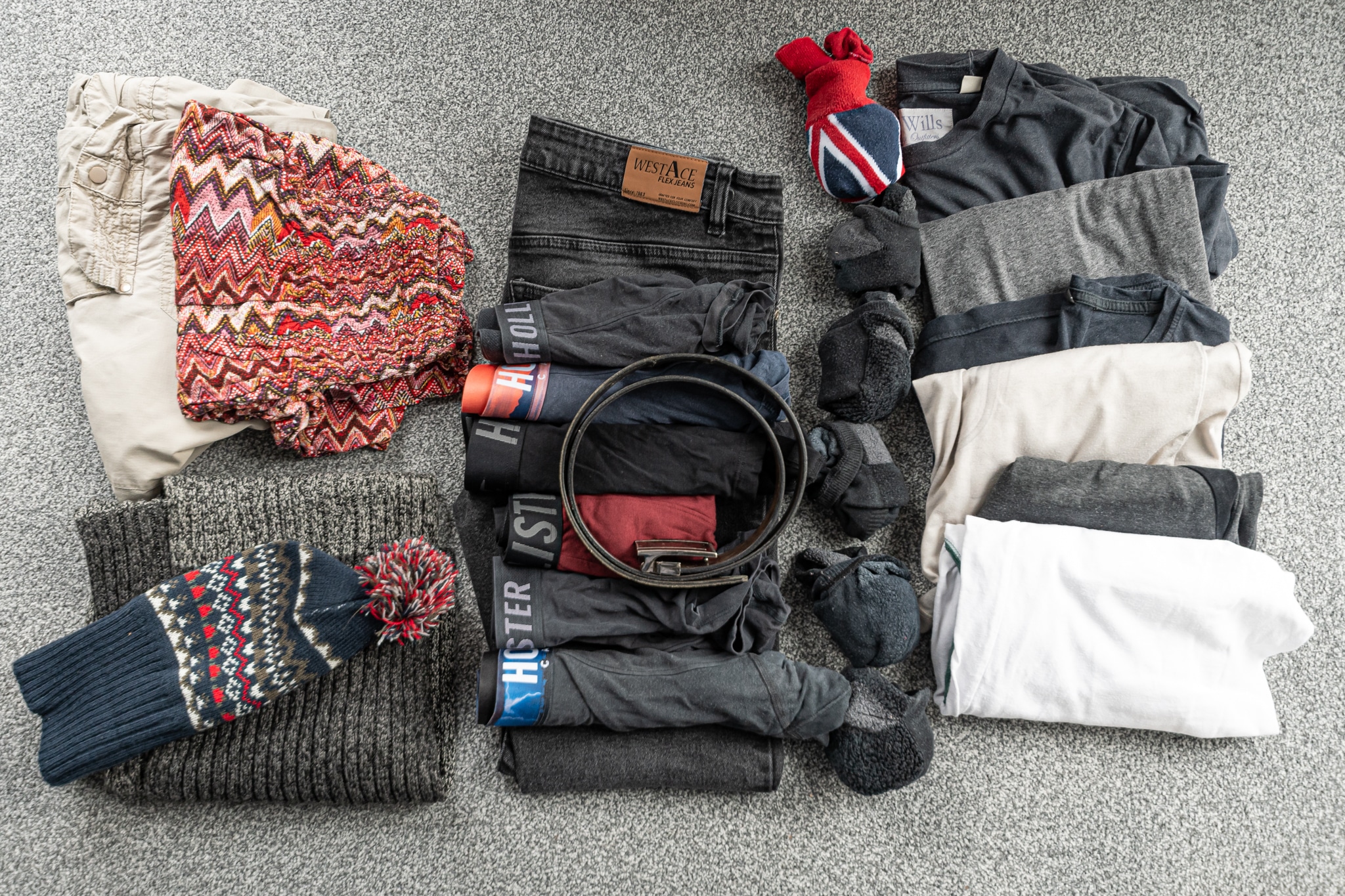
Coats and Jackets
Having the appropriate coat for the occasion has been an absolute godsend for me. I've experienced monsoons, damp and dark jungles, deserts, and been caught up in a natural disaster or two.
It is for these reasons that I recommend a decent coat.
If you're going somewhere hot, warm and sticky, such as the Amazon Jungle, take a lightweight waterproof with you.
However, if you're going to Sweden in the winter, think more along the lines of warmth.
Obviously, if one coat does all, brilliant, grab it. Sadly, I'm yet to discover one that works perfectly in all circumstances, as they claim.
As with footwear, coats are where you should spend the extra cash. Cheap coats and jackets just aren't worth wasting money on.
My top suggestions for coats are:
Waterproofs
If you're travelling to a country with a wet, damp, breezy, but generally mild, muggy climate, consider a lightweight waterproof jacket. What you don't want is a big, thick coat that will just make you sweat more and not keep out the rain and cold.
You need something that has a hood, is waterproof and keeps the breeze off you. My suggestion is a Regatta; they're perfect for these conditions, and I think they look pretty darn good.
Again, if you are tracking through the jungle or areas of long, damp grass in the rain, I'd highly advise waterproof trousers. You can pick up a decent pair for under £15.
If you wanted to get something a bit more top-of-the-range, you should look at a pair of Craghoppers. Not only will they keep you dry, but they will also protect you from the wind, tics and other irritating insects.

Warm Coats
Warm coats are just as important as their waterproof counterparts on a what to pack checklist.
Only, they work better in drier, colder and windy environments. It may be obvious advice, but there you go. Sack me.
Whilst not so obvious advice, take a warm coat with you to the desert.
No, I am not mad.
The desert, as hot and as dry as it is during the day, gets unbelievably cold when the sun goes down. I mean, teeth chattering and shivering, even with a roaring fire on the go.
Trust me, I hate the cold. The only time I like the cold is when it's that bright blue sky above and crunchy white snow underfoot. Hence, there's only one name I entrust my warmth to, and that's North Face.

Thermals
Thermals also have their place in a backpack, but again, only in those super cold countries or clear desert nights. I have some, and they do the trick, but I wouldn't suggest wasting money or bag space on them for most parts of the world.
Your What to Pack Checklist
- Valid passport
- Your mobile phone and phone charger
- Backpacking apps on your phone
- Travelcard/money
- Documents including visas and Covid forms (printed as well as electronic)
- Reusable water bottle
- Camera and accessories
- Portable hard drives
- Portable travel adapter
- GoPro and accessories
- Portable charger/ Power bank
- First aid kit
- sunglasses
- torch
- sunscreen
- Lock and key
- money belt
- Toiletries
- Decent Travel bag and a separate day bag
- Appropriate shoes
- Appropriate clothing
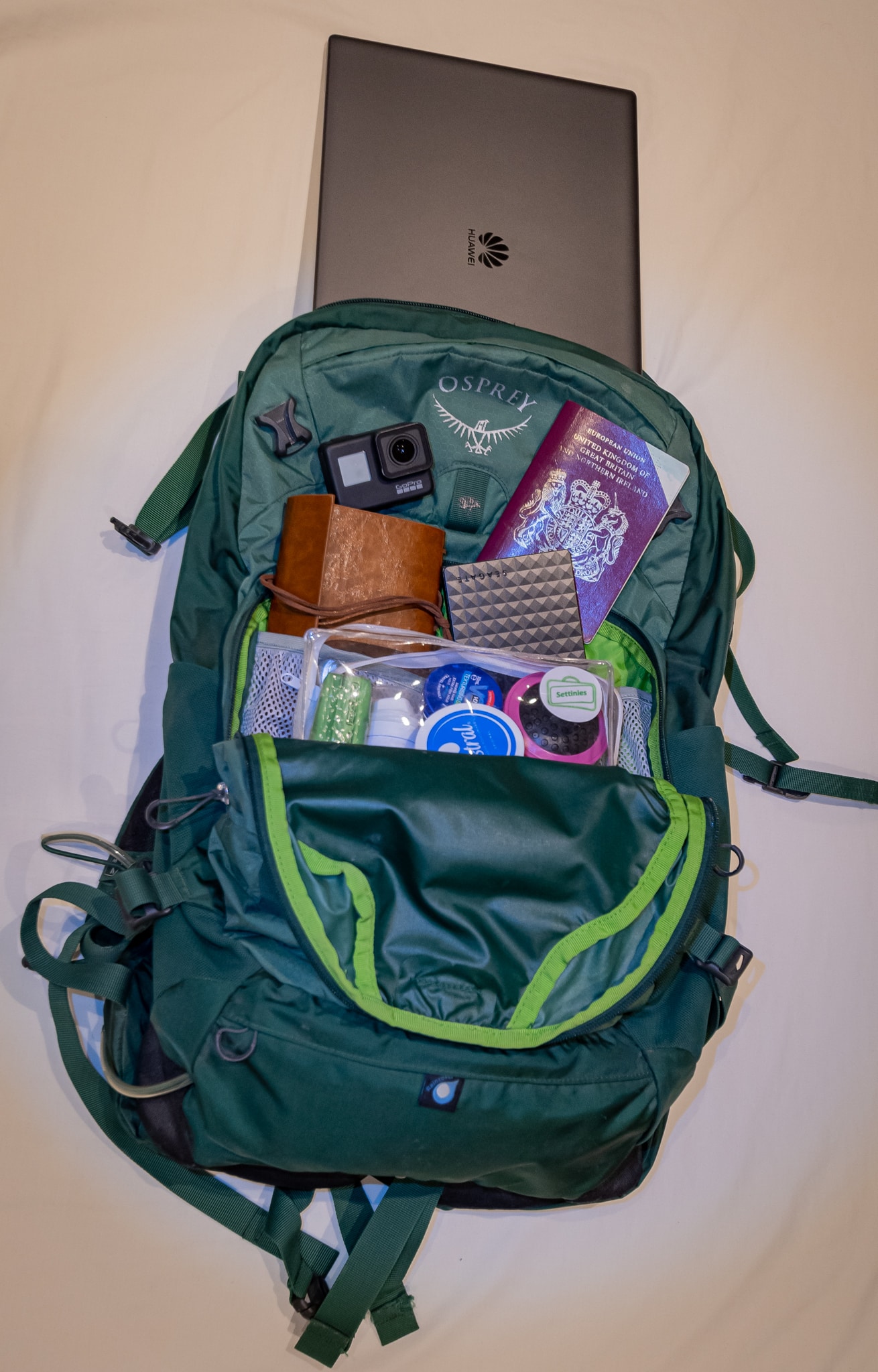
Thoughts on my What to Pack Blog?
Thanks for reading my What to pack blog.
I hope you've taken something away from it, even if it's only that deserts get cold at night.
If you have enjoyed my what to pack list, please let me know in the comments box below.
Also, if there's something you think I'm missing, give me a shout. I will take a look and give it a good shakedown on my next adventure. If I think it's good, I'll give it a shout-out.
As always, I am on Instagram, so if you have any questions, feel free to ask.
Catch ya around!
If you're discovering our what to pack blog, you may be interested in our other travel school blogs...

Revolut Travel Card: Join the Travel Revolution
If you don’t have a Revolut account, you’re throwing money away. Just don’t!