Spain
Last Updated: May 8, 2026
NEED THE ESSENTIALS FOR BACKPACKING SPAIN NOW?
WHERE TO VISIT | BEST STUFF TO DO | SUGGESTED ITINERARIES | SPAIN BLOGS

Heads up: We sometimes work with companies to provide affiliate links and reviews - here's what that means. If it's here, we use it. We don't plug shit for profit.
Backpacking Spain In 2026
Spain isn't somewhere you would necessarily regard as a backpacking destination. Yet, with its delicious foods, stunning coastlines, vibrant cities and over, sixty glorious islands, backpacking Spain is something you should start to consider.
Spain's mainland on the western fringes of Europe is home to the likes of Madrid, its capital, and the second city of Barcelona. However, step a little further from these cities, and you'll find miniature old towns where tradition rules and smells of fresh bread and paella soar high into the skies.
These quaint towns and villages are a far cry from the islands that play host to warm seas, volcanic lands and golden beaches that disappear into the sunset. Here life is still traditional but in a very different way.
To truly say you have experienced Spain, you must visit more than Magaluf or Izbia and delve deep into its heart.
I've been lucky enough to visit Spain, including its islands, on many occasions, and now I'm here to bring you the best of my experiences.
Spain has something for everyone, so in my eyes, don't treat Spain as a holiday destination, spend some time backpacking Spain and embrace it like a long lost family member.

Why Spain?
Spanish history, culture and language go back further than some continents, and it's this that makes backpacking Spain so special.
Even in today's world, Spain is known for its vivid clothing, such as the gilet and the mantilla, not to mention the pulsating dances of the Flamenco and the Paso Dobel.
Traditional festivals fill the streets with excitement, from the terrifying Pamplona Bull Run, the mock battles of the Cristianos y Moros and onto the fun and laughter of La Tomatina, all of which still reigns supreme in their respective cities.
There is so much to experience across the Spanish lands, and that's before we've even touched on the tasty Spanish dishes of paella, pinchos, tapas, and, of course, the little chocolate-covered churros.
The islands take on their own culture with miles of crisp sands, fresh seafood, water sports and biking. A slow pace of life makes for extra time to sit back and take in the picturesque landscapes, be it the mountains of Mallorca or the volcanic dirt tracks of Lanzarote.
And who doesn't love a more relaxed pace of life and a siesta or two?
Backpacking Spain is an assault on the senses, yet it's an assault you don't mind being the victim of. It will leave you tingling with life, and that, in my experience, is enough for anyone to want to visit Spain.

Quick Stats
Currency
Euro (€)
Religion
Christian: 59%
Population
47.47 million
Language
Official: Spanish
When to Go
High Season: June - Aug
Low Season: Nov - March
Price of Beer
£2.35 a Pint
Our Spainish Stories
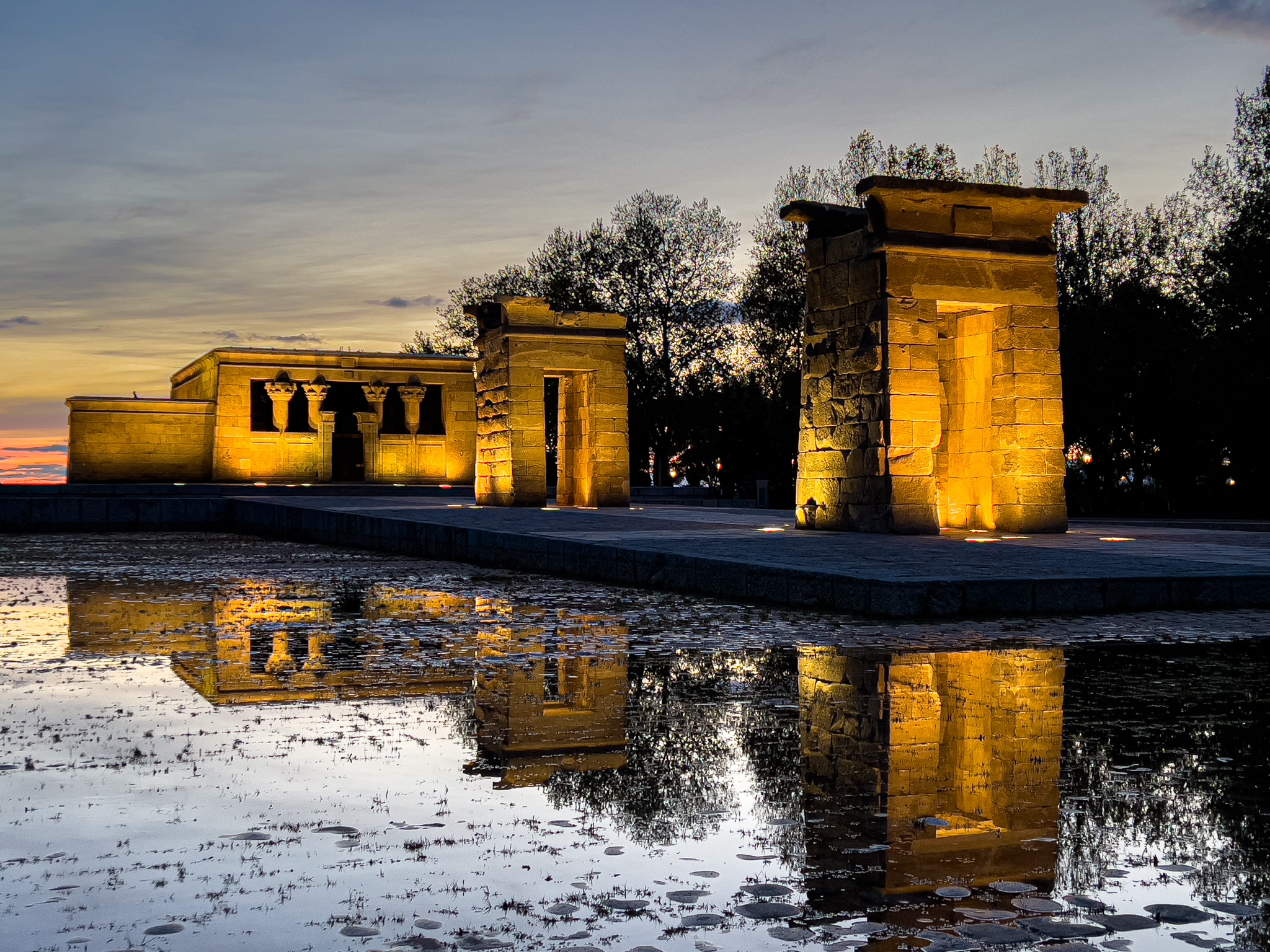
The Best of Visiting Madrid, Spain – A Travel Guide
If flamenco and fun are your jives, come and explore Madrid with us now.
Backpacking Barcelona On A Budget – Completed it Mate!
The magic of Barcelona, including churros, tapas and a beer or two.
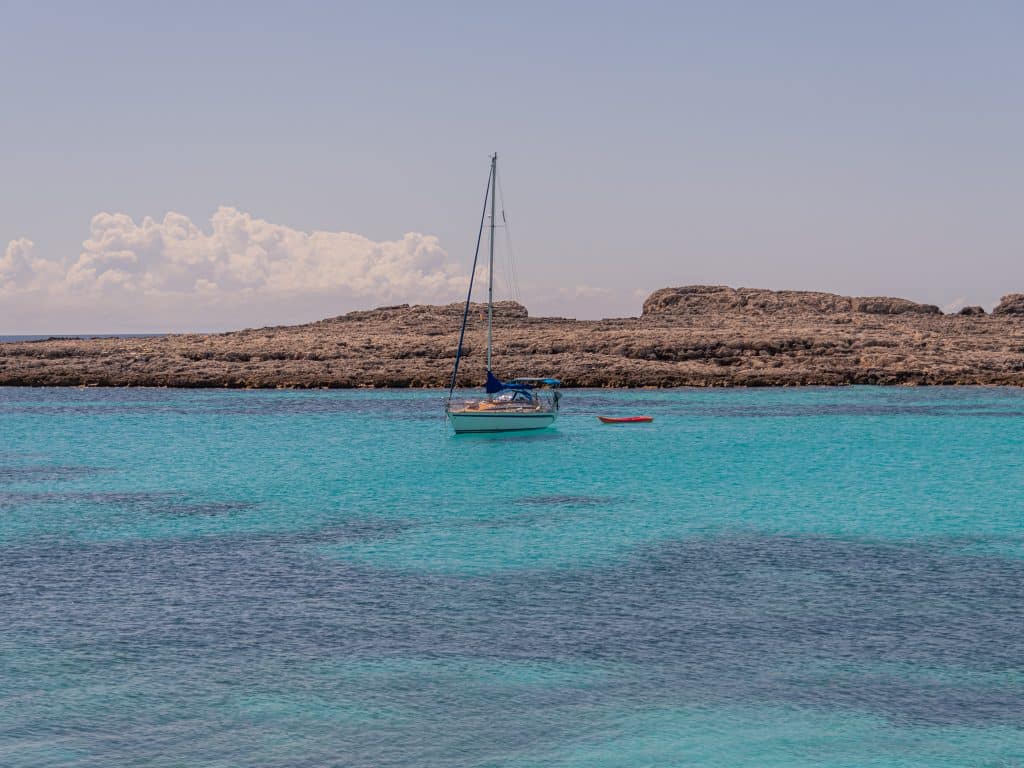

Fuerteventura, Canary Islands, Spain – A Travel Guide
It’s not ALL beaches and sun, there’s also booze!
Contents
Where To Visit
Madrid
Welcome to Madrid, Spain's capital and most populated city in the heart of this compelling country.
The city showers any traveller or visitor in glory as it lets you explore its wild nightlife, slow days and delicious dishes.
Be it running through the sprawling streets of this urban jungle or lapping up the local siestas of an afternoon, Madrid will keep you entertained 24/7. Encounter the local traditions of Flamenco, dine late into the evening on Paella or gaze in awe at the architecture as you walk the city's streets.
The old and the new fuse together to create a spectacular showcase of what it is to be Spanish and somewhere you cannot miss whilst in the country.
Atmosphere, passion and belief run through the city, and it's infectious. You'll find it almost impossible to leave and never return. Just try it, I dare you.
For our complete guide to backpacking Madrid, click here.
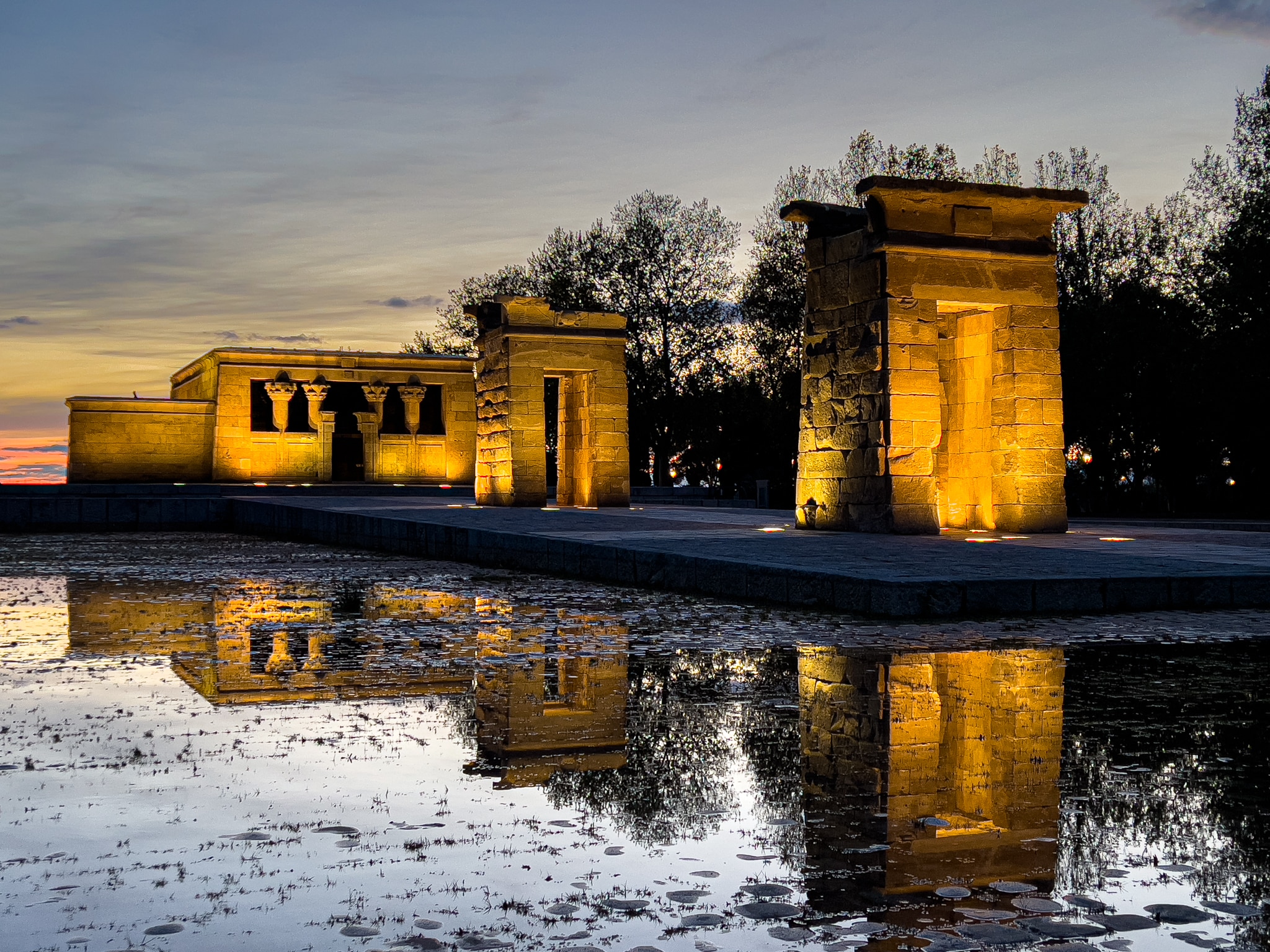
Barcelona
Barcelona is home to history, culture and beauty. But, with its turbulent past, don't expect it to all be pretty.
Visit Barcelona and learn about the uprisings, the rebellions and visit the memorials, the battlegrounds and the buildings that made Barcelona what it is today.
The old Gothic Quarter is the beating heart of the city. It stretches from the eastern fringes of Mount Montjuïc, along the golden shores of the Mediterranean, until it reaches Parc de la Ciutadella. Here you will find boutique little shops, cafes and bars that all spill out into the historic cobbled streets.
The smells and tastes of Barcelona run free through the narrow streets encapturing everyone they flow through. None more so than in the exquisite Mercado de La Boqueria.
Barcelona has everything you would ever want and more, and no backpacking Spain experience would be the same without a visit to Catalonia's vibrant and busy capital.
For our complete guide to backpacking Barcelona, click here.
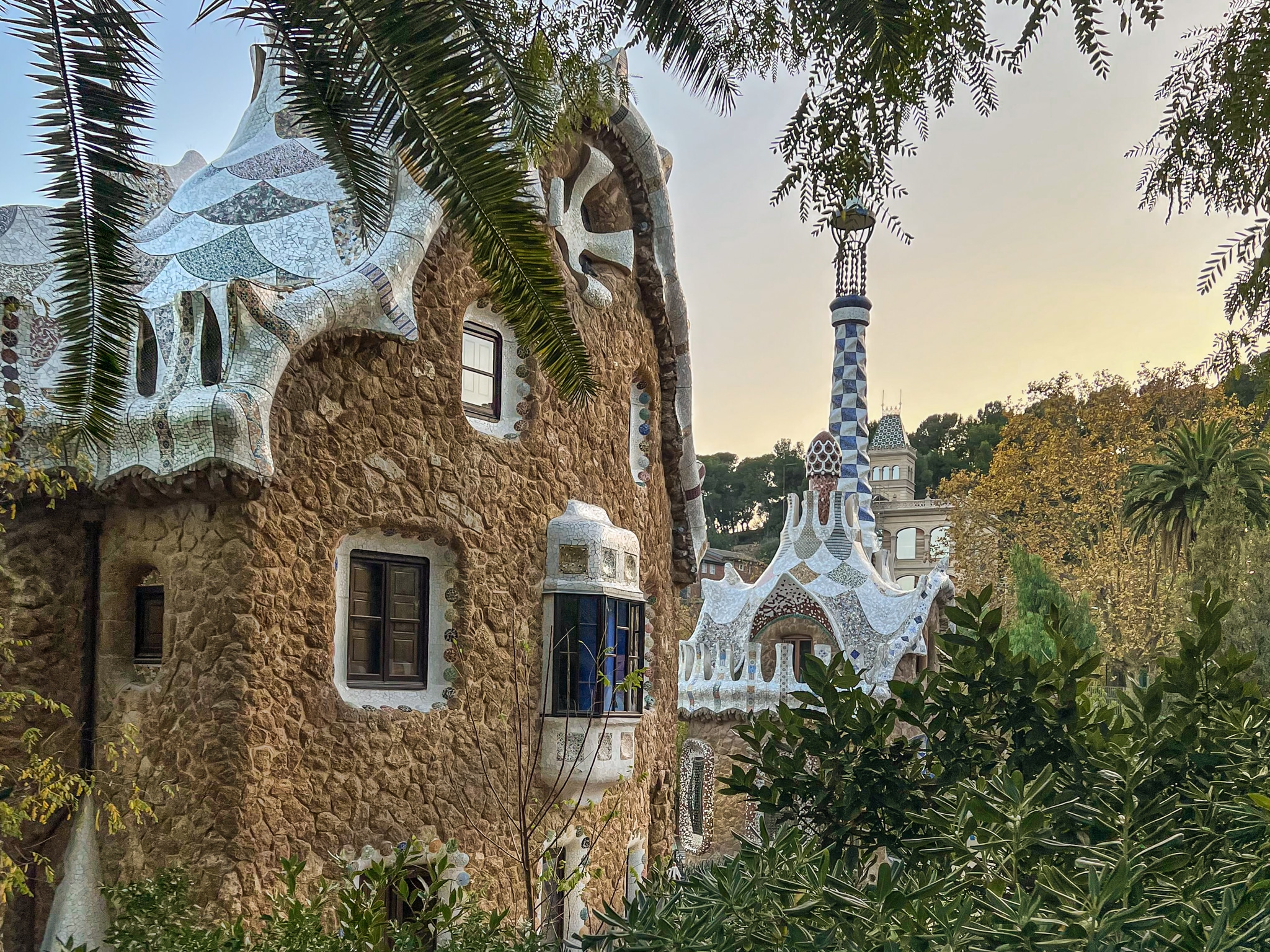
Valencia
Valencia, like Barcelona, offers both a vibrant city setting and a quiet beach retreat which makes for the perfect pairing whilst backpacking Spain.
Spain's third-largest city by population offers a look into the arts, sciences and both, the past and the future. Once again, Spain has nailed it when it comes to perfectly blending the iconic history and modern designs, and none more so than here in Valencia.
The futuristic buildings boom over the city whilst giving a respectful nod to their often ancient neighbours. The city is full of life, where festivals dominate proceedings and food lights up any conversion.
Valencia is the home of Paella and is now your next Spanish destination. I hope to see you in Valencia soon, be it in the bustling streets or the pristine sands that greet the warm waters of the Mediterranean.
For our complete guide to backpacking Valencia, click here.

Menorca
Menorca or Minorca, as it is also known, is the most easterly of the Balearic Island's, with the warm Mediterranean seas lapping around its glorious shoreline.
The rocky coastline is interspersed with stunning coves and bays, making for a different, private beach for every day of the week. Meanwhile, the centre of the island is dominated by El Toro, standing at 358 meters above sea level, and on a good day, looks out across the whole island.
Menorca has less than 95,000 residents, which means you will often find you're the only person around. This remote tranquillity is what drew me in. If you need a break from the mayhem of life, people and work, Menorca is awaiting your arrival.
Yet, if the serenity of the picturesque countryside gets too much, there are options to head into the small capital of Mahon, where markets, restaurants and gin are always ready to bring you back to the party.
For our complete guide to backpacking Menorca, click here.

Palma de Mallorca
Mallorca or Majorca, as it is also known, is the largest and most dynamic of the Balearic Islands.
The Island enjoys the inviting Mediterranean and warmer climes compared to the Spanish mainland. However, it is far, far more hectic than the other members of the Balearics.
The island is known for its energetic and elegant capital, Palma, and rightly so. Outside the capital, the old seaside towns of Port de Sóller to the northwest and Alcúdia to the north are tourist hotspots.
To the east, you'll find underwater lakes within natural caves that rival the Sydney Opera House for performing artists and sound quality.
It is, however, the island's scenery that takes centre stage. The mountainous islands provide the perfect backdrop for the thousands who visit Mallorca for biking and other active sports.
Mallorca truly is exceptional, and you will not want to leave.
For our complete guide to backpacking Mallorca, click here.

Alicante
Slotted on Spain's south coast between Valencia and Murcia, Alicante is a haven for the sun worshipers.
Its year-round sunshine and blue skies make it the ideal candidate for a short city break. Furthermore, it has golden beaches that run to the horizon and a few attractions to explore, such as the 9th-century Santa Bárbara Castle and the gorgeous island of Tabarca.
Within the city, you will find sprawling restaurants, numerous museums and, of course, more nightlife than you can enjoy in a short city break. However, for the manically wild nights, you'll need to travel just up the road to the raving city of Benidorm.
You won't find the foods and culture of Barcelona, Madrid or Valencia here, and in truth, the city is a bit of a concrete jungle, but one worth visiting whilst backpacking Spain.
For our complete guide to backpacking Alicante, click here.

Frigiliana
Frigiliana frequently appears in Spain's top ten most beautiful towns, and it's easy to see why.
White-washed walls, tiny meandering streets, colourful blooms and picturesque views scatter the town.
It's magical in every sense, and somewhere you have to visit.
The town lies a short fifteen-minute bus ride from the Nerja and the Mediterranean amid the Almijara mountains, which provide superb hikes throughout.
Restaurants, bars, little shops and art galleries fill the streets, each dressed in the Frigiliana colours, blue and white.
When are you coming?
For our complete guide to backpacking Frigiliana, click here.

Seville
Seville is the capital of Andalusia in the southern realms of Spain. It's two hours fifteen minutes north of Gibraltar and an hour and forty minutes from the Portuguese border.
Split by the Guadalquivir River, the city is famed for its old town, which contains three UNESCO World Heritage sites and centuries of often violent and radical history.
With year-round sun, low levels of rainfall, and a wealth of charming landmarks, Seville is one of Spains most visited cities behind only Madrid and Barcelona.
If culture, history, architecture and good food is what you're after, Seville has to be your next Spanish destination.

Fuerteventura
Fuerteventura is the second largest of the Canary Islands, just off the southern tip of Morroco, on Africa's west coast.
Within the centre of this volcanic island, you will find a dull, rugged, barren, brown landscape, and honestly, it's not all that inspiring. However, it does feel a little bit like you're on the moon.
Nevertheless, step back to the coast, and you'll meet with shimmering yellow sands that caress the crystal clear waters. Occassionally, even here at that beaches, you are reminded that this is a volcanic island as the sands turn from golden yellow to a powdery black colour.
If truth be told, there isn't a lot to do on the island either. Fuerteventura is somewhere to kick back, top up the tan, and cool off with a brief snorkel. It's a holiday destination, not a backpacking Spain destination.
Sadly, my camera decided to break, so there are no photos for this one, but for our complete guide to backpacking Fuerteventura here.
Bilbao
Bilbao is, at heart, an industrial town on Spain's north coast within the Bay of Biscay. However, in more recent years, the city has become one of the most exciting, trendy and influential cities in Spain.
The picturesque city is lovingly shrouded by rolling green hills that supply the weaving and majestic Estuary of Bilbao that, in time, joins the industrialised Port and the Bay of Biscay.
Like many cities in Spain, there is a good blend of old and new architecture and culture. The Casco Viejo (Old Town) is a far cry from its neighbour, the modern, fashionable Guggenheim Museum, complete with bars and restaurants.
If backpacking Spain is on your mind, but you don't want the crowds, head north to Bilbao, and you'll be in a whole new world.
What's It Like Backpacking Spain?
As previously mentioned, backpacking Spain isn't the 'done thing'. Spain is perceived as a holiday destination, but I am here to change your mind.
Spain has varying landscapes, weather, traditions and activities. There are rolling mountains topped with snowcaps, volcanic islands with warm sandy beaches and everything in between. Spanish foods change as fast as the weather, as do its people. There is so much to experience - you'll never be bored.
When backpacking Spain, you'll fall in love with this sensational country, even more so when you discover how easy and affordable it can be.
Modern Spain is safe, fun, and easy to navigate and is something you should experience.
So, with that said, let's look into each section in more detail.

The Accommodation
Being a modern, affluent, European country, accommodation in Spain is amongst the best in the world. Not once have I found any significant safety issues that you may find in other countries. Similarly, for the prices I've paid the accommodation has always been clean, tidy and comfortable.
Like the landscape, you'll find just about every variety of accommodation available. Beachfront Villas with a pool, city apartments, hotels and hostels are just some of the styles you can expect to find whilst backpacking Spain.
If you are looking for accommodation in the high season, I'd advise booking ahead of time, especially if you're looking to enjoy a touristy destination. Yet, if you're planning your Spanish trip out of season, you'll have the freedom to book ad-hoc and as you go. For example, during my Barcelona trip in November 2021, I booked by turning up at the hostel on the day.
As usual, our holy trinity of Hostelworld, Airbnb and Booking.com are yet to fail us whilst travelling around Spain. Even if it's only to check the hostels in your area before turning up at the front desk in hope of a last-minute deal. In all honesty, I'd be using these on my next trip to Spain too.
As you'd expect with differing styles and standards of accommodation, there are varying degrees of cost. Spain can be costly, but if you're happy to stay at hostels, you'll find some incredible deals for under €10 a night.
When it comes to booking accommodation in Spain, it truly is a case of, a little research goes a long way.
Check our detailed accommodation guides for:

The Food
It certainly appears that Spain has a natural affiliation with all things beginning with F, football, food and flamenco.
Luckily for you, I'm here to talk about one of the three, and it's the only one I am good at. No, not flamenco, as some poor lady found out in Peru. Of course, I'm talking about food, and my god, it's fantastic.
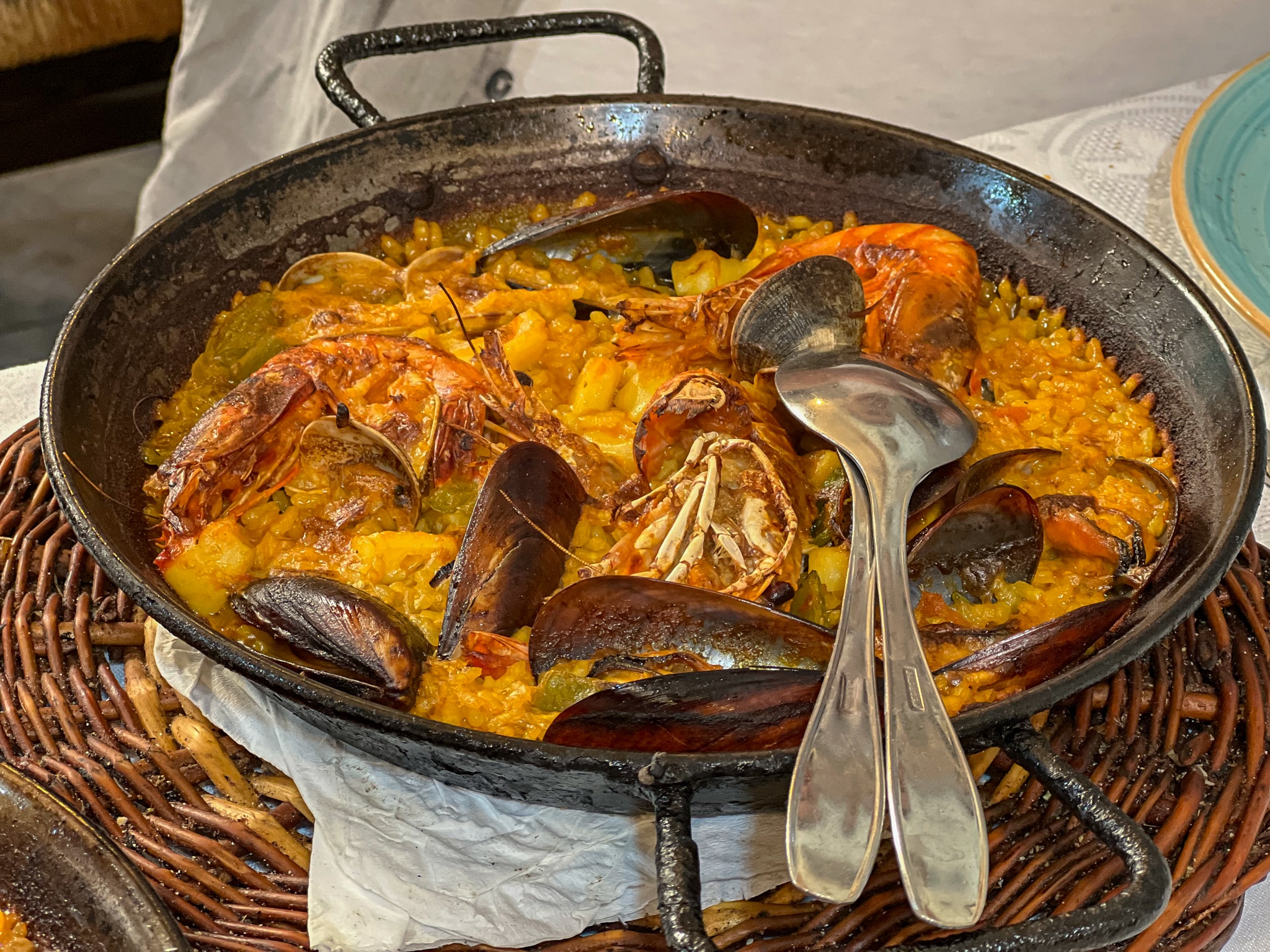
We all know the classic Spanish dishes, Paella, Churros, Tapas and Pinchos, but what you may not know is that each region adds a unique twist to the recipe. A dish you taste in one city may taste very different elsewhere, and that's not a bad thing. It simply means more foods to try.
Similarly, each region has a local dish, and it's one they are extremely proud of. For example, in Catalonia, you'll find Esqueixada, a salad with shredded cod. Whilst, in Basque, you'll discover a heartwarming feast called Marmitako, a type of tuna and potato stew.
Mealtimes in Spain are more than just guzzling down your food in front of the TV. They're an event and an occasion that should be savoured. Meals are often a family affair and can go on long into the night. That said, Spanish people usually eat late, and it is not unusual to find the family still nibbling away at midnight, especially in the traditional homelands.
Markets provide the perfect location for the locals to gather fresh meat, fruits, salads and vegetables daily. Fresh, raw Ingredients are key to Spanish dishes, and only the best will do. Luckily, the Spanish weather across the country makes for perfect growing conditions for a wide variety of foods, and each is lovingly picked, packed and delivered to the markets.
If, however, you're not a culinary wizard, fear not. Spain is awash with bakeries selling fresh goods, tapas bars spilling into the streets and of course boutique chocolatiers selling the most delectable desserts.
No matter where you are in the country, food will force itself to take centre stage. Embrace it, love it and try as much as you can. After all, the key to backpacking Spain successfully is food. It dominates everything in this magical country.
The Culture
Spain has more culture and history than most, touching far-reaching lands, such as the Americas, Africa and several islands within Asia. This is, in part, due to the expansive Spanish Empire that reigned from 1492 to arguably the 1900's.
However, nowadays, religion, language, music and dance, festivals, food and drink have replaced violence and fascism.
In general, Spain is a Catholic country, and you cannot meander the towns and cities without coming across a church or two. Catholicism is a way of life for the Spanish people, especially the older generations. It's considered extremely rude and offensive to insult the church, the pope or the religion as a whole, even if it's a joke.
The country celebrates many Holy Days, and even a holy week, known as Semana Santa.
There are numerous languages spoken in Spain, with regional dialect changing on an almost city by city basis. This becomes very noticeable when you visit the likes of Catalonia, where the Catalan language is preferred to Castilian.
The Spanish are very welcoming and friendly, so don't be surprised to be caught up in a lengthy conversation about yourself, them or ... anything really. The conversation can become loud and passionate, but it's all in good humour and fun. Getting to know someone in Spain is like a good meal, it should be enjoyed, take a while and be done with a glass of wine.
If you can learn a small amount of Spanish, it will go a long, long way to helping you on your backpacking Spain adventure.
Spain is famous the world over for its music and dance. The Flamenco and Sardana are just two of many you'll find across the country and often performed in the street. Again, various regions within Spain perform different dances. Similarly, when performing a national dance, there will be subtle changes.
Festivals in Spain are on an immense scale and play a pivotal role in bringing the community together. If you can, try and incorporate a festival into your trip. Some to look out for are: Las Fallas, La Tomatina, Semana Santa, Pamplona Bull Run and the carnival. Each region also has numerous other festivals throughout the year. So check before you go.
As mentioned, meal times and socialising across Spain are almost considered Holy. Spanish people tend to eat late, be it at home with the family or out with friends at a restaurant. It is not uncommon to see people arriving at a restaurant at 10 or 11pm. The same can be said for drinks and nights out. It is rare to see large groups of drunken idiots. Instead, the culture is to enjoy a couple of drinks on a more regular basis, rather than guzzling a week's worth in one sitting. This makes for a more relaxed and enjoyable atmosphere in and around the bars.
Finally, I have to mention the Siesta.
Vast waves of Spain will shut down between 2pm and 4pm, sometimes 5pm. This is to give people a break from work to take a short nap, head to the beach or simply relax with family. If you need something done urgently, I'd advise you to get it done before 2pm.

The Transport
Being a first-world, European powerhouse, transportation in Spain is outstanding.
Wherever you are in Spain, be it the islands, the cities or the tiny mountain villages, you will find excellent public transport. Furthermore, you'll have countless options when it comes to car hire or other methods of transport.
The only issue you may find is that you don't always understand the announcements or station signs. After all, Spanish people do talk very fast. Yet, if your Spanish skills are as useless as a chocolate fireguard, do not worry. The ticket machines at most stations do have an English option. Similarly, in the more touristy towns and cities, the locals do speak English, and often another language as well. So ask for help.
Roads
Having hired cars in a few locations around Spain, I have always found Spanish roads to be superb. Road conditions do differ from region to region, but on the whole, they are well maintained, well-marked and usually congestion free. That said, the people of Barcelona do love a horn and race between lights.
There are strict laws in Spain regarding road use, and luckily most people do stick to them. Not once have I had any worries in Spain, bar crossing a road in Barcelona.
Other than that, road use is fairly simple, you drive on the right, stick to the speed limits, which are clearly marked, and everyone must wear a seatbelt. There are also rules on drink driving, which you'd expect... and you cannot be on your phone unless using a hands-free kit.
Whilst busses and taxies are plentiful, decent and generally on time, I have to recommend hiring a car, it gives you so much more freedom.
Trains
If you're backpacking Spain properly, you will want to get from city to city, and whilst buses are cheaper, you cannot compare the two. A bus ticket from say, Barcelona to Madrid would cost around €5 but would take nearly eight hours. Whereas, for just a few euros more (€9 if you book in advance) you can jump on the train, which would take two and a half. It's a no brainer.
Spain is blessed with high-speed trains and the AVE. The further you book in advance, and the more flexible you are, the cheaper the cost.
There are other options, but, in my eyes, unless you're backpacking Spain on a shoestring this is the best way of getting around the country. Whilst that may be true, if you are going travelling across the whole country, it may be worth considering my next option.
Plane
Ok, so whilst you'll see many companies taking to the air, realistically, there are three to keep in mind. Firstly, there's the Spanish national airline, Iberia. Secondly, Ryanair, a super budget airline based in Ireland and finally, Vueling, a budget airline based out of Spain.
If you're backpacking Spain on a budget, go directly to Ryanair. Nine times out of ten, they'll be the cheapest.
However, if comfort is more important than budget, I'd suggest booking your interior flights with Iberia. If neither are looking promising, check out the third option, Vueling. Vueling tends to have more options available than the other two, they're just not as cheap as Ryanair or as comfortable as Iberia.
Boats
If you're heading to one of the many Spanish Islands, you may consider taking a boat. Spain has numerous ports on both its north and south coast, providing superb links internally and internationally. One company to keep an eye out for is Balearia which concentrate mainly on the Balearic Islands.
Although, I have to admit, travelling by boat in Spain is not an option I'd suggest. Why? Well, because they cost more than a flight and take just as long, if not longer. It simply isn't worth it.

The Budget
As with any central or western European countries travel budgets can rise and fall quicker than the stock market. Therefore, it isn't surprising to discover that spending budgets vary wildly whilst backpacking Spain.
Spain is thought of as an expensive country to visit, especially in the larger cities, but this isn't always the case. Backpacking Spain doesn't have to mean costly.
If your budget is on a shoestring or you've just won the lottery, you're in for a great time here in Spain.
So without further ado, our three Far Out budgets are;
The 'Backpacker' Budget
Your only objective is to keep travelling. The secret? Keeping costs at an all-time low. This is the budget for you.
Accommodation - Let's kick off by saying you will not be staying in anything grand, but it will at least be clean, tidy and warm no matter the time of year. For those of you looking to save every last penny, I'd suggest Couchsurfing. It's free, plus you'll have a local host to give you all the best hangouts.
If you're not keen on Couchsurfing, it will be hostels for you, and that's not a bad option at all. In the bigger cities, expect to pay from around €14 a night. Outside the cities, prices can be as low as €10 a night, but you will have to search for them.
Foods - Again, don't expect to see inside many fancy restaurants unless you're checking your reflection in the window. But, good news! Bars concoct fantastic tapas and pinchos dishes at outstanding prices. Ideally, in the cities, you'll have a complimentary breakfast at the hostel, pick up a sandwich for lunch (€3), and find an evening meal for around €8-€10.
Although, I have a secret for you. There is a sort of fast-food chain called Cervecería 100 Montaditos who do cheap, yet delicious, tapas for a euro each... and a bucket of beers for €5. Bargain.
Transportation - Much of your time will be on foot, and generally, that isn't a problem. Even Barcelona is walkable. With things like busses and Ryanair, even travel between the cities is incredibly cheap. I'd budget a maximum of €4 a day. That figure does take into account that most days, you will not need to spend anything.
Drinks - Sadly, there will be no piss-ups for you. It's going to be drinking at the hostel with your supermarket-bought beers. That said, you will find beers for as cheap as €2 in the backstreets. Let's call it €6 a day.
Overall - Your backpacker maximum daily budget for Spain, including three meals, will come to a grand total of €33 (£29).
The 'Travellers' Budget
You've saved for this trip, and you want the ultimate bang for your buck. Money is tight, but you want the best experience. We've got you covered.
Accommodation - You're in a similar position to the backpacker budget, the only difference being you can call off the Couchsurfing. Hostels in Spain are great, and as I have found out, amazing value too. If you wanted to spend a couple of Euro's more a night to find a better hostel, that's your prerogative. I will up your accommodation budget to €17 a night.
Restaurants - Again, meals at the tapas bars are fantastic, and once out of the cities, you'll find that even the better restaurants are within your grasp. Let's budget €10 for lunch at a little cafe or a boutique bakery, and follow that up with a €15 evening meal. Don't expect three courses, but do expect delicious and filling foods.
Transportation - Once more, there is no need to look any further than Ryanair or a slow train. You're not a millionaire, and if cheap is the best option, stick with it. I'm saying stick with the backpacker budget, but add on a couple of metro journies to help your weary feet. I'll go mad and say €8 a day.
Drinks - If anywhere, this is where you'll want to increase your spending. Knock yourself out and have a few beers. If you want to drink every day, I'd budget €20, it won't get you pissed, but you'll have an enjoyable evening.
Overall - Your travellers maximum daily budget for Spain, including three meals, will come to a grand total of €70 (£58.50).
The 'Daddies Credit Card' Budget
Your trust fund is finally available, and your Instagram followers need to see where you are in the world this week. You farted the other day, and a private jet came out. We haven't forgotten you.
Hotels - Well, greetings money bags. I have found the best of the best for you. I hope mummies little angel likes luxury. How does the Presidential Suite at the Seaside Grand Hotel Residencia sound? Good right?
Yours, for only €1,530 a night.
If you love your stay, please let me know what it was like. If you're feeling generous, maybe pay for a week's stay - hint hint.
Restaurants - In keeping with your usual expectations, I have lined up Spains most decorated restaurant, where the head chef has been named the best chef in the world. I mean, he only has three Michelin stars and three Repsol Suns. Alas, I don't see an Oscar nomination, do you?
How does Madrid's Diver XO restaurant grab you? You are told what you're eating, and they can pair the wines for the complete eating experience.
At only €665pp for the exclusive food and wine combo, it may even eat into your allowance. But who cares daddies got your back. Add in a cheeky meal at lunchtime and round today's budget up to €700 a day.
Transportation - I doubt you'll want to be walking with the rest of the population, so we're going to have to find you a top of the range private car. I'm no expert on this topic, but I have found these guys - Spain Luxury Cars, who offer airport pickups, port drop-offs and day to day city tours.
Give them a call and check out what they can do for you. I don't know how much they cost, but I'm going to guess €250 a day should cover it.
Drinks - It's time to hit up those roof-top bars, exclusive locations and secret hideaways where it's invite-only. Grab yourself a nice bottle of Teso La Monja for €911, and polish that off with a couple of top whiskies. That should push you up into the €1,000 a day bracket. Well done you.
Overall - Your daddies credit card daily budget for Spain, including three meals, will come to a grand total of €3,480 (£2,943) a day.
The Best Things To Do When Backpacking Spain
Explore the Entier works of Gaudi in Barcelona
Antoni Gaudí has created some of the most iconic buildings in Spain, most of which are in Barcelona.
The most famous of his works is La Sagrada Família, a grand Gothic Nouveau style minor basilica that is still under construction. The buildings are so dramatic that UNESCO has named the collective works as a UNESCO World Heritage Site. And they don't dish that award out for anything.
Each building is, in its own rights, a masterpiece, but together they are just jaw-dropping. My personal opinion is that unless you visit them, you cannot say you've been to Barcelona. They are that special, especially La Sagrada Família.
For more on this topic, check out my Barcelona blog, which talks about Gaudí and his incredible works.

Dine on Spains Incredible Dishes
I may have hinted at how much of a foodie I am, and again, you may have gathered that I think Spanish food is outstanding.
So it won't be a shock to you to find out that I've put it amid the best things to do whilst backpacking Spain. For me, food is a massive part of travelling, so put that diet on hold and try as much as you can here in Spain.
There are so many amazing dishes it is hard to know where to start, but keep an eye out for these six delights.
- Churros - Fried strips of dough, usually served with hot chocolate.
- Patatas Bravas - Fried chunks of potato drizzled in spicy sauce. I ate these a LOT.
- Pinchos - Tiny, tasty pieces of finger food, usually €1-2.
- Tapas - Small plates that let you try several dishes in one meal. Usually €4-6.
- Paella - Fragrant rice traditionally served with seafood. This is a Thursday tradition in Spain.
- Croquetas - Breaded and fried balls of bechamel sauce with ham, veggies or whatever mixed in.
The little delight in the picture below is a toffee roll (pincho) from Blai 9 in Barcelona. Heavenly!

Cycle The Mountain Ridges Of Mallorca
I cannot believe I've gone from food to fitness so quickly, but hear me out.
Fitness is something we often forget about when we're travelling, or on holiday for that matter. But, when you can explore a majestic, wildly beautiful Mederteraninan Island with the wind in your hair, why wouldn't you want to keep fit.
The Mallorcan mountains sweep endlessly into the horizon, and there is something magical about that. The roads are well maintained, deliver breathtaking views and provide a real sense of achievement. You'll pass through delightful little villages, beaches, and of course, mountain peaks.
Beauty is in the eye of the beholder, but here, beauty is in the mountain ridges.
When you can enjoy exercise with a smile on your face, it doesn't feel like exercise. It feels like cheating. Trust me, get your lycra on, helmet safely fastened, and head for the hills. You won't regret it.

Relax with a Sunny Beach Day in the Med
Spain has more world-class beaches across its shores than you could ever visit, be it on the mainland or its delectable islands. When you combine that with blazing sun and blue skies, it's obvious why a beach day jumps onto the podium for 'best things to do in Spain'.
All you need to do is find the secret cove or the hidden gem that others are yet to discover. There has to be at least one in that 7,500km of coastline, right?
Whether you're on holiday, travelling or backpacking Spain, you will, at some point, require a peaceful, relaxing beach day. The warm waters of the Med or the African Atlantic Ocean will revive that weary body, mind and soul, getting you firmly back on track for your next journey.
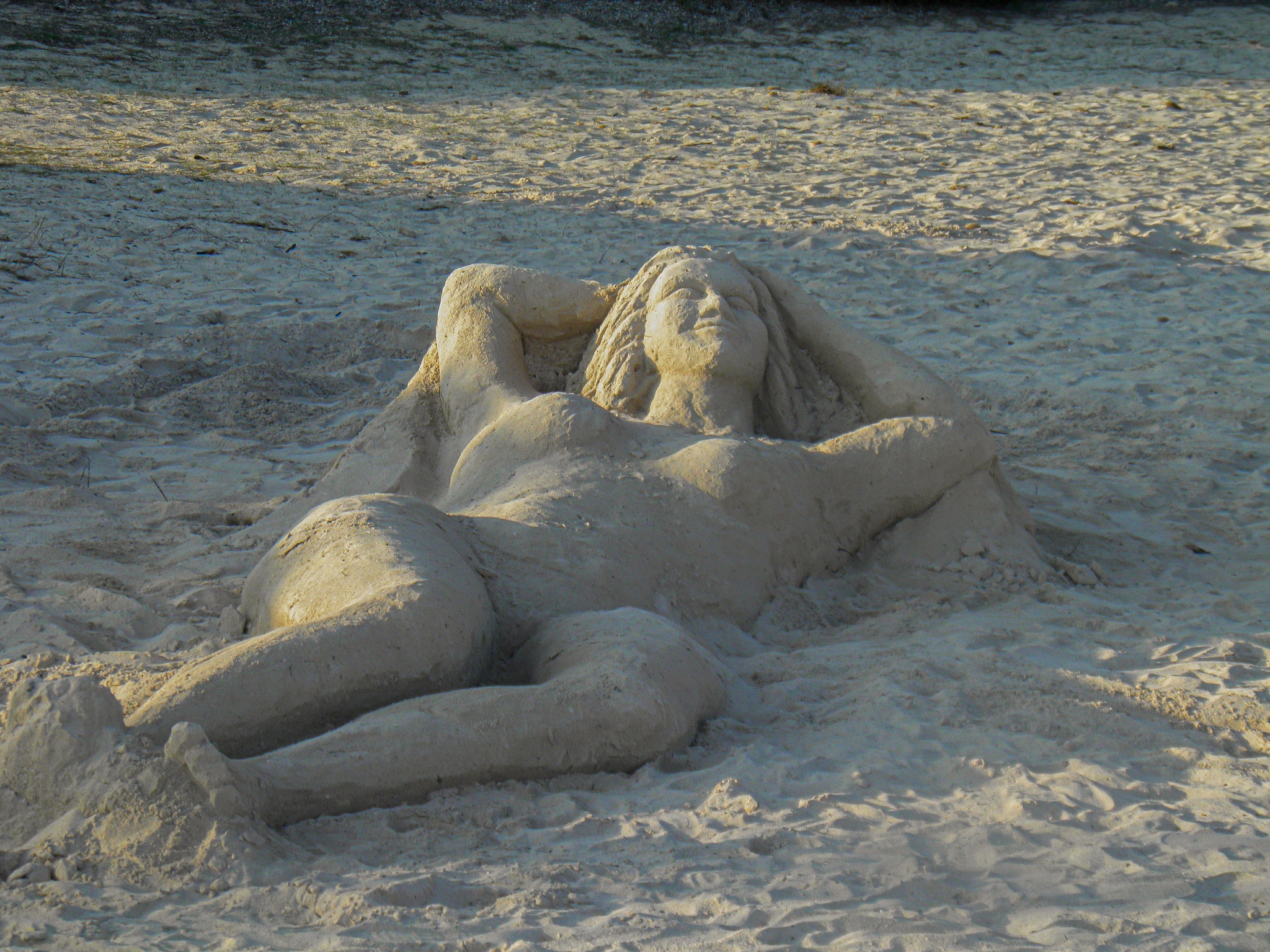
Take a day on the glistening sands, paddle in the crystal-clear shallows, and let the day fade away - you deserve it.
Preparing To Backpack Spain
Suggested Itineraries
This is a tricky one. Spain has so many potential routes, and frankly, a lot of that depends on you and why you're backpacking Spain.
Are you looking to explore the islands, head for the hills in central Spain, or are you looking to enjoy the culture of the big cities?
The country is massive, and if you want to see it all, you will need a lot more time than you may first think. Therefore, as always, a little planning goes a long way. But as we always say at Far Out Travel, don't over plan.
Here are a couple of itineraries that you may be interested in to help you on your way.
Mediterranean Bliss
10 Days
Explore the beautiful Balearics, from the shores to the mountains. It's a kind of slow pace here in paradise.
Day 1 - As you land over the southern part of the gorgeous island, you'll have fantastic views across Mallorca and beyond. You'll land at Palma de Mallorca Airport and take either, the A1 bus into Palma. Take the time to get your bearings and mooch around the old city before finding a delightful place to eat for your first evening in Palma.
Day 2 - It's all on foot today, as you explore the city properly. Shop the old narrow streets before taking in the delightful Catedral de Mallorca and its neighbour, the Royal Palace of La Almudaina, on the waterfront. After lunch, walk up to Castell de Bellver's viewing platform and look out across the harbour. Relax into the evening with a few drinks before finding a delectable tapas bar.

Day 3 - After a lazy morning, take the old vintage train from Palma, north, to the little town of Port de Sóller. This small quaint vintage town is sublimely beautiful, and whilst small is hilly, so get your walking boots on. Enjoy some food and drinks around the harbour before an early night.
Day 4 - After breakfast, head down to Tramuntana Tours on the waterfront and pick up some bikes. Head out in the mountains and explore. I can recommend heading south and ending in the tiny cove of Ca'n Lluc. Once back in the Port, it will probably be nearing time to relax before another delicious evening meal and another early night, and you know why.
Day 5 - Back in the saddle today as you turn your wheels east, and head up over the mountains to the exquisite old town of Fornalutx. Once you arrive, you'll be hankering for a drink and some food, and you're in luck because Cafè Sa Plaça is in town. After lunch, and a well-earned rest, head out of town and back downhill, yes, downhill to Port de Sóller. Again, you'll be pleased to see the sea as you hand your bikes back in and relax for your last evening in the Port.

Day 6 - Today, you head north the old town of Alcúdia (not to be mistaken for Alcúdia Port). Walk the town walls and admire the narrow old streets, the fort remains, and the outstanding Església de Sant Jaume d'Alcúdia. Unfortunately, you only have one evening here, so many the most of your time in the town. It's breathtaking.
Day 7 - Today, make your way to Port Cristo, arriving in time for lunch. After lunch, spend an hour enjoying the white sands and crash seas before embarking on a tour of the Drach Caves. This underground world walks you around underwater lakes and ends with a priceless orchestral performance. Sadly, once you leave the caves, you'll head back to Palma, ready for your early morning flight over to Menorca tomorrow morning.
Day 8 - Catch your flight over to Mahon, the capital of Menorca. After you arrive in the city, explore the beautiful harbour and the old buildings, including the Santa Maria de Maó. If you're feeling adventurous, enjoy a good old fashioned gin tasting session before enjoying yet another fabulous evening meal.
Day 9 - After breakfast, hire a car and take a trip north to the Mirador Cim del Toro, where you'll find 360-degree views of the island. Once you've felt the wind in your hair and seen all you can see, take the car south to Cala en Porter. Enjoy your last taste of beach before grabbing a drink in my favourite bar in the world, Cova d'en Xoroi. Slowly meander your way back to Mahon for your last night on tour and go wild.

Day 10 - Sorry to say you have to fly home today, or wherever you want to go, I'm not your mother. But clean up before you leave.
Catalonia the Old and the New
7 Days
Experience Catalonia like never before, from ancient towns to the works of Gaudí.
Day 1 - Fly into Barcelona's gigantic El Prat airport and head into the city on the A1 bus, just outside the terminal. Once you get acquainted with your accommodation, head out into the old Gothic Quarter for your first exploration of the trip. Spend the afternoon exploring the old Barcelona Cathedral before taking in your first night in the vibrant and busy city.
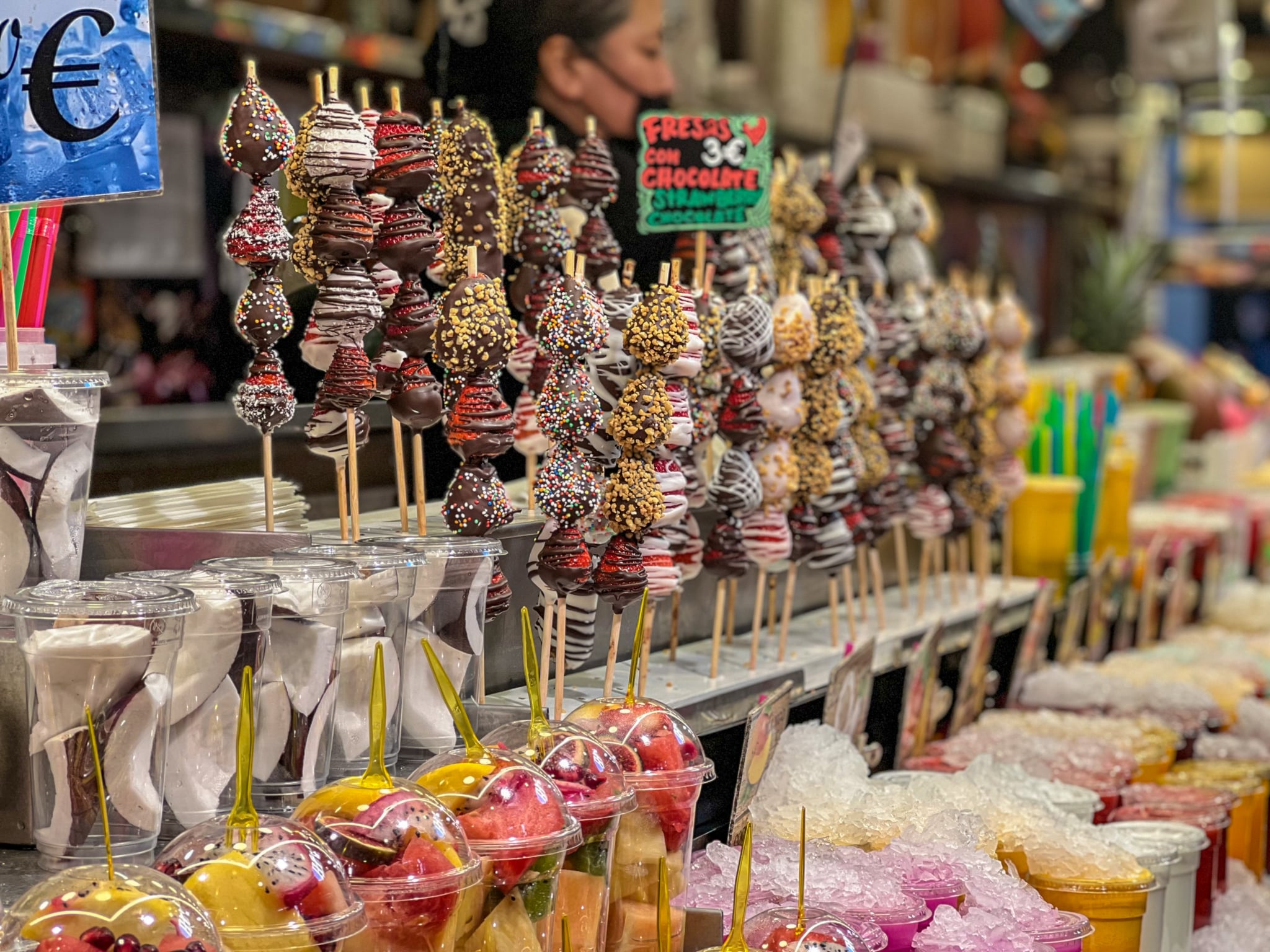
Day 2 - Get up and meet a walking tour outside the old Roman Towers in Plaça Nova (The main square with the cathedral). This two-hour tour will guide you around the Gothic Quarter, stopping and a couple of very important locations in the city. It's a truly fascinating and informative tour and should take about two hours. Once you leave the tour, I'd suggest grabbing some lunch at the La Boqueria Market. After lunch, head back into the Gothic Quarter and enjoy the bars, the sounds and the smells of Barcelona enjoying your second night in town.
Day 3 - Today, you'll take the train out of town to your first Gaudí phenomena, Colònia Güell. This adorable church and crypt has some incredible design features and oozes beauty from every angle. From here you can catch the train back to the city, getting off at Pl. Espanya and enjoying dancing fountains that lead up to Montjuïc. Take some time to explore the park, botanical gardens and Montjuïc Castle. On the way back stop in the delightful Blai 9 for your evening tapas and pincho meal.
Day 4 - Today is all about Gaudí, so strap on those walking boots and get going. Our first stop is, in my opinion, the least attractive - Güell Palace, on the western fringes of the old town. From here, it's up to Casa Batlló and over the road to Casa Milà. If you can afford it, I'd recommend going inside Casa Batlló. Next on our list is even further north, and were off to see Casa Vincens. After this, I think you deserve a peaceful afternoon on Barcelona Beach, lapping up the sun and paddling in the Med.
Day 5 - Today, we're taking a day out of the city and heading south on the bus to the medieval old town of Tarragona. This beautiful old Roman settlement comes complete with an amphitheatre, old city walls and a fantastic beach. Take a slower day and explore the old ruins at your leisure. Just remember to get the last bus home, otherwise, you're staying in Tarragona for the night. Not that that's a problem.

Day 6 - This is the day you've been waiting for. But once again, it's breathless for more than one reason. Today we start with the incredible La Sagrada Família. If you can, I highly suggest heading inside to visit the crypt and, of course, climb the towers. Inside is just as spectacular as the outside, but both will blow you away with their beauty. Next, grab an ice cream at the Chocolat Box and make your way up past the old hospital to the bunkers high on the hill. Once here, you'll have panoramic views of the whole city. It's worth the climb. Then, it's onto our last Gaudí feature, the fun and friendly Parc Güell. Explore the park slowly, and take in every bit of it. It's staggering. Once you're done, walk back to the Gothic Quater and enjoy your last night in town.
Day 7 - It's goodbye to Barcelona as you jump aboard your onward flight. I hope you enjoyed your tour.
Speaking Spanish
Spanish is one of the most widely-spoken languages in the world. Therefore, if you're travelling, it is important to learn it. Don't rely on knowing English. If you're backpacking Spain, a little Spanish will get you a long, long way. Spanish people are so accommodating, polite and friendly, so show them the courtesy of learning a little of their language.
If you're struggling, I am learning through Duolingo. For more on Duolingo, and other travel apps, check out my 'Best backpacking Apps blog'.
| English | Spanish | Greg's Pronunciation Breakdown™ |
|---|---|---|
| hello | Hola | o'la |
| bye | adiós | adi-os |
| my name is... | me llamo | may ya-mo |
| yes | si | say |
| no | no | no |
| ok | okay | o-kay |
| please | por favor | por fav-or |
| thank you | gracias | gra-thii-ass |
| sorry | lo siento | lose-ento |
| how much? | cuanta? - female cuanto? - male | quant-a quant-o |
| excuse me | disculpe | dis-sculp-ey |
| what? | que | key |
Visas and Borders
Visas
Well, I'm going to start with the good news. Spain is a member of the Schengen agreement with 25 other nations in Europe. This agreement grants freedom of movement between the countries and importantly, cost and worry-free.
Therefore, if you are a national of any of the following countries, you are free to enter Spain as often as you like.
Austria, Belgium, Czech Republic, Denmark, Estonia, Finland, France, Germany, Greece, Hungary, Iceland, Italy, Latvia, Liechtenstein, Lithuania, Luxembourg, Malta, Netherlands, Norway, Poland, Portugal, Slovakia, Slovenia, Spain, Sweden, and Switzerland.
Similarly, if you are from a Schengen country, which is also part of the EU, you can work and study in Spain without a visa. Anyone outside of the EU will need to obtain a work visa if you're planning to work in Spain.
At the end of 2022, Shengen Counties plan to introduce an ETIAS Visa Waiver form. It stands for European Travel Information and Authorisation System and will cost €7. Free if you're under 18 or over 70. Everyone outside of the Schengen agreement will have to get one, and it will be valid for three years.
However, for now, nationals of the following countries can travel to Spain for up to 90 days visa-free within 180 day period:
Albania, Andorra, Antigua & Barbuda, Argentina, A.R.Y.M, Australia, Bahamas, Barbados, Bosnia and Herzegovina, Brazil, Brunei, Canada, Chile, Colombia, South Korea, Costa Rica, Dominica, East Timor, El Salvador, Georgia, Granada, Guatemala, Honduras, Israel, Japan, Kiribati, Malaysia, Marshall Islands, Mauritius, Mexico, Micronesia, Moldova, Monaco, Montenegro, Nauru, Nicaragua, New Zealand, Palau, Panama, Paraguay, Peru, Solomon Islands, Samoa, Saint Christopher and Nevis, San Marino, S. Vincent and the Grenadines, Saint Lucia, Serbia, Seychelles, Singapore, Tonga, Trinidad and Tobago, Tuvalu, United Arab Emirates, United Kingdom, United States, Uruguay, Vanuatu, Venezuela, Vatican.
Outside the countries I have mentioned, I'm afraid you will have to apply for a visa to enter Spain.
Borders
Mainland Spain borders four countries, Portugal to the west, France and Andorra to the northeast and Gibraltar (United Kingdom) to the south.
There are numerous land borders between Spain and its neighbours, all of which are hassle-free to cross.
There are also a number of major ports on the south coast with good connections to Morocco, Algeria, Italy and France. Similarly, there are two major ports in the north in Bilbao and Santander, with good connections to the UK.

What to Pack
Packing is never fun, and when you're backpacking Spain, things can be tricky.
The weather changes from north to south, east to west, and then there are the islands to consider. Likewise, you have to pack for varied landscapes such as mountains, beaches and cities, and they all require different items. You have to put a lot of thought into it.
Luckily, we have come up with a few essentials below that we found useful, or stupidly forgot, and thought would have been helpful...
Our Top Pick for Backpacking Spain is...

Sensible walking shoes
Sensible walking shoes are a must for anyone travelling around Spain.
No matter if you're hiking the mountains, exploring the islands or taking on a city break, you will need a good pair of walking shoes.
Whilst all are vastly different environments, your shoes will need to provide decent support to your ankles no matter what. City breaks can mean covering 35,000+ steps a day, and that shit hurts, especially when you're walking on the old cobbled streets of Barcelona or Madrid.
Similarly, the mountainous terrains of Mallorca, the Pyrenees or central Spain require solid footwear. If you go for something smart looking, such as these Karrimor's, you'll find one pair does all.
The ones in the photo are mine, and I love them!
Best of the Rest
Clothing and Shoes ∼
Having mentioned a sensible pair of walking boots as my number one suggestion on what to pack for Spain. I would also suggest a lightweight pair of shoes and or flip-flops. If beach days are your main attraction, then change out the walking boots and add in flip flops.
Spain, especially the Spanish Islands, receive numerous uninterrupted days of beautiful sunshine. However, during the winter months, the mainland can get cold. Dress for the weather. If you're backpacking the likes of Barcelona in the winter, it can be wet, and the evening temperature can drop quickly too.
The islands will require lightweight shirts and t-shirts, shorts and or dresses for the daytime. Whilst the southern half of the mainland will be the same in the summer months, you will need jeans and a warm jumper with a decent coat in the winter.
If you're travelling north, check the weather before you go. It can get colder earlier in the season.
Electronics ∼
Spain is a stunningly beautiful country, and in all honestly, you need a camera to capture those moments, those views and, of course, that Insta-worthy dinner. I use a Nikon D500 and would recommend it to anyone. Often I have found myself carrying numerous lenses, only to find that 90% of the time, I use the same one. Grab a Sigma 17-50 F2.8, which I've found to be a great comprise between quality, price and weight.
Then throw in a couple of memory cards, ideally 128GB or more, and you'll be snapping away until you're heart is content.
If your electrical equipment doesn't run on a Spanish plug, we highly recommend the diverse multi-plug, the iBlockCube. It's lightweight, compact and has three USB ports, two type C ports, a compatible plug socket which is compatible in over 150 countries.
Other than that, you'll need your phone, and potentially a portable power charge. If you do, I'd get the Anker, just make sure you get the one that fits your equipment (USB or C port).
Toiletries ∼
Spain has all the supplies you'll need should you forget anything, so this section is a little bit redundant. That said, I'd highly suggest you pack some suncream. Ideally, factor 50 in the summer months, especially if you're a beach-goer. Personally, I go for Nivea, but that's because I've used it before, trust it and find it doesn't leave any white marks on clothing.
Other than that, pack your usual stuff, shower gel, toothbrush, toothpaste, shampoo, hair gels and sprays, deodorant, sprays and perfumes.
Bags ∼
Having tried many, there are only two brands I'd happily recommend when it comes to travel bags, and that's either Osprey or Berghaus. Ideally, if you're planning on doing a lot of exploring, you'll want a day bag as well. Nothing flash or fancy, or too big, just comfortable and somewhere you can put a water bottle, a bite to eat, that phrasebook, and the essentials.
Female Travellers ∼
Ok, well-spotted team, I am not a female, and I'm not suggesting I can complete with the girls here.
However, I am trying to be inclusive with my blogs. Therefore, I have spoken to many female friends and travellers, and honestly, it appears you can buy everything you'd expect and need in Spain. If this isn't the case, or you've found things difficult to get hold of, please let me know in the comments below or drop me a message on Instagram @far_out_travel.
Other -
If your Spanish isn't up to scratch, I'd highly suggest you download Duolingo (for free) or buy a Spanish phrasebook. Especially if you're planning to head out into the smaller, non-touristy areas.
Travel Insurance
Whilst backpacking Spain is safe, I would always feel uneasy about recommending you not to get travel insurance. Therefore, I am saying get it. The chances are you will not need it, and the most likely issue you'll come across is that your flight has been delayed or cancelled.
If you're relatively healthy, travel insurance isn't expensive for Spain. So for peace of mind, it's easier to have it than not.
Also, if you combine your travel insurance with your bank account, you might find they offer free insurance. For example, Revolut's Premium and Metal accounts offer free travel insurance (with conditions) to their users.

Backpacking Spain Ethically
As travellers or backpackers, there is always more we can do to reduce our carbon footprint. And backpacking Spain is no different.
Admittedly, when talking about ethical travel, Spain suffers different issues in comparison to countries like Sri Lanka or India. So I'm not going to be talking about plastics, and littering the countryside. We all know about using reusable bottles, how to dispose of litter and single-use plastics.
Spain has excellent health care, it's clean, it's aware of its environment and even has over 400 blue flag beaches. So what are the ethical issues in Spain?
Firstly, I will mention Bullfighting and the Pamplona Bull Run (San Fermin). These are difficult topics to discuss, as I do not, and will never, condone animal cruelty, harming or killing in the name of fun or sport. Yet, both are part of what makes Spain, Spain. These activities are part of the culture and identity of the country.
All I will say on the matter is do your research, make your own decision on if you want to attend these events or not. Likewise, you may consider boycotting Spain altogether. It truly is your call.
Outside of Bullfighting, the main ethical issues include drought.
Parts of Spain receive very little rain, causing numerous water shortages for the local people. Be respectful of this, don't waste water, don't take longer than is necessary in the shower, and turn the taps off whilst brushing your teeth. It's simple advice, but crucial to those that live in drought-affected areas.
Lastly, I'd like to mention something I have alluded to throughout the blog, respecting the Spanish people. Spanish people are extremely friendly, fun and caring. They are loud, excitable and deeply devoted to their region of Spain.
Sadly, people mistake the Spanish Siesta for laziness, but let me tell you, this is NOT the case. Spanish people work long hours, dedicating huge amounts of time, passion and themselves to their work. If you visit a shop at 9am, and again at 10pm, you will find the same people working and to the best of their ability. Please do not mistake siesta for laziness.
Learn some Spanish before you arrive in Spain. The Spanish people will engage you in a hearty conversation and will want to know about you. If you can do any of this in Spanish, it will be widely appreciated.
Also, learn about the area, and don't disrespect the local language, local way of life or the local people's beliefs. People are highly passionate about their region, and to dis someone's region, family, or way of life will likely cause massive amounts of offence.
Safety
Simply put, Spain is a safe country to visit.
No matter your age, gender, whether you're in a group or travelling solo, Spain will be safe for you. Obviously, as with anywhere, there are potential threats. However, you will not find anything here in Spain that will put you in any more danger than you would be in your home city.
Violent crime is low in Spain, and in general, Spain's regarded as one of the safest counties in Europe. All you need to be aware of is yourself and your surroundings. As with anywhere, you could be a victim of crime. But by taking precautionary measures, you can highly reduce your chances of this happening.
The most likely crime you'll fall victim to is pickpocketing. Again, when you're visiting a city such as Barcelona or Bilbao, know where your money is, and keep it zipped up or your hands on it. Don't leave money or valuables in places people can get to without you knowing, such as in a back pocket or an unzipped backpack. This advice also applies when you're in a crowded location such as town squares or markets.
Spain has suffered terror attacks, most notably, the Madrid train bombing in March 2004, where 192 were killed, and the most recent in 2017 in Barcelona where 24 people were killed. Yet again, don't let this put you off backpacking Spain. They are rare and could happen anywhere in the world.
Terrorism will not win.
Finally, if you're in Spain to enjoy hiking or biking the vast amount of beautiful mountains and hills that flow throughout the country, I expect you know the risks. Take the correct equipment with you, especially if you're alone, and let people know where you are whenever possible.
Brief History
Evidence, in the form of fossils, date the first human existence in Spain to more than 1.2 million years ago. However, the discovery of flint tools predates them by a further 200,000 years.
In that time frame, many people, civilisation, groups and nations have claimed ownership of Spain in one form or another. In the 2nd century BC the Romans took control of the Iberian Peninsula and further developed the area, most notably the ancient town of Tarragona, just south of Barcelona.
After the fall of the Roman's came an unrestful period. Tribes from different parts of Europe seized control of much of Spain. What followed was a religious was. Firstly, between the Arab Islamic people of North Africa and the Christians of Europe. Shortly after the Christian victory they laid siege to the Muslims areas of Spain, taking almost complete control of the country.
Many years went by with different territories and regions developing their own laws, cities, ways of life and languages. Some of which exist today, such as Catillian, Catalan and Basque.
However, it was the marriage of Queen Isabella I of Castile and King Ferdinand II of Aragon in 1469 that started the unifcation of Spain. However, Spain as we know it today wasn't unified until 1512, 20 years after the final battles between the Christans and the Moors.
During the 16th century Spain became one of the most powerful countries in the world after Christopher Columbus discovered the Americas in 1492. From here the country went from strength to strength and today stands as the 5th largest empire of all times, controlling around 10% of the world.
The Spanish Empire was brought to an end in the Mid to late 20th century, but in reality, it was over long before that. The empire declined in the 17th century due to economic issues and a loss of prosperity.
Nowadays, Spain is one of the most powerful and influential countries in Europe, and despite internal termoil, lives a somewhat peaceful life internationally.
Our Spanish Stories

Mahon, Menorca: The Magic of Port Mahon
Welcome to the Magic of Mahon, where gin is more popular that water…
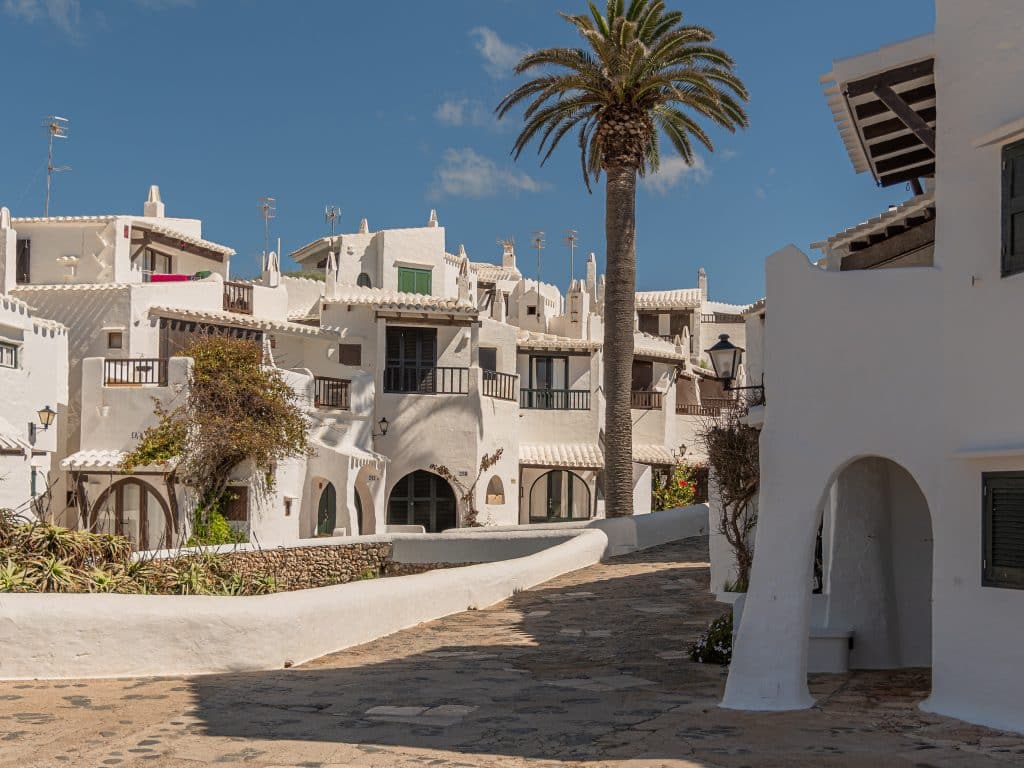
Binibeca, Menorca: Is this Menorca’s Prettiest Town?
Could Binibeca rival Frigiliana as Spains prettiest town?

Frigiliana, Spain: Is this Spain’s Most Beautiful Town?
Could it be? Is this the most beautiful town in Spain?

Palma de Mallorca: Sunsets to Soller
Lap up the year-round sunshine in the capital of the Balearics.


Discover the Best Things to Do in Valencia, Spain
If Valencia was a song, it would be she’s a lady by Tom Jones, find out why…