What's The Best Way Of Taking Money Abroad?
Last Updated: January 4, 2026
TAKING MONEY ABROAD HAS NEVER BEEN EASIER. BUT WHAT'S THE EASIEST AND SAFEST WAY?

Heads up: We sometimes work with companies to provide affiliate links and reviews - here's what that means. If it's here, we use it. We don't plug shit for profit.
**Disclaimer** I am not a financial advisor. Everything in this blog is my opinion, based on my interactions and my thoughts. For financial advice, contact a trained professional.
Travel Money: Then And Now
Let me take you on a trip down memory lane...
Do you remember when taking money abroad used to start with a trip to a currency exchange? The cashier would always give you that 'you lucky bastard' look, and remark, "Oh, it's lovely there this time of year...", and you'd be sent on your way with an envelope filled to the brim with cash.
Naturally, the first thing you do is get home, run to your family or housemates, and make it RAIN!
Come on, we all did it!
These days, money is mostly digital. Which is sad, because it's hard to make it rain debit cards.
The unstoppable advance of technology means our old friend, cold, hard cash, is falling out of favour. In fact, in some places, this old friend is now frowned upon, whilst others are going completely 'cashless'.
But... why?
What's Wrong With Cash?
Cash has been king for thousands of years - ever since people got sick of working out how many sacks of barley a pig should be worth.
So, why is there such a drive to destroy something we've relied on for years, particularly when it still works?
Well, let's have a look!
Cash

- Still universal
- Harder to overspend than card
- Doesn't need technology to work
- You can make it rain
- Easy to lose
- Easy to steal
- Difficult to protect
- A real pain in the ass to claim back through insurance
- Never know how much to exchange
- Exchange rates will screw you over
On the whole, the future isn't looking too rosy for cash.
But don't write it off just yet. It still has a couple of tricks up its sleeve.
While cash has taken a knock in the Western world, it remains king elsewhere. For example, in the markets of Asia and South America, pulling out your plastic won't cut it.
Furthermore, taxis, bus journeys, tips, and that market-stall tank top you're eyeing up will need cash. God knows the police won't take bribes from a card!
Nevertheless, the issue with cash is that it has so many... issues.
Large amounts of cash (looking at you, Zimbabwe!) can be bulky. It has no security whatsoever - the owner of the cash is whoever's holding it. Hence, if someone steals your wallet, you can kiss your money goodbye...
Next, when backpacking, you're likely visiting several countries, which often means multiple currencies. So, if you're only taking cash abroad, you suddenly have a logistical nightmare on your hands.
How much of each do you need?
You'd better get that right because converting between them at the airport is going to cost you dearly.
Furthermore, some cities, such as Stockholm, are slowly phasing out cash, and this trend is here to stay.
My prediction is that, by 2029, large parts of the West will be virtually cashless.
However, countries like Morocco, especially in southern towns like Taghazout, will only accept cold hard cash.
Your Other Options For Taking Money Abroad
So, if cash is out of favour, what's the future looking like for taking money abroad?
Well, firstly, gone are the days of making it rain.
Technology has stepped up to fill the flaws of cash, and several, variedly successful alternatives are available to us.
Traveller's Cheque
- If stolen, you won't be out-of-pocket
- Sneaky fees and commissions
- Nowadays, they're not that widely accepted.
- Often a faff for both you and the retailer
If cash is on its way out, wait until you hear about travellers' cheques.
Many of you, especially the Millennials and Zoomers, are probably thinking, "...WTF is a traveller's cheque?"
And... fair point.
Simply put, a traveller's cheque is a snazzy bit of paper, worth a pre-determined amount, that you have paid for and signed, and then take travelling with you.
Most banks, travel agents and even the trusty Post Office issue them, and each has a unique reference number. They come in piles, with each cheque being worth, say, $20 a go. You go to a hotel, get a $30 room, hand over two $20 cheques, and you get a room and a $10 bill in change.
Yet, in a world of fast food, fast tech, and no time for signing documents, the demand for travellers' cheques has all but died.
Their one great benefit over cash is security. If your cheques are lost or stolen, you'll get a full refund for the amount on the cheque, provided you can supply the unique ID number.
In today's world, travellers' cheques are a relic. Most retailers don't like, or won't accept travellers' cheques, as essentially, they're just an IOU. After all, it's a pain for them to exchange that IOU back into money. Plus, with modern technology, they're susceptible to fraud.
So, let's look at what took over...
Debit Card

- You probably already have one
- Works the same abroad as at home
- If stolen, you haven't lost all your money
- Accepted worldwide
- Your account probably isn't designed for it
- Consequently, you'll get slammed with brutal fees
- If defrauded, your 'main' account is vulnerable
Assuming you're not 100 years old and stashing your cash under your duvet, I'm guessing you have a bank account. Therefore, in some form or another, a bank card, be it a physical chip-and-pin, swipe-y card, contactless phone, etc.
At home, our bank cards play a crucial part in everyday life. So, are they any good for taking and spending money abroad?
Honestly, no...
We keep ours with us, but it's the last resort. Due to transaction charges and exchange rates shit enough to rival that of an airport, using your bank card whilst travelling is expensive. Also, if someone clones your card, you do not want them to gain access to your home bank account.
Of course, some banks will not charge you for spending money abroad or may give you a 'fee-free' period if you ask. But they'll still dick you on exchange rates!
Either way, let your bank know you're going abroad; otherwise, if you use it, they may block your card, thinking it's been stolen. And that's not a fun mess to unpick at a hostel in Delhi.
Travel Credit Card
- Buyer protection on faulty goods over £100
- Great protection against fraud
- Better exchange and fee rates available than debit cards
- Accepted worldwide
- Credit has stung millions of people
- Interest fees can be massive if you don't repay immediately
This is an honourable(ish) mention, as there are benefits... but here at Far Out Travel, I don't use one at home or abroad.
Honestly, anything with the word credit sends a shiver down my spine.
No matter how much I love to travel, I would be nervous recommending using credit to achieve it.
Anyway...
A 'travel' credit card is just a credit card with perks designed for travellers. Usually, this means low or no transaction fees when spending money abroad, and normally, it uses the interbank exchange rate.
The big perk, though, is the buyer protection. Any transaction over £100, for example, flights, is covered if you don't get what you paid for.
This is a very regulated, very in-depth topic. Hence, I'll shut up, and if you want a better understanding, read up. I'm merely here to inform you that they exist when taking money abroad.
After all, these companies are not your friends - they aim to profit off you. So do your research.
If you're going down this route, get your card sorted at least a month in advance. It can take up to ten working days to be approved, and they could decline your request, meaning you'll need time to sort your travel money through other avenues.
Here's the thing: if you stick to your limits, if you pay back on time, and if you have a decent wad of cash in the bank to cover it, they could be worth it for the buyer protection.
However, we don't touch it.
Pre-Paid Travel Card
- All the benefits of a Debit Card
- Cheaper than using your Debit Card
- Can't go overdrawn
- Your home account is safe
- Have to convert between currencies
- Currency exchange rates profit off you
- Some have sneaky hidden fees
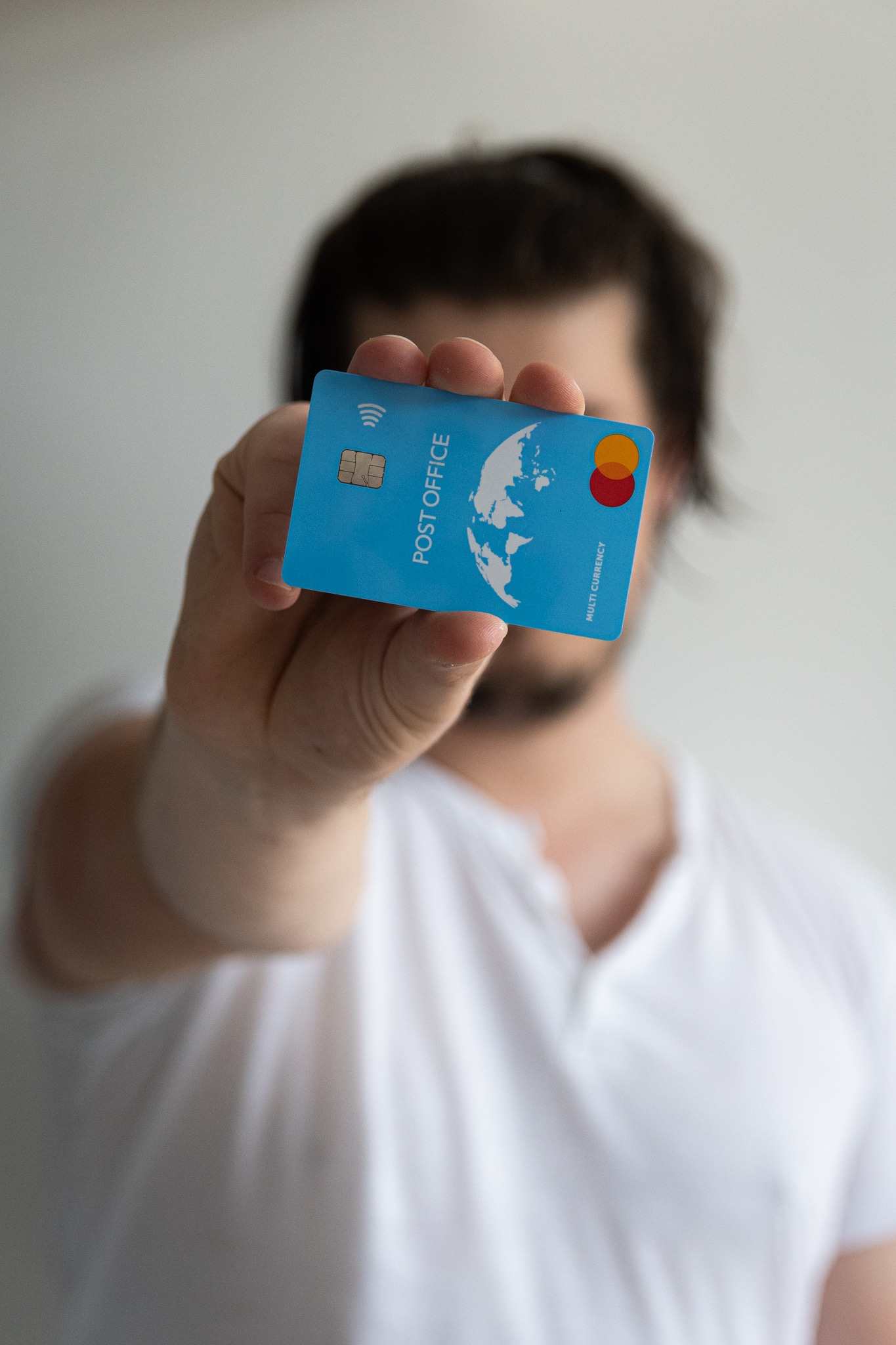
A pre-paid travel card works similarly to your everyday bank card.
You top them up with money and spend where you see fit.
Likewise, you can use them at shops, restaurants, bars, and anywhere else you'd swipe your bank card, as well as at ATMs when withdrawing cash abroad. They do this fee-free.
Essentially, they give you that feeling of home living abroad. It's the first time spending money abroad has been as smooth as being a local.
If you need to top up more money, all you have to do is transfer funds from your 'normal' bank, online or via the app. This is where they get you with top-up fees.
Much like travel credit cards, numerous companies sell pre-paid travel cards with differing rates and perks.
Both of us used pre-paid travel cards and loved them. However, the next evolution has arrived. Or should we say... Revolution?
App-Based Travel Cards and Banking
- All the benefits of a Pre-Paid Travel Card
- No top-up costs
- Currency conversion at the interbank rate
- Instant online assistance from humans
- Some provide a great loyalty scheme
- Can provide tons of other services
- Can't talk to them face-to-face
Ok, those of you who shouted, "WTF is a traveller's cheque?!" - this is for you.
It's high-tech, quick, and more in-keeping with your high-flying, fast-paced lifestyle.
App-based banks are a comparatively new concept in the banking world, and even fresher in the travel industry.
Simply, these banks provide all the normal, high-street banking services, exclusively online. Therefore, there are no branches you can pop into and discuss your digits. Nor will there be any counter-based flirting. It's all built around managing your money in the modern era.
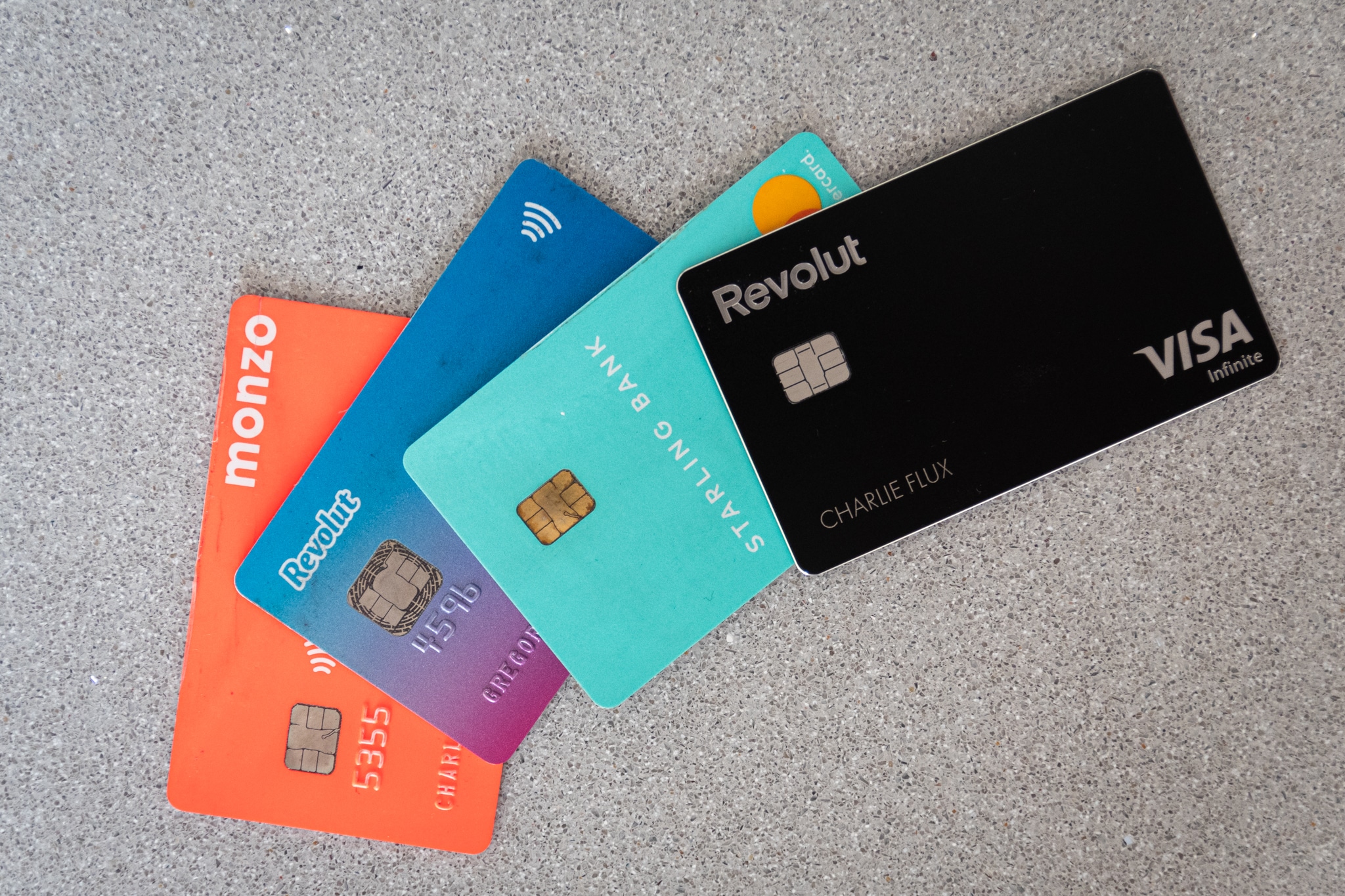
People (like me) tend not to like change, particularly when it comes to financial security. Yet some of these new banks have bucked the trend. Banks such as Monzo and Starling Bank are now household names (we've used both)...
Nevertheless, one card stands out to us, working as your current account at home, then lets you effortlessly convert your money into 150+ currencies as you backpack around the world. Nowadays, several app-based banks offer this service.
However, for us, the undisputed king of spending money abroad is...
Revolut
I fuckin' LOVE Revolut!
Revolut is Europe's fastest-growing financial tech company, and with extremely good reason!
With live time exchange rates, zero set-up fees, no transaction fees (within agreed budgets), and speedy in-app customer care, digital nomads and travellers around the world are turning to Revolut.
With or without a physical card, you can spend on the go, keep on top of budgets, and split bills in numerous currencies. It's the ideal way to keep on top of your finances whilst travelling.
On the free plan, you can use the Revolut card in over 150 countries fee-free and withdraw up to £200 a month at ATMs. You can also convert easily between currencies.
I got a Revolut travel card, and I love it. I then showed it to Charlie, who quickly jumped on board. And trust me, he does his research. If I didn't already know I'd made the right choice, I do now.
I'm the first to admit I'm not a techy person, and I take security very seriously, especially when travelling.
Moving away from cash and cards to a phone app scared me. Initially, I was cautious about using the Revolut app, but now I use it daily whilst travelling. It's simple, effective, and works like a dream. The app comes with great security features, and I feel my money is protected while using it.
To comply with regulations, I have to state:
- Under some circumstances, fees can apply, but when they are, they are clear and visible on the Revolut app.
- Third-party providers may charge a withdrawal fee, and on the free plan, weekend fees may apply.
For my in-depth review of Revolut, click here.

So: What Is The Best Way Of Taking Money Abroad?
Everyone is different and has different priorities. Having explored all the options, I feel there is a clear winner, especially if you're backpacking.
Here's how I use my money abroad:
Get a Revolut card and load it with enough money to last a week.
When you arrive at your destination, take out a small amount of cash from the ATM at the airport. This means you'll be ready for those small expenses such as buses, souvenirs, and a bite to eat.
The rest can be loaded securely on your Revolut card, ready to tap away whilst knowing it's not costing you a penny to spend. It's your home bank abroad.
Then, I top up with a week's worth of money when needed. That way, if it gets stolen and I lose my phone, meaning I cannot freeze the card, I've only lost a small amount of money.
It's a winning combination of old-school cash and the very latest in financial tech. In my experience, it's the best way of taking money abroad.
For a more in-depth look into Revolut, check out my Revolut blog.

Thoughts on my Taking Money Abroad Blog
Thanks for reading my 'taking money abroad blog'.
***Firstly, as mentioned, I am not a financial advisor or an expert in finances. This is not advice, just my thoughts on taking money abroad. For professional advice, seek an independent advisor.***
Even if all you've learnt is that travellers' cheques existed, I've helped in some way, or at least given you a laugh.
Please let me know what you think of my blog in the comments below. Similarly, if you have other options or tricks on how you take money abroad, let me know. I'll try them out.
As always, cheers for checking this out. If you have any questions, drop us a message on Instagram.
If you're discovering our 'taking money abroad' blog, you may be interested in our other travel school blogs...

What to Pack For Your Next Backpacking Adventure
The hardest part of travelling is knowing what to pack, right? Not now…

The Art of Haggling – The Ultimate Backpacker’s Guide
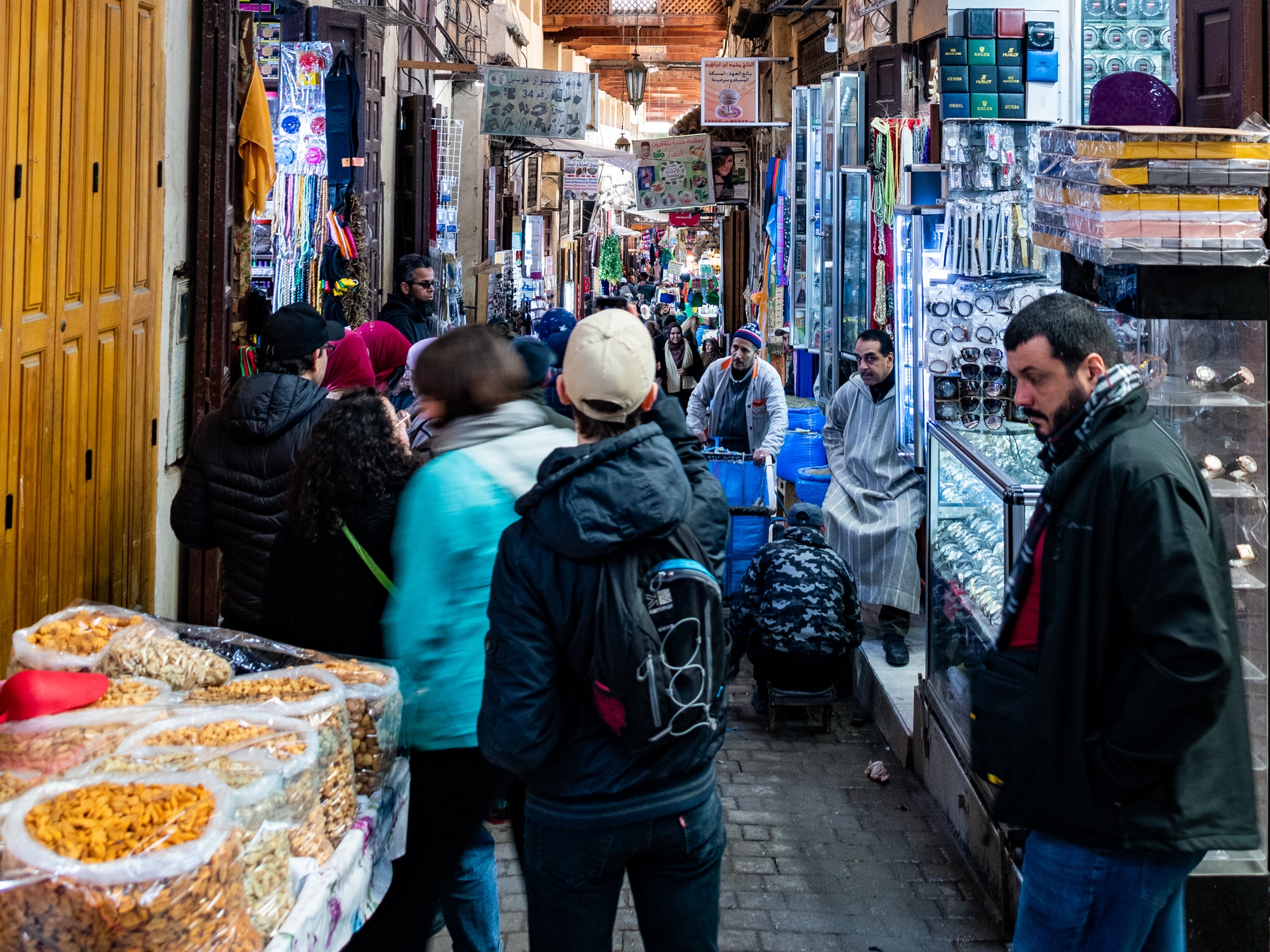
Learn how to haggle like a pro, and how it keeps your travels rolling…