Ultra-Long-Haul Flights vs Our Favourite Stopover Locations
Last Updated: February 19, 2022
WILL THE NEW ULTRA-LONG-HAUL FLIGHTS PUT AN END TO THE STOPOVER?

Heads up: We sometimes work with companies to provide affiliate links and reviews - here's what that means. If it's here, we use it. We don't plug shit for profit.
Long-Haul Flights - The Battle Line
Since 2019, there's been a surge of activity from both Airbus and Boeing to improve the distance planes can travel without refuelling. This charge has been backed by airlines such as Qantas and Singapore Airlines, to whom the benefits of longer flights are obvious.
It's a push for perfection, and to be a leader in the battle to control the skies.
Who will win? Airbus vs Boeing, Singapore Airlines vs Qantas?
No one knows, but has anyone thought about the losers in this competition? I'm talking about the stopover cities of Abu Dhabi, Dubai, Kuala Lumpur and Singapore.
Will this be the end of our favourite stopover cities? Or will some prosper and grow under the expansion of these long- and ultra-long-haul flights?
So What are 'Long-Haul' Flights?
The answer depends on who you ask.
Different countries, continents, and airlines all have a different opinion on what makes up a long-haul flight.
So if no-one actually knows what long-haul is, then how can we define when long-haul flights become ultra-long-haul?
All the money and regulation in the aerospace industry, where planes are actually being labelled 'Extra Long Range', but no-one has a definition of what 'Long Range' is. Madness.
The rough ballparks from various aerospace sources seem to float around these:
- Long-Haul Flights are anything above the 4,500km mark. As a time frame, this translates to roughly 6 hours 40 minutes.
- Ultra-Long-Haul Flights are generally anything over 12 hours.
What can't be argued with is that with the announcements of new planes at the Paris Air Show in 2019 such as the Airbus A321XLR, smaller planes will be able to travel further and faster than ever before.
As of 2020, the world’s longest commercial flight stands at 18 and a half hours, between Singapore to Newark in New Jersey, USA. There are, however, plans for even longer routes with these new cruisers, with direct flights from Sydney to London and Sydney to New York on the cards from 2022.
So what for the stopover cities?
At first, long- and ultra-long-haul flights would appear to be bad news for the stopover cities.
Having been to Abu Dhabi, KL and Singapore and enjoyed them all to some degree, I ask myself: would I have visited these cities if I wasn't on a stopover? Would I, in fact, suggest anyone else do so?
Sadly, the answer is no. No, I wouldn't.
If there were a direct flight from the UK to Melbourne, Auckland, or other, more beautiful parts of South East Asia, I'd jump on that instead. Not only would an ultra-long-haul flight be quicker, but with the new technology, it'll be more fuel-efficient, better for the environment, and less of a hit on my wallet. All of which are good things for travellers.
I can't be the only one thinking this. What are your thoughts? From the people I have quizzed, it would appear the majority agree.
Now that must put fear into the tourism boards for these stop-over cities and countries alike.
How Can These Cities Survive?
The answers lie with the airlines pushing for long-range.
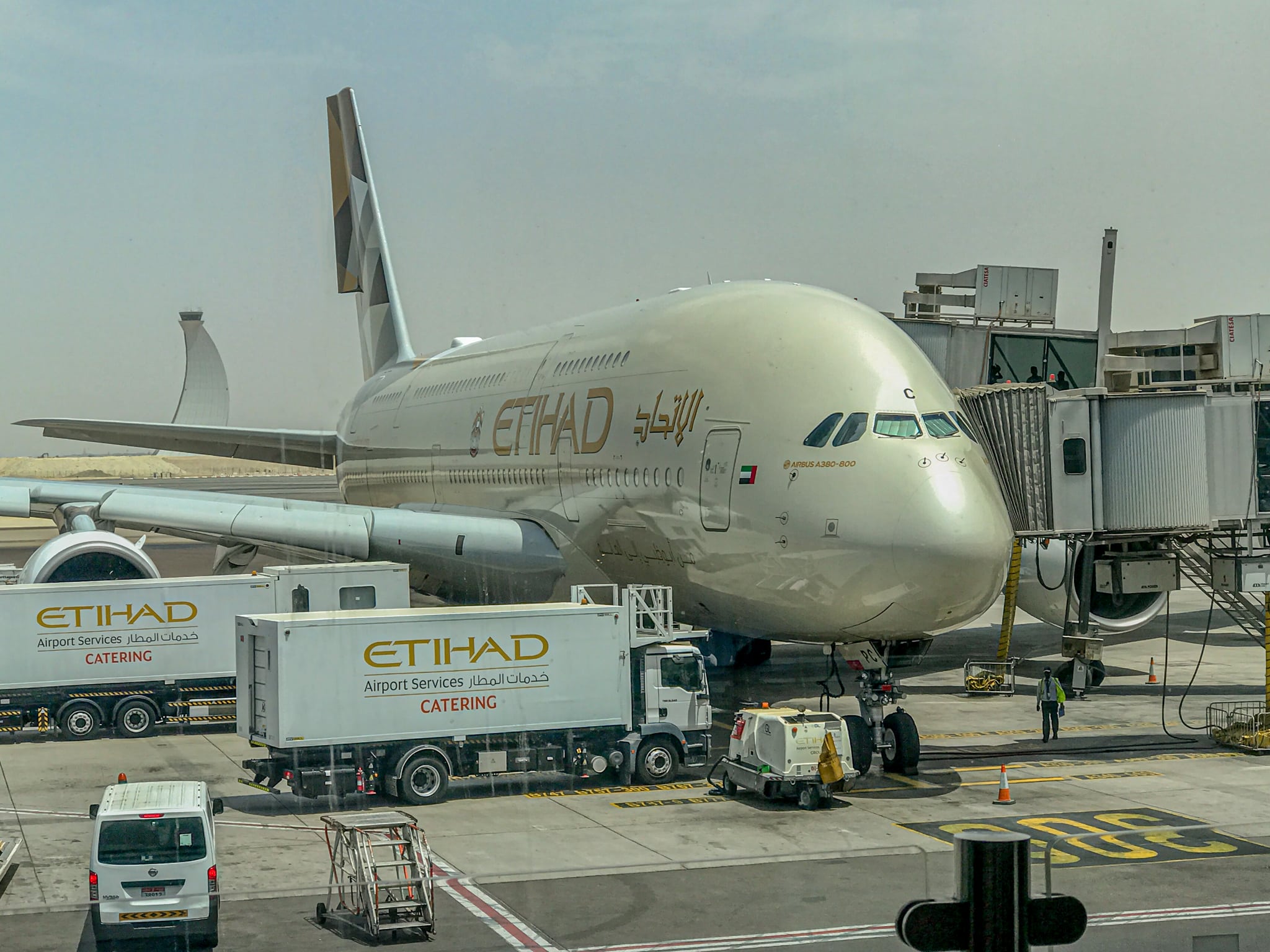
Singapore Airways, Malaysia Airlines, and both Etihad and Emirates (both based out of the U.A.E.) are all major players in worldwide travel. They're based out of some of the most prominent stopover destinations in the world. And they're all investing in XLR.
These are used to being the airlines that decide the routes, and when the option comes to skip their hub, how do they fight to keep relevant?
The solution is making their hub cities a desirable destination in their own right. Dubai has nailed this. 50 years ago, no one knew where, or even what, Dubai was. Yet now people holiday and honeymoon there. It's become more than a stopover.
Achieving this means working with governments and cities to build a reputation as a cultural hub, somewhere that's respected and coveted by people halfway across the world. Fail to do this, and, as the world gets smaller, planes will fly overhead and leave them behind, and they'll become insignificant.
So this brings the second question: where do these companies loyalties lie? With patriotism and their country, or in profit margins? Will profits mean more to Singapore Airlines than Singapore itself? Will the likes of Malaysia Airlines keep up in a billion-dollar race? If not, could Malaysia Airlines leave Malaysia to survive?
Leaving is unlikely, as most of these are state-owned. Which means these places have to fight to become destinations, not stopovers. They have to win the battle of the skies. If you will soon be able to fly directly from anywhere in the world to anywhere else, why would you stop there?
Equally, the only other solution is price. Can these premium stopover airlines, who have thrived on connecting other hubs, undercut, say, a direct London-to-Sydney Qantas flight? If they can, they'll swim. Price is king - this has been proven over and over.
So, can they pull that off financially? Would the government of the U.A.E. allow their flagships to drop in standards to achieve this? If they could, then riches await.
If they can't do one or the other, it's hard to see a future for the more unremarkable cities, like KL and Abu Dhabi. Dubai and Singapore likely have enough reputation to keep alive on their own.
Whatever happens, the one thing we can be sure of is that the way we travel is changing. With new technology, and better environmental knowledge, this is going to happen, and the world will get smaller.
When this inevitable rise in technology happens, the walls could easily cave in around some of these cities.
This article raises more questions than it answers. Have we called this right? Let us know your thoughts below.